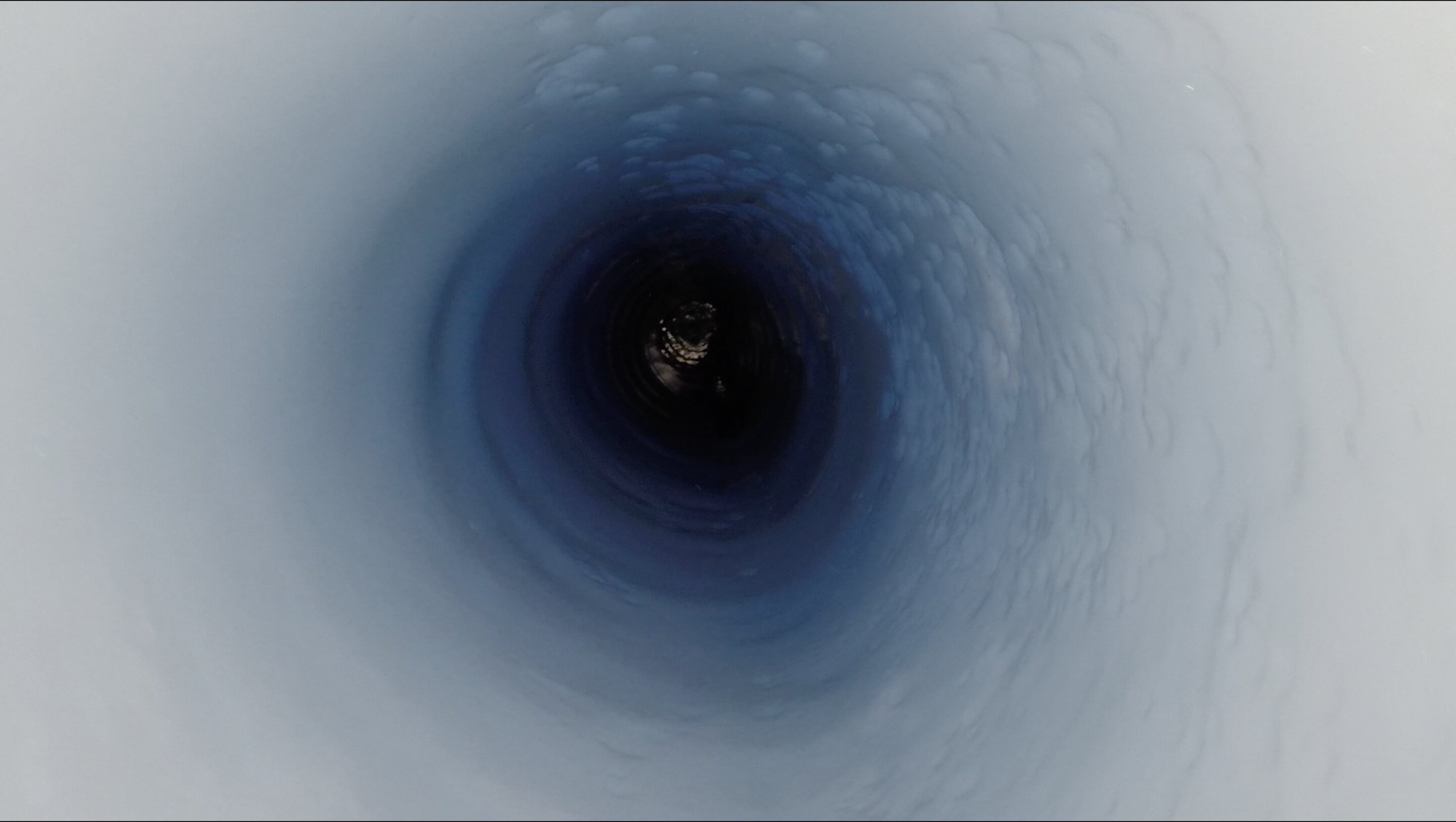
Researchers drilled 523 meters into Crary Ice Rise in West Antarctica to recover a 228‑meter sediment core, revealing a 23‑million‑year archive of climate and ice‑sheet dynamics, including past open‑ocean conditions and potential West Antarctic Ice Sheet retreats during warmer periods, informing predictions of future sea‑level rise under ongoing warming.
New research in Nature Geoscience shows that past West Antarctica ice retreat delivered iron to the Southern Ocean, but much of that iron was weathered and poorly soluble, so algae growth did not surge as expected; the study suggests continued WAIS thinning could reduce the ocean's CO2 uptake in the Pacific sector, revealing that the iron's chemical form, not just its amount, governs carbon drawdown.
Permafrost in Antarctica's Dry Valleys is releasing CO2, while the East Antarctic Ice Sheet (EAIS) is approaching runaway melting and the West Antarctic Ice Sheet (WAIS) has collapsed in the recent past.
A 2,000-foot-long ice core from the West Antarctic Ice Sheet provides evidence of a sudden and dramatic shrinkage around 8,000 years ago, indicating the potential for rapid Antarctic ice melting and significant sea level rise. The study's findings highlight the vulnerability of the ice sheet to climate change and the catastrophic consequences of its rapid retreat. Scientists emphasize the urgent need to address climate change to avoid tipping points and improve the accuracy of models predicting future ice sheet responses.
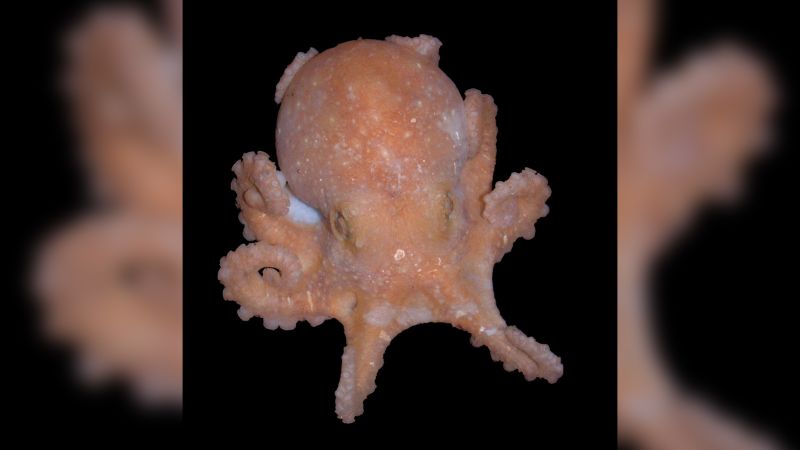
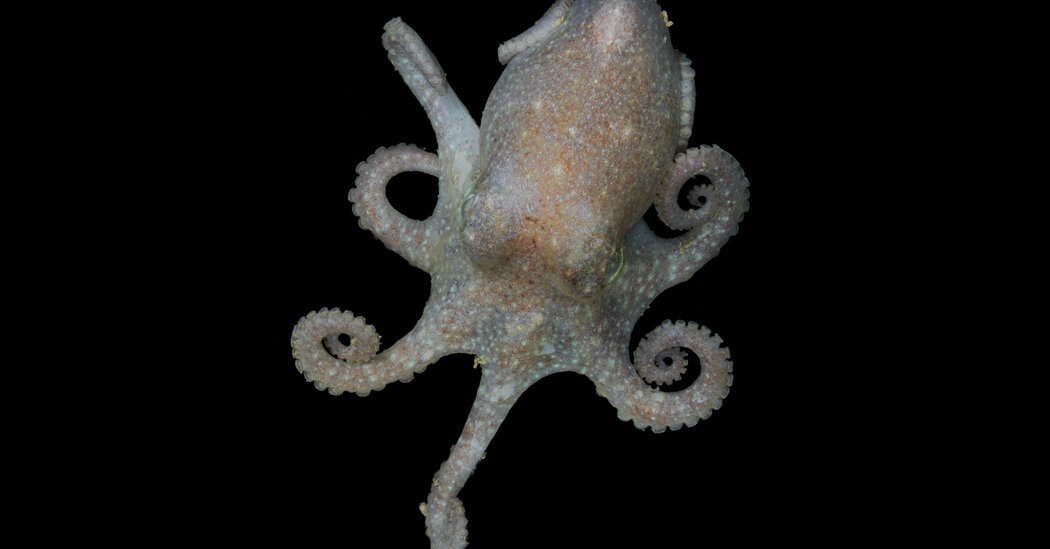
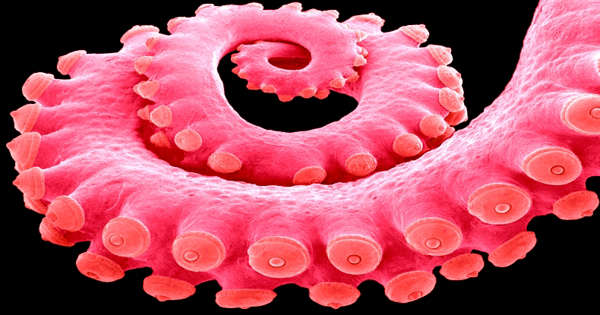
A study of octopus DNA has provided evidence that the West Antarctic ice sheet collapsed more than 100,000 years ago during the Last Interglacial period, confirming a long-standing geological mystery. By analyzing the genetic history of the Turquet's octopus, researchers were able to trace past encounters and determine when different populations interbred. The findings suggest that the collapse of the ice sheet occurred during a time when global temperatures were similar to today's, providing valuable information about future sea level rise in a warming climate. The study highlights the potential of using DNA as a proxy to explore other poorly understood climate histories.
A DNA study of Turquet's octopus, a small species that lives in the Southern Ocean, suggests that the West Antarctic Ice Sheet is at risk of collapsing due to global warming. The study indicates that a temperature increase of 1.5 degrees Celsius above preindustrial levels could be a tipping point for the ice sheet. Genetic analysis of octopuses from different locations around Antarctica revealed that populations that are currently separated by the ice sheet were mingling and swapping DNA about 120,000 years ago during a period of similar temperatures. If the West Antarctic ice sheet melts entirely, global sea levels could rise by up to 16 feet. The study highlights the urgency of taking action to mitigate climate change and prevent further ice sheet melting.
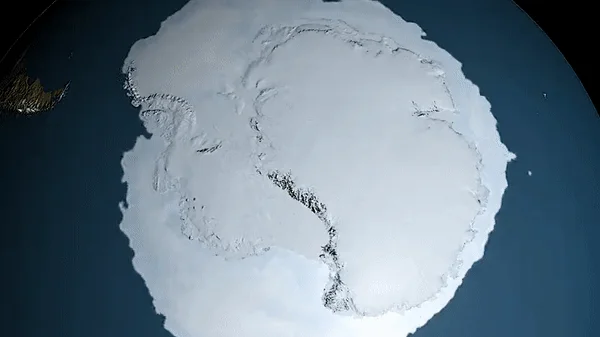
The West Antarctic Ice Sheet, the largest contributor to global sea-level rise, is melting at an accelerated rate that cannot be stopped, according to researchers. Even under the best-case scenario of meeting ambitious Paris Accord targets, the ice sheet will still melt three times faster in the 21st century than it did in the 20th. The weakening of floating ice shelves will lead to increased flow of upstream glaciers towards the ocean, resulting in rising sea levels. While the melting is projected to slow at the end of the century, immediate action is needed to mitigate the long-term effects of sea-level rise.
A new study warns that the collapse of the West Antarctic ice sheet is now "unavoidable" due to climate change. Even if greenhouse gas emissions are capped and global temperature rise is limited to 1.5 degrees Celsius, melting will still increase three times faster over the rest of the century than it did in the 20th century. The study suggests that we have lost control of the melting process and that action on climate change should have been taken decades ago. The West Antarctic ice sheet holds enough water to trigger up to 16.4 feet of sea level rise. While it may be too late to prevent the collapse, efforts to reduce greenhouse gas emissions are crucial in slowing down the rate of sea level rise.
The West Antarctic Ice Sheet is projected to continue melting at an accelerated rate throughout the century, regardless of efforts to reduce fossil fuel emissions, according to research by the British Antarctic Survey. Even under the most ambitious climate targets, melting is expected to increase three times faster than in the 20th century. This has significant implications for global sea levels and coastal communities. While the situation is challenging, reducing reliance on fossil fuels remains crucial for adaptation and mitigation.
A study by the British Antarctic Society warns that the collapse of the West Antarctic Ice Sheet is now unavoidable due to the rapid increase in ocean warming and ice shelf melting. Even if global warming is limited to the international target, the ice sheet will still collapse. The study suggests that reducing emissions can help prevent the worst-case scenario, but beyond that, mitigation has a negligible impact. The collapse of the West Antarctic Ice Sheet is one of nine climate "tipping points" that could have catastrophic consequences for life on Earth.
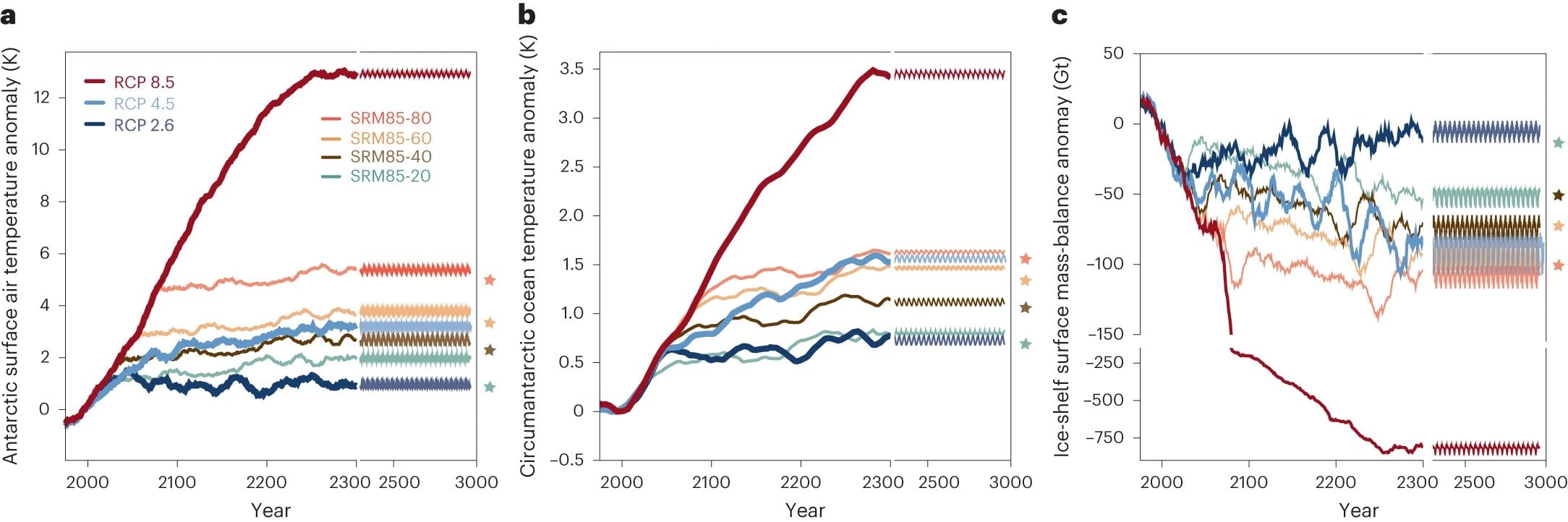
Simulations conducted by researchers in Switzerland and the UK suggest that aerosol geoengineering, specifically solar radiation management (SRM), will not be able to prevent the collapse of the West Antarctic Ice Sheet (WAIS). The study found that while SRM could delay the collapse by 20-60 years under different emissions scenarios, it cannot avoid it altogether. The most effective way to prevent the long-term collapse of the WAIS is rapid decarbonization. The research highlights the urgent need to eliminate global carbon emissions and warns against relying on SRM as a solution to climate change.
Researchers from the University of Bern have investigated the possibility of preventing the melting of the West Antarctic ice sheet by artificially dimming the sun through solar radiation management (SRM). The study found that while SRM could delay the collapse of the ice sheet, it cannot prevent it entirely. The most effective way to prevent long-term collapse is through rapid decarbonization. The study also highlights the high risks and unforeseeable side effects of geoengineering, including potential disruptions to the monsoon regime and ocean acidification.
A recent DNA analysis of two geographically separated populations of Turquet's octopus in West Antarctica suggests that around 125,000 years ago, the massive 2.2 million cubic kilometer West Antarctic ice sheet that separates the two bays had fully collapsed into the sea. Scientists who sequenced the genomes of octopus populations in both the Weddell and Ross Seas found evidence of ancestral gene flow between the two populations roughly 70,000 years ago, suggesting that "an ancient seaway was likely once opened across the West Antarctic Ice Sheet, which directly linked the present day Weddell Sea and Ross Sea". If it happened then, it could very well happen again, especially since global temperatures are reaching a similar threshold today.
A recent DNA analysis of two geographically separated populations of Turquet's octopus in West Antarctica suggests that around 125,000 years ago, the massive 2.2 million cubic kilometer West Antarctic ice sheet that separates the two bays had fully collapsed into the sea. Scientists found evidence of ancestral gene flow between the two populations roughly 70,000 years ago, suggesting that "an ancient seaway was likely once opened across the West Antarctic Ice Sheet, which directly linked the present day Weddell Sea and Ross Sea". If it happened then, it could very well happen again, especially since global temperatures are reaching a similar threshold today. If the entire West Antarctic ice sheet collapses from human-induced global warming, forming an archipelago in the southern ocean, the resulting environmental catastrophe is hard to fathom.
Scientists have described the carbon cycle in a subglacial freshwater lake in Antarctica for the first time, using data from sediment, microbes, and the carbon cycle to infer the geologic history of the region. The study confirms that the West Antarctic Ice Sheet retreated at least 250 kilometers inland from where it meets the ocean today, before re-advancing to its modern configuration. The microbes in the lake are feeding off 6,000-year-old carbon introduced when this region was still connected to the ocean, and they can use chemical energy from physical processes associated with the ice sheet itself.