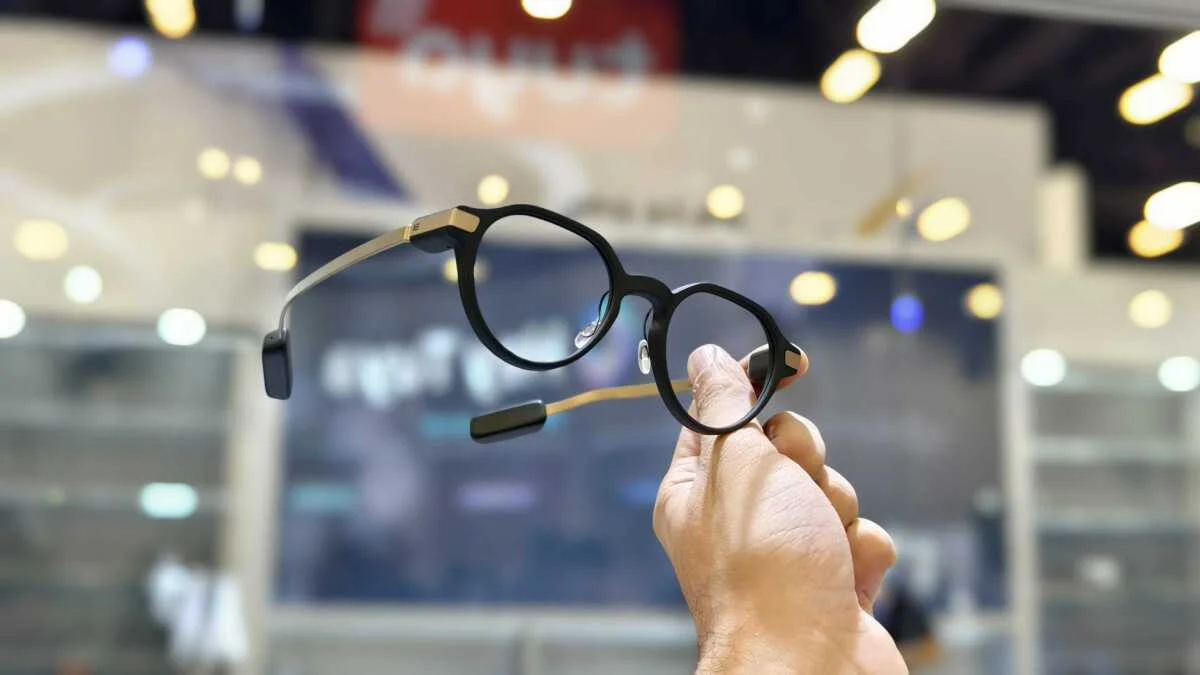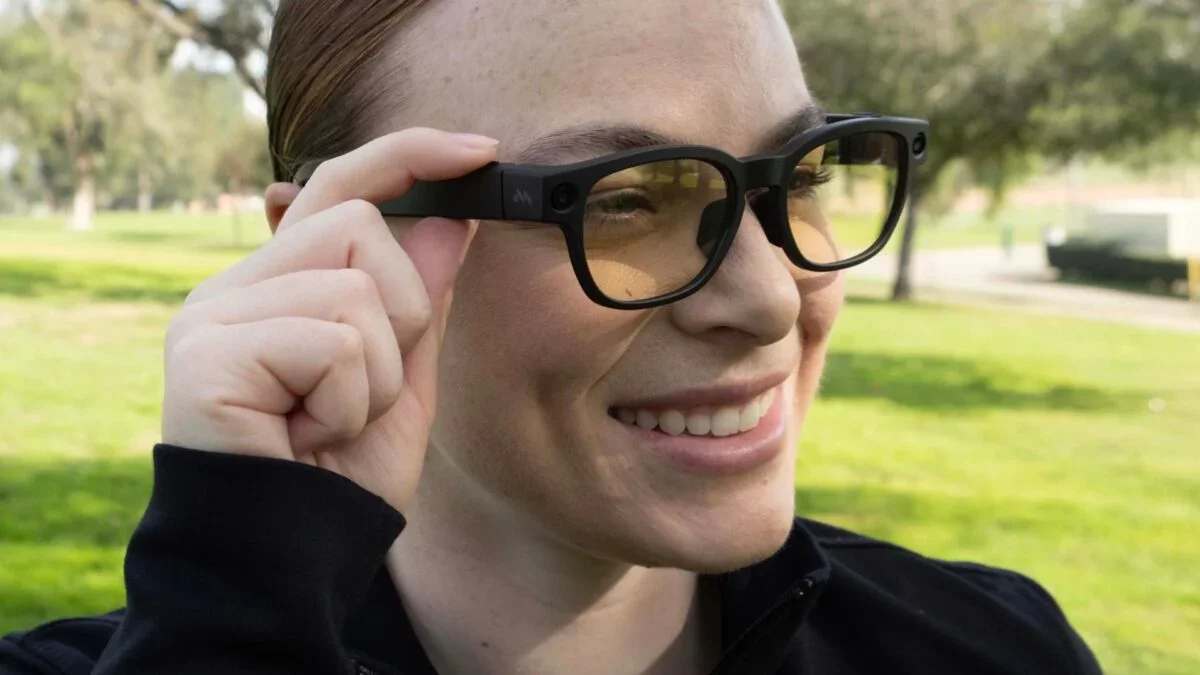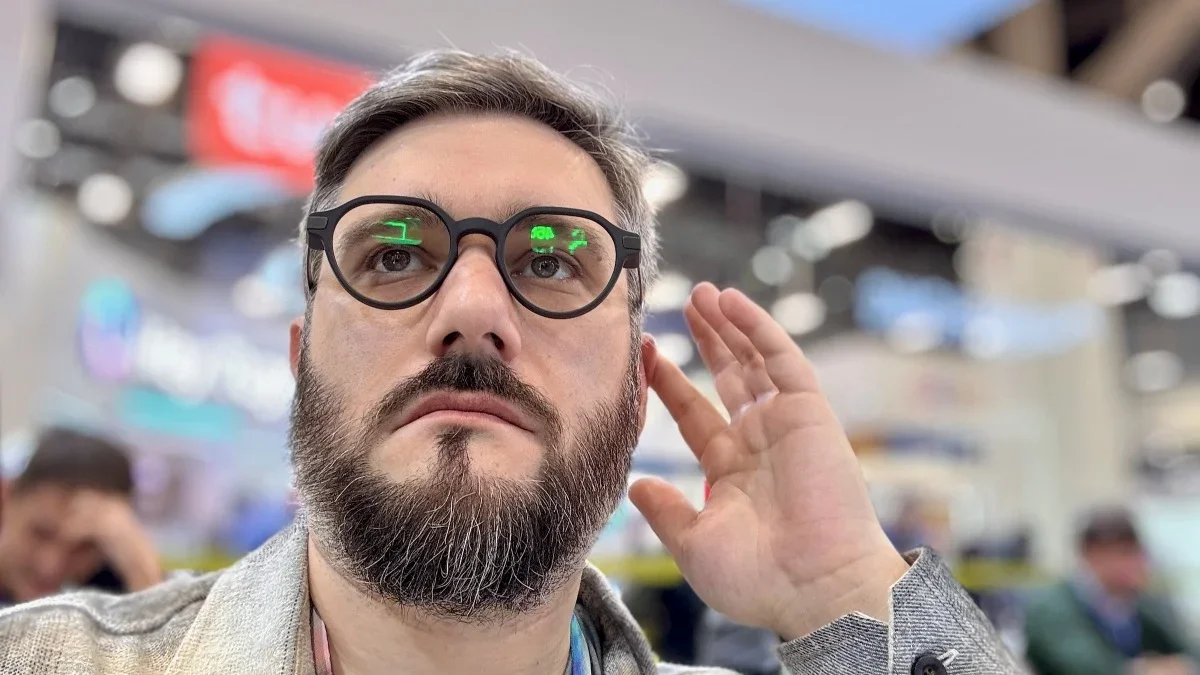
CES 2026 showcased a range of innovative smart glasses, with Xreal impressing most with AR gaming glasses featuring a 240 Hz refresh rate and real 3D conversion, alongside other notable products like TCL's HDR glasses, Lucyd's affordable audio glasses, and Even Realities' advanced heads-up display. The event highlighted the evolving landscape of wearable tech, emphasizing high-performance displays, affordability, and privacy-conscious designs.
At CES 2026, Asus announced the ROG R1 display glasses developed with Xreal, featuring a 240Hz refresh rate, a flatter lens design, and a 57-degree field of view, offering smoother visuals for gaming and immersive experiences, with pricing and release details yet to be announced.
At CES 2026, Povec Optics showcased the Povec C1 sunglasses, the world's first electrochromic sunglasses that can switch from tinted to untinted with a swipe, targeting outdoor athletes with a launch planned for May 2026 at a price of $250-$350.
Meta's $800 Ray-Ban display glasses offer advanced features like a high-resolution camera and AI capabilities but are hampered by design flaws such as discomfort from a single-eye display, limited prescription lens options, and reliance on an impractical neural wristband, leading to questions about their overall value and usability compared to competitors like Rokid.
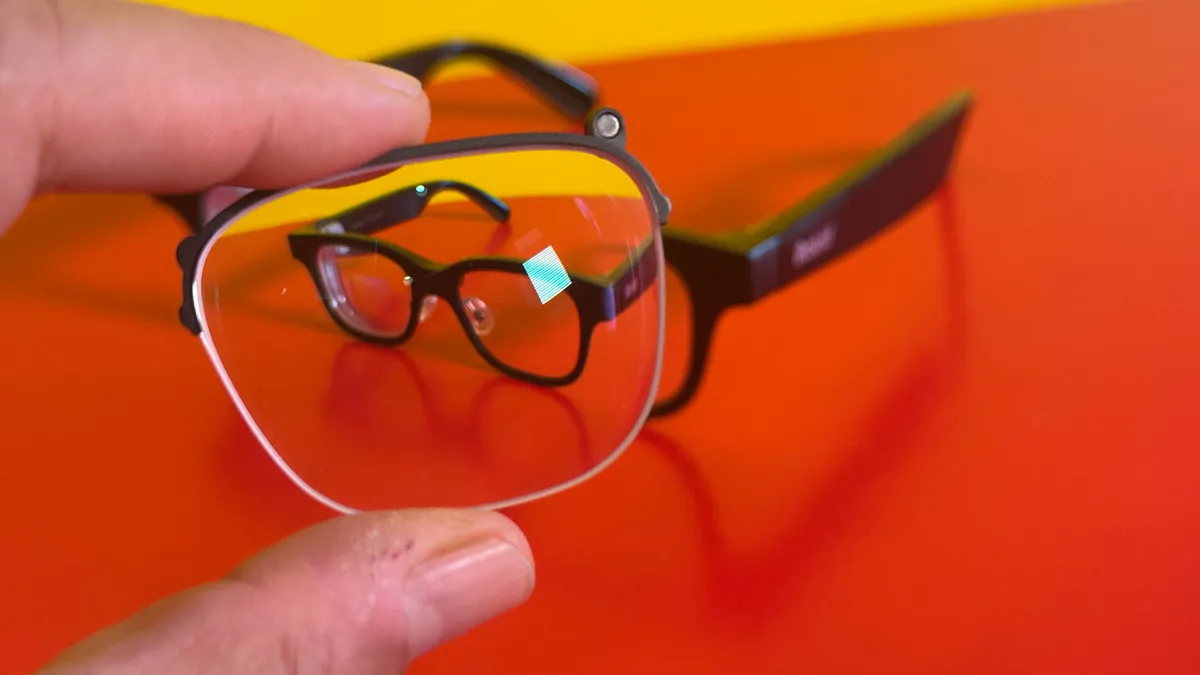
Rokid Glasses, launching later this year at $599, offer advanced features like AI, camera, audio, and a display, with the notable advantage of supporting prescription lenses through magnetic inserts, unlike Meta's Ray-Ban Display Glasses. They also feature a unique magnetic charging solution and are more compact, though they currently have some display reflection issues and less polished design. These glasses represent a significant step forward in wearable AR technology, especially for users with high prescriptions.
The article reviews the author's two-day experience with Meta's Ray-Ban Display glasses, highlighting their innovative design, gesture-controlled interface via a neural wristband, and mixed usability with limitations like battery life and app functionality, offering a glimpse into the future of AR wearable technology.
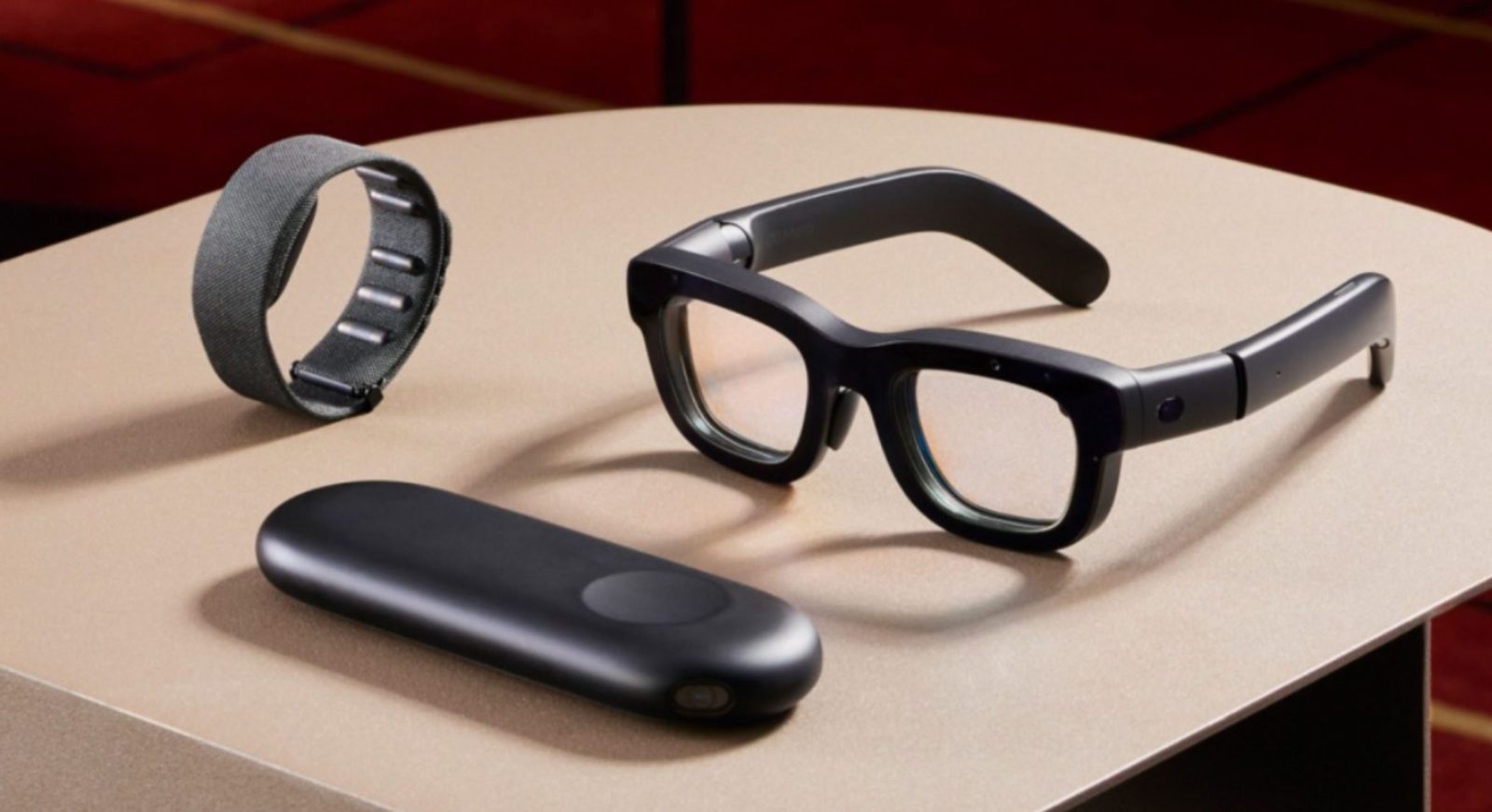
Meta's CTO Andrew Bosworth discussed the Neural Band, a wrist-worn device that enhances the Ray-Ban Display glasses with gesture and motion sensing, potentially evolving into a versatile interface for various devices, including as a TV remote or fitness tracker. The technology could also aid accessibility and expand to support AI models and other applications in the future.
Meta is developing dual-display smart glasses that show messages, maps, and more directly in front of the user, as part of its efforts to make glasses a daily tech device, even before its full AR glasses are released in 2027. These glasses will feature two screens, one on each side, providing quick access to notifications and information, and are part of Meta's broader strategy to familiarize users with wearable displays amidst increasing competition from Apple and Samsung.
Meta is developing advanced smart glasses, the Ray-Ban Display, with features like AI-assisted gesture control and voiceless texting, aiming to replace smartphones and enhance social presence, reflecting Zuckerberg's vision of a future where glasses could eclipse phones.
The article discusses the recent expansion of Oura, a popular smart ring maker, into U.S. military partnerships and addresses concerns about data sharing. It then reviews top alternatives to the Oura Ring, highlighting options from Ultrahuman, Samsung, and Ringconn, focusing on price, ease of use, and compatibility, to help consumers find suitable wearable health trackers without subscription fees.
A large-scale sleep study found that going to bed earlier, rather than just getting enough sleep, significantly increases the likelihood of exercising the next day, highlighting the importance of sleep timing for overall health and performance.
IXI is developing smart glasses with liquid crystal lenses that can automatically adjust focus in real-time, aiming to improve vision correction for conditions like presbyopia and myopia, while emphasizing the importance of aesthetic appeal and user acceptability. The technology is still in trials, with potential to revolutionize eyewear, though safety and performance concerns remain.
During the announcement of Meta's new Oakley Smart Glasses, Mark Zuckerberg was notably wearing a rare and expensive $100,000 De Bethune DB28xs Purple Rain watch, highlighting his growing interest in high-end horology alongside his focus on wearable technology.
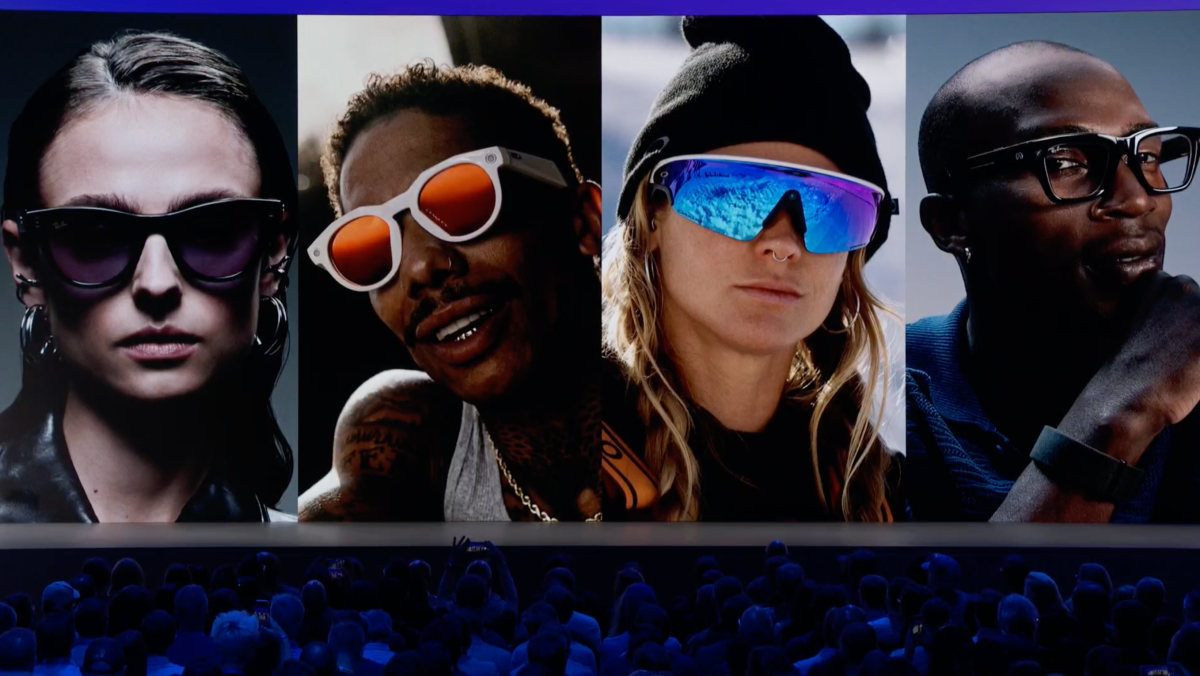
Meta has partnered with Oakley to launch AI-powered smart glasses called Oakley Meta HSTN, featuring high-resolution cameras, open-ear speakers, water resistance, and AI capabilities, with preorders starting at $399, expanding their wearable tech offerings globally.
Rokid has released the Max 2 AR glasses, lightweight and durable, that project a 300-inch virtual screen, compatible with prescription eyewear, and run on YodaOS Master, offering a portable, desktop-like experience for remote work and on-the-go use, priced at $648.