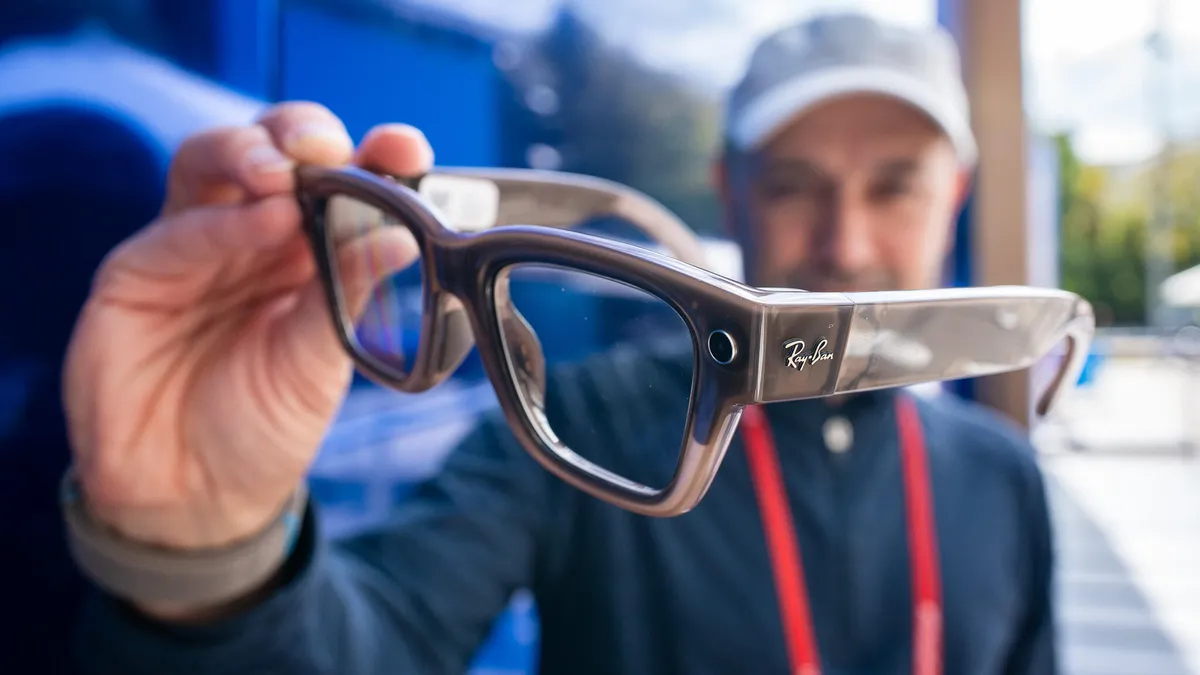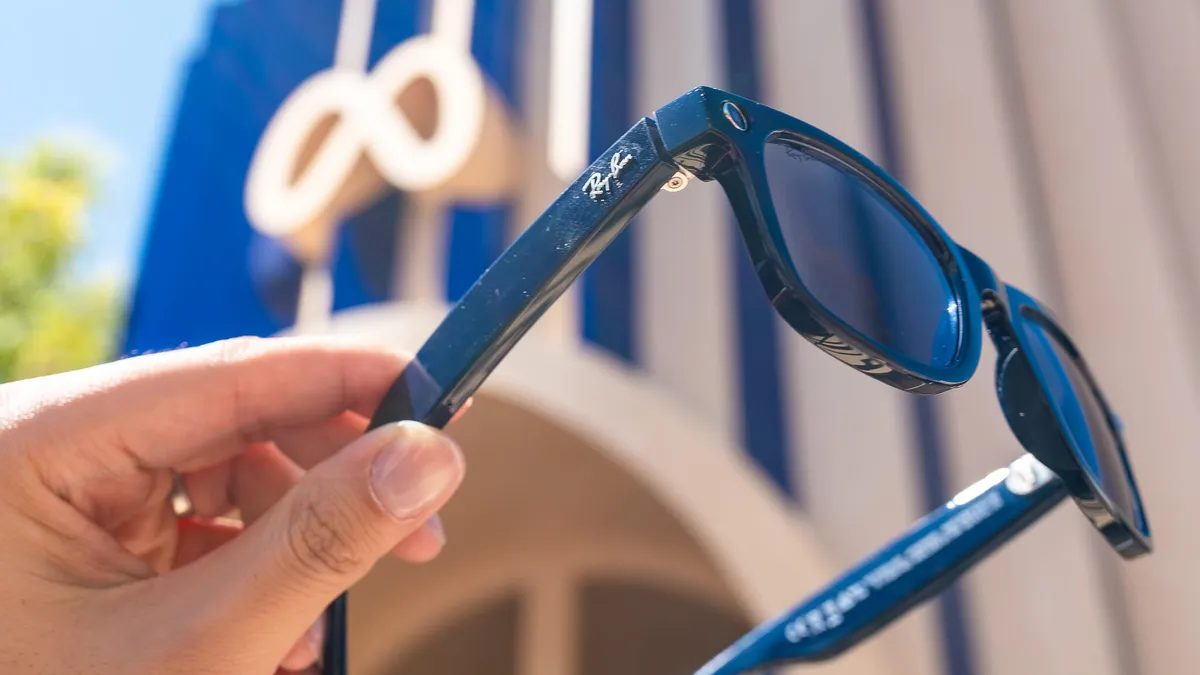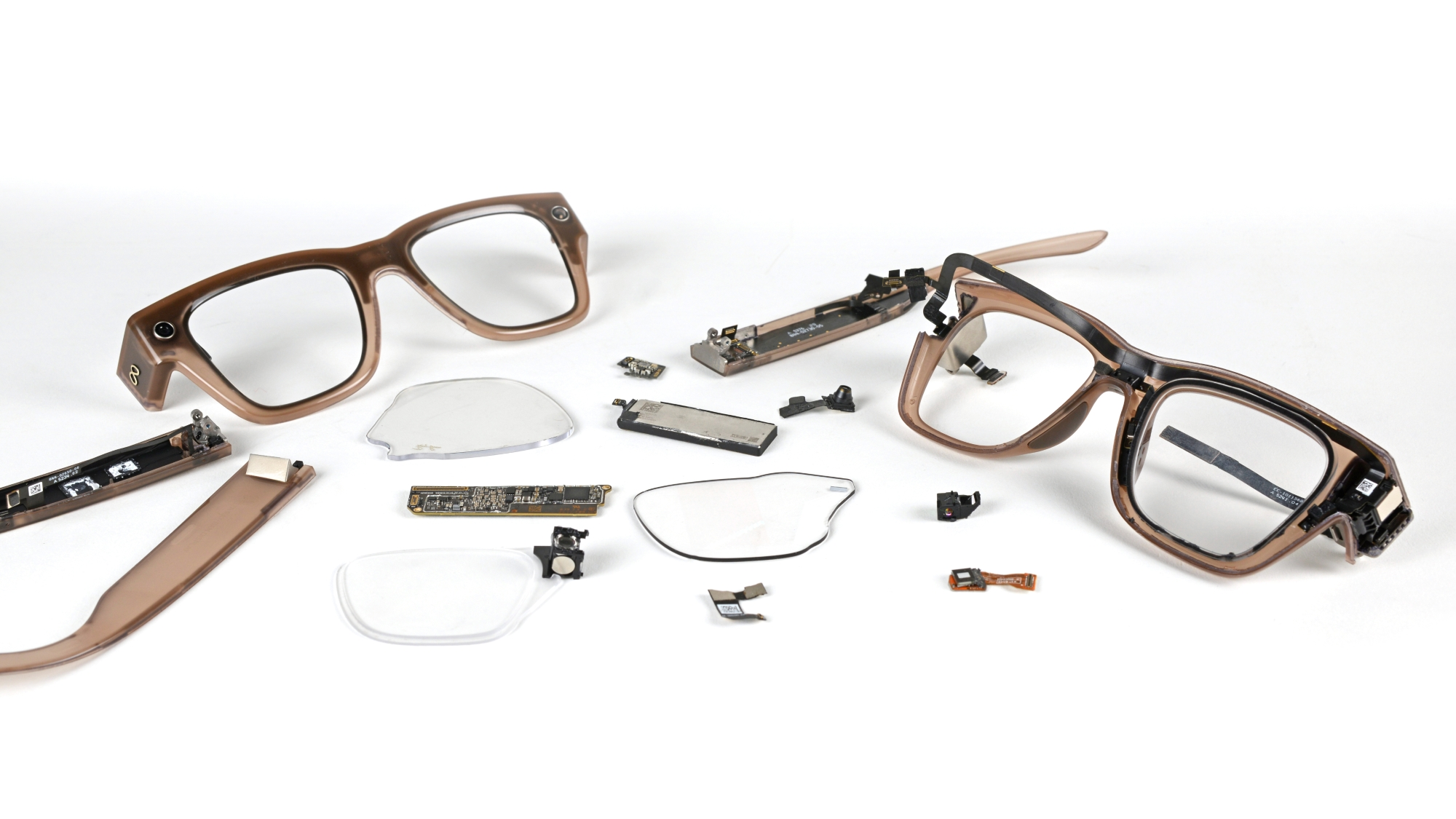
iFixit’s teardown of Meta’s Ray-Ban Display glasses reveals advanced geometric waveguide technology using Schott and Lumus innovations, enabling a floating display, though the glasses are not highly repairable and have a dorky appearance.
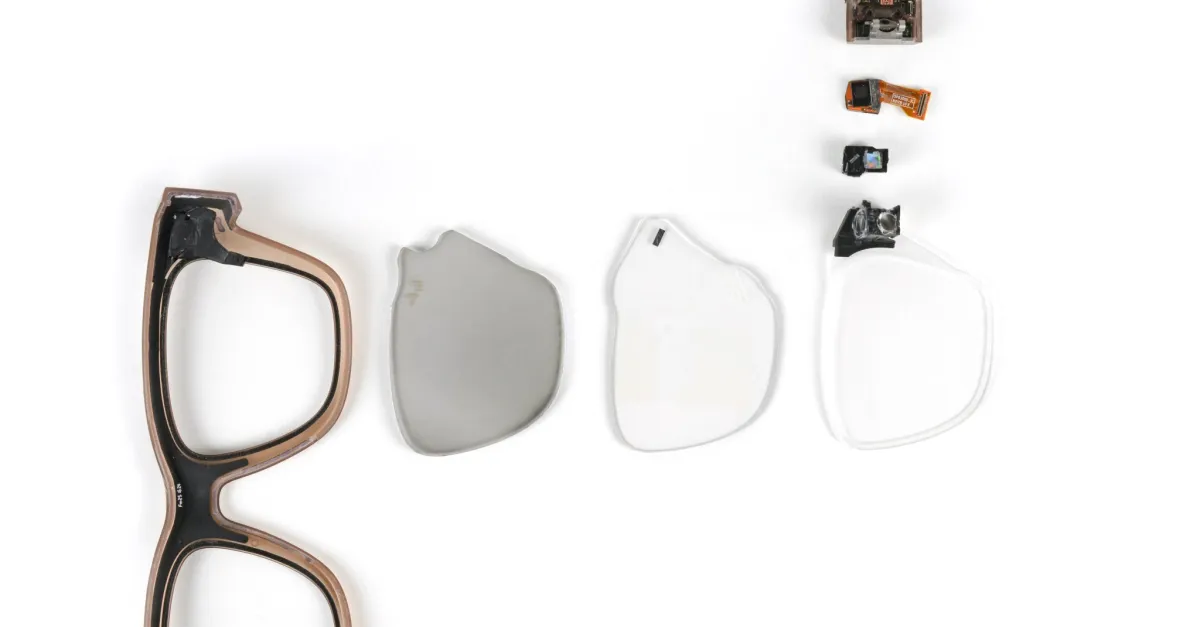
iFixit has analyzed Meta's Ray-Ban Display glasses, revealing that the key innovation lies in the advanced glass lenses using a reflective geometric waveguide system, which enhances privacy and display quality, though the glass is expensive and makes repairs difficult. The tech inside isn't as groundbreaking as the glassmaking itself.
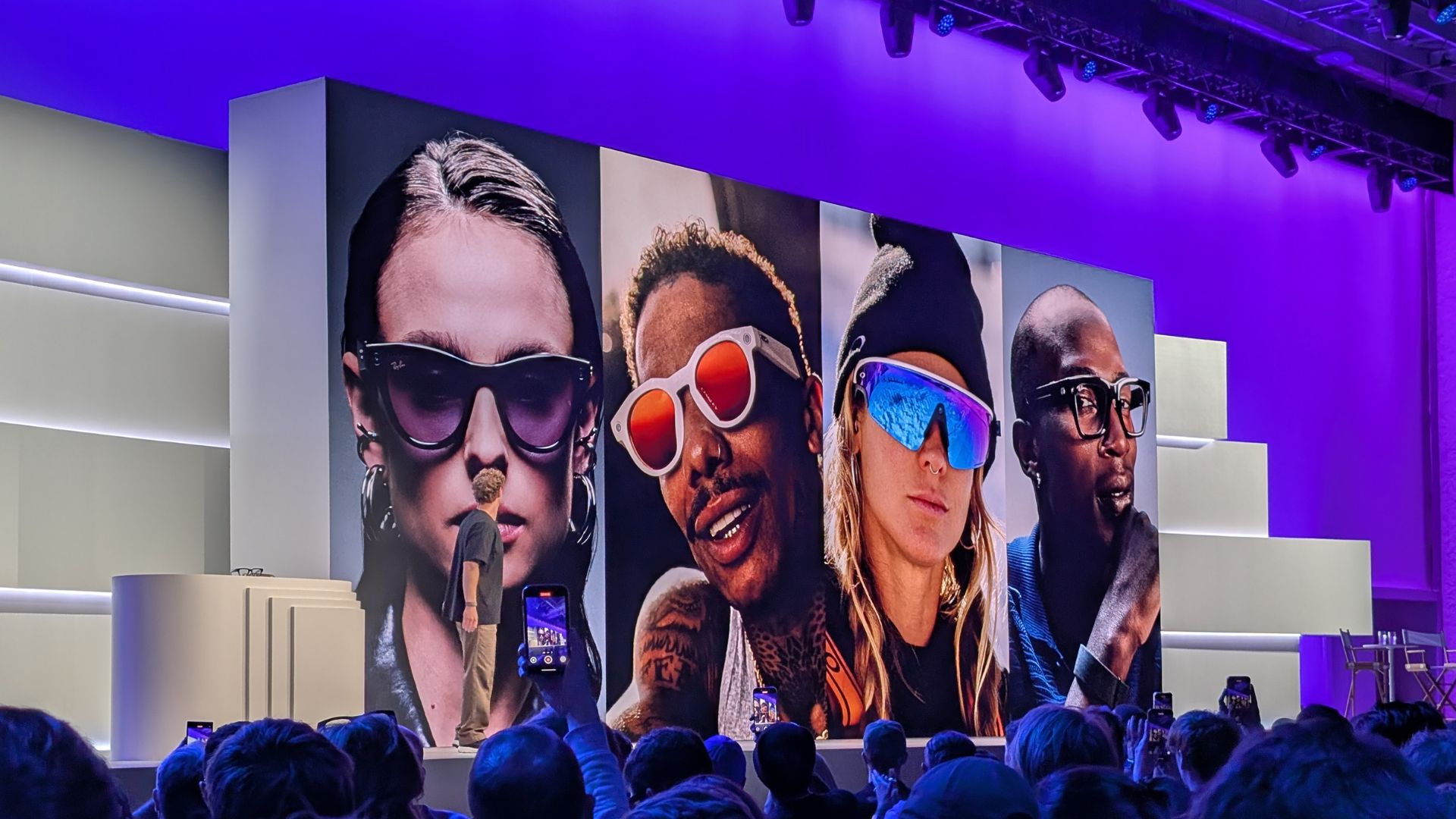
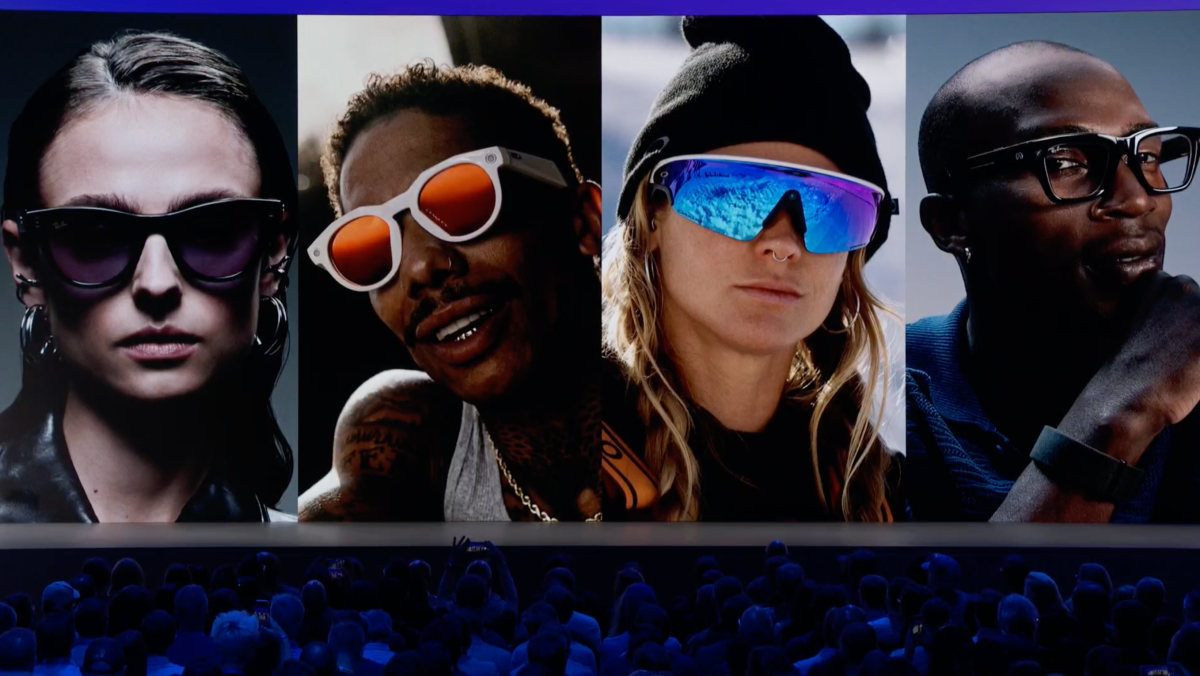
Meta has launched a new line of smart glasses, including the Ray-Ban Meta (Gen 2), Oakley Meta Vanguard, and the innovative Meta Ray-Ban Display, solidifying its lead in the AR glasses market with a strategic partnership, extensive user base, and a high price point that challenges competitors like Android XR, which faces delays and technical disadvantages. This positions Meta to dominate the market, raising concerns about long-term consumer impact and reduced competition.
Meta's CTO Andrew Bosworth discussed the Neural Band, a wrist-worn device that enhances the Ray-Ban Display glasses with gesture and motion sensing, potentially evolving into a versatile interface for various devices, including as a TV remote or fitness tracker. The technology could also aid accessibility and expand to support AI models and other applications in the future.
Meta is launching pop-up locations in major cities like Burlingame, Las Vegas, Los Angeles, and New York to offer demos of its new Ray-Ban Display smart glasses, which feature a display and gesture controls. Appointments are filling up quickly, and interested users can also find demos at select retailers such as Sunglass Hut and LensCrafters. The glasses are priced at around $800, and the experience aims to showcase Meta's latest AR technology.
During a live demonstration at Meta Connect, Meta CEO Mark Zuckerberg's showcase of the new Ray-Ban Display glasses failed spectacularly, highlighting the risks of live demos, with the glasses malfunctioning during a phone call and a cooking demo, raising concerns despite positive early reviews and a high price point.
Meta is developing advanced smart glasses, the Ray-Ban Display, with features like AI-assisted gesture control and voiceless texting, aiming to replace smartphones and enhance social presence, reflecting Zuckerberg's vision of a future where glasses could eclipse phones.
Meta Connect 2025 showcased new products including the second-generation Ray-Ban smart glasses, Oakley Vanguard glasses for athletes, and a generative AI platform called Horizon Studio, with a focus on AI integration and immersive virtual experiences. The event highlighted Meta's advancements in wearable tech, AI, and the metaverse, with product launches and demos, though some expected devices like the Asus ROG Tarius VR headset were not revealed.
Meta Connect 2025 showcased new products including the second-generation Ray-Ban smart glasses, Oakley Vanguard for athletes, and Horizon Studio for AI-driven world creation, along with previews of upcoming AI features and accessories like the Meta Neural Band and Meta TV, highlighting Meta's focus on augmented reality, AI, and immersive experiences.
Meta Connect 2025 unveiled new smartglasses including the second-gen Ray-Ban Meta glasses, Oakley Meta Vanguard sports glasses, and the $799 Meta Ray-Ban Display with video overlay, while also hinting at upcoming smart glasses with built-in displays codenamed 'Hypernova' and discussing AI and metaverse updates.
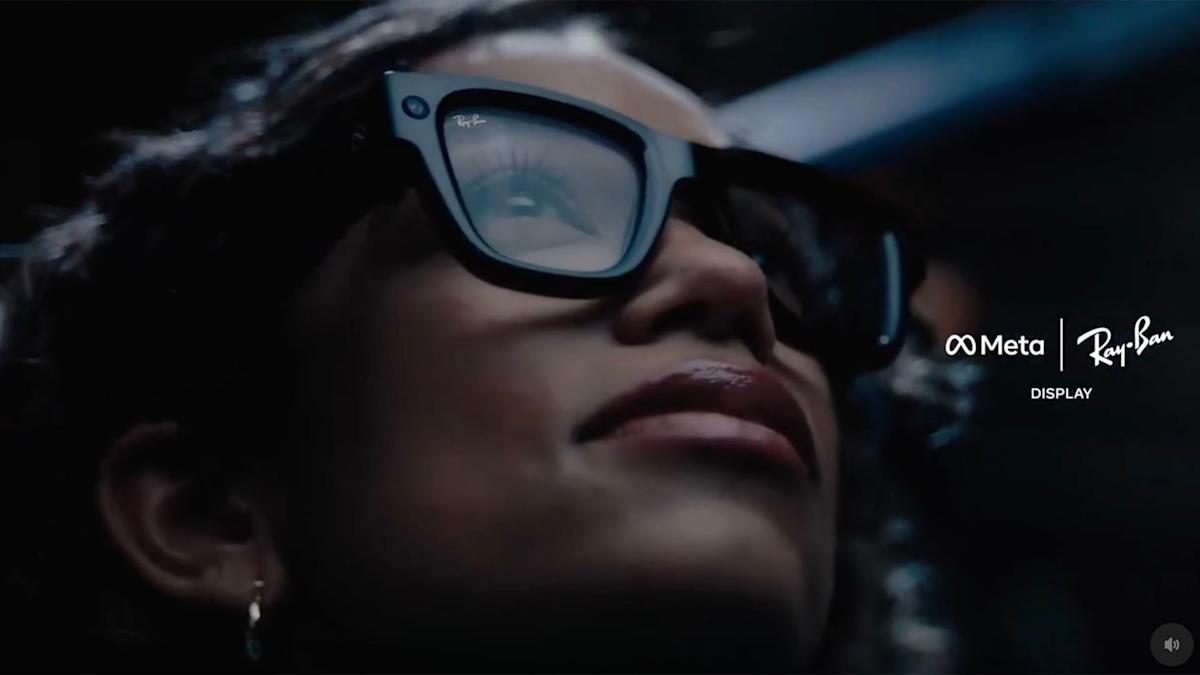
A leaked promotional video reveals Meta's upcoming Ray-Ban Display smart glasses and new Oakley sunglasses with a camera, ahead of their official unveiling at Connect, showcasing features like a small display for maps, chats, and other info, as well as a dedicated wristband, with the glasses targeting users like cyclists and athletes.