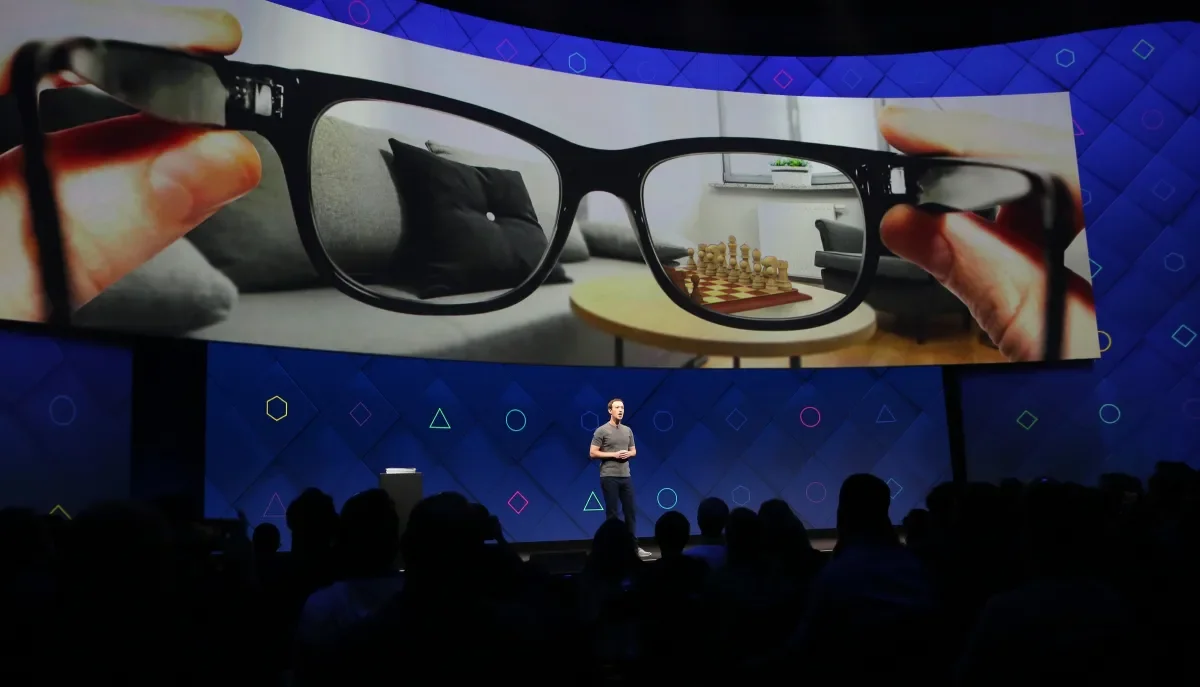
CES 2026 showcased a range of innovative smart glasses, with Xreal impressing most with AR gaming glasses featuring a 240 Hz refresh rate and real 3D conversion, alongside other notable products like TCL's HDR glasses, Lucyd's affordable audio glasses, and Even Realities' advanced heads-up display. The event highlighted the evolving landscape of wearable tech, emphasizing high-performance displays, affordability, and privacy-conscious designs.
CES 2026 showcased numerous innovative tech products, with some available for purchase or pre-order now, including an 85-inch TCL TV, Xreal AR glasses, a versatile docking station, gaming accessories, and smart home devices, highlighting the year's cutting-edge consumer electronics.
The article discusses the upcoming smart glasses of 2026, highlighting innovations like advanced AR, AI features, sleek designs, and ecosystem integration from brands like Android, Snapchat, Amazon, Apple, and Rokid, which aim to transform how we work, play, and connect.
Lenovo has unveiled concept AI glasses at CES 2026, featuring lightweight design, a monochrome binocular display, a 2MP camera, and various smart features like voice control, live translation, and device notifications, though the camera quality seems limited compared to competitors.
Razer unveiled a concept AI-powered wireless headset called Project Motoko at CES 2026, which functions like smart glasses with features such as object recognition, text translation, document scanning, and voice command recognition, but it is currently just a concept with no release date or price.
Viture has launched its new AR glasses, The Beast, at CES 2026, priced at $549. The glasses feature advanced 3 degrees of freedom support, a 58-degree field of view, and electrochromic tint with nine levels of adjustment, making them a competitive but pricey option in the smart glasses market.
Finnish company IXI is developing smart glasses with real-time autofocus capabilities using eye-tracking sensors and liquid crystal lenses, aiming to improve upon traditional bifocal and varifocal lenses by providing seamless, adjustable vision for both near and far distances, with plans for launch in Europe within a year.
CES 2026 showcases major innovations including next-gen AI platforms from Nvidia, advanced display tech from Samsung and LG, new smart devices like foldable phones, smart glasses, and household robots, along with improvements in gaming, health tech, and smart home products, highlighting the integration of AI and cutting-edge display technologies across consumer electronics.
The eSight Go is a pair of smart glasses designed for people with central vision loss, such as macular degeneration, allowing them to see better by zooming in and enhancing their peripheral vision. Priced at $4,950 and not widely covered by insurance, the device offers features like zoom, contrast adjustment, and freeze-frame, significantly improving users' ability to read and recognize faces. It has a four-hour battery life and includes access to a coaching service to help new users learn its features.
XGIMI, known for projectors, has launched its own line of AI-infused AR glasses called MemoMind, featuring two models: the flagship Memo One with dual displays and the lighter Memo Air. The glasses are designed to blend into daily life with various styles and prescription options, but use microLED technology, which may pose challenges for users with certain prescriptions. The Memo One is priced at $599 and will be available for pre-order soon.
Xgimi has launched a new smart glasses brand called Memomind, unveiling three models at CES 2026, including the feature-rich Memo One and the more traditional-looking Memo Air Display, with a third model in development. These glasses utilize hybrid-LLM AI for functions like translation and note-taking, and are priced starting at $599, with pre-orders opening after CES.
TCL has introduced the RayNeo Air 4 Pro smart glasses with HDR 10 micro-OLED panels, offering vivid visuals at a lower price point, and is exploring standalone AR glasses with onboard eSIM for cellular connectivity, signaling advancements in wearable display technology.
The article discusses the current state and future potential of AR smart glasses, highlighting different designs from Xreal and Halliday, and featuring expert opinions suggesting that immersive AI glasses could replace smartphones within five years, though widespread adoption and compelling use-cases are still evolving.
CES 2026 is set to showcase innovative products including advanced display tech from Samsung, new smart glasses from RayNeo, a versatile E Ink tablet from TCL, and AI-powered smart decor, with a focus on AI integration, high-resolution displays, and smart home enhancements. Previews include 6K 3D monitors, smartwatches, and novel accessories, promising a dynamic and tech-forward event.
In 2025, both Apple and Meta faced significant challenges in the VR headset market, with Apple shipping only 45,000 Vision Pro units and Meta experiencing a 16% decline in Quest shipments, amid a broader market downturn and reduced advertising. Despite the slump in consumer VR, the market for smart glasses is booming, with IDC projecting a 211.2% growth in 2025, and Apple and Meta exploring enterprise and educational applications for their devices. The market is expected to recover somewhat in 2026, especially for Apple with plans for a lower-cost headset targeting enterprise use.