Tag

Water Usage

All articles tagged with #water usage

AI Data Centers' Environmental Impact: Water and Carbon Footprint Concerns

Originally Published 23 days ago — by Euronews.com

Featured image for AI Data Centers' Environmental Impact: Water and Carbon Footprint Concerns
Source: Euronews.com

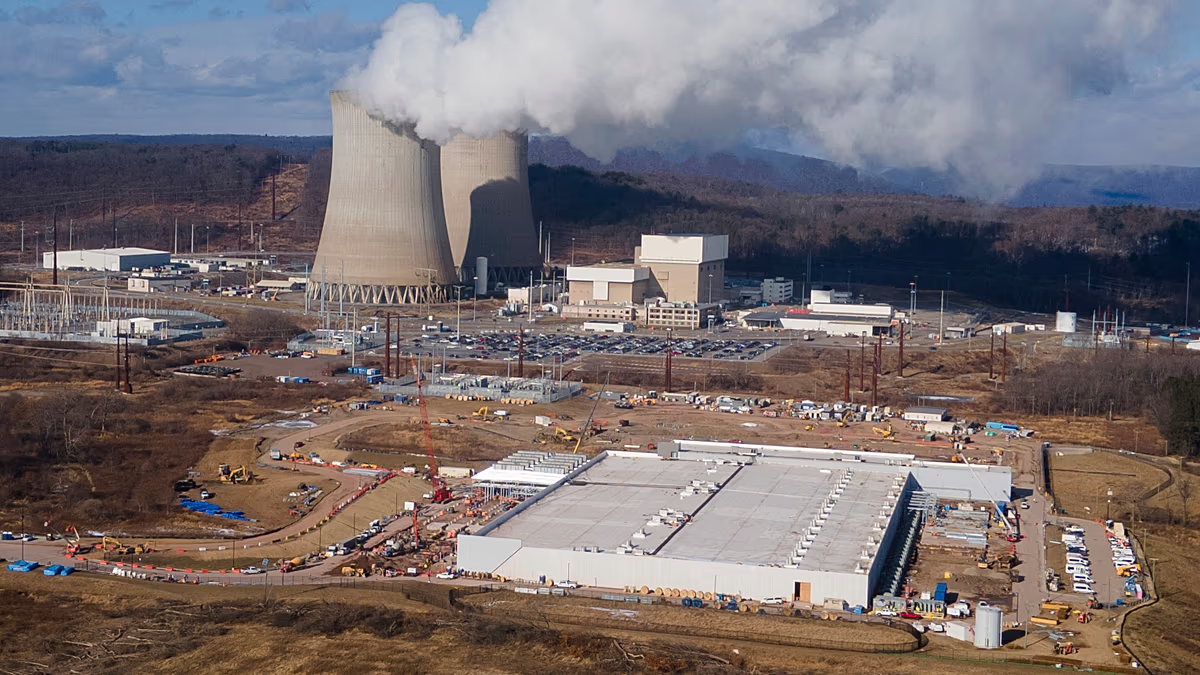
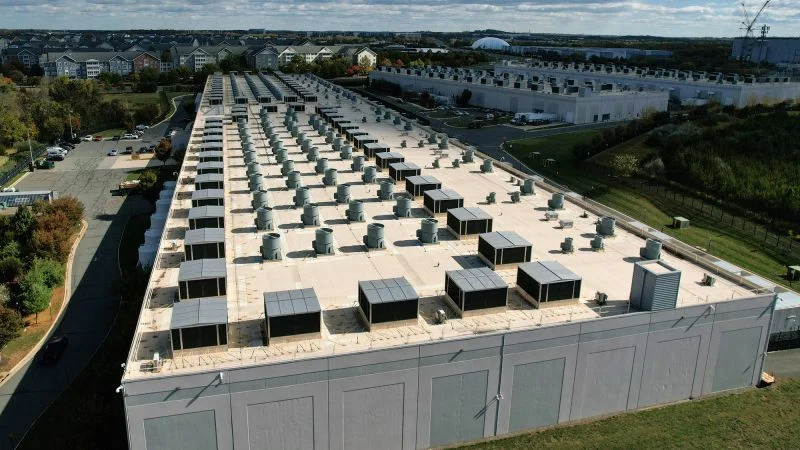
A new study warns that AI data centers could produce as much CO2 as New York City and consume water equivalent to the global bottled water industry by 2025, highlighting concerns over environmental impact and the lack of transparency from tech companies regarding AI-specific sustainability metrics. Europe’s cleaner energy grid offers a smaller carbon footprint for data centers there, but overall, the rapid growth of AI emphasizes the need for better environmental disclosures and policies.

Controversy and Community Concerns Surround New Mexico Data Center Projects

Originally Published 4 months ago — by El Paso Matters

Featured image for Controversy and Community Concerns Surround New Mexico Data Center Projects
Source: El Paso Matters

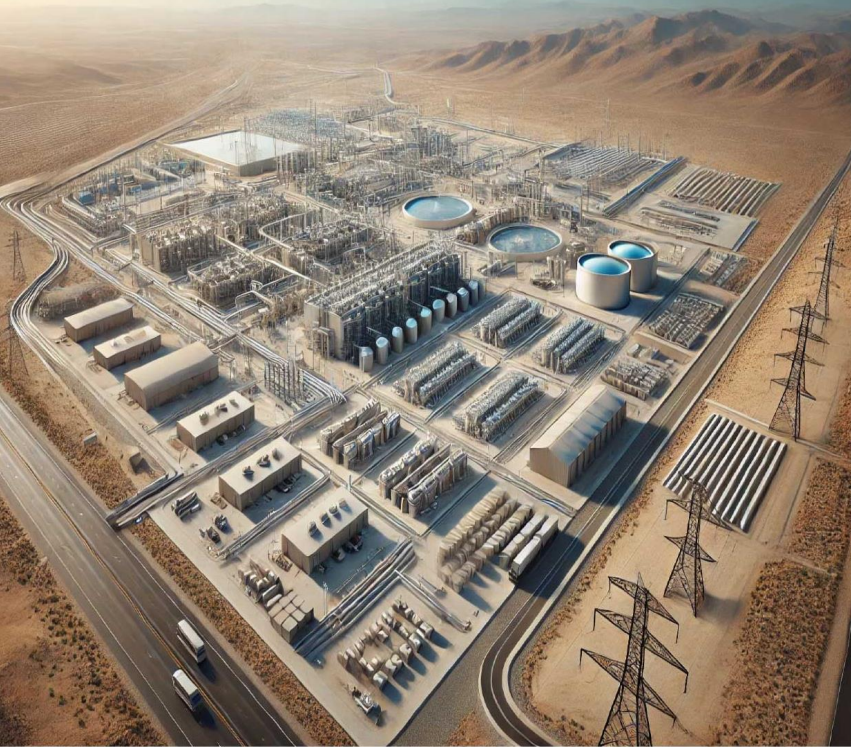
Developers of the proposed $165 billion Project Jupiter data center in Santa Teresa, New Mexico, revealed it would use about 7.2 million gallons of water annually, comparable to local industrial operations, raising concerns among residents about water scarcity and infrastructure. The project features a closed-loop cooling system and is part of a larger debate over resource use, community trust, and economic benefits, with a final decision by Doña Ana County commissioners upcoming.

Uncovering the Hidden Water and Energy Costs of AI

Originally Published 4 months ago — by The Conversation

Featured image for Uncovering the Hidden Water and Energy Costs of AI
Source: The Conversation

AI systems consume significant water primarily for cooling data centers and generating electricity, with usage varying based on location, technology, and efficiency measures. While current water use by AI is small compared to everyday activities like lawn watering, understanding and optimizing its water footprint is crucial for sustainable growth and informed decision-making.

Google Addresses the Environmental Impact of AI Prompts

Originally Published 4 months ago — by The Verge

Featured image for Google Addresses the Environmental Impact of AI Prompts
Source: The Verge

Google claims its Gemini AI prompts use only a minimal amount of water and energy, but experts criticize these estimates as misleading because they omit indirect water and energy consumption, and use potentially skewed metrics, thus providing an incomplete picture of AI's environmental impact.

Ukraine's Drone Attacks and Regional Security Developments

Originally Published 4 months ago — by BBC

Featured image for Ukraine's Drone Attacks and Regional Security Developments
Source: BBC

The UK faces a significant water shortage amid heatwaves, with suggestions to delete emails to save water. However, experts indicate that individual email deletion has minimal impact compared to the water used by data centres for cooling and electricity, which are major contributors to water consumption and global resource pressure.

"Colorado River's Agricultural Water Usage Exposed in New Study"

Originally Published 1 year ago — by NPR

Featured image for "Colorado River's Agricultural Water Usage Exposed in New Study"
Source: NPR

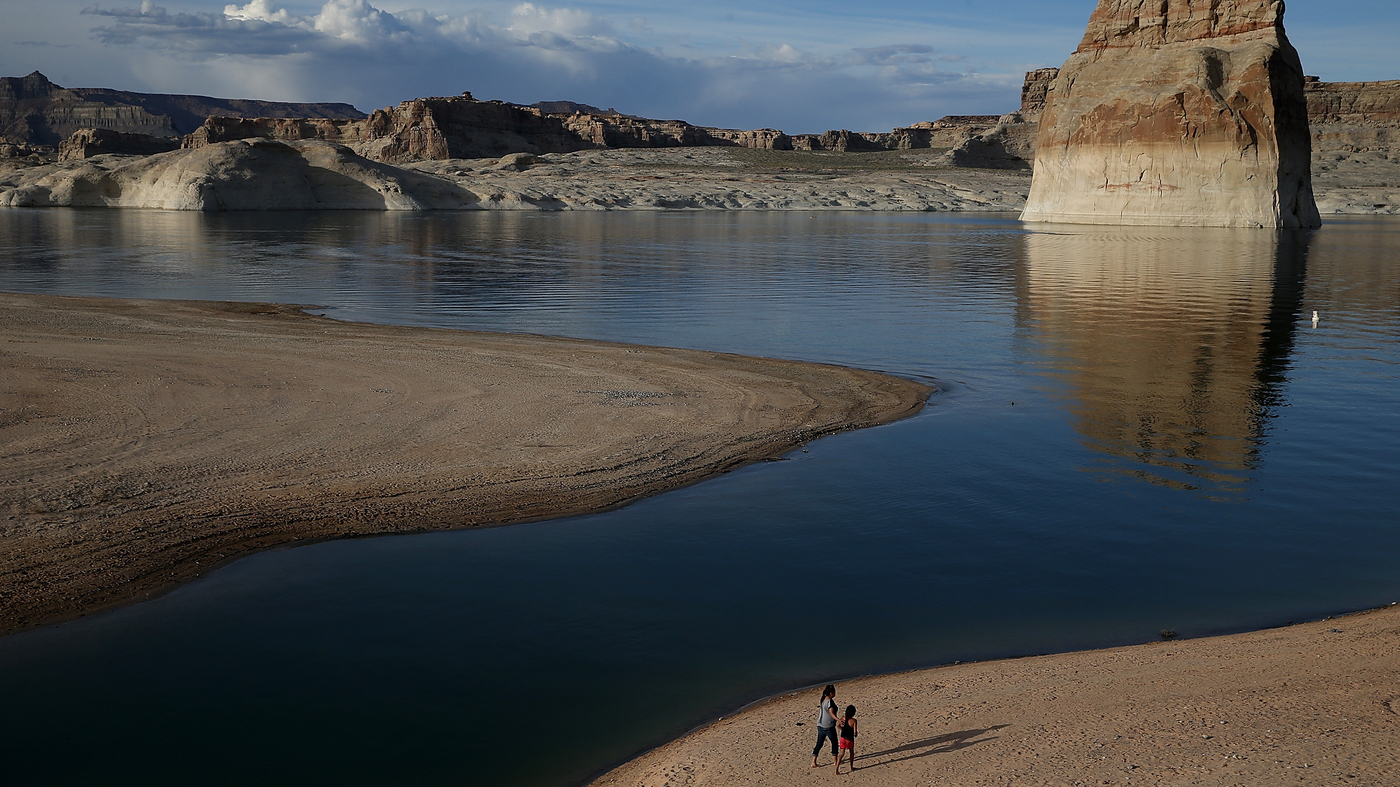
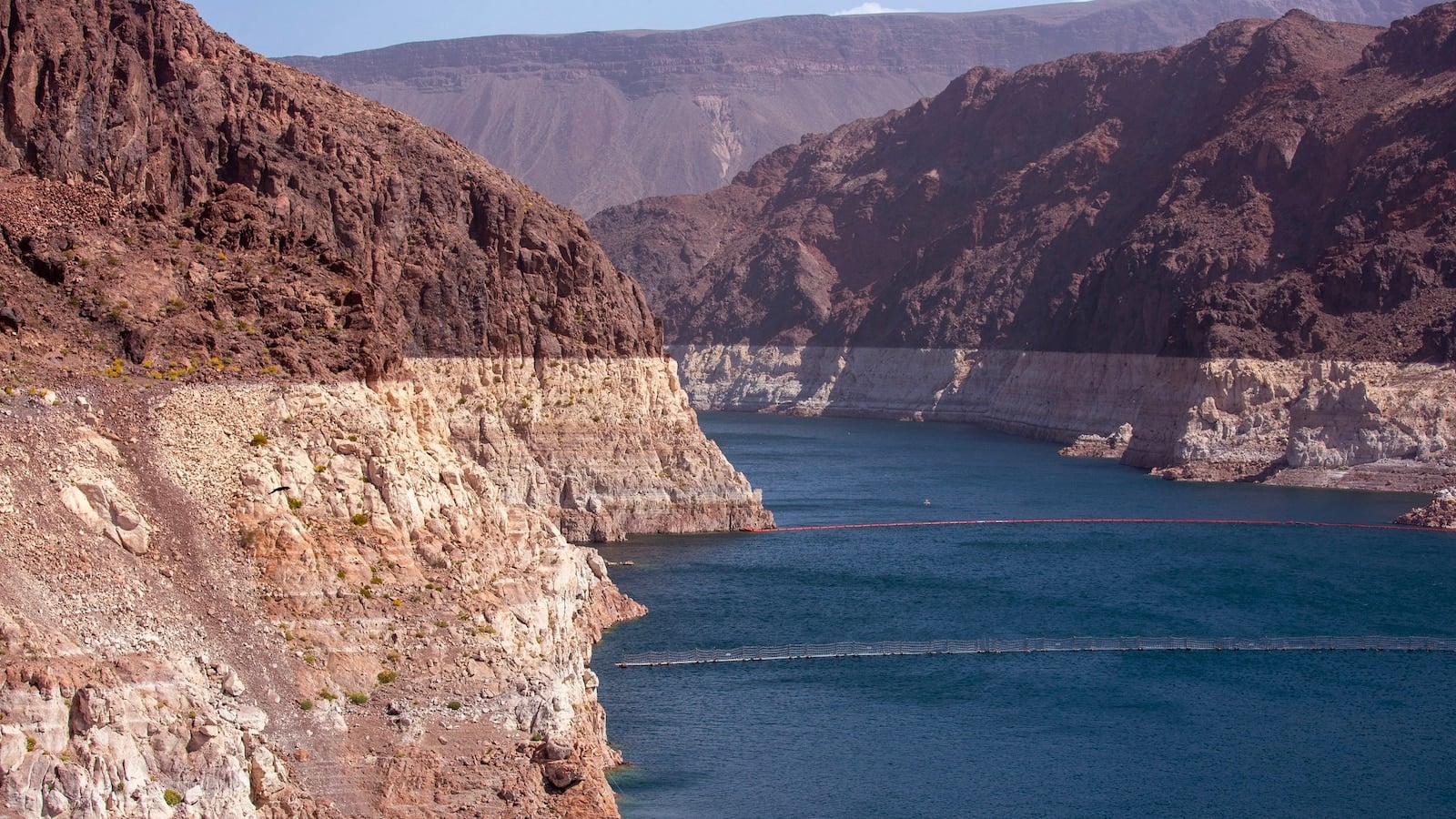
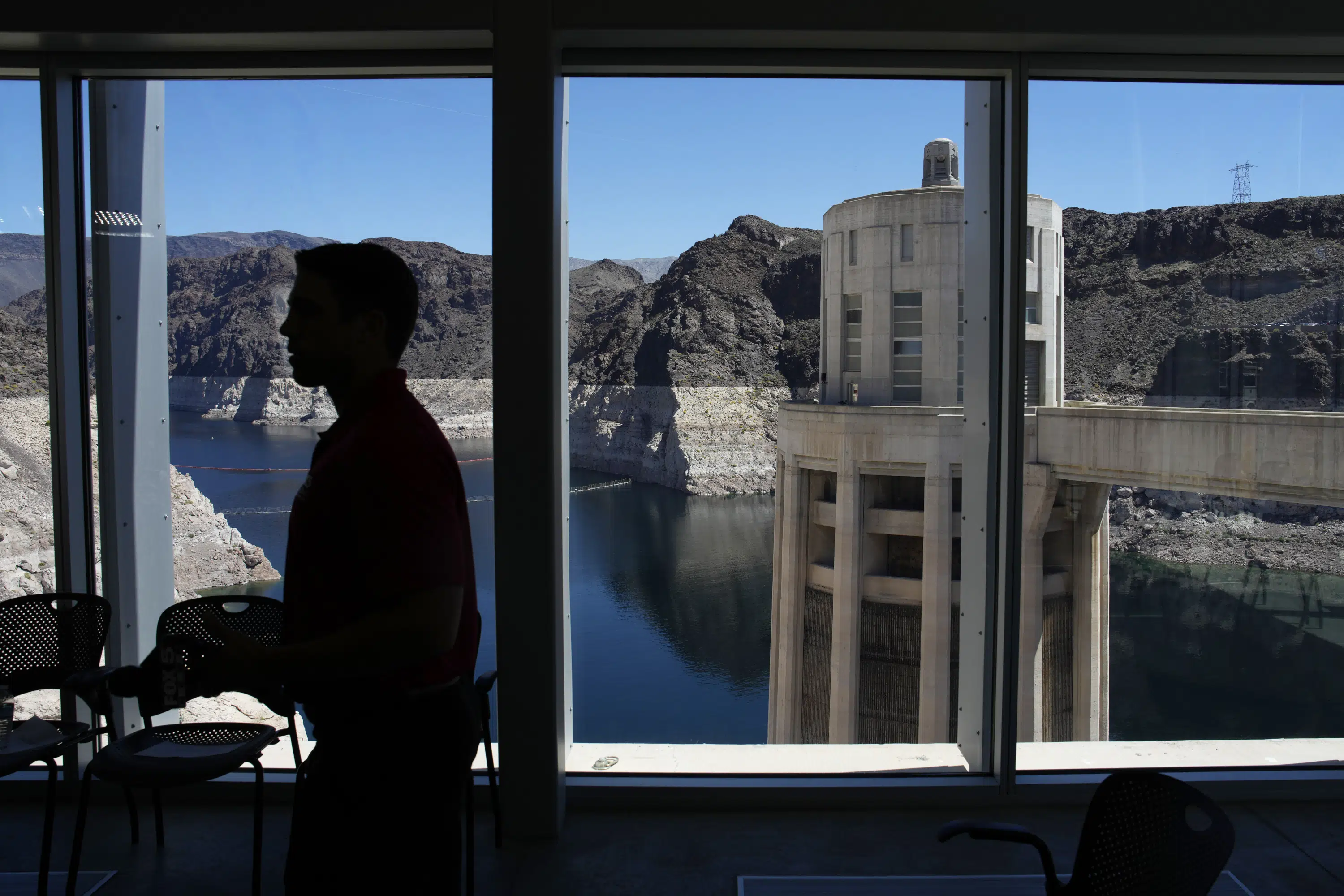
The Colorado River, once a mighty force flowing from the Rocky Mountains to the Gulf of California, now barely reaches the sea due to extensive human consumption and the effects of a two-decade megadrought. A new study reveals that 19% of the river's water is used by the natural environment, while the rest is primarily consumed by agriculture, particularly for livestock feed. With water overallocation and climate change exacerbating the situation, negotiations are underway to address the diminishing resource, and efforts such as water conservation projects and agreements to cut back water use are being pursued to mitigate the crisis.

"Unveiling Colorado River's Water Usage: A Comprehensive Study"

Originally Published 1 year ago — by ABC News

Featured image for "Unveiling Colorado River's Water Usage: A Comprehensive Study"
Source: ABC News

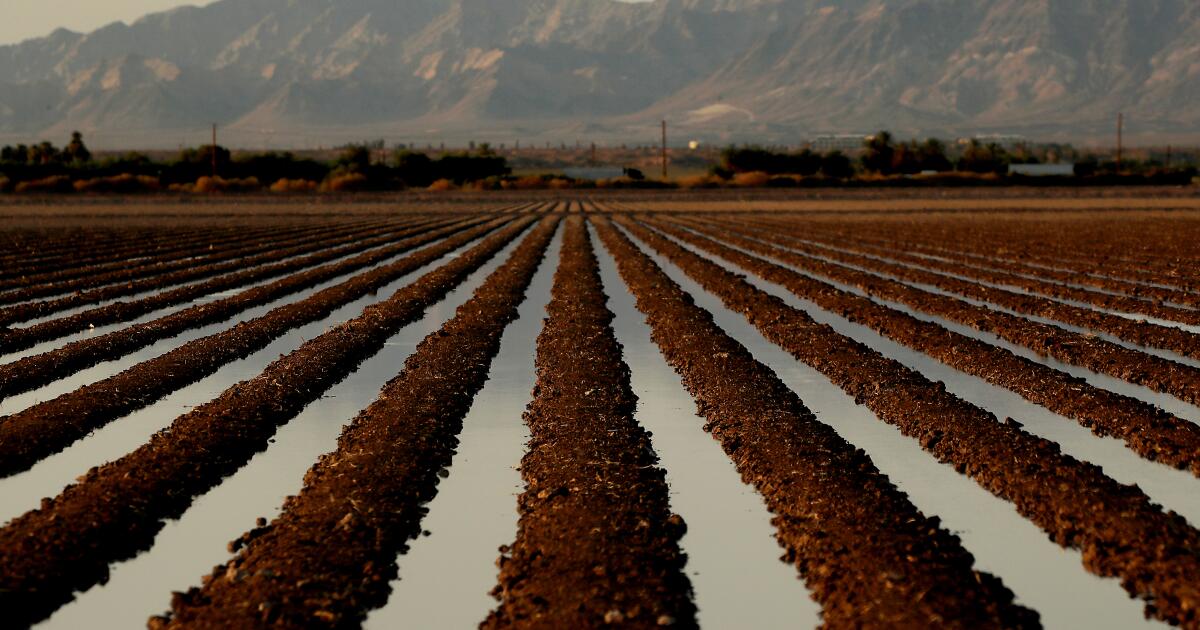
A report published in Communications Earth & Environment reveals that over half of the Colorado River's water flow is used for agricultural irrigation, with alfalfa and grass hay for cattle feed accounting for a third of the usage. The study aims to aid negotiations for conserving water allocated from the river, as legal agreements are set to expire in 2026. With the river's volume decreasing and reservoirs dropping, there is a pressing need for reduced water consumption and leaving more water to support ecosystems. Farmers are facing pressure to adapt to a future with less water, as they may need to reduce their water use by 20%.

"Colorado River's Water Allocation: Unveiling the Dominance of Agricultural Use"

Originally Published 1 year ago — by Los Angeles Times

Featured image for "Colorado River's Water Allocation: Unveiling the Dominance of Agricultural Use"
Source: Los Angeles Times

A new study reveals that hay grown for cattle feed consumes 46% of the water diverted from the Colorado River, with agriculture accounting for 74% of the river's water usage. As chronic water shortages persist, researchers emphasize the need to reduce water consumption, particularly in agriculture, and suggest shifting to less water-intensive crops. With the river's flow declining due to climate change, efforts to cut water use and negotiate long-term solutions are underway, including federal funding to support water-saving initiatives.

Catalonia's Water Crisis: Emergency Measures and Record Spending

Originally Published 1 year ago — by DW (English)

Featured image for Catalonia's Water Crisis: Emergency Measures and Record Spending
Source: DW (English)

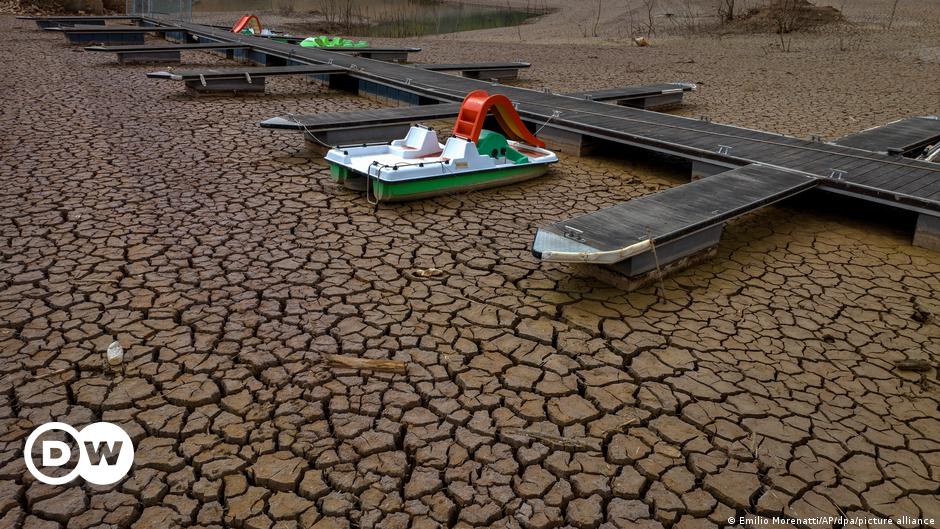
Catalonia in northeastern Spain has declared a drought emergency as reservoirs in the region have fallen below 16% of capacity, affecting around 6 million people. Emergency measures include a ban on washing cars and filling up swimming pools, and a 5% reduction in domestic water usage. The region is experiencing its worst drought in a century, with some small communities already facing drinking water shortages. Officials are considering bringing in water by ship to Barcelona, and residents are urged to be more conscious of the impact of climate change on water resources.

"Fracking's Thirst: American Groundwater Depleted by Oil and Gas Extraction"

Originally Published 2 years ago — by The New York Times

Featured image for "Fracking's Thirst: American Groundwater Depleted by Oil and Gas Extraction"
Source: The New York Times

The oil and gas industry's increasing demand for water, particularly for fracking, is exacerbating the depletion of America's endangered aquifers, which are already being drained by industrial farming and cities. The amount of water consumed by fracking wells has surged to record levels, with operators using about 1.5 trillion gallons of water since 2011, much of it from aquifers. Mega fracking projects, known as "monster fracks," have become the industry norm, accounting for almost two-thirds of fracking wells in Texas. The problem is particularly acute in Texas, where groundwater supply is expected to drop by one-third by 2070. Critics argue that it is ironic to divert so much water for fossil fuel production, given that burning fossil fuels contributes to climate change and strains freshwater resources.

The Implications of Colorado River Cuts on Water Supplies and Drought Crisis.

Originally Published 2 years ago — by NBC News

Featured image for The Implications of Colorado River Cuts on Water Supplies and Drought Crisis.
Source: NBC News

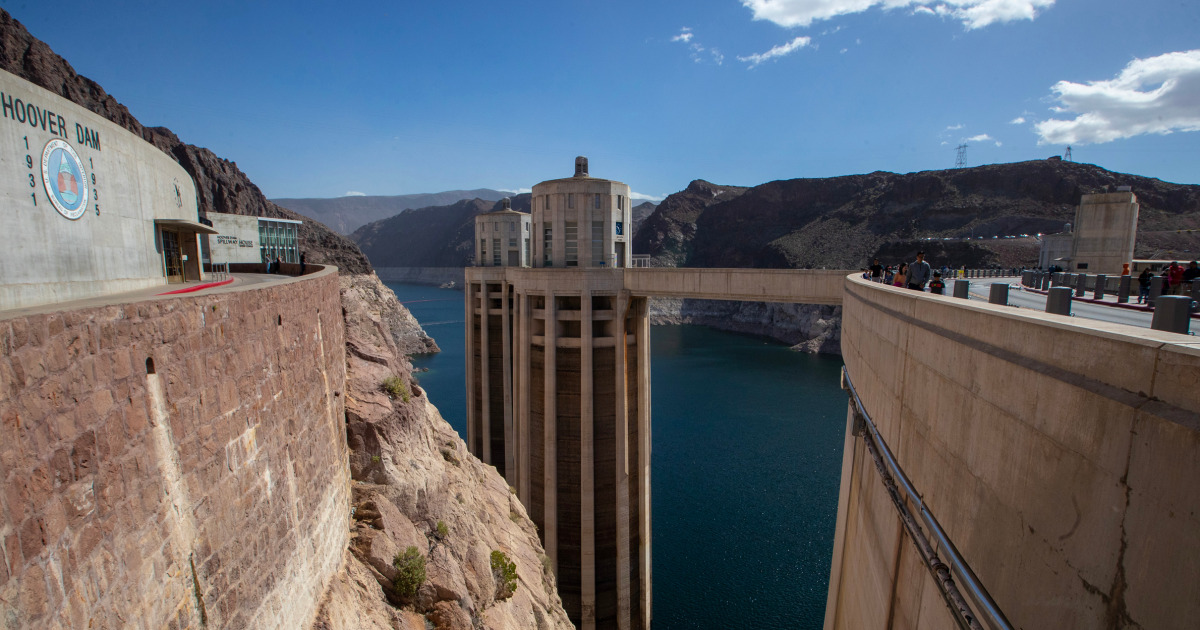
The Biden administration has proposed two ways to reduce water usage from the Colorado River, which supplies 40 million people across seven US states and dozens of Native American tribes. The river irrigates nearly 5.5 million acres of farmland in the US and Mexico and generates hydroelectric power used across the West. The proposals consider using the existing water priority system or the same percentage across the board to force cuts in the water supply for Arizona, Nevada and California. Federal officials are expected to announce a formal decision this summer, and if states and tribes don’t reach consensus, that deadline could be delayed.

The Impending Colorado River Water Crisis: What You Need to Know.

Originally Published 2 years ago — by The Associated Press

Featured image for The Impending Colorado River Water Crisis: What You Need to Know.
Source: The Associated Press

The Biden administration has proposed two ways to reduce water usage from the Colorado River, which supplies water to seven US states, dozens of Native American tribes, and two states in Mexico. The river irrigates nearly 5.5 million acres of farmland in the US and Mexico and generates hydroelectric power used across the West. The proposals consider using the existing water priority system or the same percentage across the board to force cuts in the water supply for Arizona, Nevada, and California. Federal officials are expected to announce a formal decision this summer.

California's Heavy Rains Bring New Concerns for Health and Agriculture

Originally Published 2 years ago — by The San Francisco Standard

Featured image for California's Heavy Rains Bring New Concerns for Health and Agriculture
Source: The San Francisco Standard

Heavy rains in California have disrupted the almond pollination cycle, potentially affecting the upcoming harvest and causing prices to rise. While almonds are not the thirstiest crop per acre, they have been criticized for their high water usage in drought-prone California. The state is the world's largest producer of almonds, contributing 80% of the global supply in 2020. Recent storms have incentivized farmers to increase water efficiency practices, but the extreme weather events may require a new climate normal for the state's agricultural industry.