
China advances EUV technology amid US export controls and industry rivalry
China is increasing its AI chip production capacity by upgrading its older ASML lithography machines, aiming to boost semiconductor manufacturing capabilities.

All articles tagged with #semiconductor manufacturing
China is increasing its AI chip production capacity by upgrading its older ASML lithography machines, aiming to boost semiconductor manufacturing capabilities.
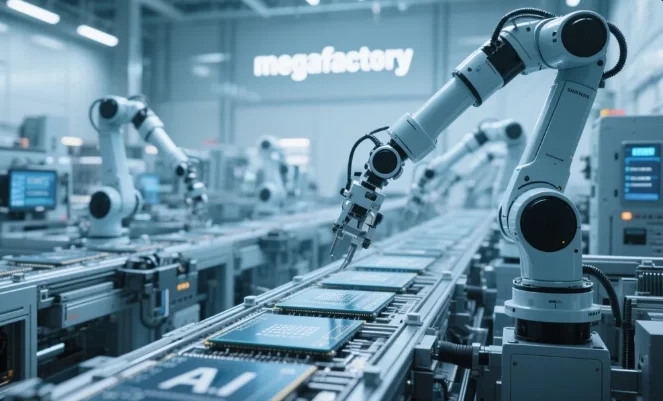
Samsung is partnering with Nvidia to build an AI-enabled semiconductor manufacturing plant that will embed AI throughout its operations, using digital twins and advanced robotics to boost efficiency, quality, and innovation in chip production and beyond.
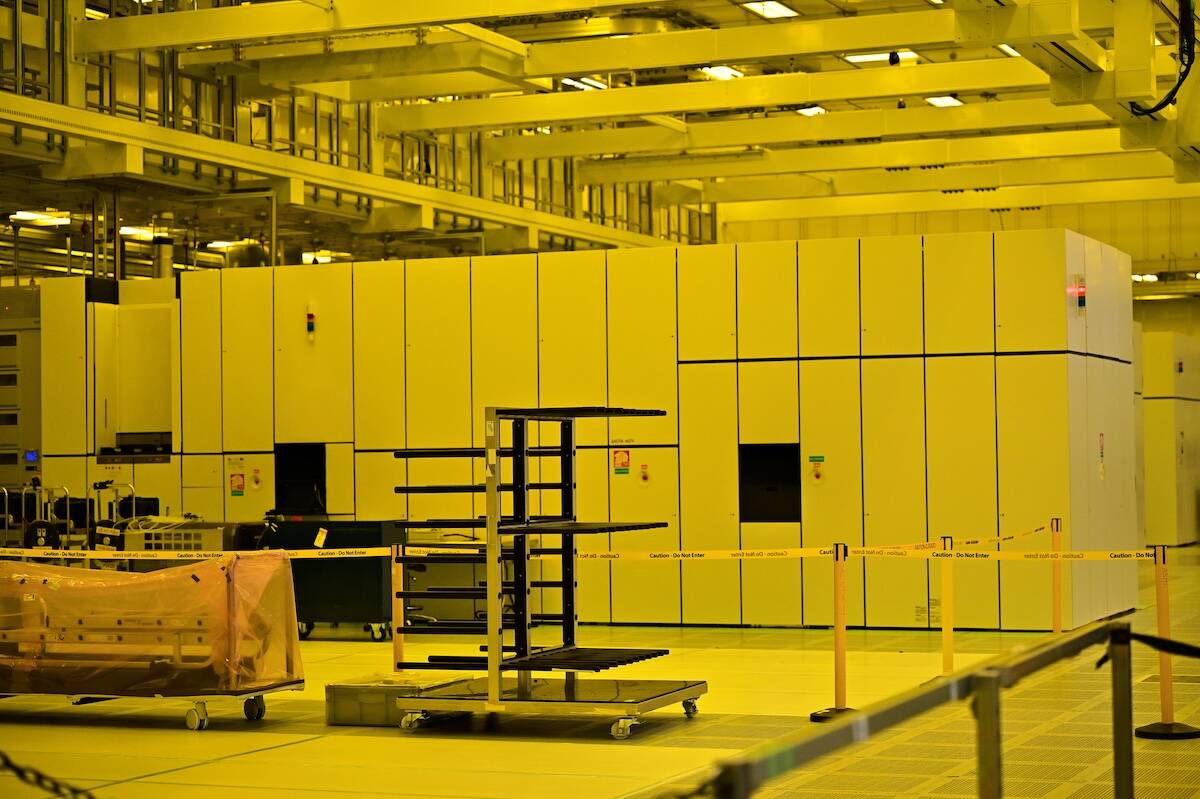
Intel has begun mass production at its new Fab52 facility in Arizona, utilizing its advanced 18A process node, which features innovative gate-all-around transistors and backside power delivery, aiming to regain technological leadership and boost its foundry business amidst industry competition.

Intel announced details of its upcoming Panther Lake processor, the first chip on its new 18A manufacturing process, targeting high-end AI laptops, with performance 50% faster than previous chips, marking a significant step in its manufacturing revival and competitive strategy.
Intel's stock rose 7% following reports that the US government is considering taking a stake in the company to support domestic semiconductor manufacturing, particularly its Ohio factory, amid ongoing industry challenges and national security concerns.
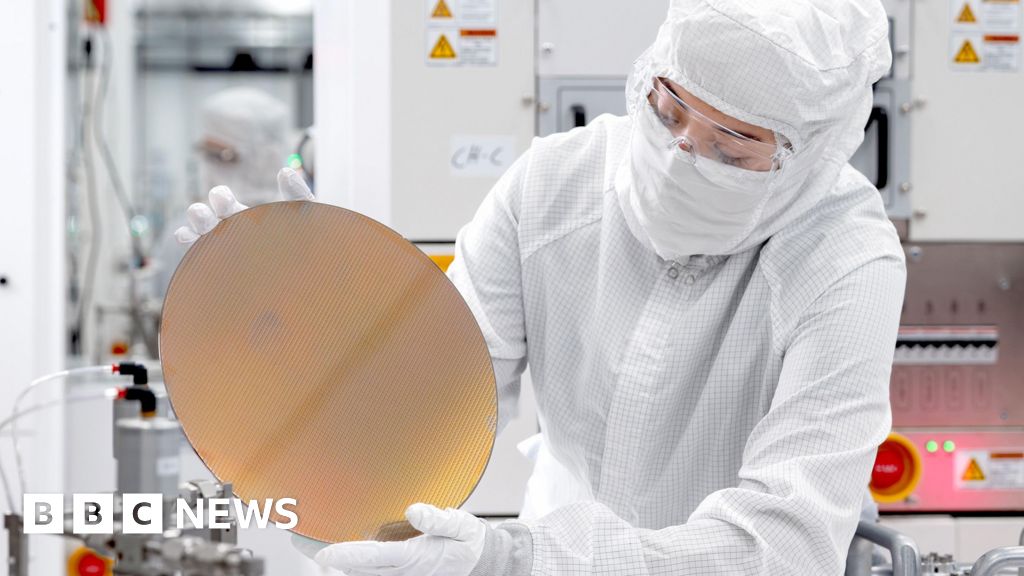
Texas Instruments announced a historic $60 billion investment in US semiconductor manufacturing, including building or expanding seven facilities in Texas and Utah, creating 60,000 jobs, as part of a broader effort encouraged by the US government to boost domestic chip production amidst geopolitical and economic pressures.
Micron and the Trump Administration announced a $200 billion plan to expand U.S. semiconductor manufacturing and R&D, including building new fabs in Idaho and New York, modernizing Virginia facilities, and advancing high bandwidth memory capabilities to meet AI-driven demand, creating approximately 90,000 jobs and reinforcing America's leadership in memory technology.

Micron Technology has secured $4.6 billion in federal grants to build a semiconductor manufacturing plant in Clay, New York. The project involves significant environmental changes, including the destruction of over 200 acres of wetlands and filling in more than a mile of stream banks. Before construction begins in November 2025, Micron must obtain numerous permits and approvals from local and federal agencies.

Micron has secured up to $6.1 billion in federal funding through the CHIPS & Science Law to build a complex of memory chip plants in Central New York, marking one of the largest federal investments in the region's history. The project, which aims to create thousands of jobs, is set to begin groundbreaking in November 2025. This funding is part of a broader initiative to bolster U.S. semiconductor manufacturing, with additional agreements in place for expansions in Idaho and Virginia. The investment underscores Central New York's growing role in the semiconductor industry.
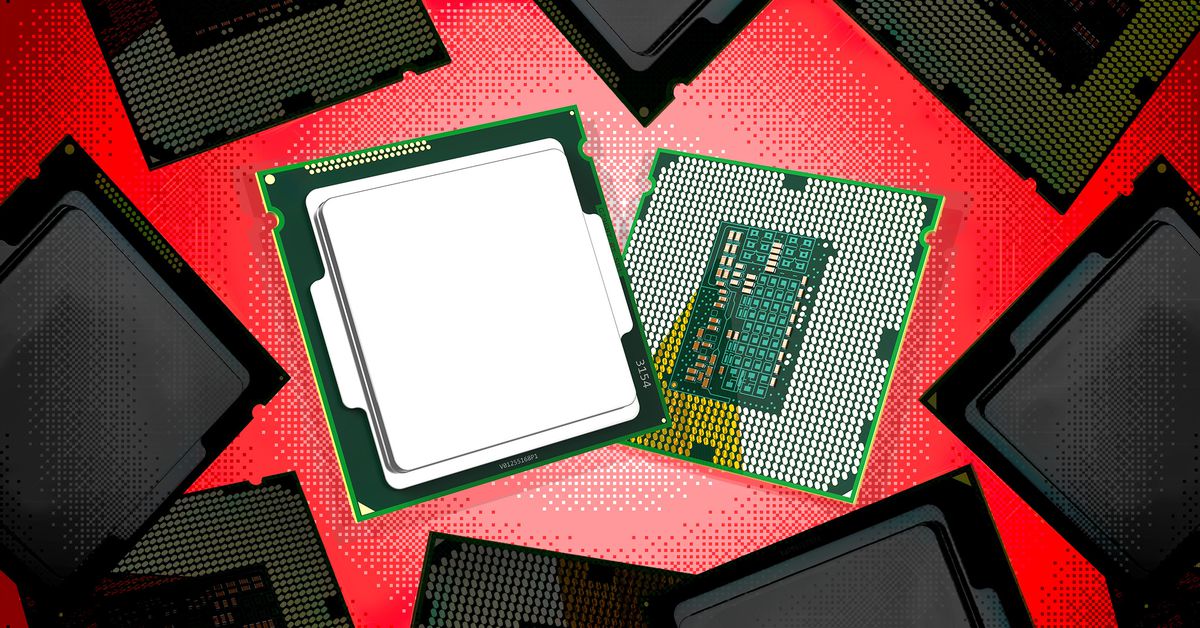
The US Commerce Department has awarded Micron Technology up to $6.165 billion in funding from the CHIPS Act to support semiconductor manufacturing projects in the US, including facilities in Idaho and Syracuse, New York, expected to create around 20,000 jobs. Additionally, a non-binding agreement proposes $275 million for expanding Micron's Virginia facility. This funding is part of Micron's commitment to invest $50 billion by the end of the decade.

The U.S. Department of Commerce has awarded Intel $7.865 billion under the CHIPS and Science Act to boost domestic semiconductor manufacturing, focusing on projects in Arizona, New Mexico, Ohio, and Oregon. This funding supports Intel's transition to a foundry model and its $100 billion domestic investment plan, despite recent financial challenges and workforce reductions. The initiative aligns with the Biden Administration's goal to reduce reliance on foreign chip production and strengthen U.S. economic and national security.

The Biden administration has secured a $6.6 billion grant for Taiwan Semiconductor Manufacturing Co.'s Arizona subsidiary to build three chip factories in Phoenix, with the first opening next year. This investment, part of the 2022 Chips and Science Act, aims to boost U.S. semiconductor manufacturing, create jobs, and enhance national security. TSMC will also receive $5 billion in low-cost loans, while the grant is expected to trigger $65 billion in private investment. The initiative faces potential challenges under the incoming Trump administration, which has criticized chip subsidies.

Intel aims to reclaim its leadership in the chipmaking industry by focusing on AI chips and leveraging U.S. factories, as stated by CEO Pat Gelsinger at the Computex tech conference. The company plans to boost its foundry business, which has been struggling with significant losses, and catch up with rivals like Nvidia and AMD. Intel is also set to benefit from substantial funding through the CHIPS and Science Act to enhance its semiconductor manufacturing and R&D. Despite geopolitical tensions, China remains a crucial market for Intel.
Micron Technology is reportedly set to receive over $6 billion in grants from the US Commerce Department to support domestic chip factory projects, with an official announcement expected soon. This funding, part of President Joe Biden's CHIPS and Science Act, aims to secure 50,000 jobs, a $100 billion investment, and enhance domestic semiconductor production. The initiative comes amidst efforts to reduce reliance on foreign manufacturing and bolster the US's share in global semiconductor production.
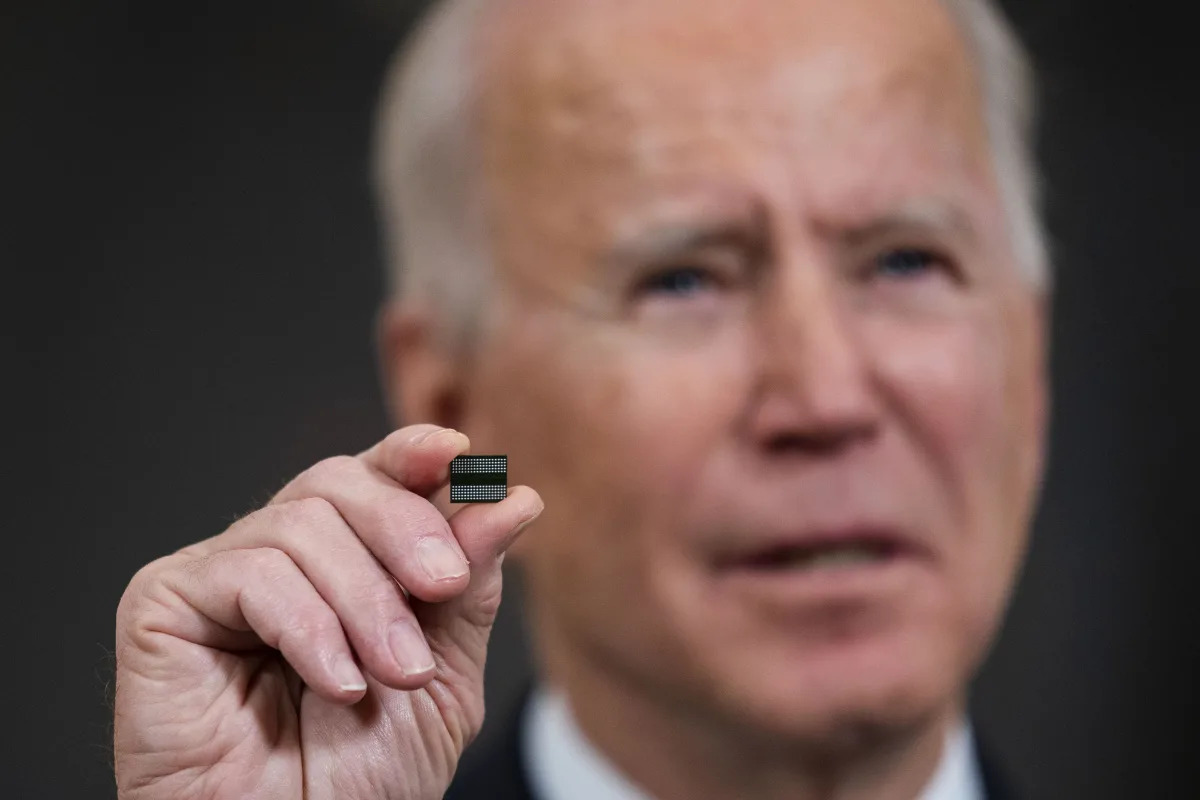
The Biden administration has allocated up to $6.4 billion to Samsung for chipmaking, marking a shift towards focusing on memory chips and other crucial areas in semiconductor manufacturing. This follows previous awards to companies like TSMC and Intel, with roughly $23 billion of the $39 billion set aside already allotted. The remaining funds are expected to support various aspects of the semiconductor industry, including leading edge memory chips and the semiconductor supply chain, as the administration aims to increase US production of advanced logic chips to 20% by the end of the decade.