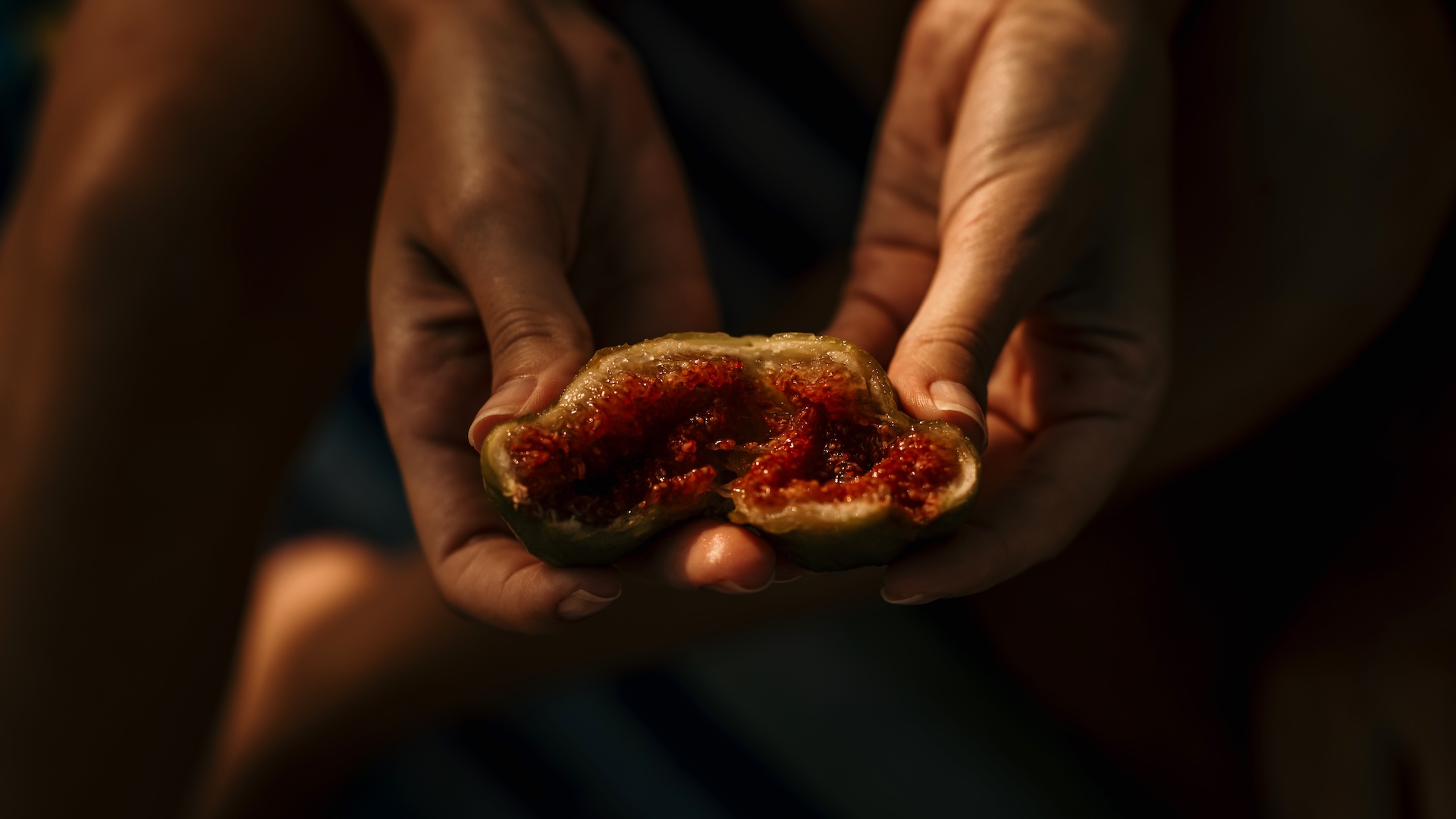
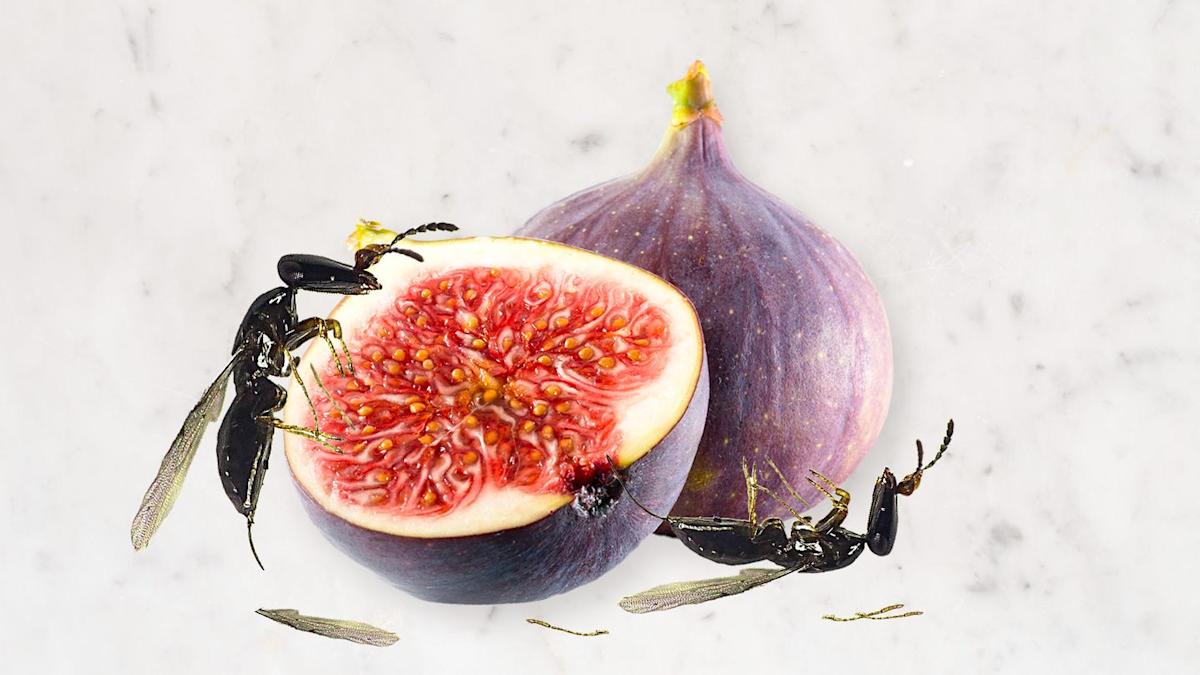
Most supermarket figs are bug-free and do not contain wasps, as many fig varieties can ripen without pollination by wasps, though some wild and certain cultivated figs rely on wasps for pollination, which is part of a complex mutualistic relationship essential for the reproduction of specific fig species.
The article discusses Queen Camilla's recent struggles with wasps at her home and her emotional reaction to King Charles' health issues, highlighting her ongoing challenges and personal experiences.
Four radioactive wasp nests have been found at the Savannah River Site in South Carolina, raising concerns about potential undetected environmental contamination at the historic nuclear facility, which played a role in Cold War nuclear weapons production.
Most commercially available figs are self-pollinating and do not contain dead wasps, addressing common concerns about whether figs are vegan due to their natural pollination process involving wasps, which typically digest inside the fruit before sale.
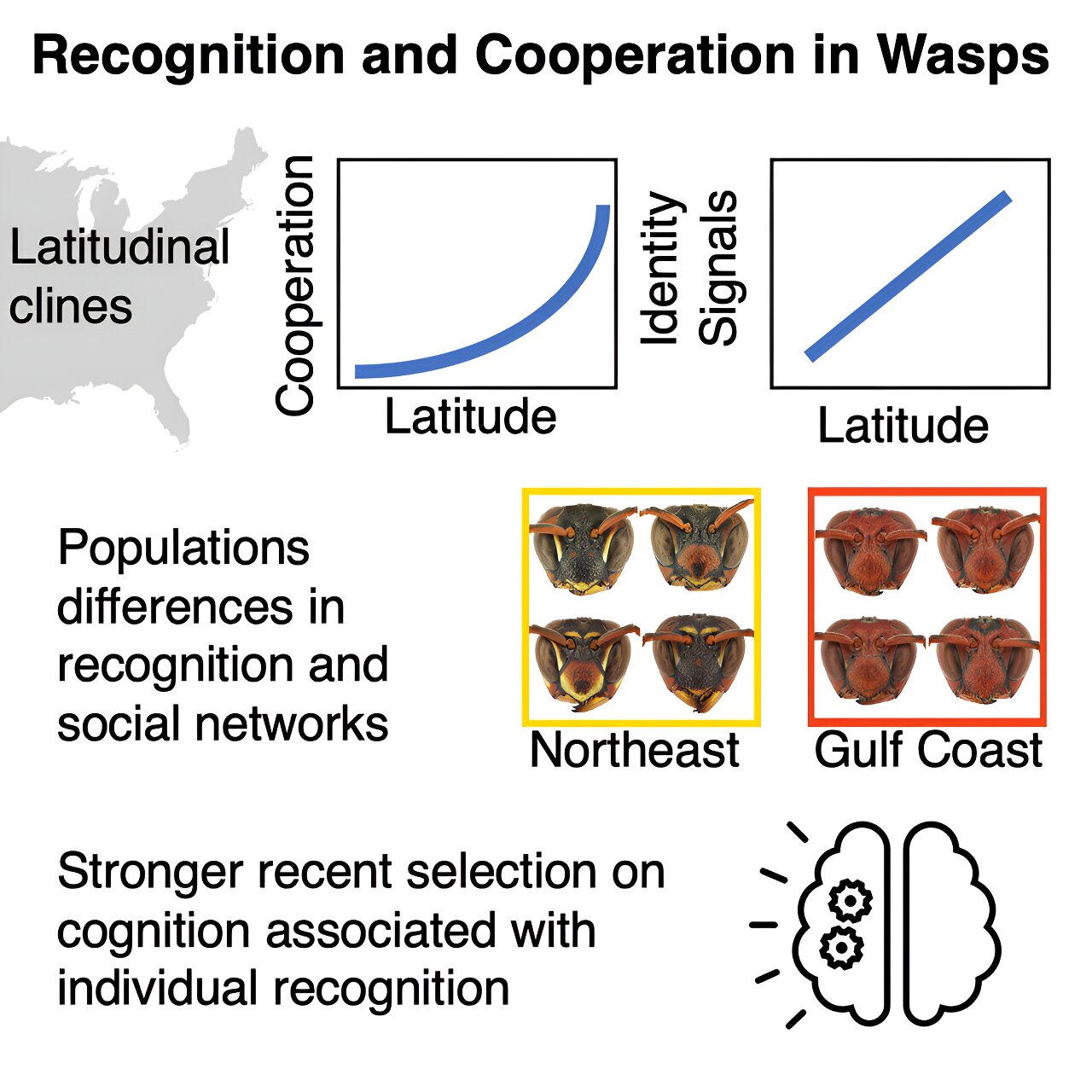
A study on paper wasps suggests that social interactions and the ability to recognize individuals may be linked to increased cognitive abilities and social cooperation. The research found that populations of wasps that recognized each other and cooperated more showed recent adaptations in brain areas associated with learning, memory, and vision. The study focused on two populations of paper wasps, with the northern population showing greater recognition of individuals and social cooperation compared to the southern population. The findings suggest that recognizing individuals may make wasps more selective and better able to manage their social interactions.
Garlic powder is a simple and effective way to repel wasps from your yard and garden. Wasps dislike the potent smell of garlic and tend to fly in the opposite direction when they encounter it. You can create a garlic powder solution by mixing it with water in a spray bottle and spraying it around your yard. Alternatively, you can use fresh minced garlic or grow garlic in your garden as a natural and pet-safe repellent.
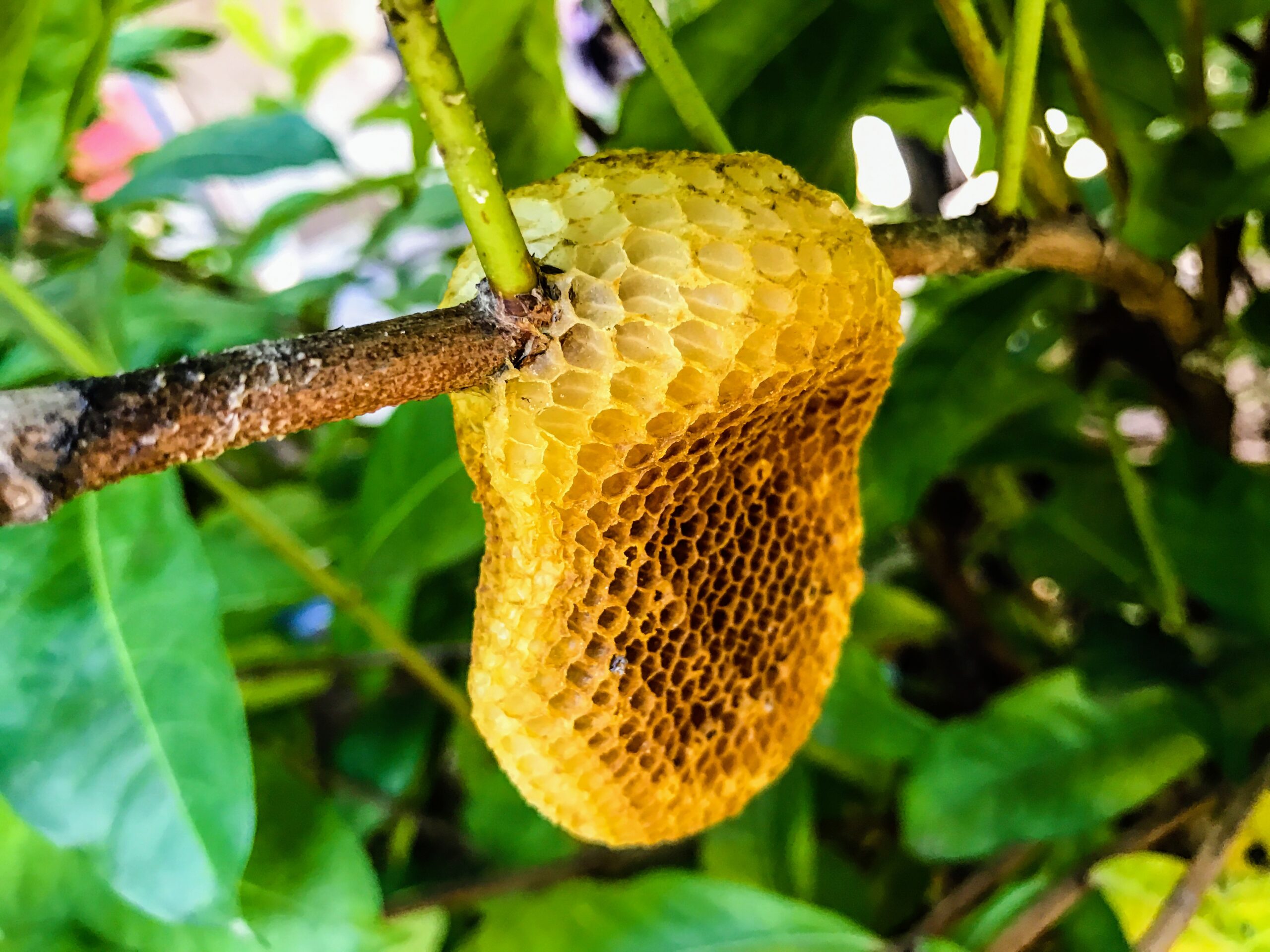
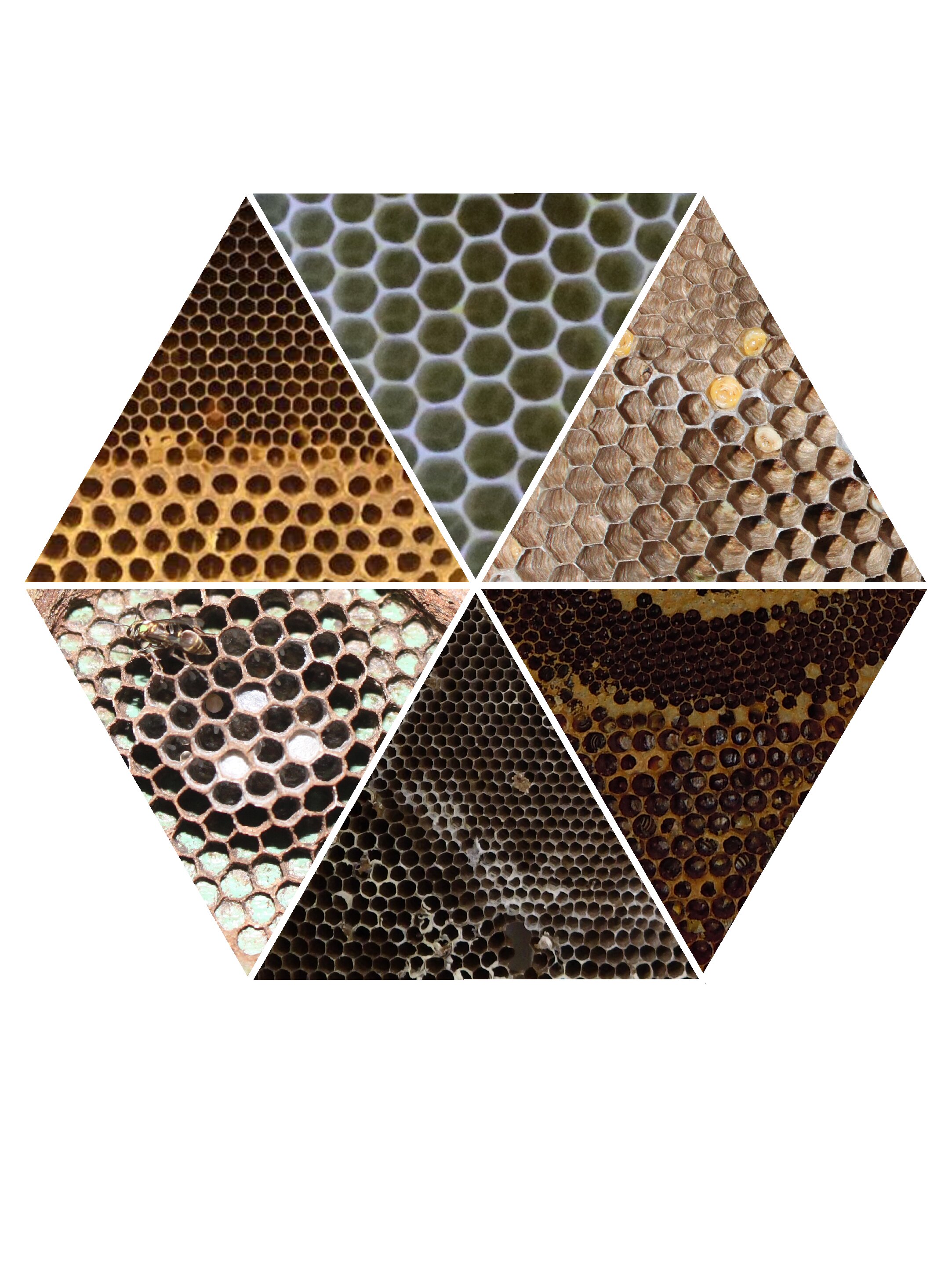
Bees and wasps, despite their independent evolution and different building materials, have independently developed similar architectural techniques for nest-building. Both species construct hexagonal cells, which offer strength, storage area, and reduce the need for construction materials. However, when accommodating differently-sized hexagons within a single comb sheet, bees and wasps construct non-hexagonal cells. Researchers found that as the size discrepancy between worker and reproductive cells increased, the insects built 5- and 7-sided cells in pairs. This pattern was observed across multiple bee and wasp species. The study contributes to understanding how collective systems can build adaptive structures without centralized control.
Bees and wasps, despite using different building materials and having independent origins of hexagonal cells, have independently developed the same architectural solutions to overcome the challenge of tiling differently-sized hexagons within a single sheet of comb. Researchers found that as the size difference between worker and reproductive cells increased, workers incorporated non-hexagonal cells, mostly 5- and 7-sided, in pairs. Additionally, some species incorporated intermediate-sized hexagonal cells to create a series of smaller transitions, avoiding the need for non-hexagonal cells. This study highlights how collective systems can build adaptive and resilient structures without centralized control.
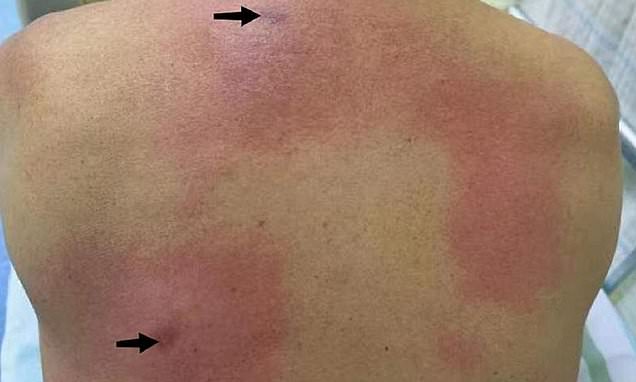
Doctors have warned that wasp stings can cause strokes, trigger catastrophic organ damage, and even leave sufferers in a vegetative state. A 60-year-old man from China was stung four times by wasps on his head and back, resulting in a rare stroke with a very high mortality rate. Wasp or bee stings account for up to 10 deaths a year in the UK and 60 in the US. In extremely rare cases, wasp stings can cause multiple organ damage, heart attacks, rhabdomyolysis, or strokes.