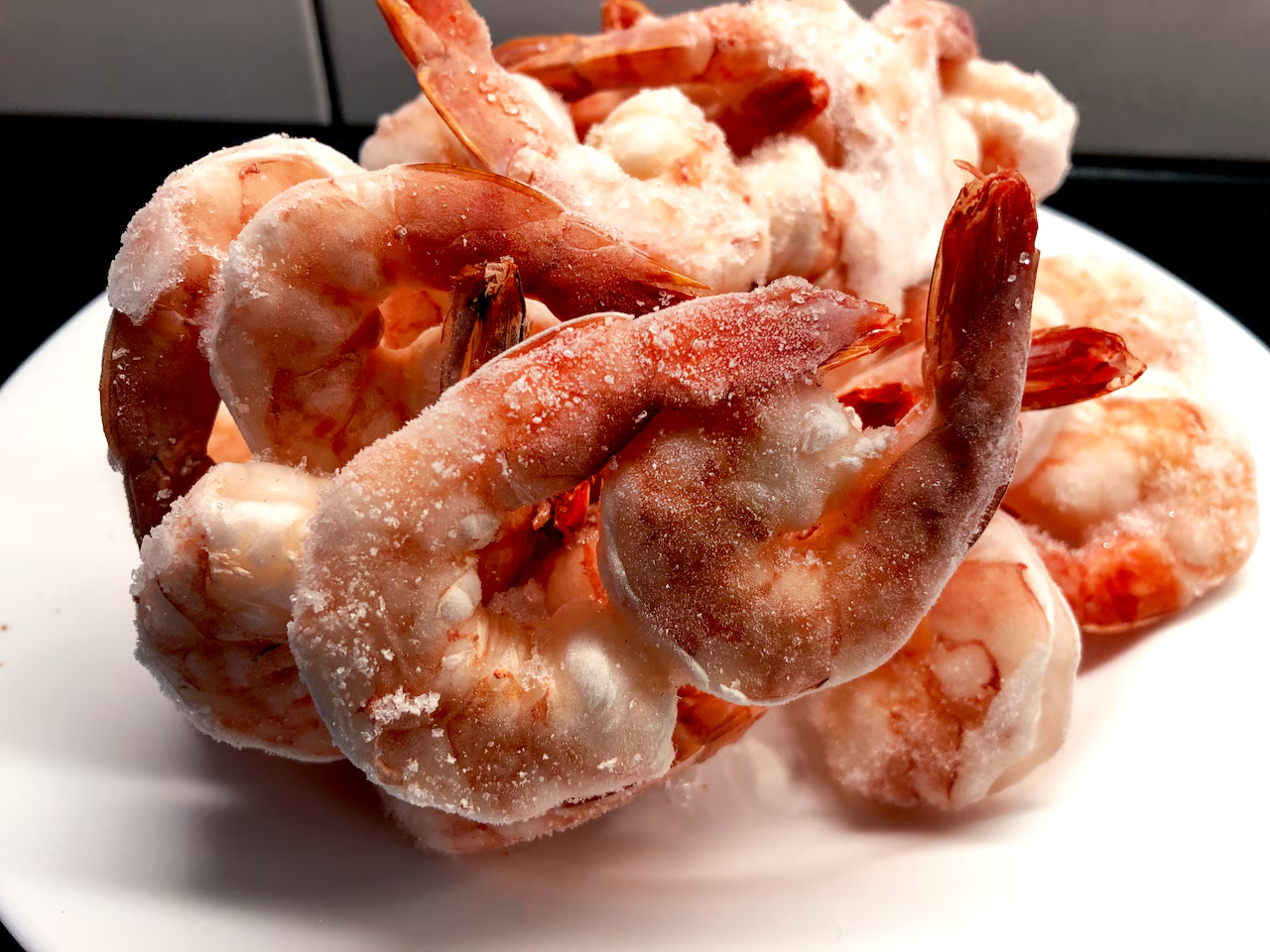
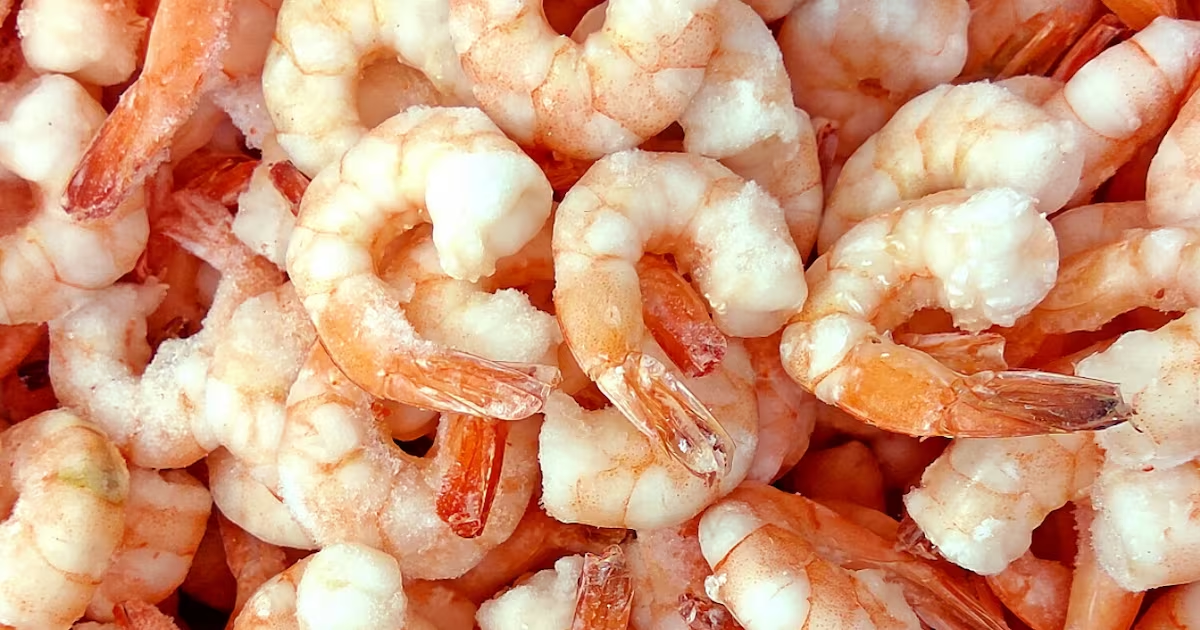
A California company recalled frozen shrimp sold in nine states due to potential contamination with radioactive isotope Cesium-137, following FDA detection in imported shrimp, raising health concerns about long-term exposure.
The FDA has issued a warning after finding radioactive Cesium-137 in frozen shrimp from Indonesia, some of which was sold at Walmart. The contaminated shrimp, identified as Farm-Raised White Vannamei, was stopped at several US ports and denied entry, but some had already been sold. Consumers are advised to discard the affected products due to potential health risks.
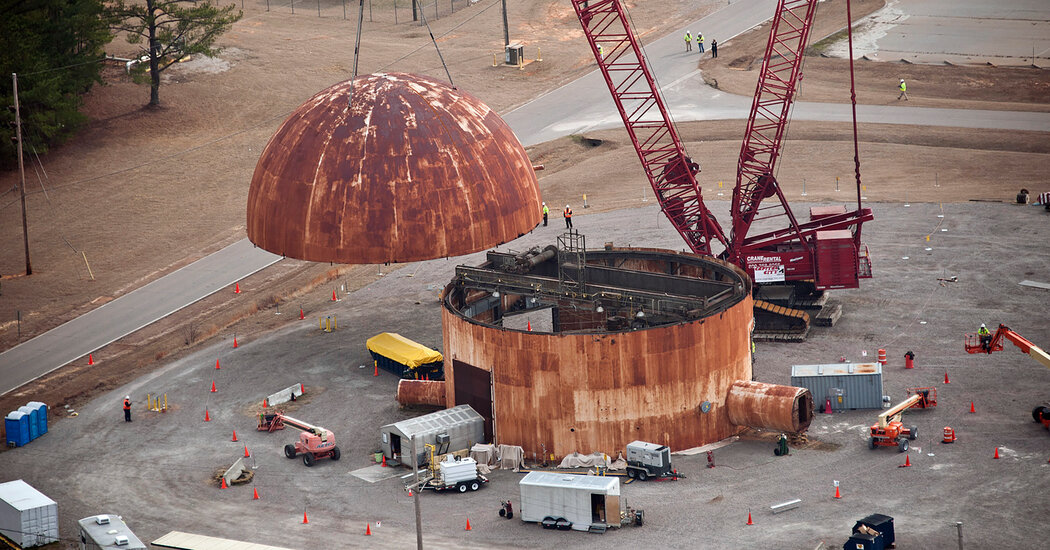
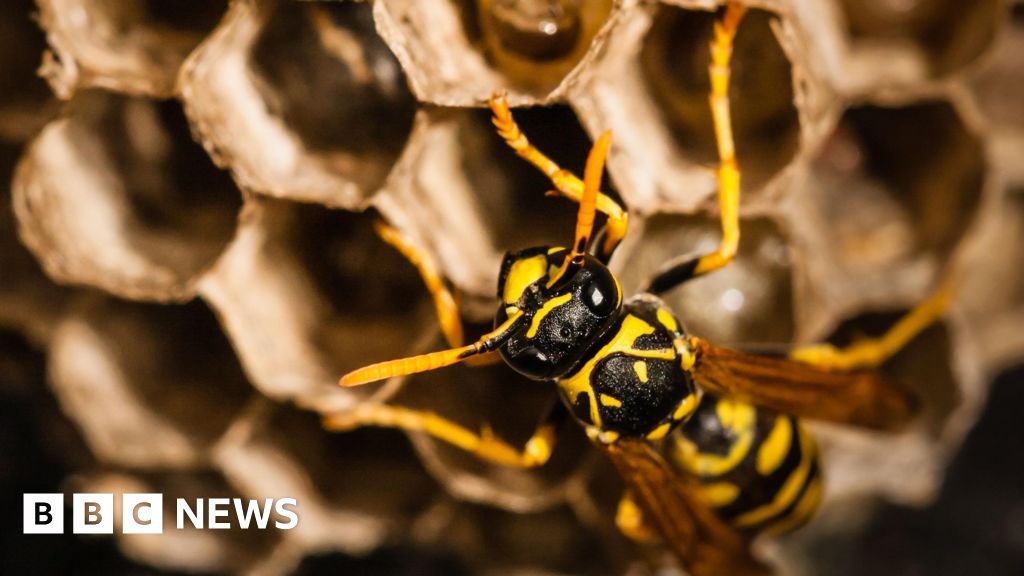
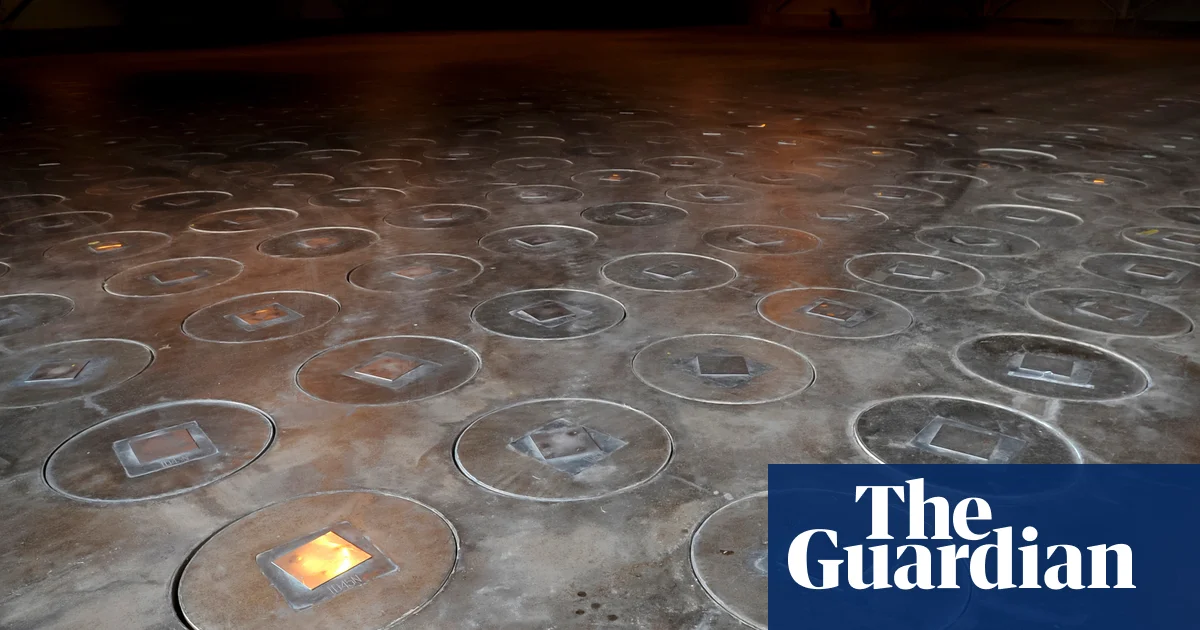
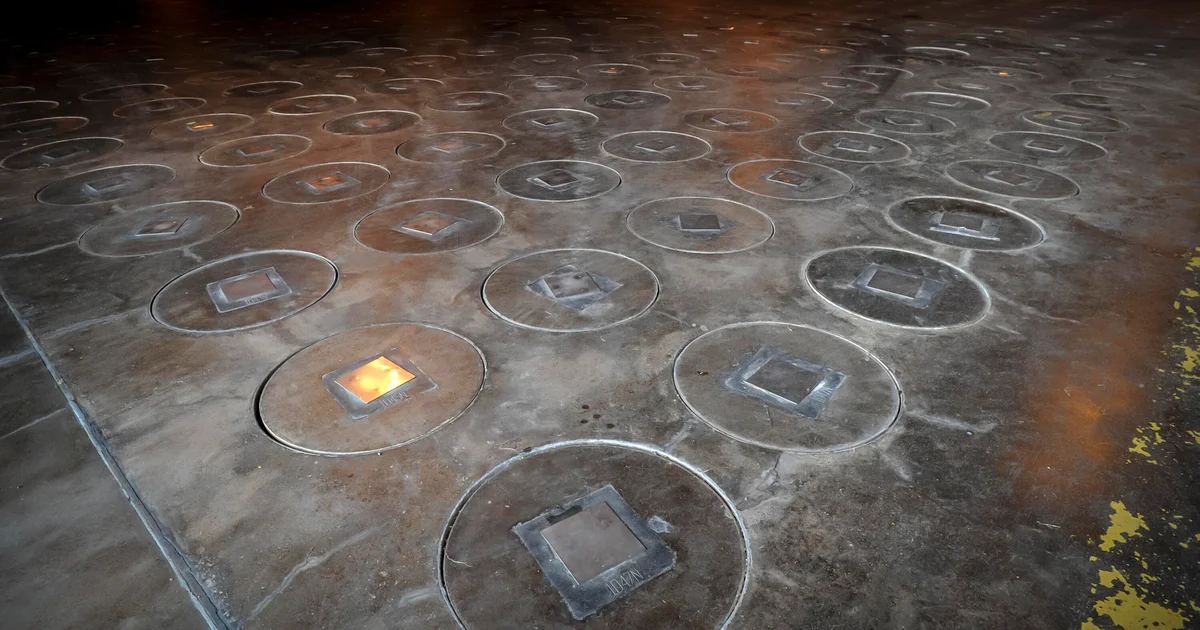
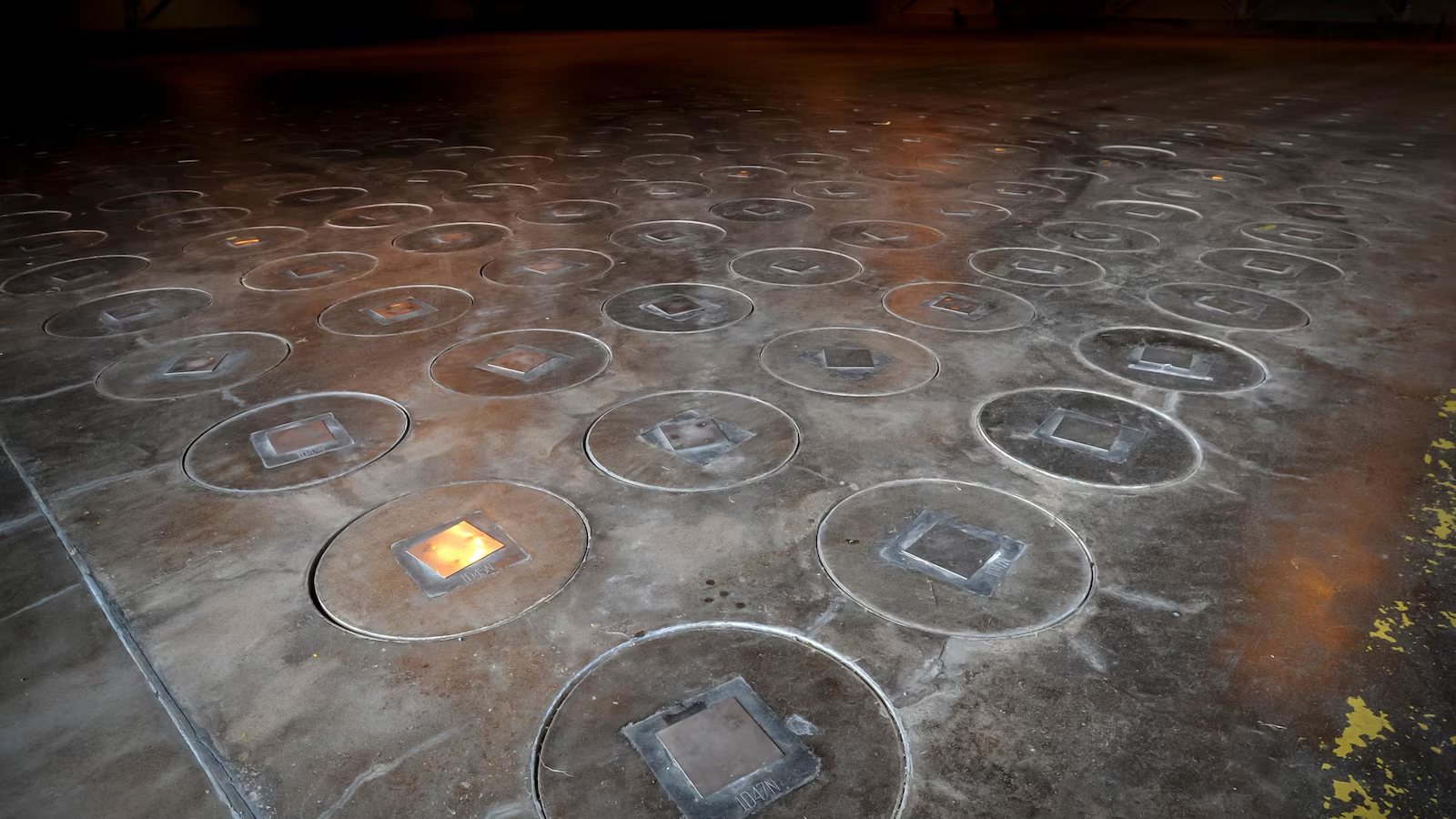
Four radioactive wasp nests have been found at the Savannah River Site in South Carolina, raising concerns about potential undetected environmental contamination at the historic nuclear facility, which played a role in Cold War nuclear weapons production.
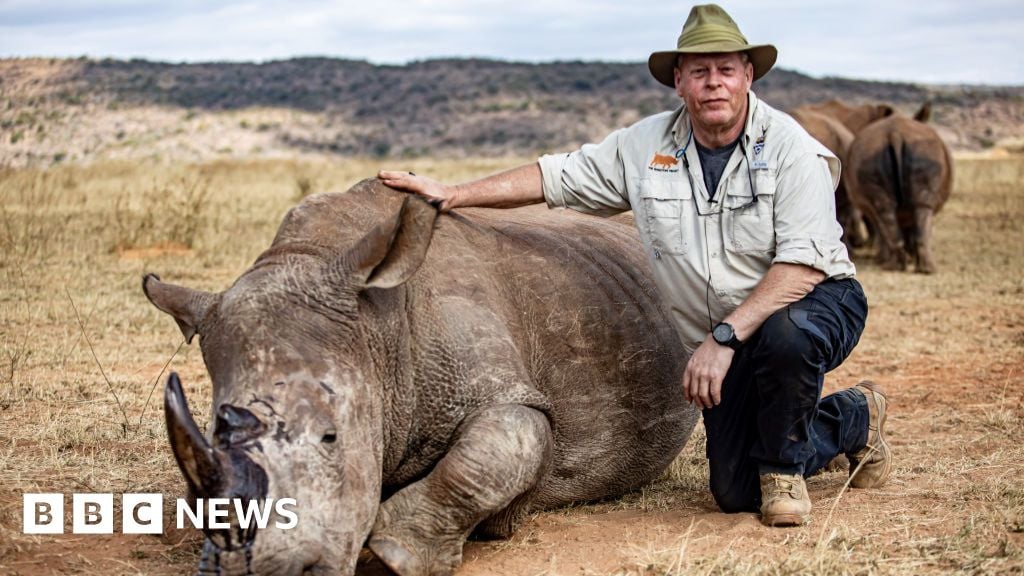
South African scientists have developed a method to inject rhino horns with a harmless radioactive material, making them detectable by customs to combat poaching and illegal trade, with successful tests confirming safety and effectiveness.
A radioactive wasp nest with radiation levels ten times the regulatory limit was found at the Savannah River Site, a former US nuclear weapons facility, but officials confirmed there was no environmental or public health impact, attributing the contamination to legacy radioactive residues from Cold War activities.
A radioactive wasp nest was discovered at the Savannah River nuclear waste site in South Carolina, containing radiation levels over ten times the legal limit. The nest was safely disposed of, and no contamination was found in the surrounding area, though the origin of the radioactive waste remains unclear. The site, historically involved in nuclear weapons production, is now focused on environmental cleanup and research.
Workers at the Savannah River Site in South Carolina discovered a wasp nest with radiation levels ten times above federal limits, likely contaminated by residual radioactive material from the site's historical nuclear weapons production. The nest was removed and disposed of as radioactive waste, with officials assuring no current leak or danger outside the facility. However, watchdog groups express concern over the lack of detailed information about the contamination source and potential risks.
Workers at the Savannah River Site in South Carolina, a former nuclear weapons manufacturing facility, discovered a wasp nest with radiation levels ten times above federal limits. The nest was removed and disposed of as radioactive waste, likely contaminated by residual site radioactivity. Officials assure there is no current leak or danger outside the facility, but watchdog groups call for more transparency about the contamination source and potential risks.
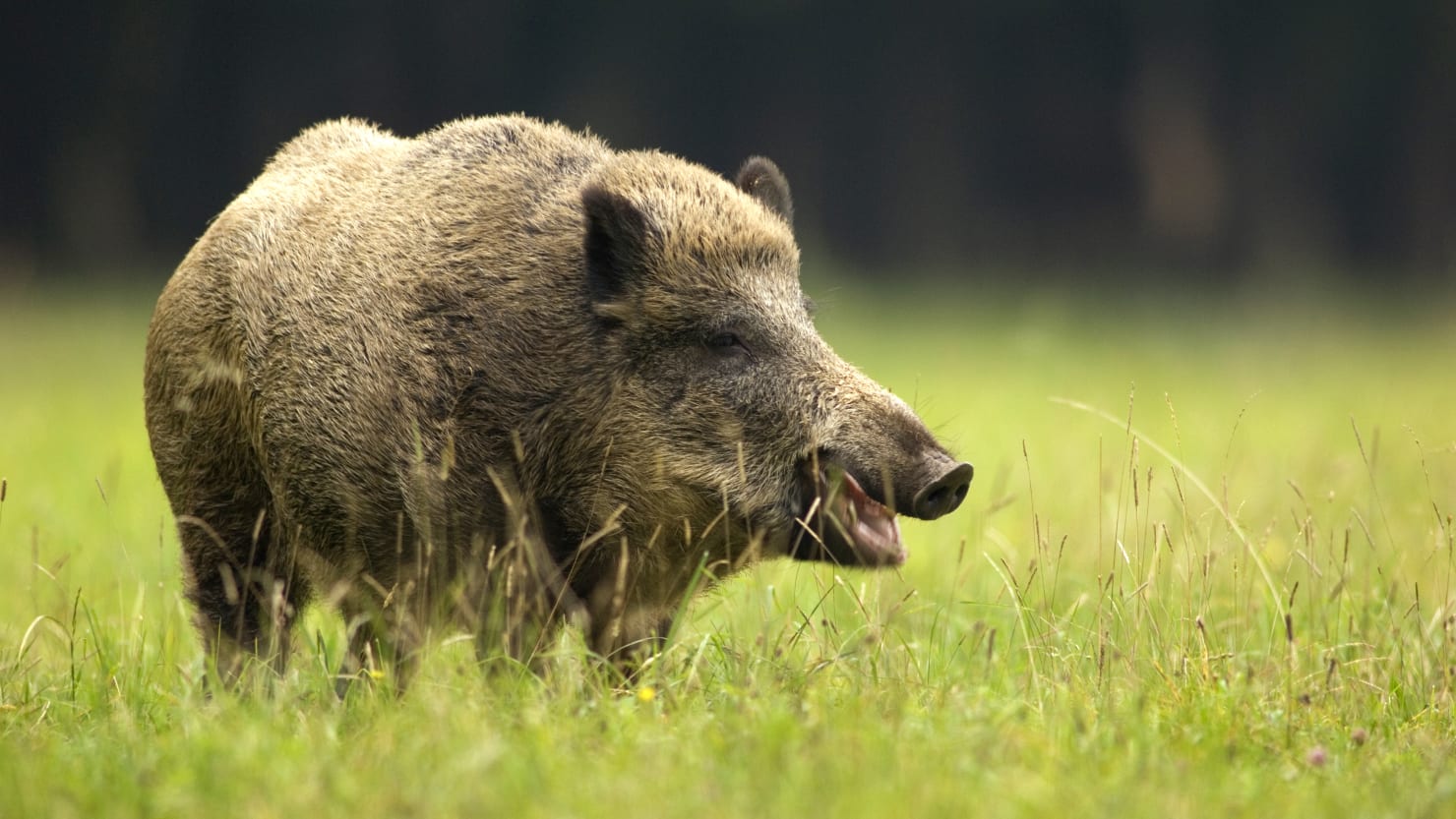
Wild boars in southern Germany have been found to be highly radioactive, making them unsafe to eat. A recent study has revealed that the boars' radiation levels are a result of nuclear weapons testing conducted globally, which released fallout into the atmosphere. The radioactive isotopes settled into the boars' food source, causing the radiation to persist in the animals. The findings highlight the long-lasting impact of nuclear testing on ecosystems and emphasize the need for environmental protection to prevent further contamination.
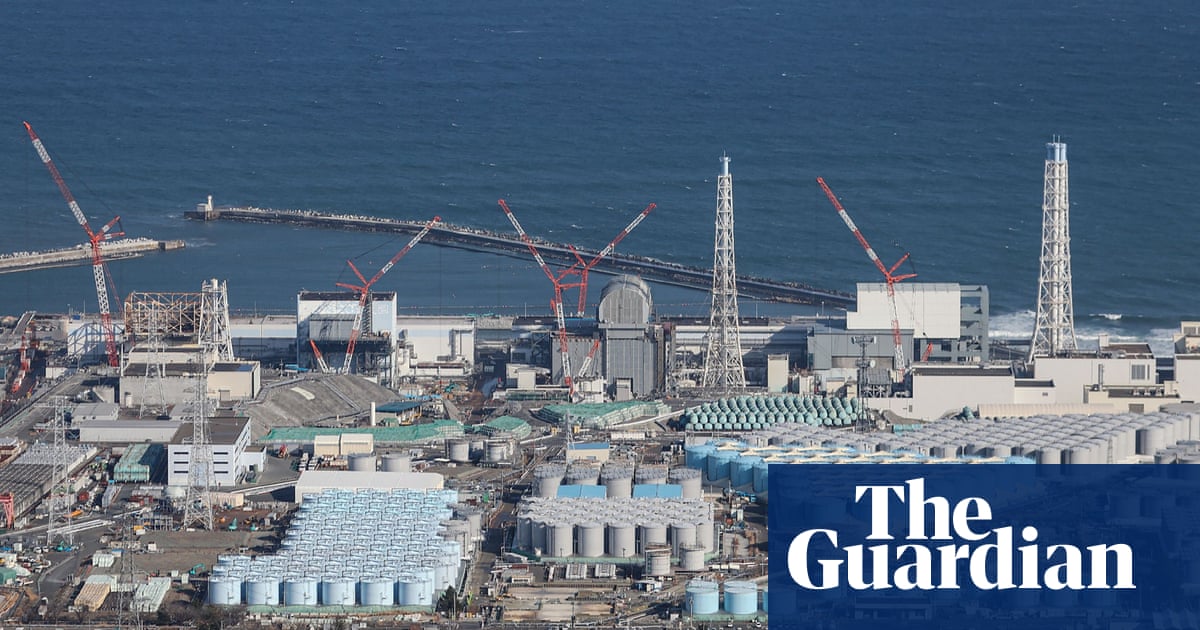
Japan is set to release over 1 million tonnes of wastewater from the damaged Fukushima Daiichi nuclear power plant starting Thursday, despite opposition from fishing communities, China, and some scientists. The water, stored at the site, contains tritium, a radioactive substance that cannot be removed by the facility's filtration technology. The decision has caused controversy due to concerns about its impact on food safety and the environment. While the UN's nuclear watchdog approved the discharge, South Korea, China, and Hong Kong have expressed opposition or threatened restrictions. Greenpeace has criticized the filtration process, warning of the dispersion of a significant amount of radioactive material into the sea. The Japanese government has allocated funds for compensation and reassured fishing communities, but concerns about reputational damage persist.
Imagine Dragons frontman Dan Reynolds ranked their diamond-certified songs from most to least fun to perform live, placing their breakout hit "Radioactive" in last place. Reynolds admitted that he doesn't enjoy performing the song due to its vocal challenges and the fatigue that sets in towards the end of their energetic set. However, he emphasized that they will continue to include it in their setlist as long as fans want to hear it, as they prioritize giving their audience the songs they want to hear. The band's new Hulu documentary, "Imagine Dragons Live In Vegas," showcases their journey from playing small shows in Las Vegas to performing in stadiums.
Tokyo Electric Power Company Holdings has announced that all equipment necessary for the release of treated radioactive wastewater from the Fukushima nuclear plant into the sea has been completed and will undergo a safety inspection by Japanese regulators this week. The plan has faced opposition from local fishing groups and neighboring countries due to safety concerns. Government and utility officials argue that the release is necessary to prevent accidental leaks and make room for decommissioning, assuring that the water will be diluted to safe levels. Some scientists call for more transparency and delay in the release, while Japan seeks support from the International Atomic Energy Agency to ensure safety measures meet international standards.
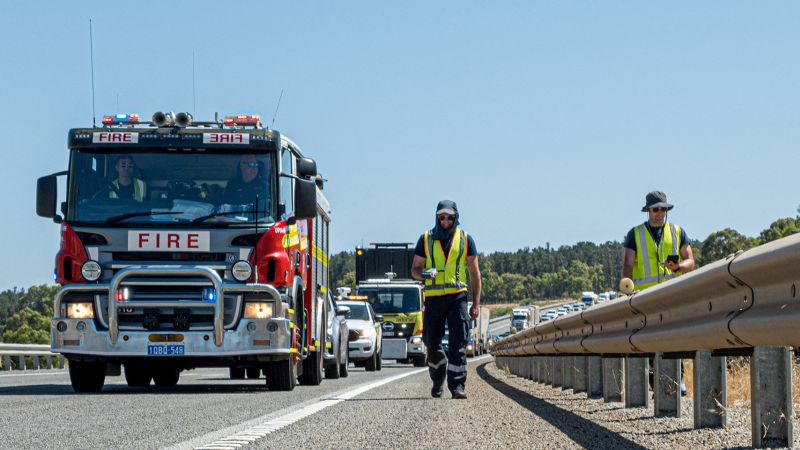
Three separate incidents of missing radioactive materials have occurred in the past three months, prompting concerns about safety and security. Authorities have launched investigations into the incidents, which involve missing devices used in medical treatments. In one case, a device was found in a scrapyard, while in another, authorities were able to locate the missing item using GPS tracking. The incidents highlight the need for increased vigilance and security measures when handling radioactive materials.