Alzheimer’s Disease: Rising Prevalence and New Scientific Insights
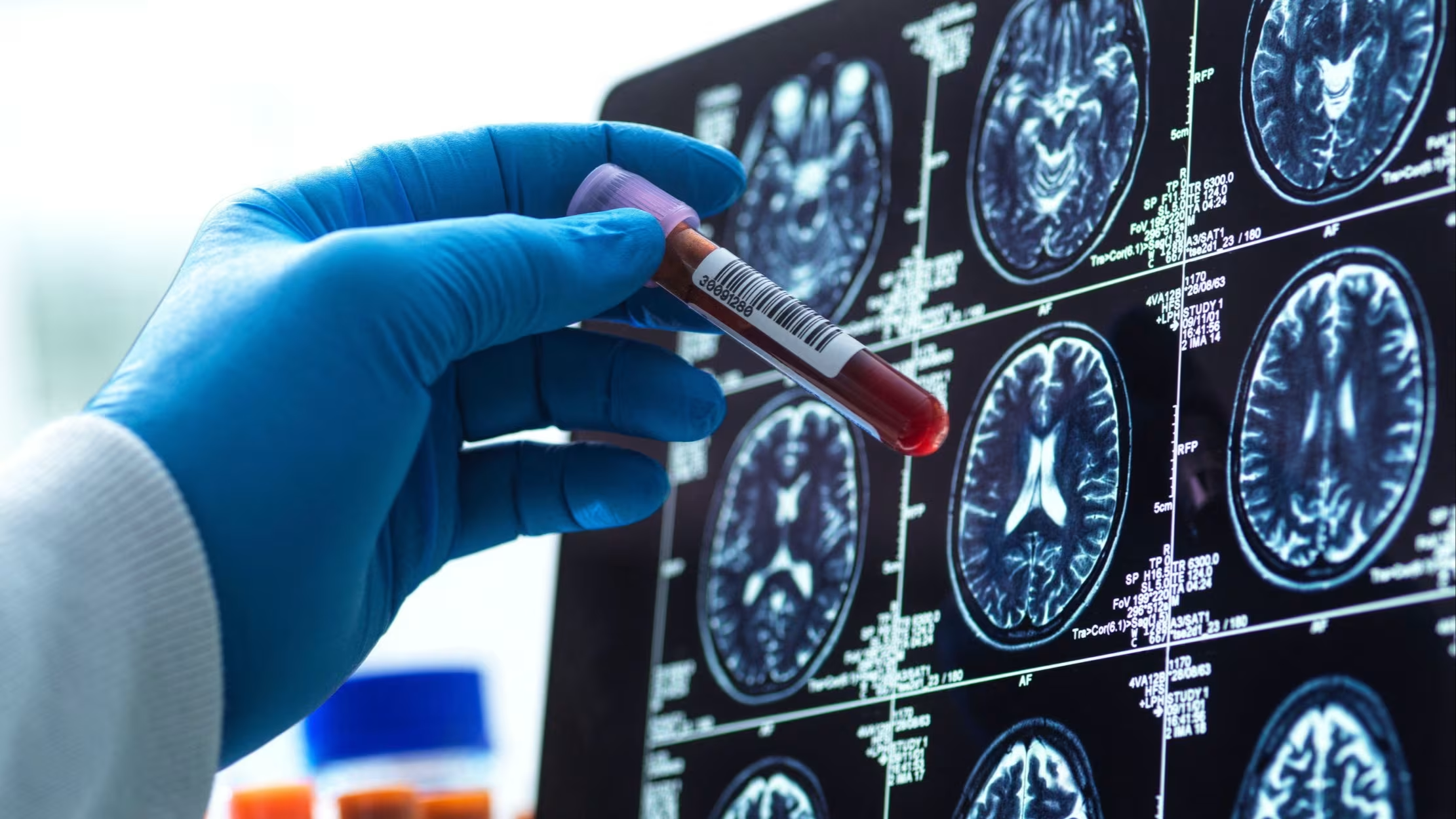
Scientists have provided new insights into the early warning signs of Alzheimer's disease, potentially aiding earlier diagnosis and intervention.
All articles tagged with #warning signs

Scientists have provided new insights into the early warning signs of Alzheimer's disease, potentially aiding earlier diagnosis and intervention.

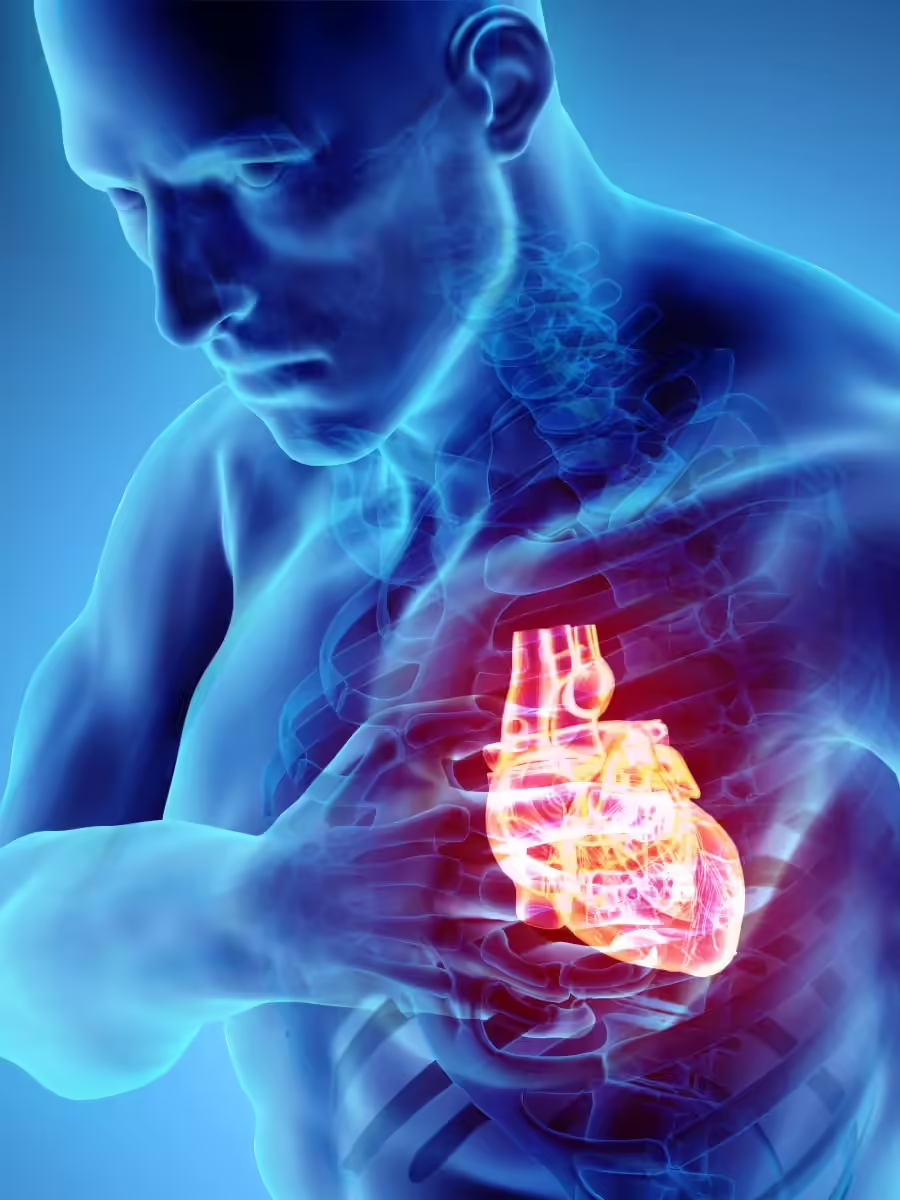
A recent AIIMS study reveals that heart disease is now the leading cause of sudden death among Indians aged 18-45, highlighting the importance of recognizing atypical warning signs for early detection and prevention.

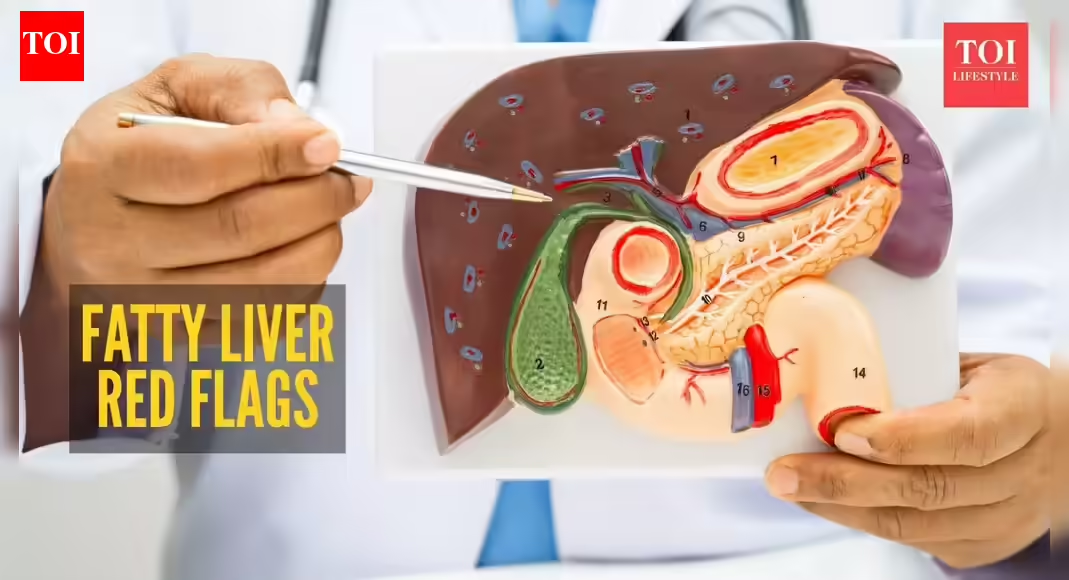
Fatty liver often develops silently, but warning signs such as unexpected belly weight gain, increased blood sugar, darker urine, persistent fatigue, upper abdomen discomfort, and changes in cholesterol levels can indicate its presence. Early recognition of these symptoms is crucial for preventing serious liver damage, and individuals experiencing them should seek medical advice.

Dr. Jeremy London highlights four subtle but critical warning signs of heart attacks—shortness of breath, weakness, pressure in the jaw/neck/back, and fatigue—that are often overlooked but can be life-saving if recognized early, especially in women and older adults. Prompt attention to these symptoms and regular health screenings are essential for prevention and better outcomes.

A study reveals that nearly 99% of heart attacks, strokes, or major cardiovascular events are preceded by four warning signs that often go unnoticed, indicating that most such incidents are preventable with early detection and intervention.
A study published in the Journal of the American College of Cardiology found that over 99% of cardiovascular events like heart attacks and strokes are preceded by warning signs and risk factors such as blood pressure, blood sugar, cholesterol, and smoking, emphasizing the importance of managing these factors and maintaining a healthy lifestyle to prevent heart disease.

A study published in the Journal of the American College of Cardiology found that over 99% of heart attacks and strokes are preceded by identifiable warning signs and risk factors, emphasizing the importance of early detection and lifestyle changes for prevention.

Cancer doctors highlight 12 key symptoms that should prompt a medical consultation, including unusual vaginal bleeding, changes in bowel habits, unexplained weight loss or gain, persistent pain, enlarged lymph nodes, skin changes on breasts, new lumps, breast tenderness, nipple discharge, cough or shortness of breath, fatigue, and persistent pain. Early detection through awareness and screening is crucial for better outcomes.
Colon cancer is a major health concern with increasing cases among younger people; key warning signs include blood in stool, bowel changes, abdominal pain, unexplained weight loss, fatigue, iron deficiency, and incomplete bowel emptying. Early detection through screening, especially for those with a family history, is crucial for effective treatment and survival, as most colon cancers start silently and are highly curable if caught early.

The article discusses warning signs of a heart attack that can appear up to 12 years before the actual event, emphasizing the importance of early detection and preventive measures to reduce risk.

Experts suggest that constant hand movements, such as wringing or fidgeting, could be a sign of advanced dementia, alongside other symptoms like memory loss and confusion. Recognizing these signs early can help in managing the condition more effectively.

Stocks have reached new record highs despite some warning signs, raising questions about whether the market's strong performance can continue.

The article emphasizes the importance of recognizing warning signs of a heart attack to seek prompt medical attention and potentially save lives.
Colorectal cancer rates are rising among younger Americans, often presenting with subtle symptoms such as changes in bowel habits, persistent abdominal pain, blood in stool, and unexplained weight loss. Recognizing these signs early and consulting a doctor is crucial for diagnosis and treatment.
Colon cancer is increasingly affecting young adults, especially millennials, with rising cases and a doubled risk compared to those born in 1950. Key warning signs include rectal bleeding, unexplained abdominal pain, persistent fatigue, and changes in bowel habits. Early detection is vital for effective treatment, and lifestyle factors along with genetics may contribute to the rising trend.