Judi Dench has revealed that her eye condition has worsened to the point where she cannot recognize people or see clearly, leading her to step back from acting. Despite her visual challenges, she maintains a good sense of humor and is exploring ways to adapt, such as using technology to help with learning lines.
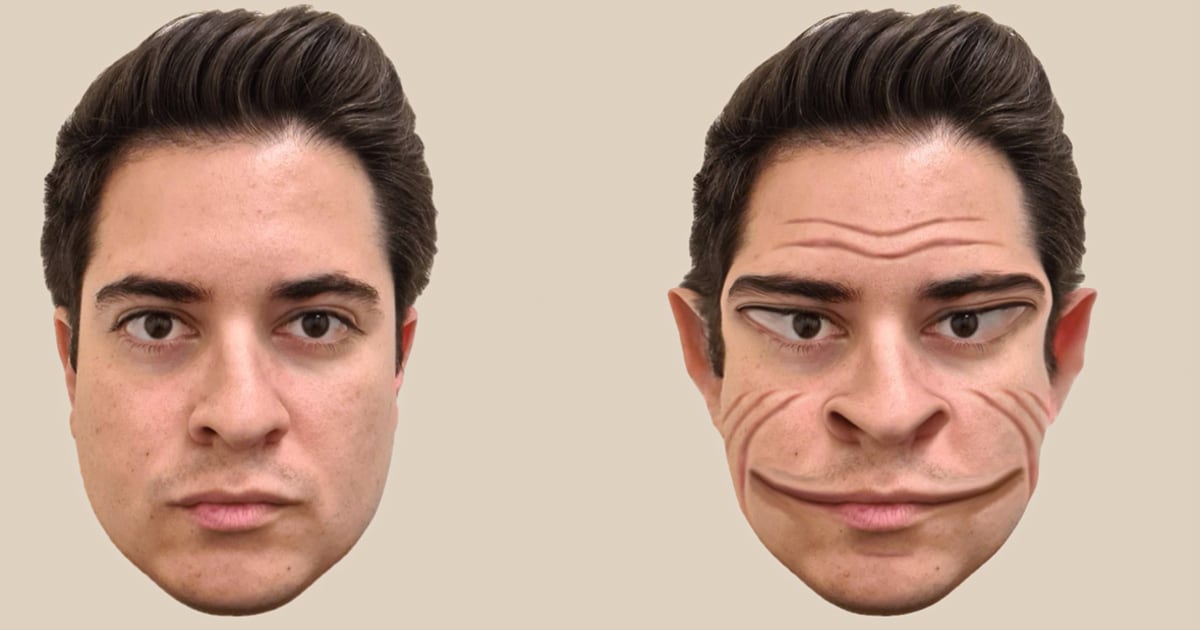
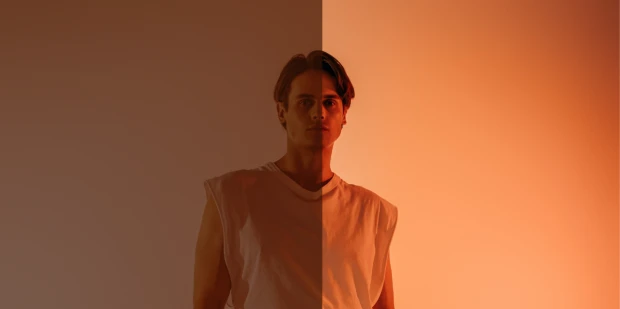
Victor Sharrah was diagnosed with prosopometamorphopsia (PMO), a rare neurological disorder causing faces to appear distorted, after experiencing demonic facial distortions following carbon monoxide poisoning and a head injury. Researchers at Dartmouth College created digital representations of his visual experiences, shedding light on the condition. PMO symptoms often resolve but can persist for years, and may be underreported and misdiagnosed as mental health disorders. Sharrah copes with the condition by wearing green-tinted glasses and aims to raise awareness to prevent others from unnecessary institutionalization and medication.
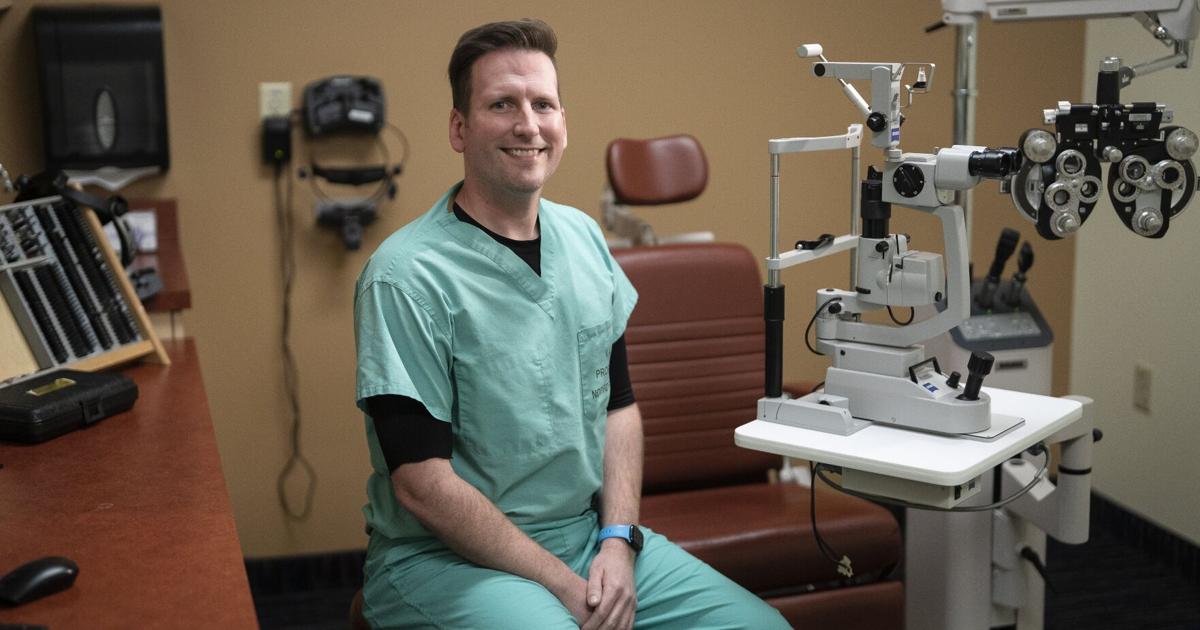
Dr. Andrew Reynolds, a clinical associate professor of ophthalmology at the University at Buffalo, emphasizes the dangers of looking at the sun and provides guidance for safely viewing the upcoming solar eclipse. He warns that even small amounts of direct exposure to the sun can lead to permanent vision loss and advises against looking at the sun without special glasses. Reynolds also discusses how visually impaired individuals can experience the eclipse safely and highlights scientific advancements, such as the development of devices and apps, to make astronomy more accessible to the low-vision community.
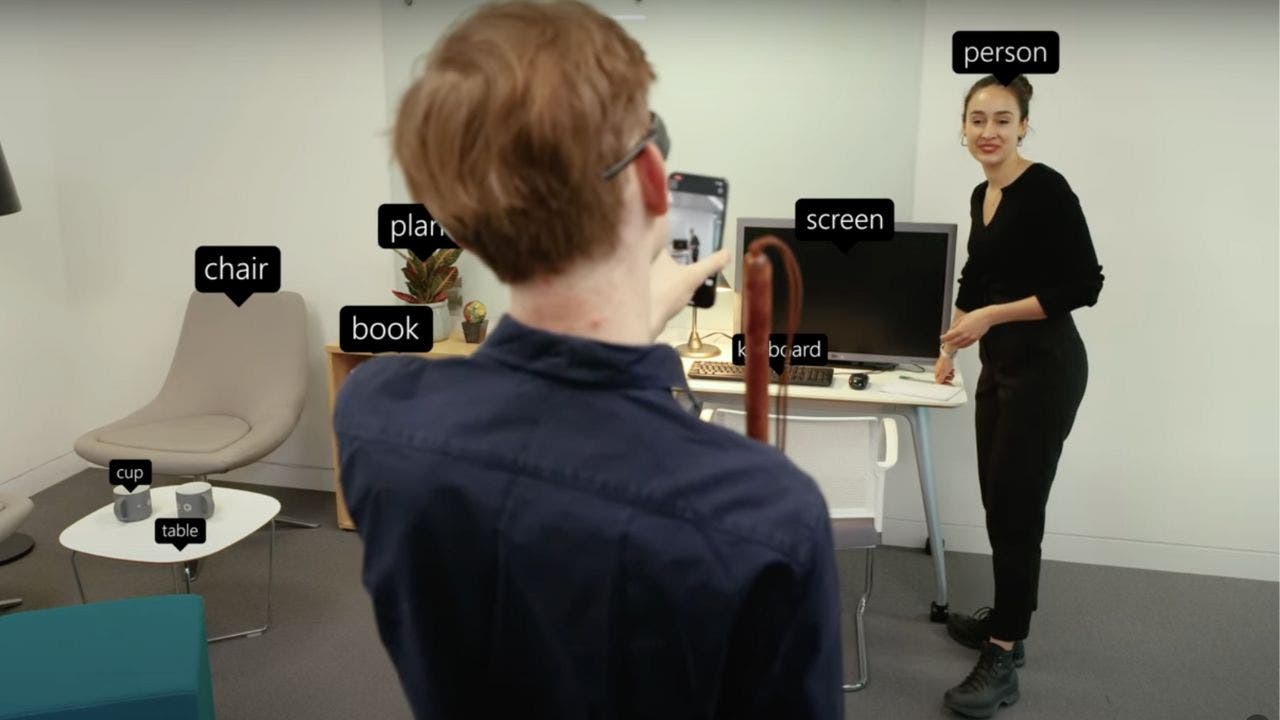
Microsoft's Seeing AI app, which uses artificial intelligence to assist the visually impaired, is now available on Android. The app provides detailed photo descriptions, interactive document scanning, and various channels for recognizing images, scenes, people, products, currency, colors, handwriting, documents, light, and short text. It uses advanced machine learning and computer vision techniques to generate natural language descriptions and offers customizable settings. While designed for the blind or visually impaired, anyone can benefit from the app's features. It is free to download on the Google Play Store.
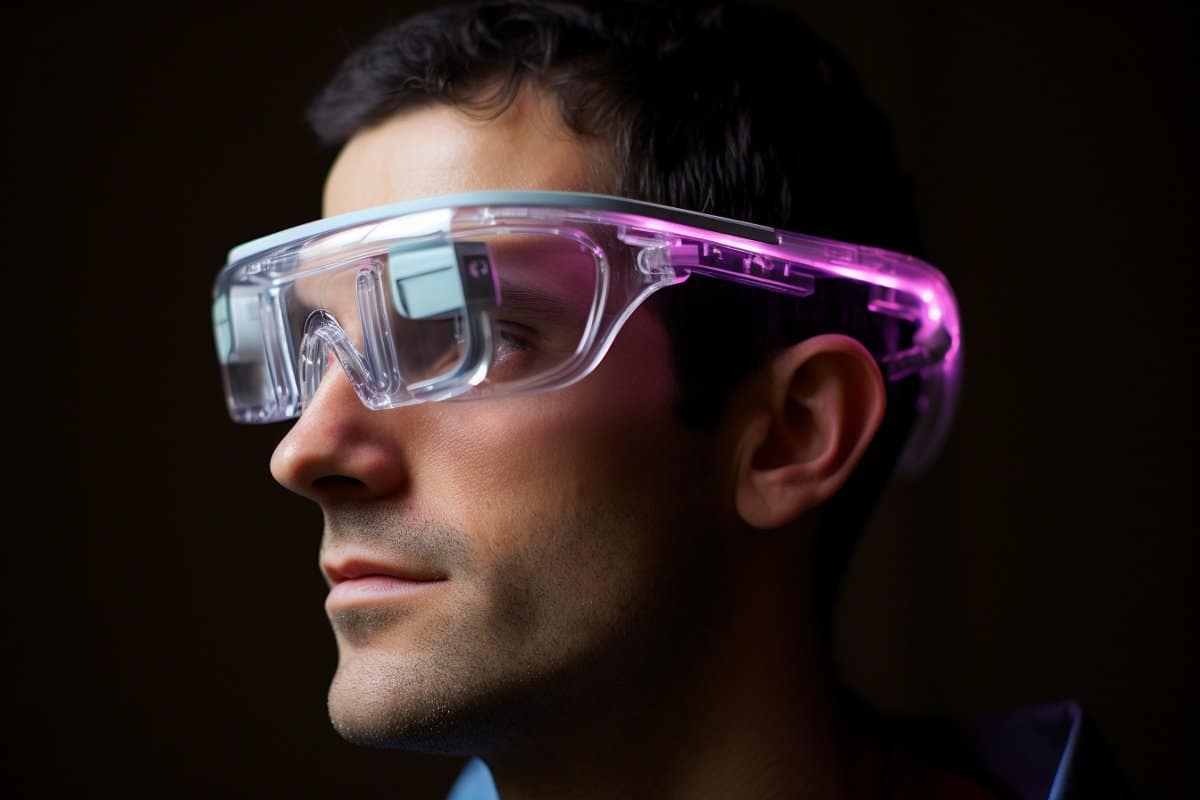
Researchers have developed "acoustic touch" technology, which uses smart glasses to translate visual data into distinct auditory cues, allowing individuals with blindness or low vision to "see" through sound. Trials have shown that these smart glasses significantly improve users' abilities to detect and reach objects, offering a new avenue of sensory augmentation and promoting greater independence and quality of life for the visually impaired.
Color blindness, or color vision deficiency, affects a significant portion of the population, with approximately 1 in 12 men and 1 in 200 women being affected. While it doesn't mean seeing the world in shades of gray, it does impact the ability to distinguish certain colors, such as red and green. Dr. Jay Neitz, a color vision researcher, has shared slides showcasing what it's like to live with deuteranopia, a type of color blindness. The slides include tasks like identifying thoroughly cooked meat, a light pink solution, a red crayon, and the number 6. Understanding color blindness can help appreciate the ability to perceive and enjoy the full spectrum of colors.
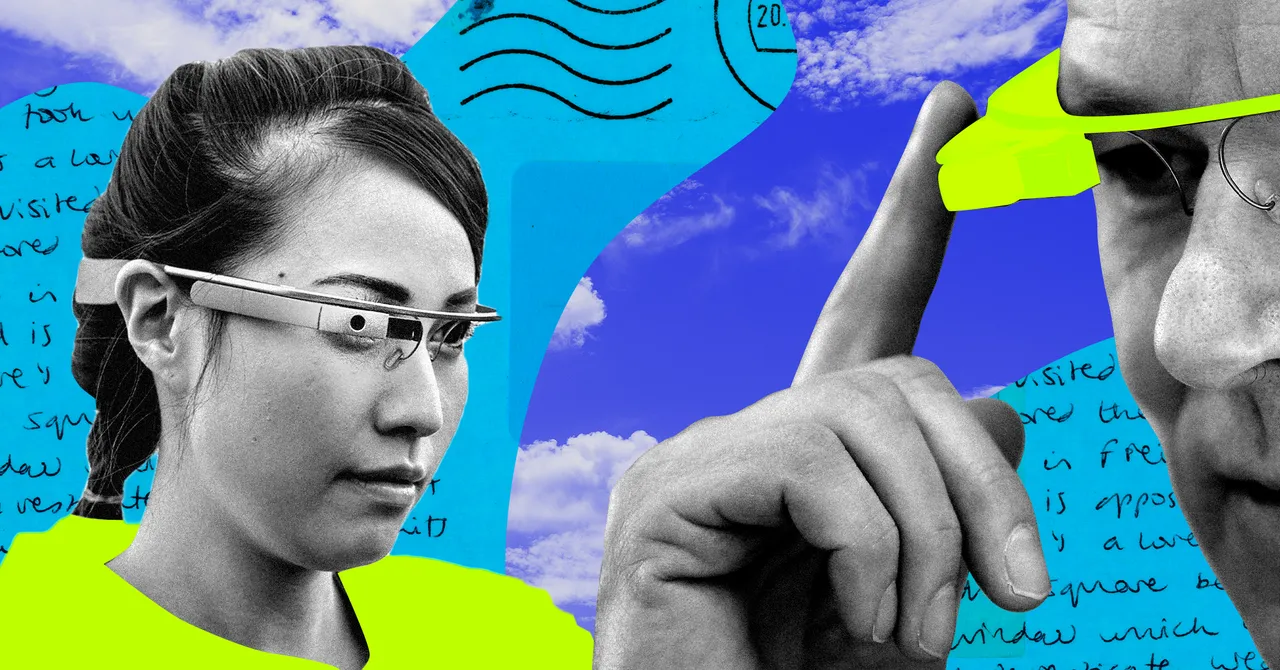
AI assistants like Ask Envision and Be My Eyes are integrating OpenAI's GPT-4 language model to provide visually impaired individuals with more detailed descriptions of the world around them. By incorporating image-to-text capabilities, these AI assistants can read menus, answer questions about prices and dietary restrictions, and provide summaries of text in photos. Users can access these services through smartphones or devices like Google Glass, offering a hands-free option for greater independence. The integration of AI into assistive technologies has the potential to significantly improve the lives of visually impaired individuals by providing them with more information and accessibility.