Tag

Viewing

All articles tagged with #viewing

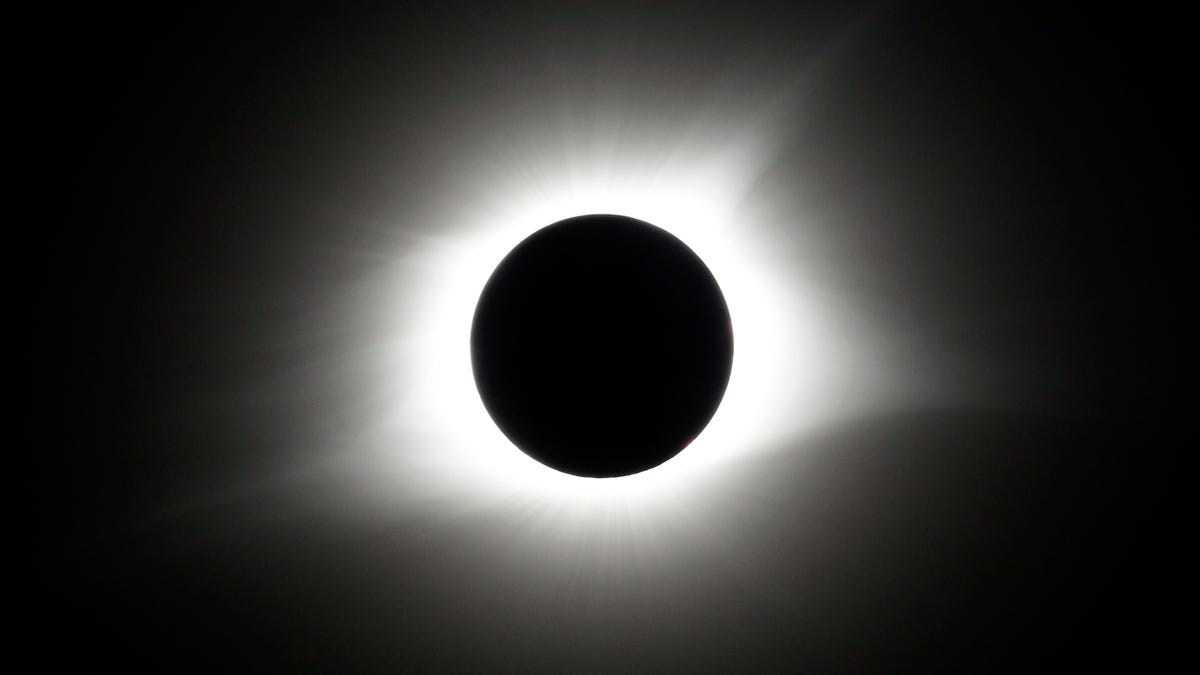
"Dazzling Solar Eclipse Lights Up New York's Path of Totality"

Originally Published 1 year ago — by CBS New York

Featured image for "Dazzling Solar Eclipse Lights Up New York's Path of Totality"
Source: CBS New York

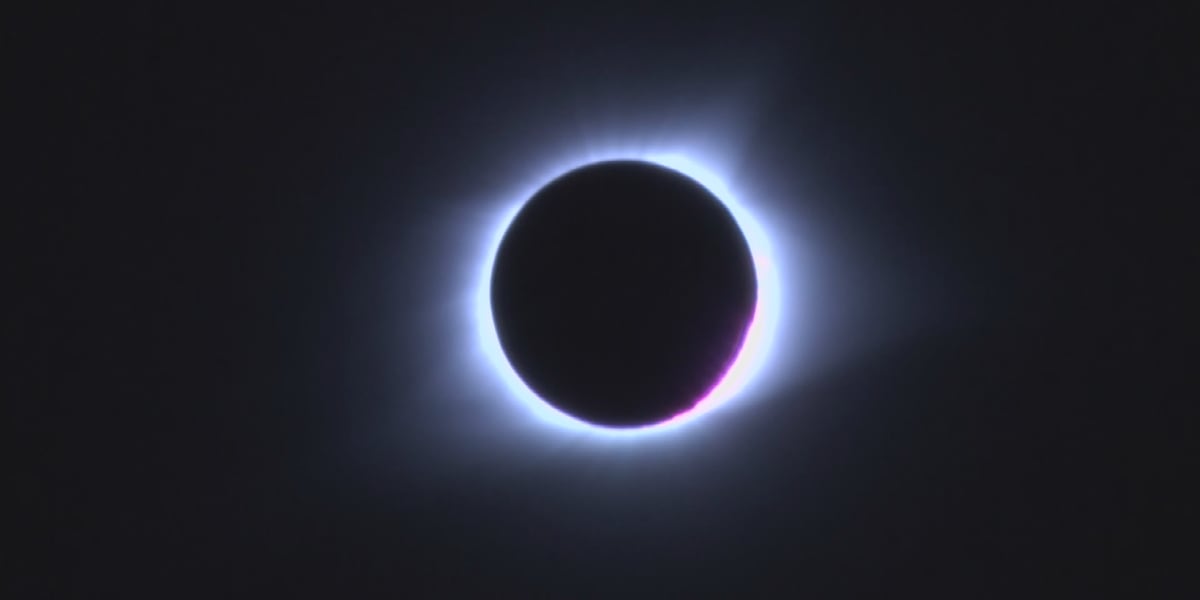
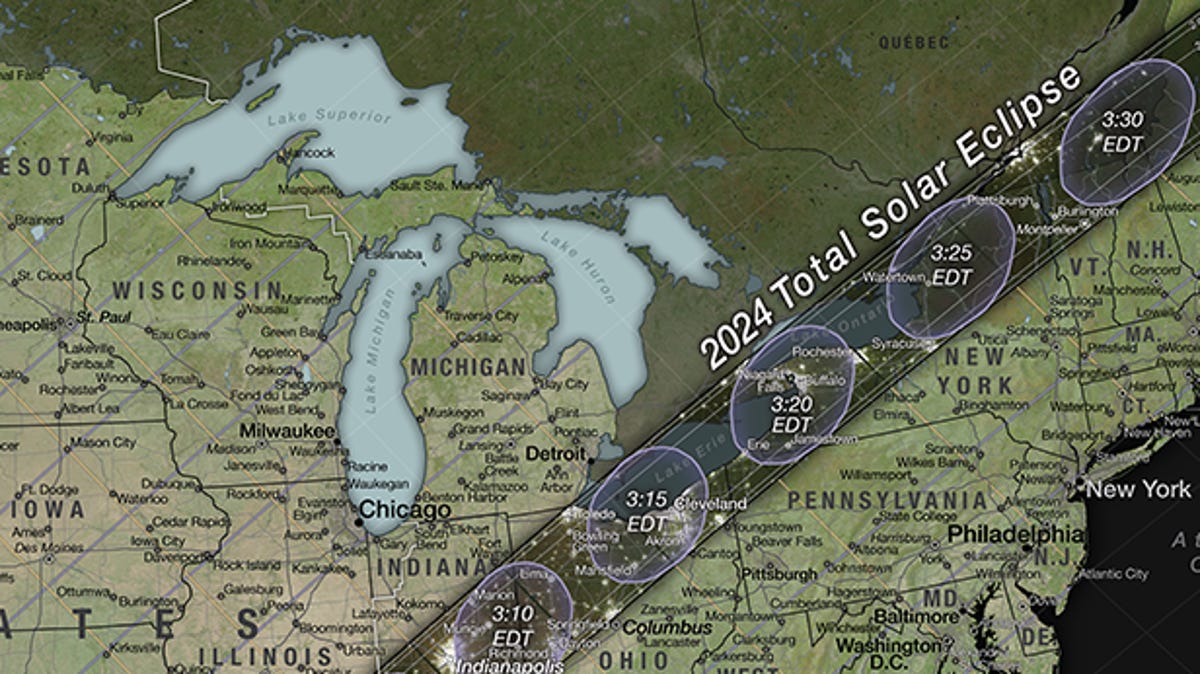
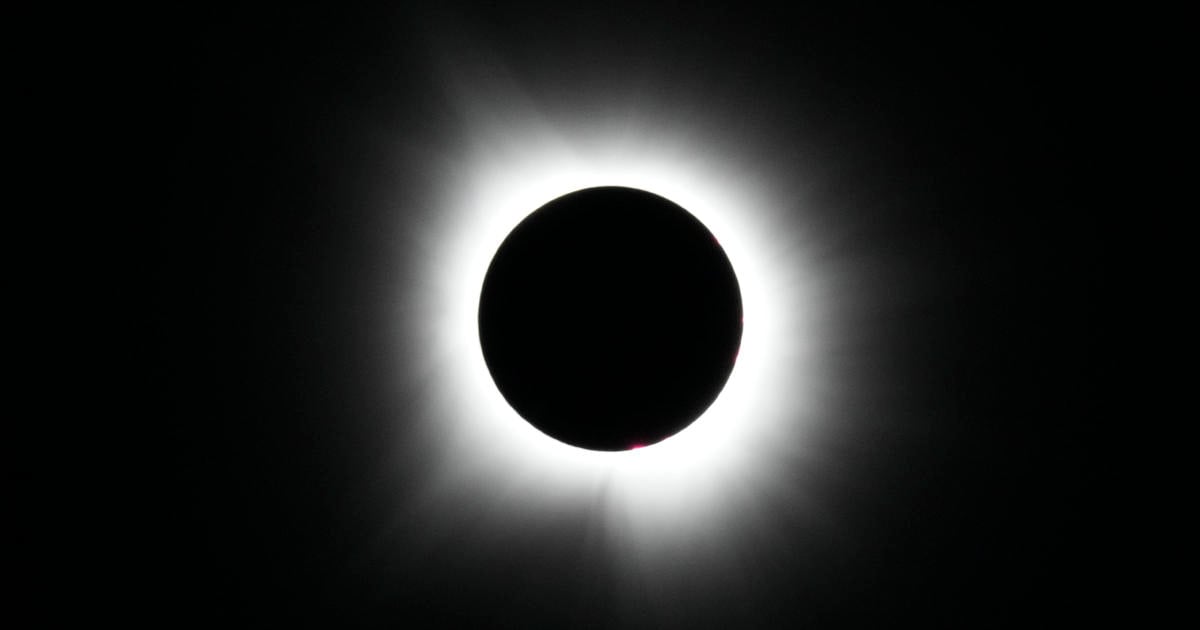
A rare total solar eclipse crossed a large swath of upstate New York, including Jamestown, Buffalo, Niagara Falls, Rochester, Syracuse, Watertown, Lake Placid, and Plattsburgh, while New York City experienced about 90% coverage. Emotional moments were shared as viewers marveled at the eclipse, with some becoming speechless and others moved to tears. Governor Kathy Hochul noted that over a million visitors flocked to the state to witness the spectacle, emphasizing the unifying experience it provided. Despite not being in the path of totality, New York City hosted numerous watch parties, with a focus on educating children about science and STEM.

"Upcoming Solar Eclipse Viewing Times for Maine"

Originally Published 1 year ago — by WMTW Portland

Featured image for "Upcoming Solar Eclipse Viewing Times for Maine"
Source: WMTW Portland

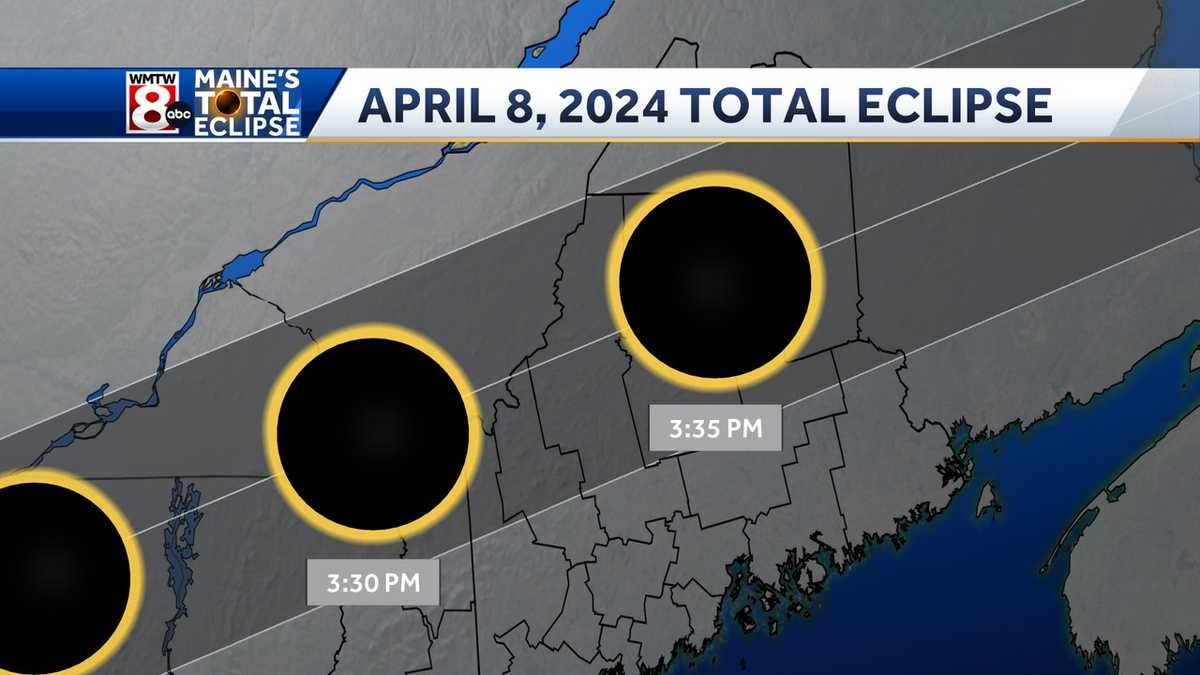
Maine is one of the best spots to view the solar eclipse, with the moon beginning to move over the sun around 2:20 p.m. The total solar eclipse will start at 3:28 p.m., with the full totality lasting around 3 minutes and 22 seconds. The 115-mile-wide path of totality will cross northern New England, including places like Rangeley, Jackman, Carrabassett Valley, and Baxter State Park. It's important to use ISO-certified eclipse glasses and solar filters to protect your eyes, as viewing the solar eclipse without protective eyewear could cause lasting damage.

DIY Pinhole Camera for Safe Solar Eclipse Viewing

Originally Published 1 year ago — by PCMag

Featured image for DIY Pinhole Camera for Safe Solar Eclipse Viewing
Source: PCMag

With the upcoming solar eclipse, it's crucial to avoid looking directly at the sun. Instead of eclipse glasses, you can create a pinhole camera using card stock or paper and a sharp object like a sewing needle or paper clip. By making a small hole in one piece and holding it above your shoulder to project the sun's image onto another piece on the ground, you can safely view the eclipse without risking eye damage. Adjusting the distance between the two pieces can change the size of the projected image. For those feeling more ambitious, NASA offers instructions for making a pinhole projector box.

"2024 Solar Eclipse: Viewing Tips and Safety Precautions"

Originally Published 1 year ago — by Curbed

Featured image for "2024 Solar Eclipse: Viewing Tips and Safety Precautions"
Source: Curbed

New Yorkers can view the solar eclipse on April 8 between 2:45 and 3:30 p.m. at various locations, including Central Park and Riverside Park. Eclipse glasses are available at libraries, Warby Parker stores, and certified vendors. New York City is expecting 90% coverage, and the weather looks favorable for viewing. Traffic is expected to be heavy, especially in areas like Niagara and Rochester, so public transit is encouraged. New York City schools will remain open during the eclipse, and the Department of Education has provided safety tips for students. As for animal behavior during the eclipse, there are conflicting reports, but it's generally expected to be normal.

"Safely Viewing Hawaii's Partial Solar Eclipse This Month"

Originally Published 1 year ago — by Hawaii News Now

Featured image for "Safely Viewing Hawaii's Partial Solar Eclipse This Month"
Source: Hawaii News Now

Hawaii will experience a partial solar eclipse on April 8, shortly after sunrise. To safely view the eclipse and avoid eye damage, proper eclipse glasses that meet ISO-12312-1 filters are necessary. These glasses can be purchased online with expedited shipping to ensure delivery before the event, but viewing is weather-dependent.

"April 8 Solar Eclipse: Viewing Times and Locations in Nevada, New Mexico, and Texas"

Originally Published 1 year ago — by Reno Gazette Journal

Featured image for "April 8 Solar Eclipse: Viewing Times and Locations in Nevada, New Mexico, and Texas"
Source: Reno Gazette Journal

The 2024 solar eclipse will be visible in Nevada on April 8, with a partial eclipse in Reno starting at 10:20 a.m. and a peak at 11:19 a.m., while in Las Vegas, the eclipse will start at 10:15 a.m. and peak at 11:20 a.m. The University of Nevada's Fleischmann Planetarium will offer special screenings of "Totality" and provide telescopes for viewing, with eclipse glasses available for sale. The eclipse will end around 12:20 p.m. in Reno and 12:30 p.m. in Las Vegas.

"Optimizing Your Solar Eclipse Viewing Experience: Tips and Ideas for 2024"

Originally Published 1 year ago — by WKRN News 2

Featured image for "Optimizing Your Solar Eclipse Viewing Experience: Tips and Ideas for 2024"
Source: WKRN News 2

On April 8, 2024, a partial solar eclipse will be visible in Middle Tennessee and South Kentucky, with 90-95% of the sun covered, peaking at 2:03 PM in Nashville. Eclipse glasses are necessary for eye safety, and NASA and ISO-approved glasses can be ordered from American Paper Optics, with 10% of proceeds going to St. Jude Children’s Hospital. Nearby states will experience a total eclipse, and more information can be found on GreatAmericanEclipse.com and JanetsPlanet.com.

"Delta's Exclusive Path-of-Totality Flight Sells Out for 2024 Solar Eclipse"

Originally Published 1 year ago — by New York Post

Featured image for "Delta's Exclusive Path-of-Totality Flight Sells Out for 2024 Solar Eclipse"
Source: New York Post

Delta Air Lines' special flight designed for viewing the upcoming total solar eclipse on April 8 has sold out, offering prime eclipse-viewing opportunities with a flight timed to give passengers the best chance of safely viewing the eclipse at its peak. The flight will use an A220-300 plane with extra-large windows for premium viewing, and NASA advises using specialized eclipse glasses for safety. This will be the last total eclipse over North America until 2044, and the eclipse is expected to last more than twice as long as the 2017 eclipse.

"2024 Total Solar Eclipse: Path, Time, Glasses, and Ohio Cities"

Originally Published 1 year ago — by Detroit Free Press

Featured image for "2024 Total Solar Eclipse: Path, Time, Glasses, and Ohio Cities"
Source: Detroit Free Press

On April 8, 2024, a total solar eclipse will be visible, with Southeast Michigan offering the best viewing spot in the state, experiencing about 98% sun coverage. The eclipse will begin at 1:58 p.m. and reach maximum totality around 3:14 p.m. in Detroit and southeast Michigan, lasting longer than the 2017 eclipse. Safety precautions for viewing the eclipse include using approved ISO 12312-2 safety standard glasses or making a pinhole camera or projector. While Michigan is not in the line of totality, the southeast corner, particularly in Monroe County, will experience a partial eclipse.

"2024 Total Solar Eclipse: Best Viewing Locations and Activities"

Originally Published 1 year ago — by USA TODAY

Featured image for "2024 Total Solar Eclipse: Best Viewing Locations and Activities"
Source: USA TODAY

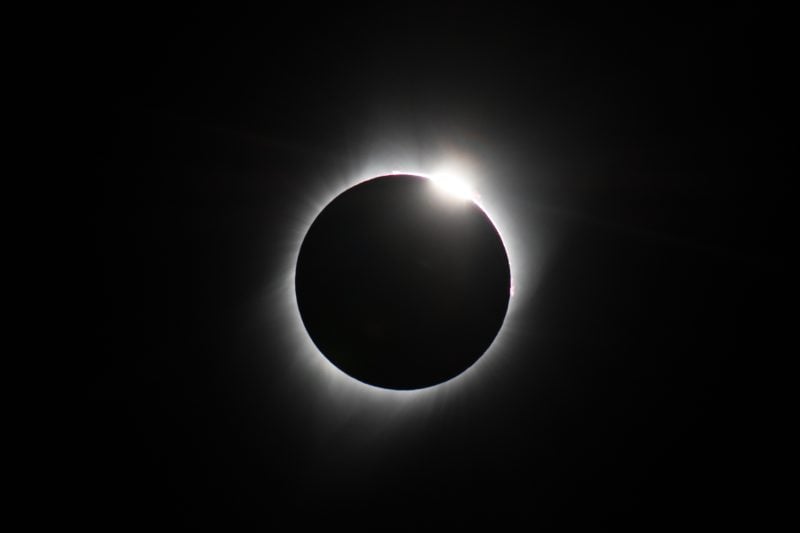
On April 8, a total solar eclipse will be visible across the U.S., Canada, and Mexico, lasting 4 minutes and 28 seconds. The eclipse occurs when the moon passes between the Earth and the sun, blocking the sun's light. Safety precautions include using specially designed glasses to view the eclipse, while those in the path of totality can view it without glasses for the duration of totality. Festivities and events are planned across the country to celebrate the rare astronomical event.

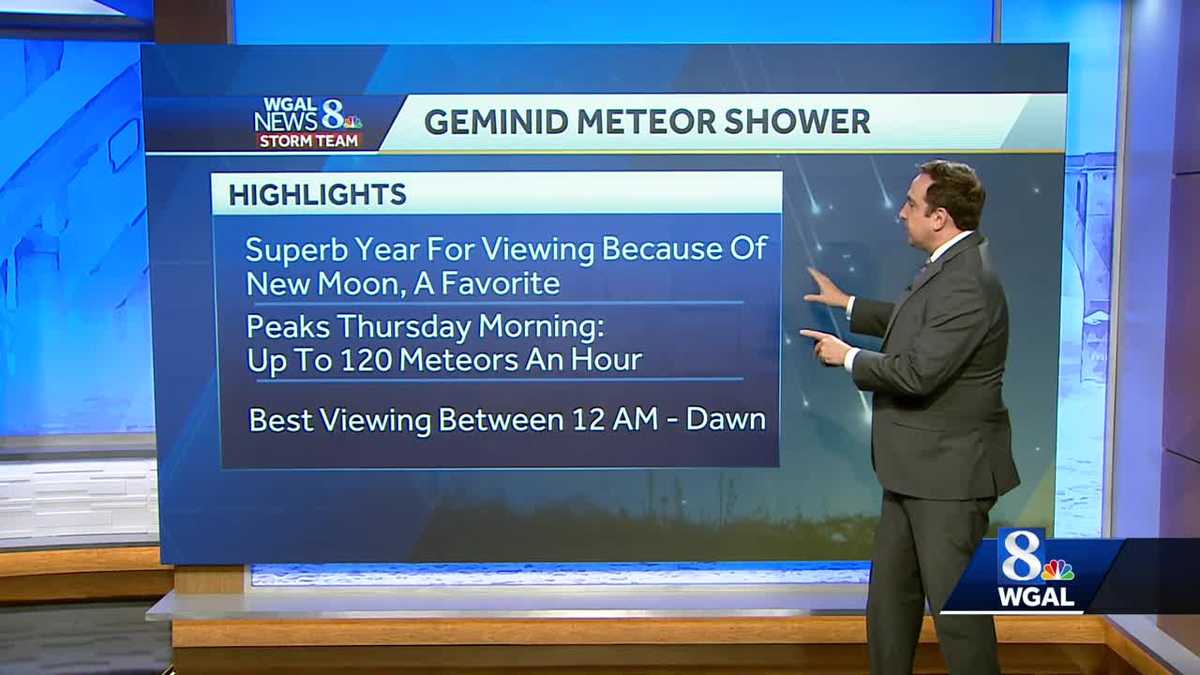
"Stargazers in Pennsylvania and California Await Spectacular Geminids Meteor Shower"

Originally Published 2 years ago — by WGAL Susquehanna Valley Pa.

Featured image for "Stargazers in Pennsylvania and California Await Spectacular Geminids Meteor Shower"
Source: WGAL Susquehanna Valley Pa.

The Geminid meteor shower is peaking this week in south-central Pennsylvania, with the best viewing times being late in the evening to early dawn. Skies will be clear, and there will be no light interference from the moon. Up to 120 meteors per hour may be visible. The meteor shower is named after the constellation Gemini, but it can be seen across the night sky.

"Unveiling the Magic: Macy's Thanksgiving Day Parade 2023 Balloon Spectacular"

Originally Published 2 years ago — by NBC News

Featured image for "Unveiling the Magic: Macy's Thanksgiving Day Parade 2023 Balloon Spectacular"
Source: NBC News

The 97th annual Macy's Thanksgiving Day Parade in New York City will feature 25 balloons, 31 floats, and 18 performers including Jon Batiste and Cher. The parade starts at 8:30 a.m. ET and ends at noon. Spectators can watch along the 2.5-mile route, with certain areas closed to public viewing. The parade can also be watched on NBC or streamed on Peacock. New additions this year include seven character balloons and four floats. Security is heightened, but no credible threats have been made.

"June's Celestial Spectacle: 'Star Wars'-Inspired Comet and Solar Eclipse to Amaze Astronomers and Skywatchers"

Originally Published 2 years ago — by Newser

Featured image for "June's Celestial Spectacle: 'Star Wars'-Inspired Comet and Solar Eclipse to Amaze Astronomers and Skywatchers"
Source: Newser

A comet shaped like Han Solo's Millennium Falcon spaceship, known as Comet 12/P Pons-Brooks, will be visible near Earth in June for the first time since 1954. The comet's unique shape is due to the "horns" of gas and ice trailing on both sides, formed during eruptions earlier this year. Astronomers believe it could be visible in April as it nears the sun and again in June when it is closest to Earth. In clear, dark skies, it may be visible without a telescope. However, there is no risk of a collision with Earth, as the comet's distance is 70 times further away than the moon.

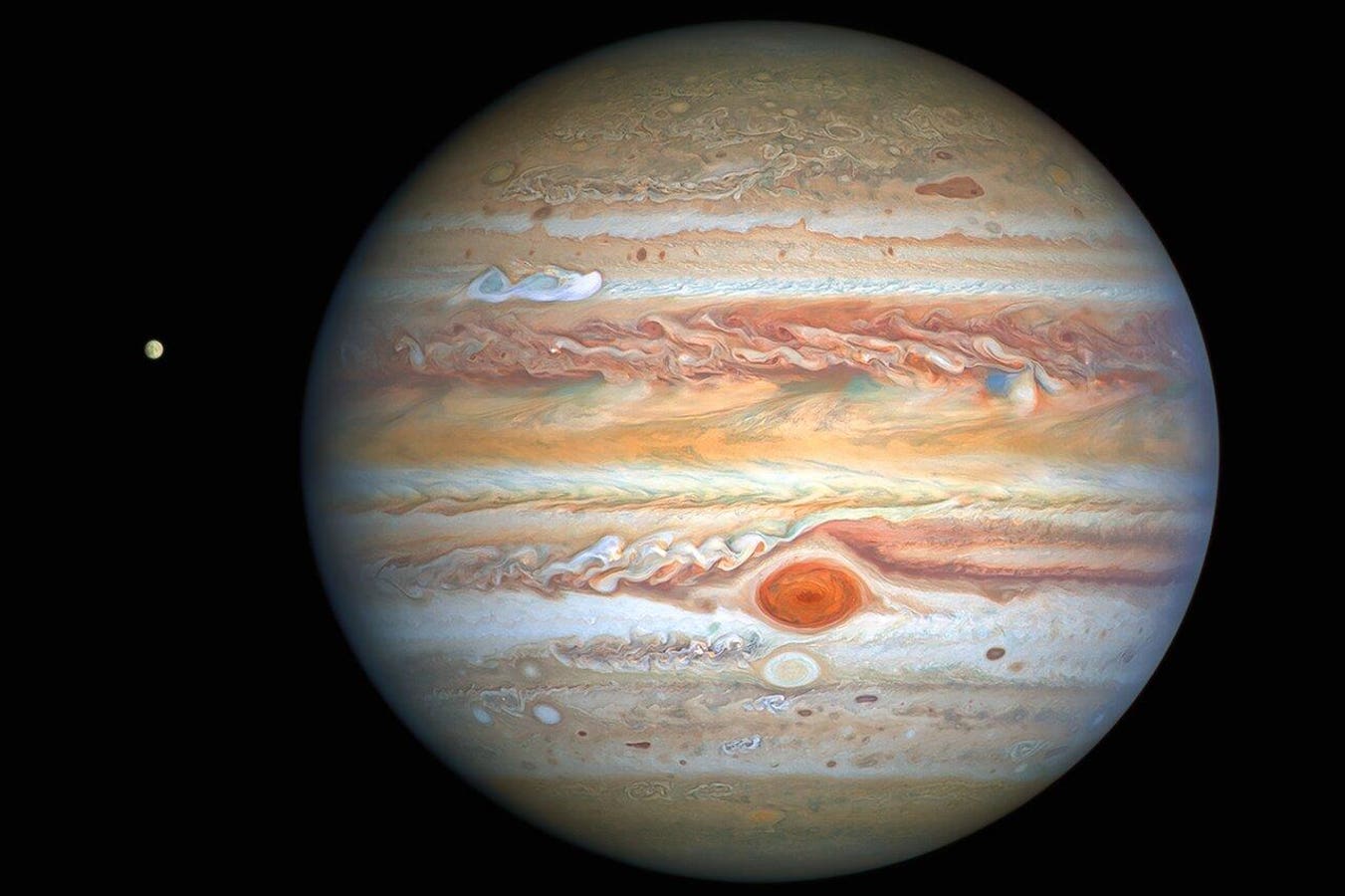
Jupiter's Spectacular Close Approach: A Guide to Spotting the 'King of Planets'

Originally Published 2 years ago — by Forbes

Featured image for Jupiter's Spectacular Close Approach: A Guide to Spotting the 'King of Planets'
Source: Forbes

Jupiter will be at its biggest, brightest, and best in 2023 during its annual "opposition" to the sun on November 3. This phenomenon occurs when Earth passes between Jupiter and the sun, making Jupiter appear fully illuminated. The best time to see Jupiter is from October 11 to November 23, and it is recommended to use a small telescope or binoculars to observe its pinkish bands and Galilean moons. Jupiter will be visible in the southeast sky after sunset and will gradually become dimmer as Earth moves away from it.

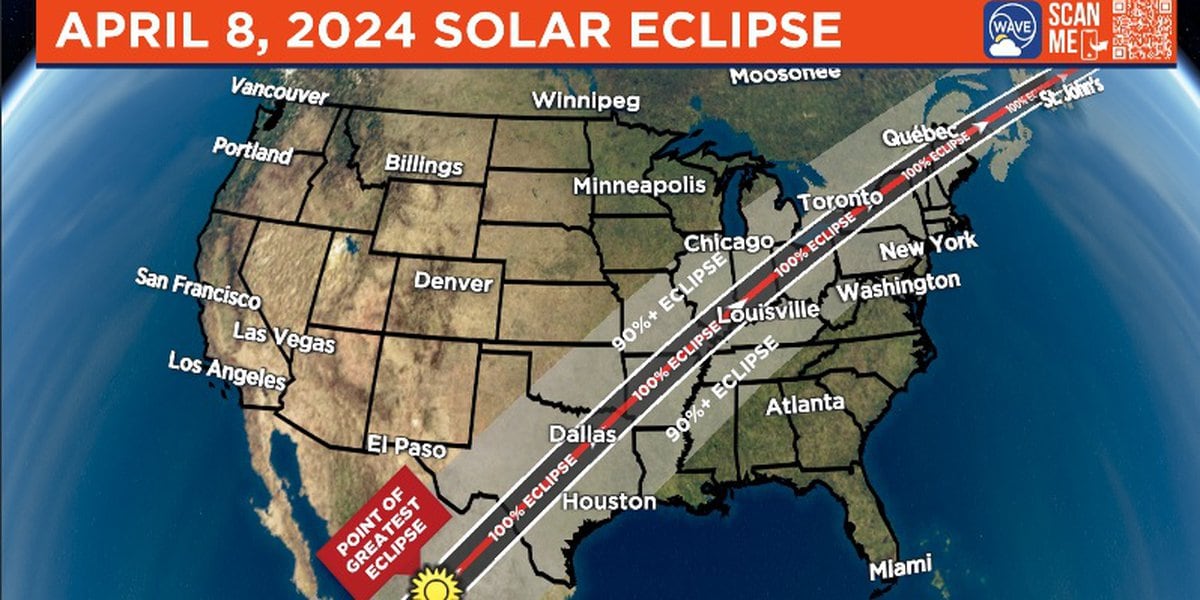
"Countdown Begins: Towns and Venues Prepare for 2024 Solar Eclipse"

Originally Published 2 years ago — by WAVE 3

Featured image for "Countdown Begins: Towns and Venues Prepare for 2024 Solar Eclipse"
Source: WAVE 3

Southern Indiana will be in the path of totality for the upcoming Total Solar Eclipse on April 8, 2024. While many spots will experience more than 90% of the eclipse, some Indiana communities will be in 100% totality. The total eclipse period will take place roughly from 1pm-5pm, but it is the 100% totality portion that will matter. Start making your viewing plans now!