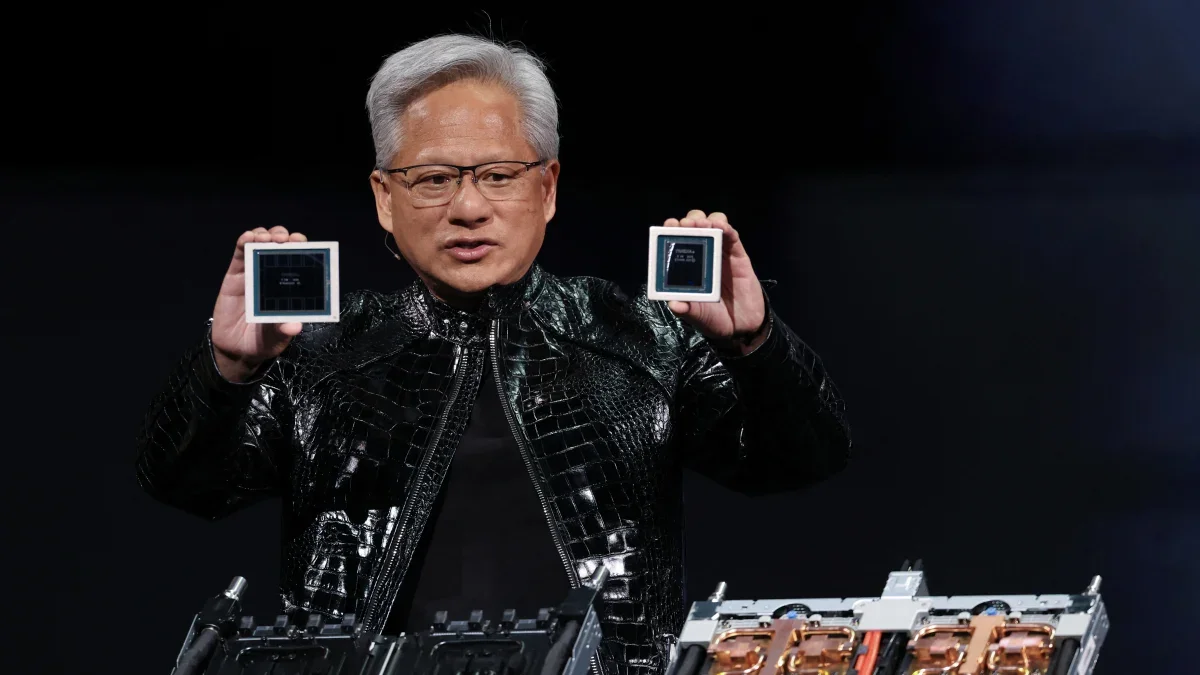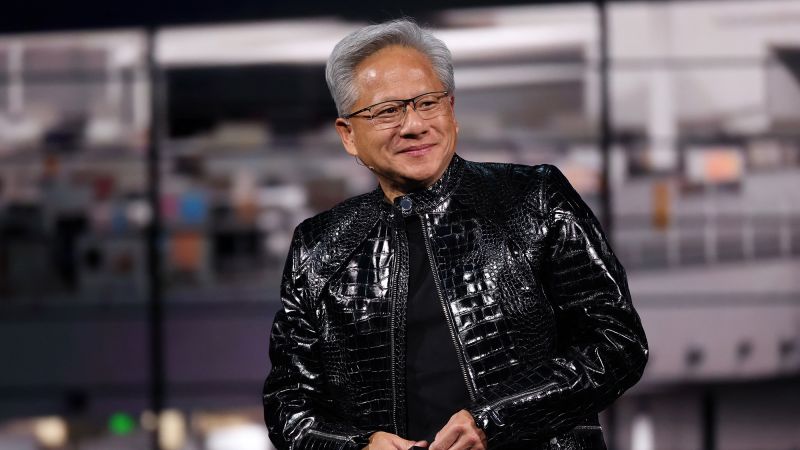
Nvidia announced its new Vera Rubin superchip platform at CES 2026, featuring six new chips designed for large-scale AI computing, aimed at hyperscalers like Microsoft and Google. The chips are expected to improve AI efficiency significantly, with the Vera Rubin superchip combining a CPU and GPUs. While the release date remains uncertain, Nvidia assured the chips will launch later this year, marking a major development in AI hardware.
Nvidia announced several major updates at CES 2026, including the Vera Rubin AI supercomputer architecture, new self-driving car tech, and updates to DLSS, G-Sync, and GeForce Now, signaling ongoing advancements in AI and gaming hardware.
Nebius, Supermicro, and CoreWeave are set to offer Nvidia's Vera Rubin computing platform, highlighting advancements in high-performance computing technology.
Nvidia unveiled its new AI data center platform, Vera Rubin, which aims to address the increasing demands of AI models and is set to launch in late 2026. The company is positioning itself as a leader in AI infrastructure amidst growing industry competition and significant investments in AI technology, with major cloud providers and AI labs expected to adopt the new system.
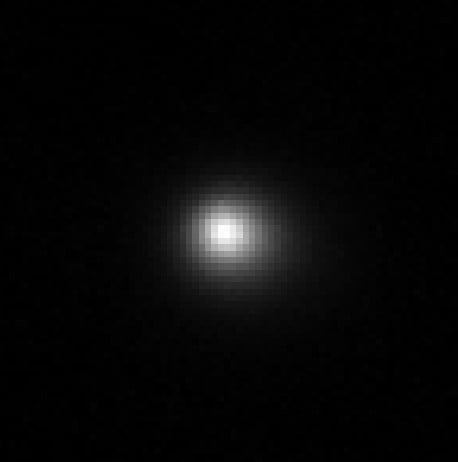
Vera Rubin Observatory captured the earliest high-resolution images of interstellar object 3I/ATLAS during its Science Validation phase, revealing its cometary behavior and providing valuable data before its official discovery, highlighting the potential of Rubin's observational power for future astronomy.
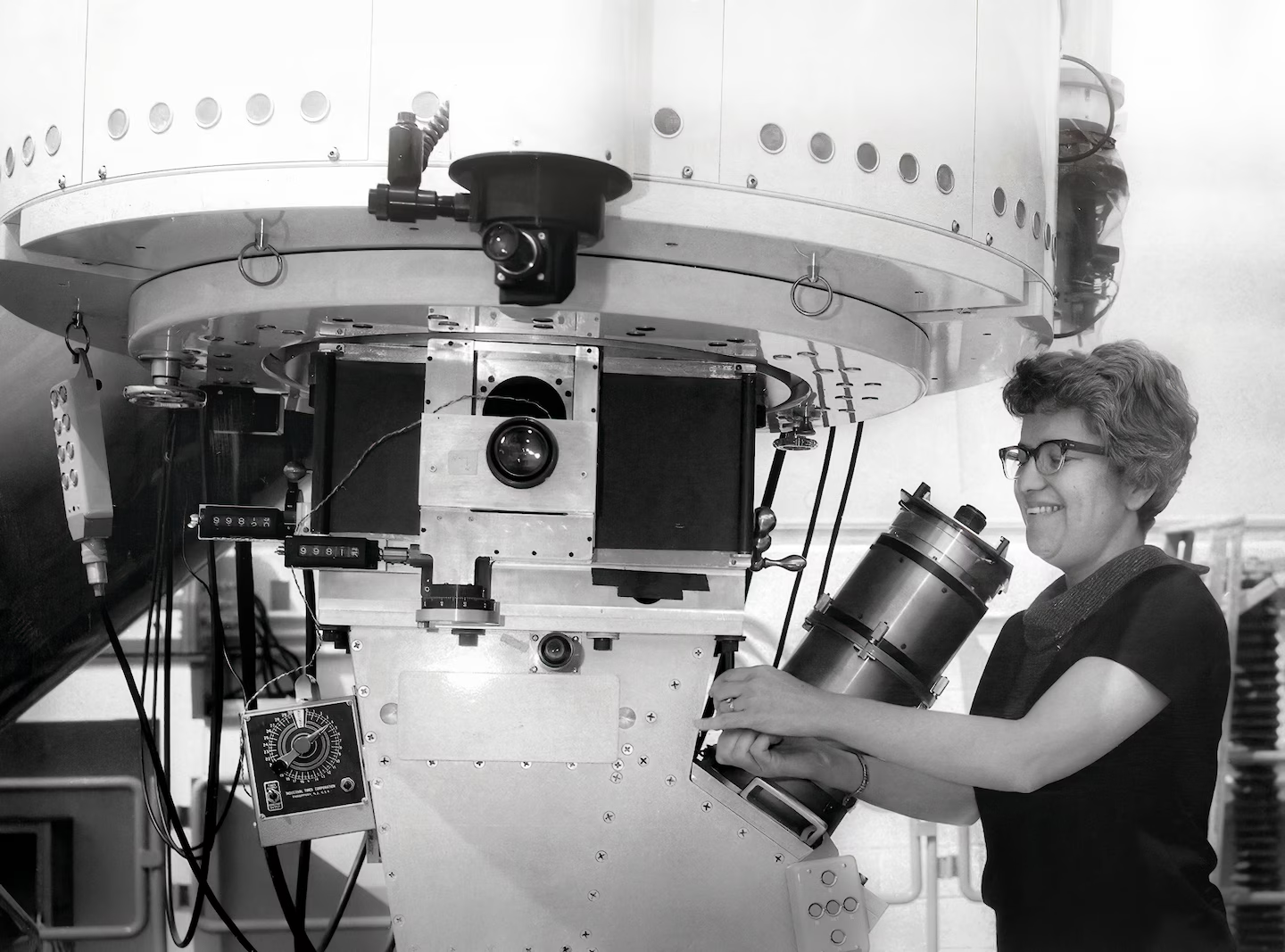
Vera Rubin, a pioneering Jewish astronomer, is celebrated for her groundbreaking work on galaxy movement and dark matter, with her legacy continuing through the Vera C. Rubin Observatory in Chile, which is set to revolutionize our understanding of the universe. Her life was marked by her dedication to science, her Jewish heritage, and her advocacy for women in STEM.
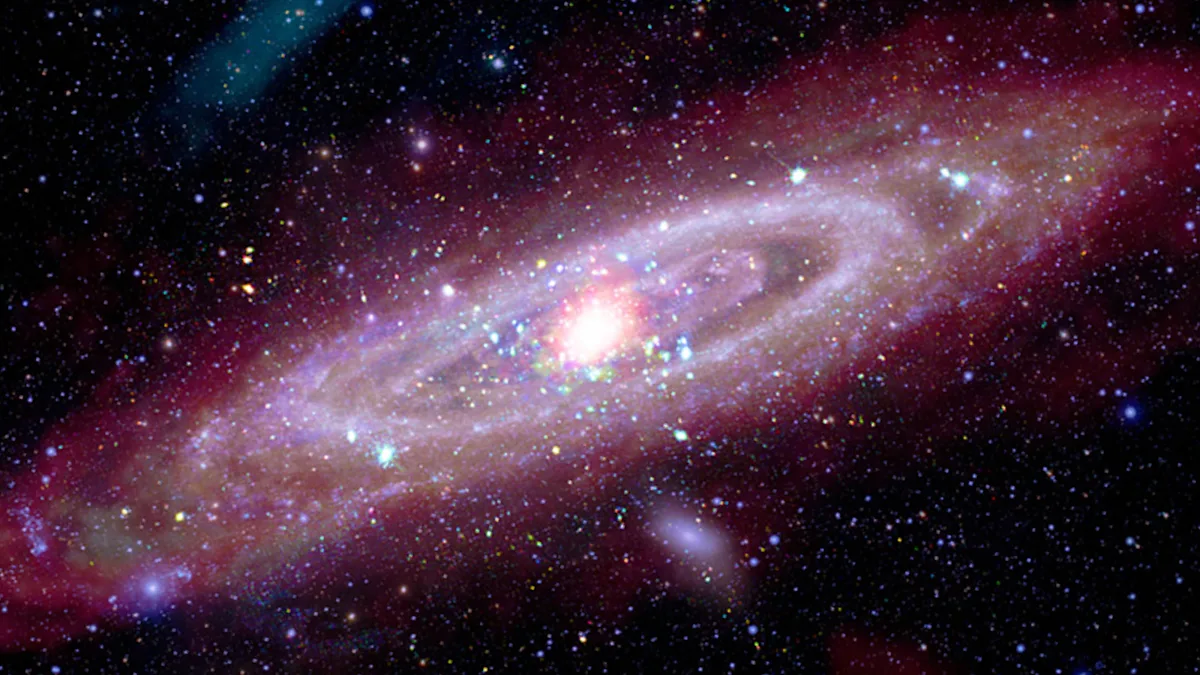
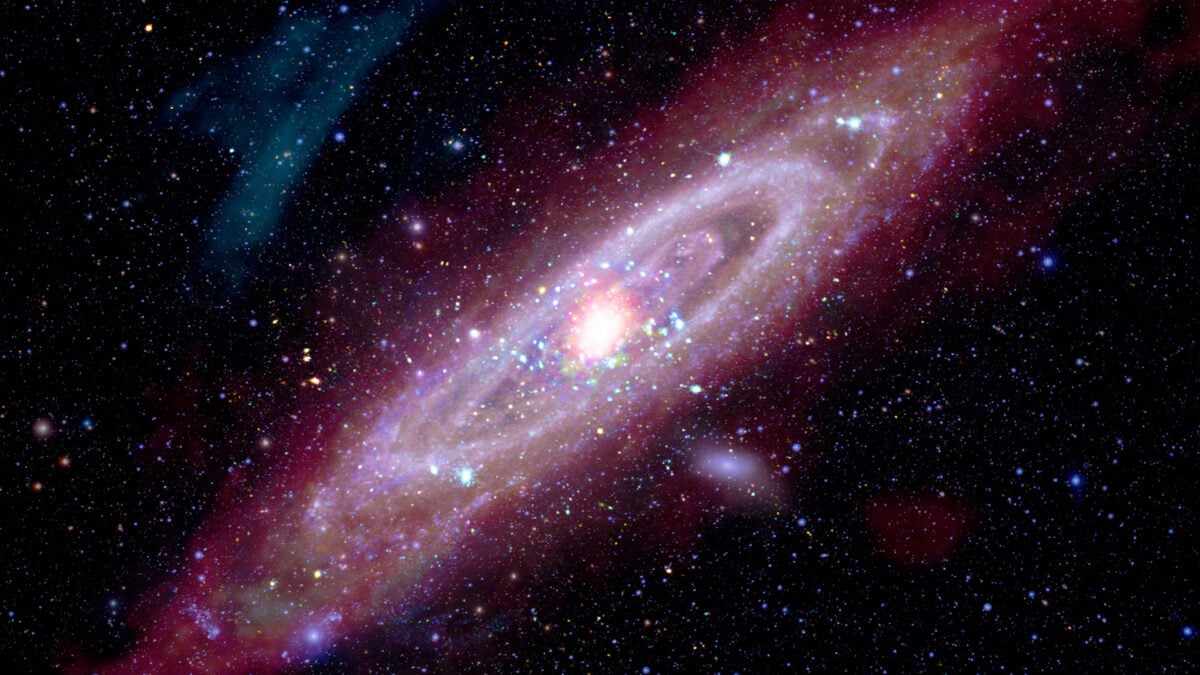
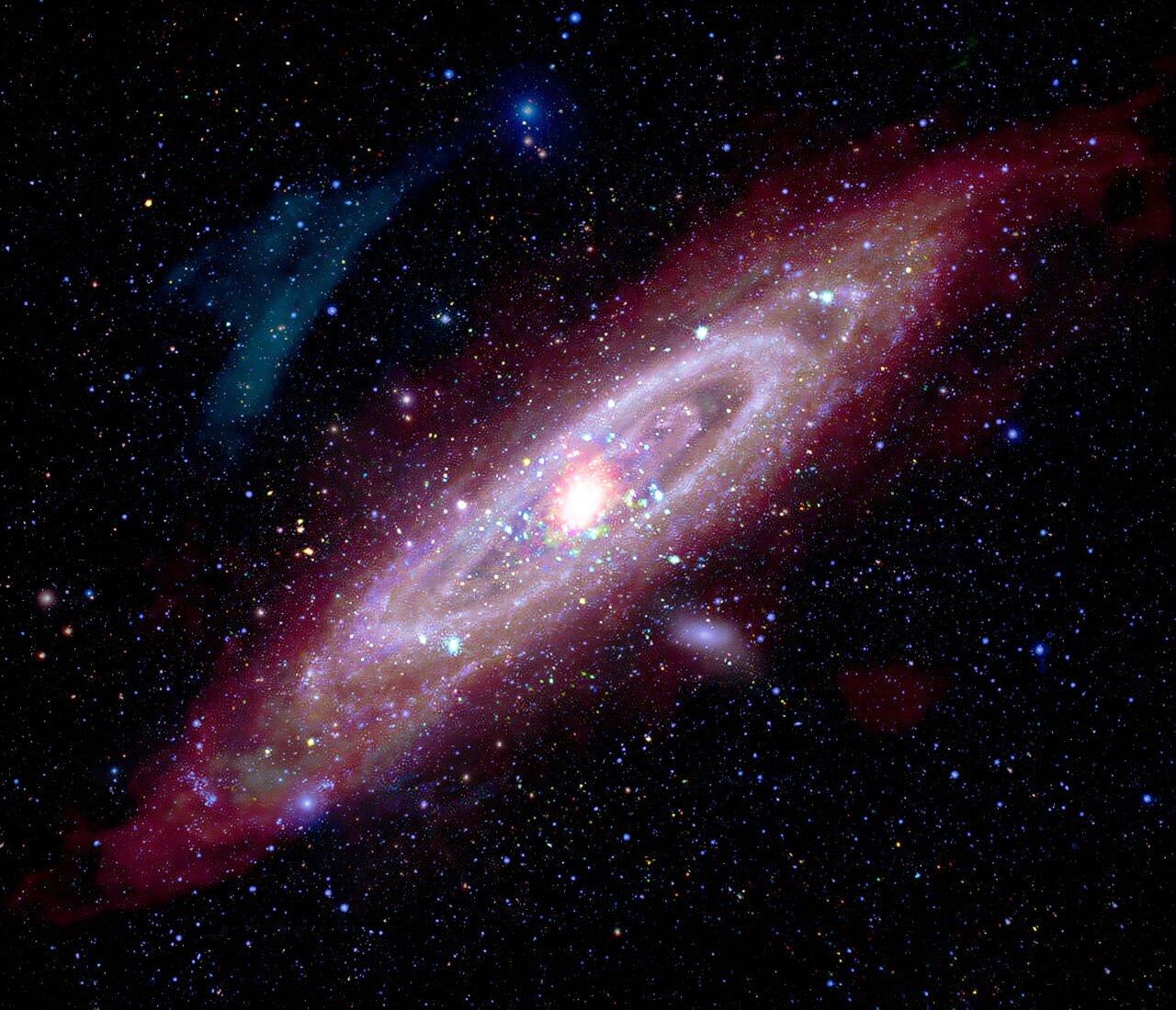
NASA's Chandra X-ray telescope, along with other space and ground-based observatories, has created a stunning multi-wavelength image of the Andromeda Galaxy, highlighting its features and the supermassive black hole M31*. The image pays tribute to astronomer Vera Rubin, whose work on galaxy rotation curves led to the discovery of dark matter, a dominant component of the universe. The project showcases the importance of multi-spectrum observations in understanding galactic structures and the universe's composition.
New detailed composite images of the Andromeda Galaxy, created using five different wavelengths of light, reveal stunning details and high-energy phenomena, including data from NASA and ESA telescopes, and celebrate astronomer Vera Rubin's contributions to dark matter research.
NASA released a new composite image and sonification of the Andromeda galaxy, combining data from various telescopes to enhance understanding of its structure, black hole activity, and the role of dark matter, honoring astronomer Vera Rubin's contributions to astrophysics.
Vera Rubin, inspired by her childhood in D.C., overcame gender barriers in astronomy to discover dark matter and has a notable observatory named after her.
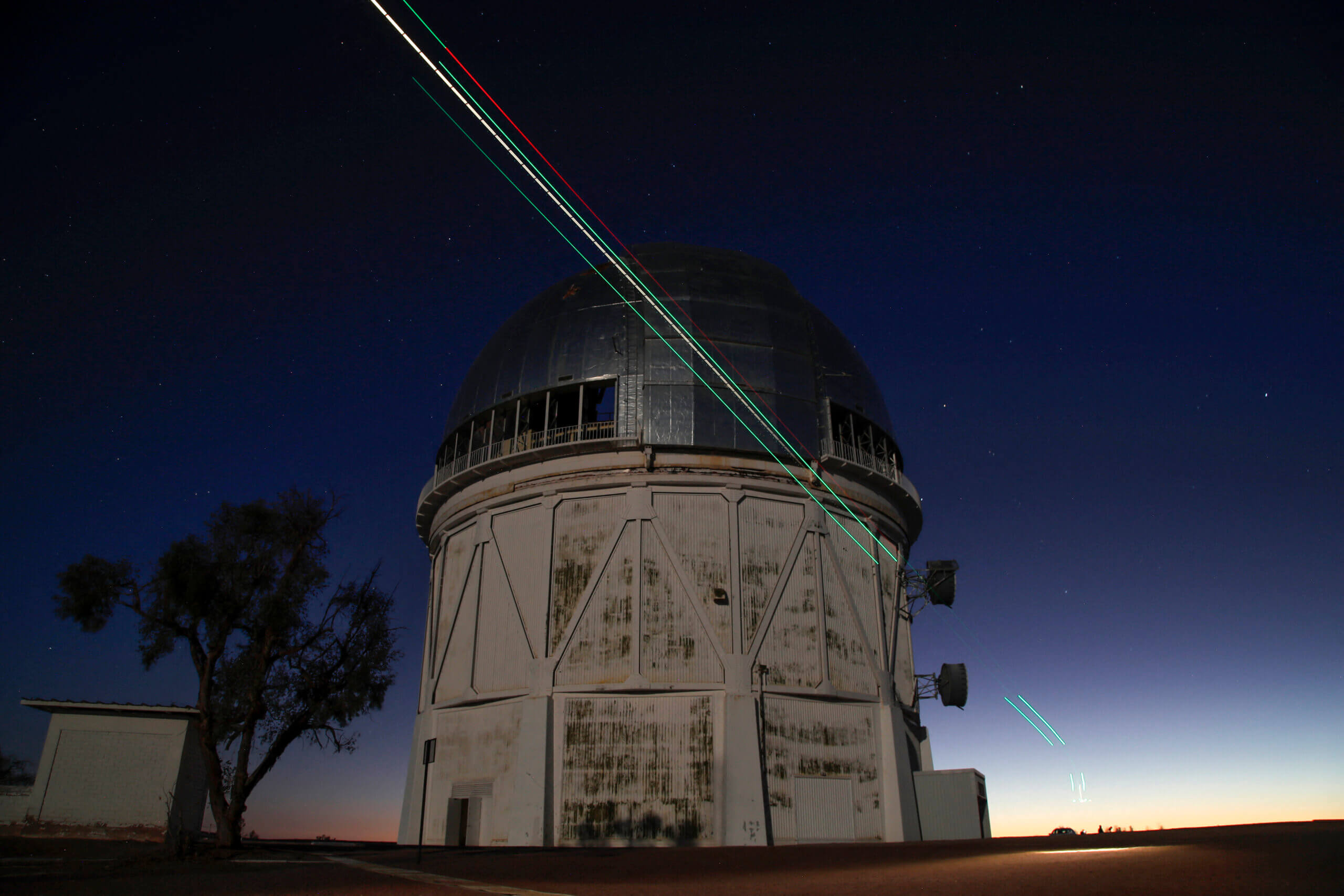
The Vera C. Rubin Observatory, named after the pioneering astronomer Vera Rubin, is set to revolutionize cosmic research, especially in dark matter and dark energy studies, amid a changing political climate that highlights her legacy in advancing women and underrepresented groups in science.
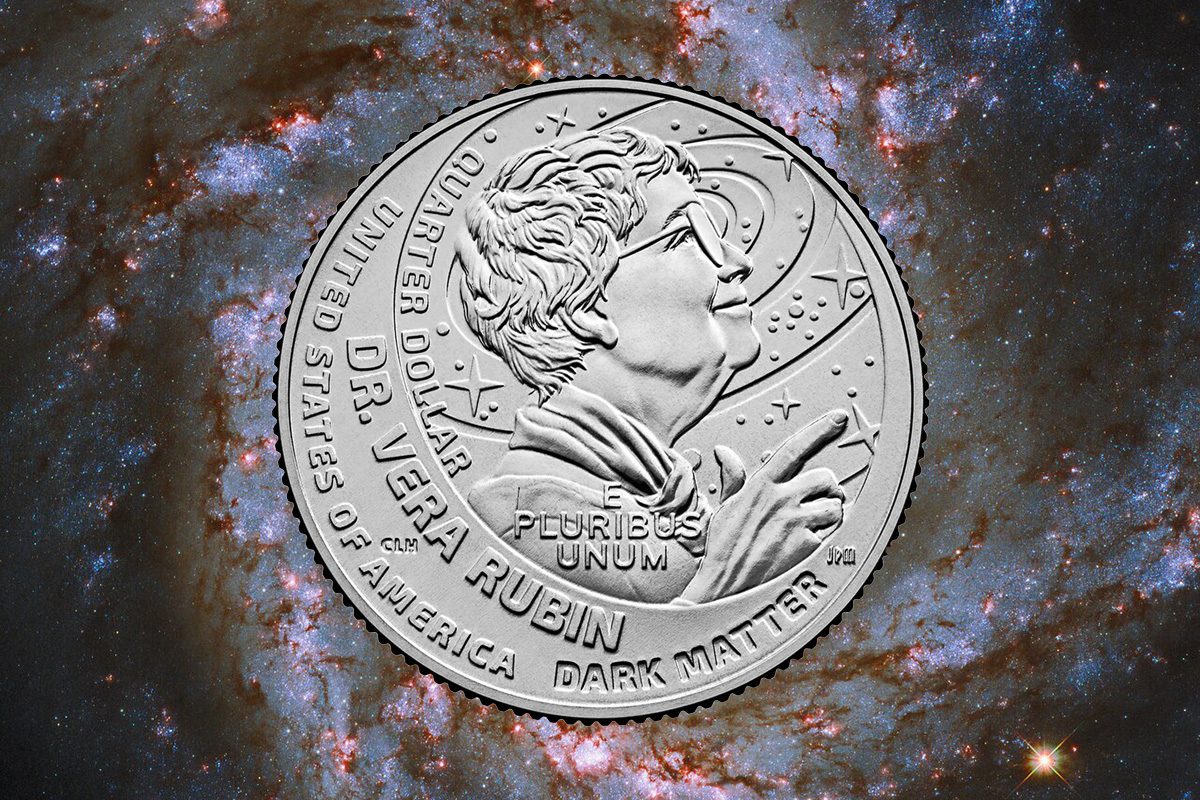
The US Mint has released a new quarter honoring astronomer Vera Rubin, whose pioneering work on galaxy rotation provided key evidence for dark matter, transforming our understanding of the universe. The coin features Rubin gazing at a spiral galaxy and is part of the American Women Quarters Program celebrating notable women in US history.