Tag

Memory Technology

All articles tagged with #memory technology

Analysts Raise Micron Price Targets Amid AI and Memory Market Growth

Originally Published 28 days ago — by Yahoo Finance

Featured image for Analysts Raise Micron Price Targets Amid AI and Memory Market Growth
Source: Yahoo Finance

Analysts have increased their price targets for Micron Technology due to rising demand for AI infrastructure, with Stifel raising its target to $300 and UBS to $295, citing strong memory pricing and market momentum, as Micron shifts focus towards enterprise markets and benefits from AI-driven growth.

Memory Chip Market Booms as SK Hynix Raises HBM4 Prices Amid Industry Competition

Originally Published 5 months ago — by Tom's Hardware

Featured image for Memory Chip Market Booms as SK Hynix Raises HBM4 Prices Amid Industry Competition
Source: Tom's Hardware

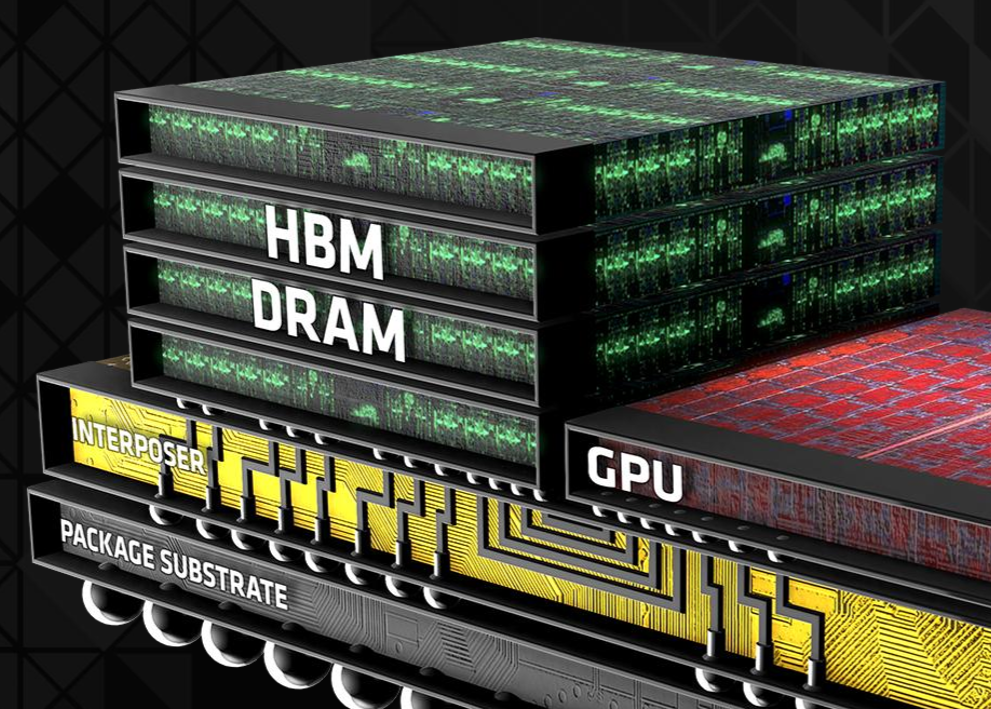
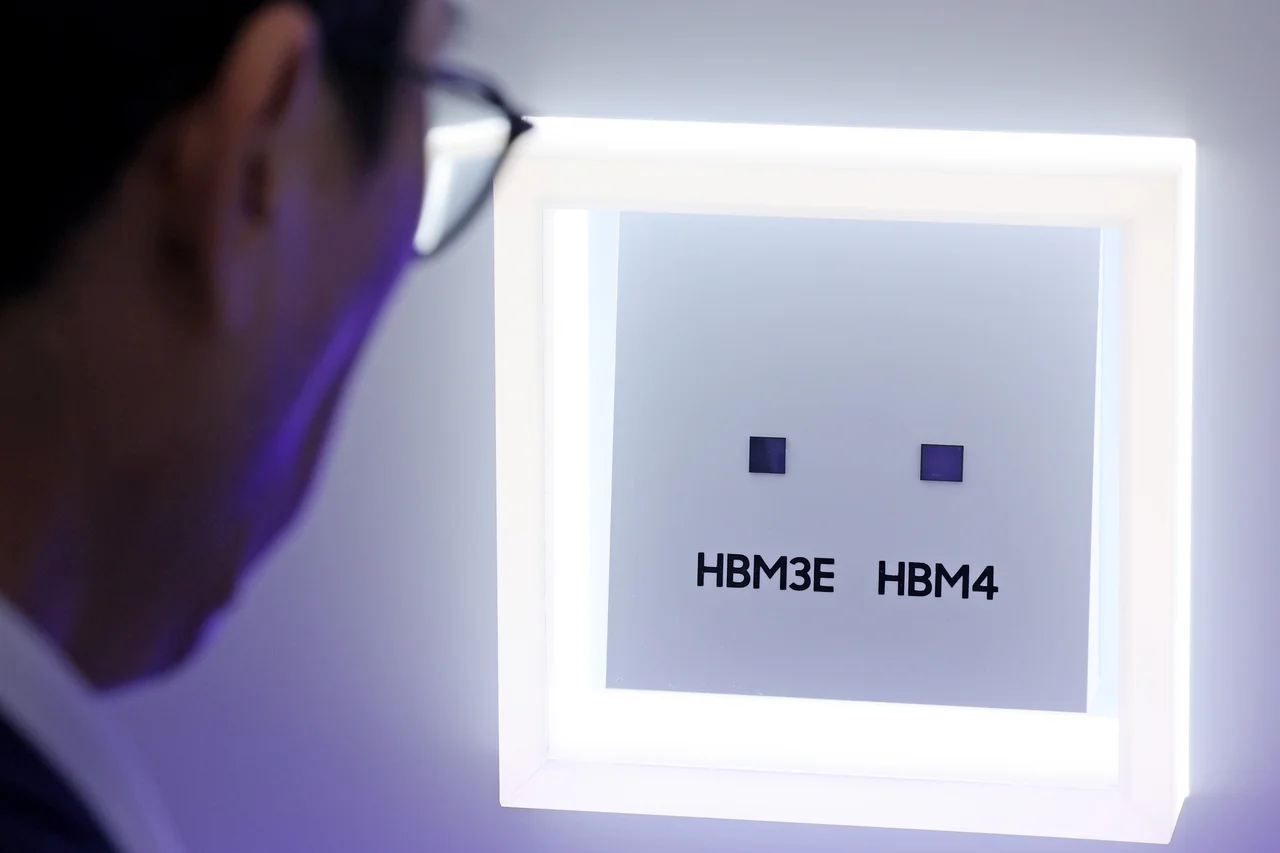
High Bandwidth Memory (HBM) is crucial for AI performance, powering the fastest GPUs and accelerators. Industry leaders like Micron, Samsung, and SK hynix are advancing HBM technology with HBM4 and HBM4E, which promise higher capacities and speeds to support next-generation AI models. HBM4 is expected to arrive around 2026, with HBM4E following in 2027, enabling even more powerful AI hardware.

Samsung Unveils Industry-Leading 10.7Gbps LPDDR5X DRAM for AI-Optimized Devices

Originally Published 1 year ago — by Samsung

Featured image for Samsung Unveils Industry-Leading 10.7Gbps LPDDR5X DRAM for AI-Optimized Devices
Source: Samsung

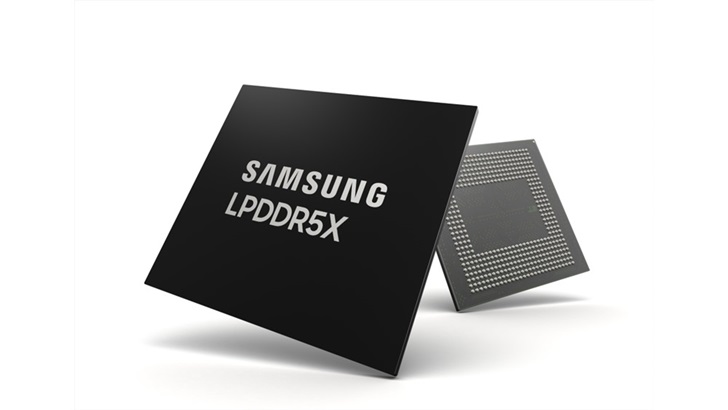
Samsung has developed the industry's fastest LPDDR5X DRAM, offering 10.7Gbps performance, 30% more capacity, and 25% higher power efficiency. This innovation is optimized for AI applications and is expected to expand into various sectors including PCs, accelerators, servers, and automobiles. The LPDDR5X is designed to meet the increasing demand for low-power, high-performance memory in the on-device AI era, with mass production scheduled to begin in the second half of the year.

Micron Unveils Next-Gen Memory Technologies for Faster Servers and Higher Capacities

Originally Published 2 years ago — by VideoCardz.com

Featured image for Micron Unveils Next-Gen Memory Technologies for Faster Servers and Higher Capacities
Source: VideoCardz.com

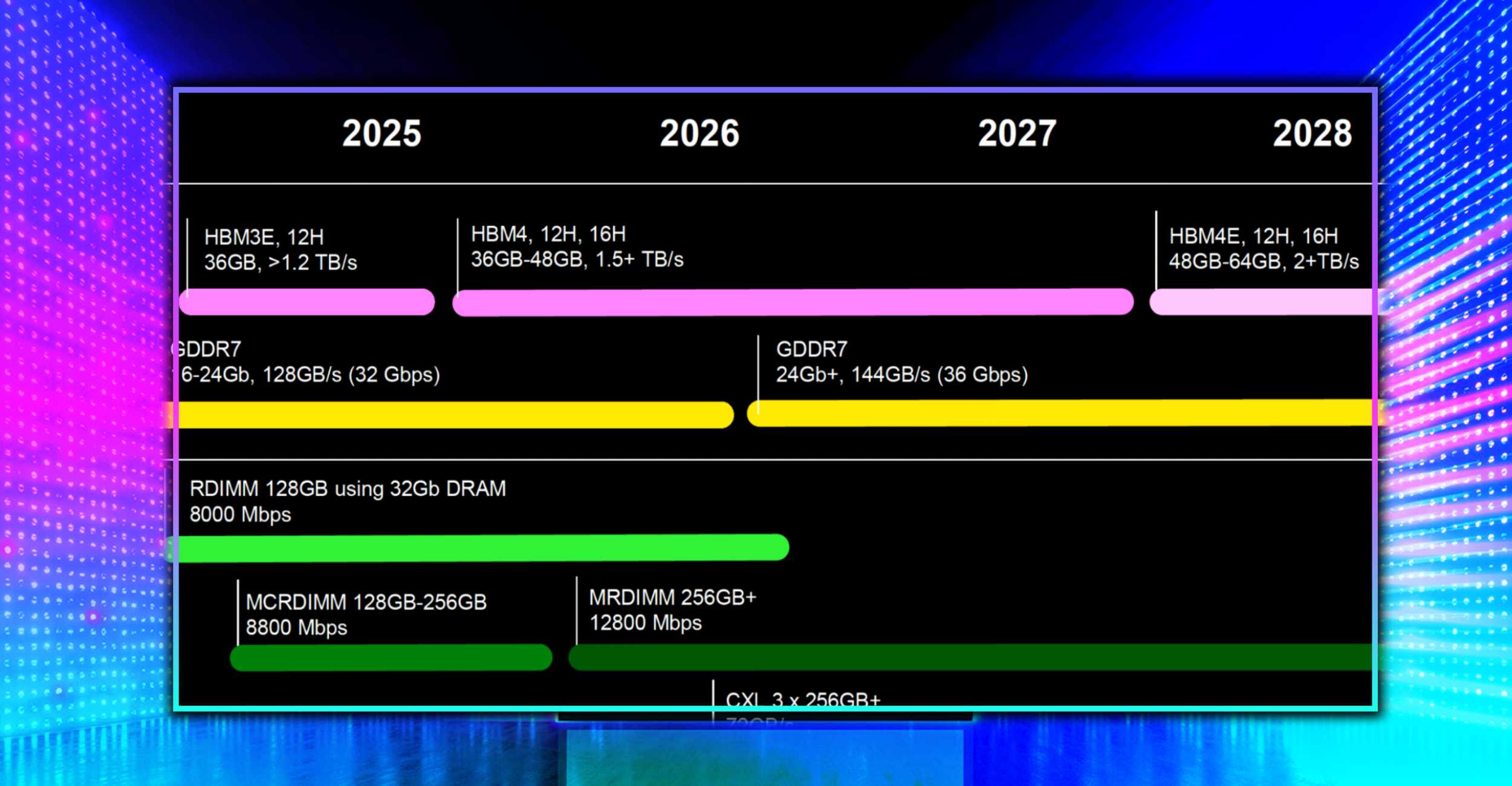
Micron has unveiled its roadmap for upcoming memory innovations, including the introduction of HBM4E memory in 2028 with capacities of 48 to 64GB per stack and a bandwidth of 2TB/s. The roadmap also reveals plans for GDDR7 technology in late 2024, bringing a boost in bandwidth to 32 Gbps, and subsequent higher bandwidth of 36 Gbps in 2027 and 2028. Additionally, Micron plans to introduce MCRDIMM memory in 2025 with capacities ranging from 128 to 256GB and a transfer speed of 8800 MT/s.

Samsung Unveils 'Shinebolt': Revolutionary 36GB HBM3E Memory with Lightning-Fast 9.8 Gbps Speeds

Originally Published 2 years ago — by AnandTech

Featured image for Samsung Unveils 'Shinebolt': Revolutionary 36GB HBM3E Memory with Lightning-Fast 9.8 Gbps Speeds
Source: AnandTech

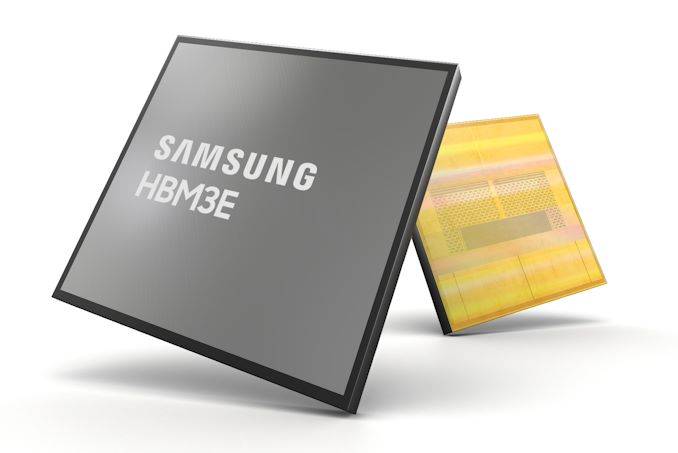
Samsung has announced Shinebolt, its HBM3E memory, which offers higher capacities and greater memory bandwidth than its predecessor, HBM3. Shinebolt will have a maximum capacity of 36GB and a memory clockspeed of 9.8Gbps/pin, making it faster and more efficient than previous HBM memory. Samsung also provided an update on its GDDR7 memory, which will feature a switch to PAM3 encoding, allowing for improved memory transfer rates. GDDR7 is expected to have 50% lower standby power consumption than GDDR6. Both Shinebolt and GDDR7 are targeted at high-end processors, particularly in the AI market.

Residue-Free Field Effect Transistors: Pioneering Next-Generation Memory Technology

Originally Published 2 years ago — by SciTechDaily

Featured image for Residue-Free Field Effect Transistors: Pioneering Next-Generation Memory Technology
Source: SciTechDaily

Researchers at Tohoku University have made advancements in phase change memory by using sputtering to create niobium telluride (NbTe4), a material with superior storage and thermal capabilities. NbTe4 exhibits an ultra-low melting point and high crystallization temperature, offering reduced reset energies and improved thermal stability. It demonstrated a significant reduction in operation energy and fast-switching speed, positioning it as a promising next-generation phase change memory material.