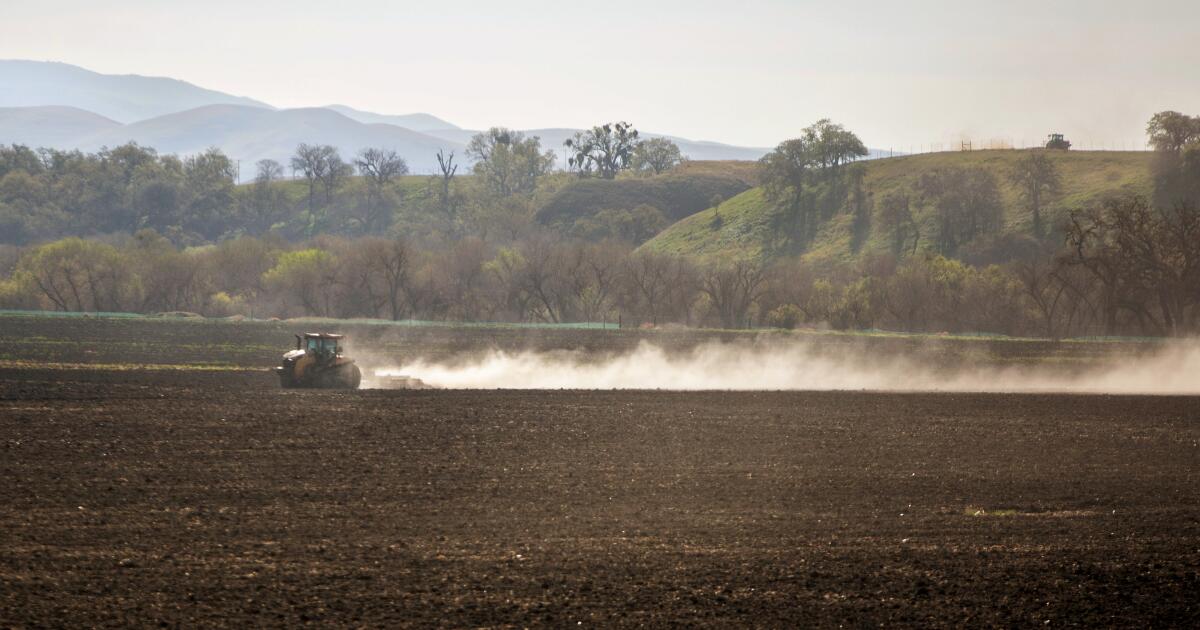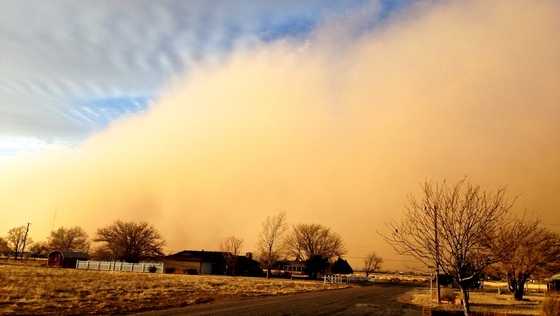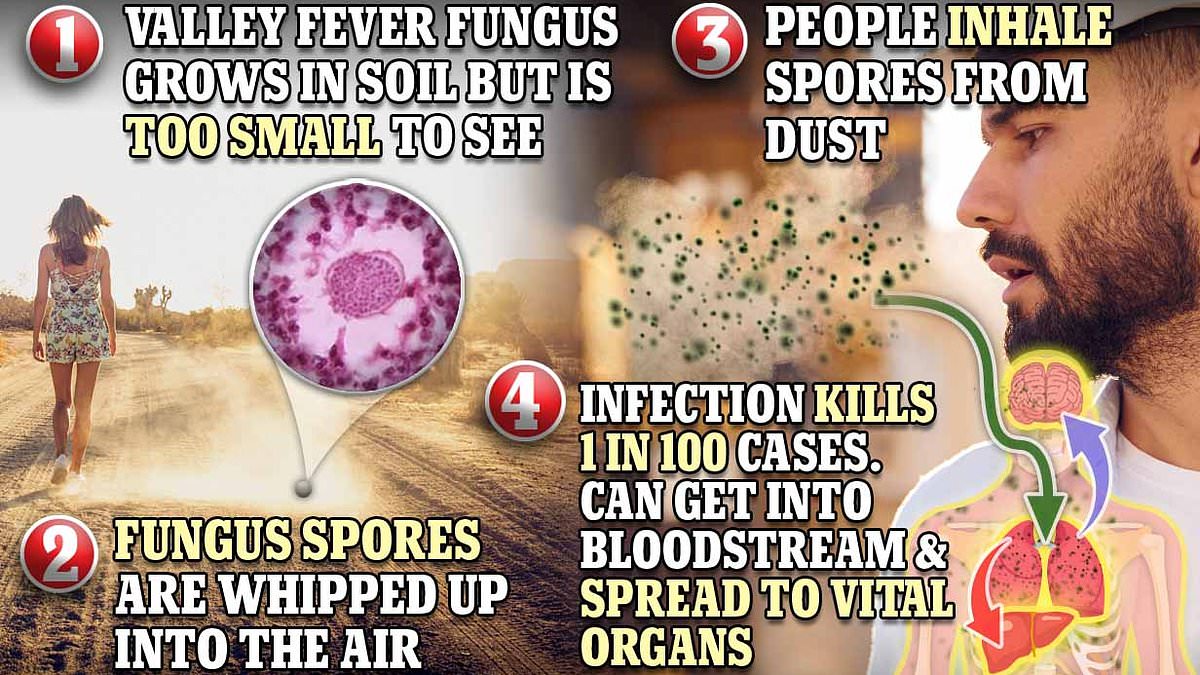
Public health officials in Riverside County report a 58% increase in Valley fever cases in 2024, with 465 confirmed cases so far, linked to dry, dusty conditions. The disease, caused by inhaling fungal spores, poses risks especially to outdoor workers and those with pre-existing health conditions. Precautions include staying indoors during dust storms, wearing masks, and avoiding dusty areas. Symptoms resemble the flu and can become severe, requiring medical attention.

California is experiencing a surge in Valley Fever cases, with 6,761 reported by July 2025, potentially surpassing the previous record of 12,595 cases in 2024, driven by climate change and soil-borne spores that cause respiratory illness, which can be severe in vulnerable populations.
Valley fever cases in California are reaching record highs in 2025, with 6,761 cases reported by July, surpassing the 10-year average and last year's total, likely influenced by drought, precipitation patterns, and climate change. The disease, caused by inhaling fungal spores from disturbed soil, is most prevalent in arid regions like the San Joaquin Valley, and officials warn about increased risks and symptoms that mimic COVID-19. Preventive measures include staying indoors, wearing masks, and wetting soil before disturbance.
A comprehensive study in New Mexico reveals that residents are among the most at-risk populations for Valley fever, a lung-infecting disease caused by inhaling soil fungi, with higher risks in dusty, dry areas and rodent burrows; awareness and early treatment are crucial.
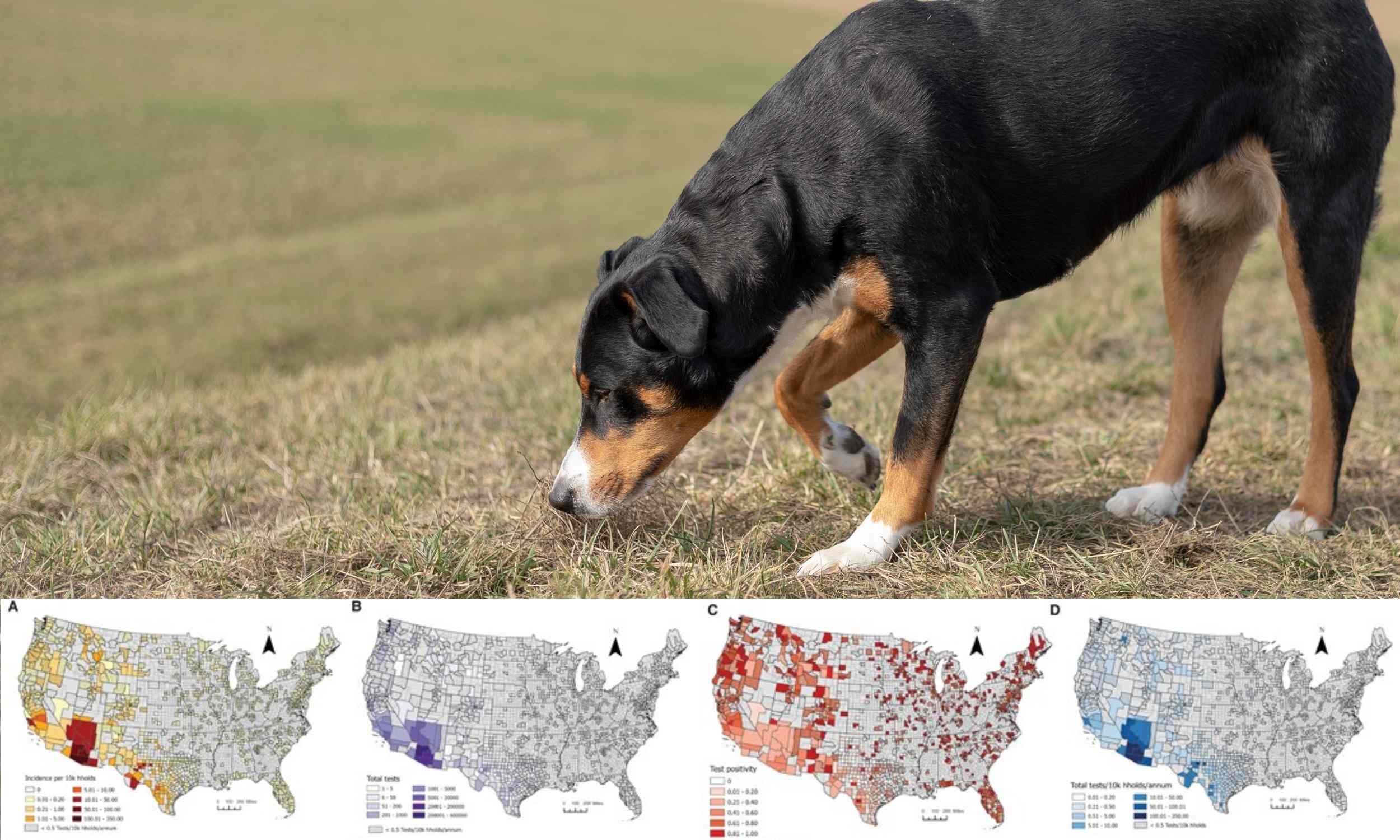
Scientists have found that dogs can serve as early indicators of Valley fever outbreaks in the US by detecting fungal spores in their blood, which helps predict human infection risks, especially in regions with environmental changes like droughts and heavy rains.
A CDC-led study estimates that US valley fever cases in 2019 were 10 to 18 times higher than reported, with 273,000 symptomatic cases, highlighting the need for improved awareness, testing, and reporting to better understand and manage the disease.
California is experiencing a record increase in valley fever cases due to longer, drier summers, with over 4,000 cases reported from January to April. The disease, caused by inhaling spores of the fungus coccidioides in dry soil, is more likely to affect outdoor workers, pregnant women, children, and certain ethnic groups. Public health officials recommend precautions such as wearing masks, staying indoors during windy days, and avoiding dusty activities to reduce risk. Symptoms include cough, fever, and chest pain, and while mild cases resolve on their own, severe cases require medical treatment with antifungal medications.
California and Arizona are experiencing a significant rise in Valley Fever cases, a lung infection caused by the Coccidioides fungus, with California reporting a 46% increase and Arizona an 11% increase in 2024. The disease, which is not transmissible between humans, can lead to severe lung problems and even fatal complications in some cases. Efforts to develop a human vaccine are underway, with the University of Arizona Valley Fever Center for Excellence receiving $33 million in funding, following successful development of a canine vaccine.
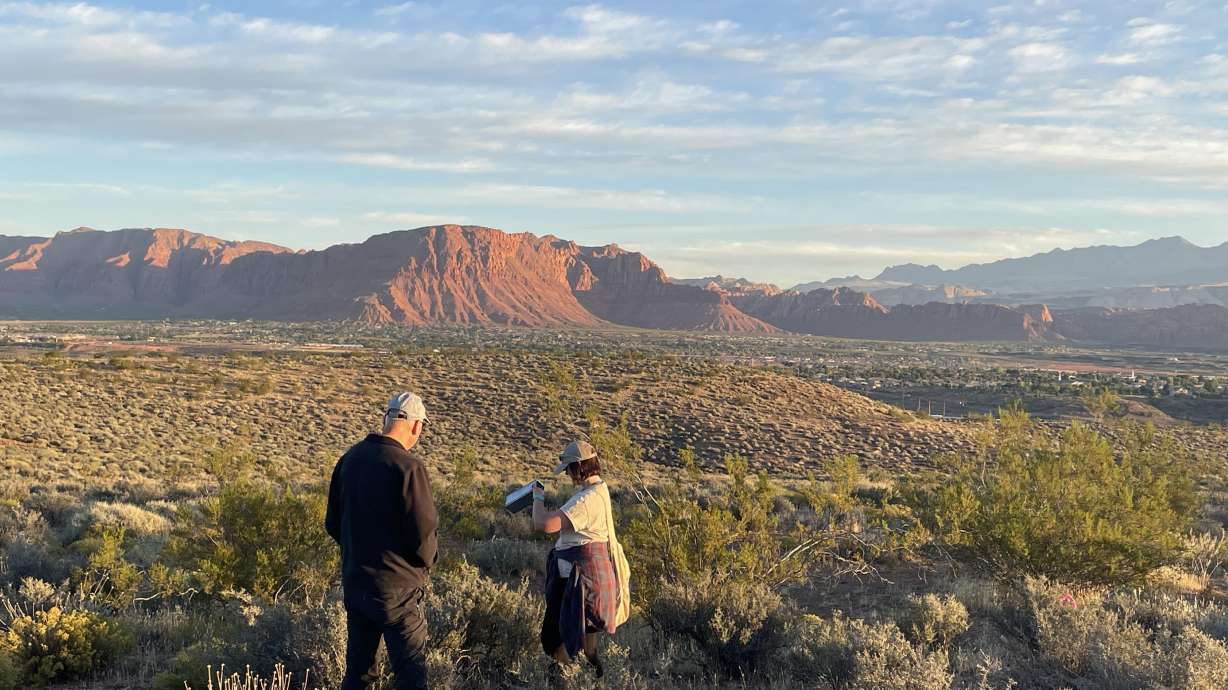
University of Utah researchers are studying the spread of Valley fever, a fungal respiratory infection, through soil and dust in Utah. The interdisciplinary team is mapping where the fungus can survive and spread, especially in the Washington County and St. George regions. With climate change impacting the range of the fungus, the researchers aim to raise awareness and educate the public about the signs, symptoms, and prevention of Valley fever, which poses a significant risk to outdoor workers.
Intensifying winter rainstorms in California are spreading the deadly fungal disease valley fever, with cases reaching record numbers. Climate change, particularly the oscillation between extreme dryness and wetness, is creating ideal conditions for the spores to spread. Rising global temperatures and increasingly intense atmospheric rivers are fueling the growth of valley fever, posing a profound threat to public health in California.
Respiratory illnesses like Valley fever, Covid-19, and influenza are prevalent in Arizona, with Valley fever being particularly dangerous due to its less discussed nature. Caused by spores in desert soil, it can lead to severe symptoms and affect other parts of the body if left untreated. Early diagnosis and treatment are crucial, especially for those frequently outdoors in southwestern regions. Preventative measures such as vaccines, handwashing, and stress reduction are recommended to stay healthy.
The spread of Valley fever, a fungal infection caused by coccidioides, is increasing in the American West, and scientists believe that climate change is a major factor. The fungus thrives in dry soils and is carried by dust storms, which have become more intense and widespread due to the warming climate. Valley fever cases have quadrupled in the past two decades, and researchers warn that a larger area of the United States will become vulnerable to the disease in the coming decades. Efforts are underway to study the fungus's transmission and develop a vaccine, but the exact extent of its spread and impact remains uncertain.
Cases of valley fever, a respiratory infection caused by a fungus found in soils, are increasing in San Mateo County, potentially due to construction and climate change, according to health officials. The fluctuation between dry conditions during a drought and rainy winters creates favorable conditions for the fungus to thrive.
The Centers for Disease Control and Prevention (CDC) predicts that cases of Valley Fever, a deadly fungus infection, could increase by 25 times in the coming years due to climate change. Currently infecting around 20,000 Americans annually, the CDC estimates that over half a million people could be affected each year. Rising temperatures are expected to expand the endemic region of the disease, spreading it to dry western areas. Valley Fever, caused by the fungus Coccidioides, is commonly misdiagnosed and often mistaken for pneumonia. Symptoms include fatigue, cough, fever, muscle aches, and breathlessness. The CDC's new initiative aims to tackle the illness, as cases have been steadily increasing since 2014.
Health officials in California are warning of an increased risk of Valley fever infections due to the wet weather experienced during the past winter. Valley fever, caused by breathing in fungus spores found in dust, can lead to respiratory problems such as cough, fever, chest pain, body aches, and fatigue. The California Department of Public Health advises the public to recognize symptoms and take precautions to avoid exposure to dusty air, especially in areas where Valley fever is common.