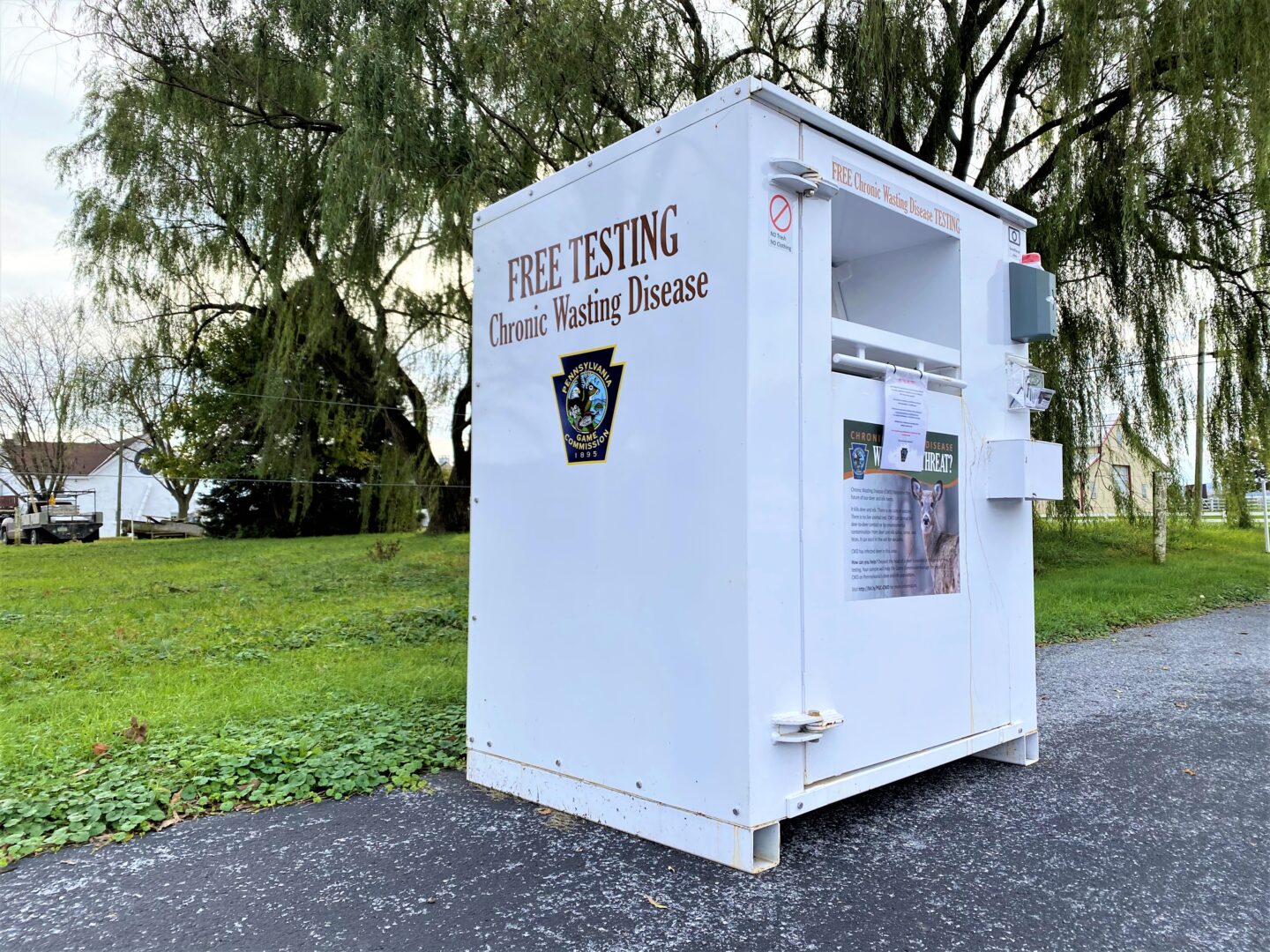
Pennsylvania hunters can now submit deer heads from anywhere in the state for free testing of chronic wasting disease at collection bins located throughout the state, aiding in disease monitoring and management efforts, with no restrictions on where the deer was shot.
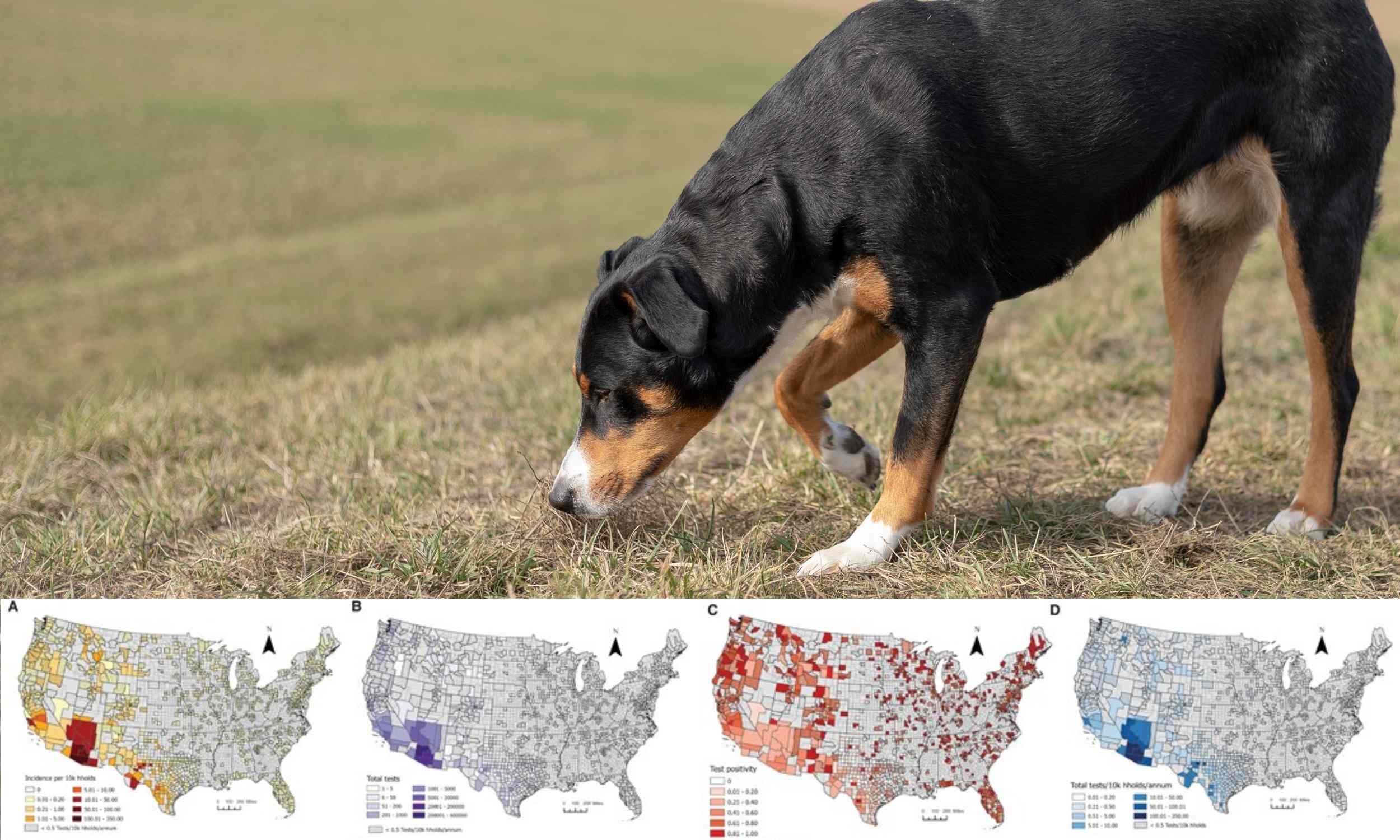
Scientists have found that dogs can serve as early indicators of Valley fever outbreaks in the US by detecting fungal spores in their blood, which helps predict human infection risks, especially in regions with environmental changes like droughts and heavy rains.
MIT engineers have developed a postage stamp-sized ultrasound sticker that can be worn on the skin to monitor internal organs for signs of disease like liver or kidney failure, as well as track the progression of solid tumors. The sticker sends sound waves through the skin and into the body, which reflect off internal organs and return to the sticker. By measuring and tracking the pattern of reflected waves, the sticker can provide a signature of organ rigidity, offering a non-invasive method for disease monitoring.
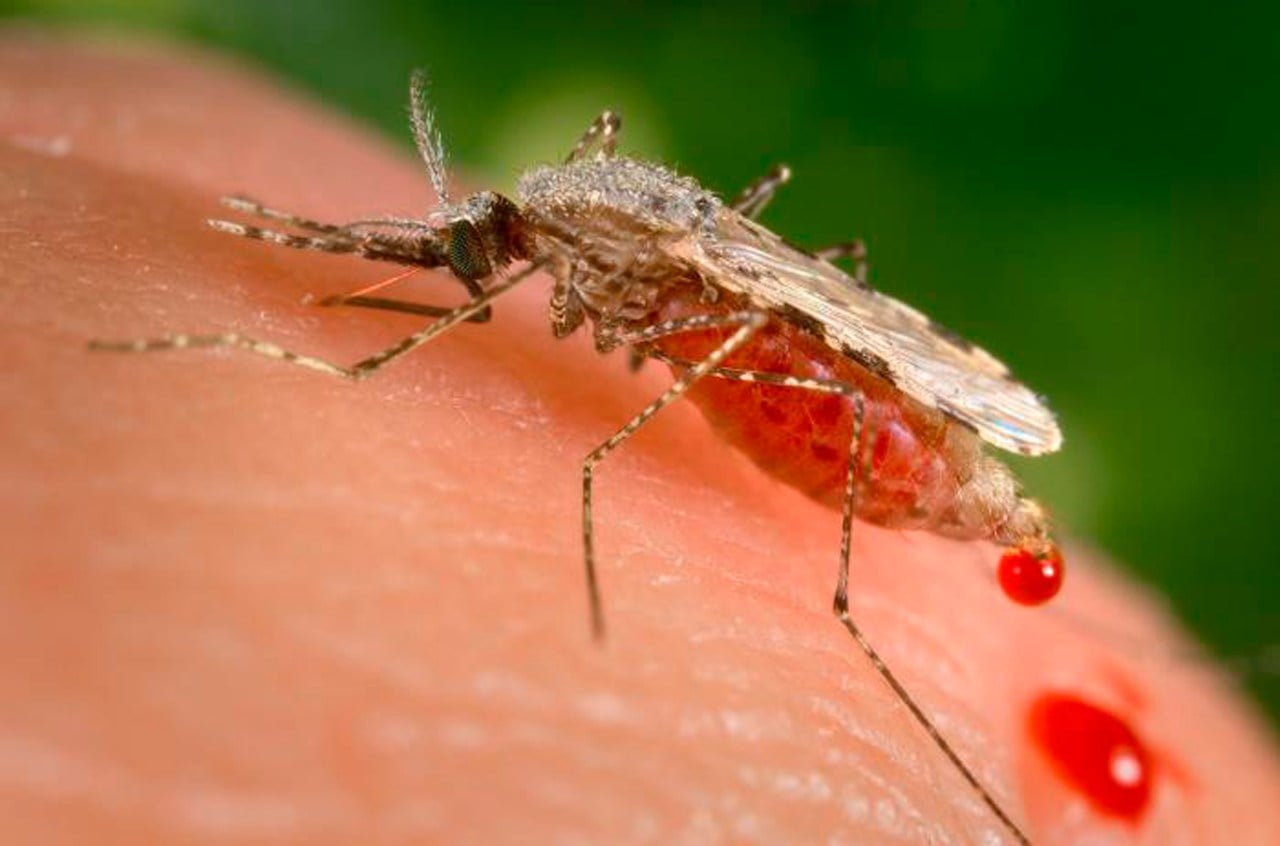
Austin Public Health (APH) is closely monitoring the situation after a Texas resident contracted malaria without traveling outside the state or country, marking the first locally acquired case in Texas in nearly 30 years. The infected man, who lives in Cameron County, has received treatment and is improving. APH has advised community members to protect themselves from mosquito bites and provided information on the disease to local providers. The Texas Department of Health and Human Services has not detected any other locally acquired cases in Texas, and there is no evidence linking the recent cases in Florida to the one in Cameron County.