The article discusses the potential return of Donald Trump to the political spotlight as he prepares for the 2024 presidential election. It explores the possible outcomes of his re-emergence, considering whether it will be a success, a failure, or a spectacle, and examines the implications for the Republican Party and the broader political landscape.
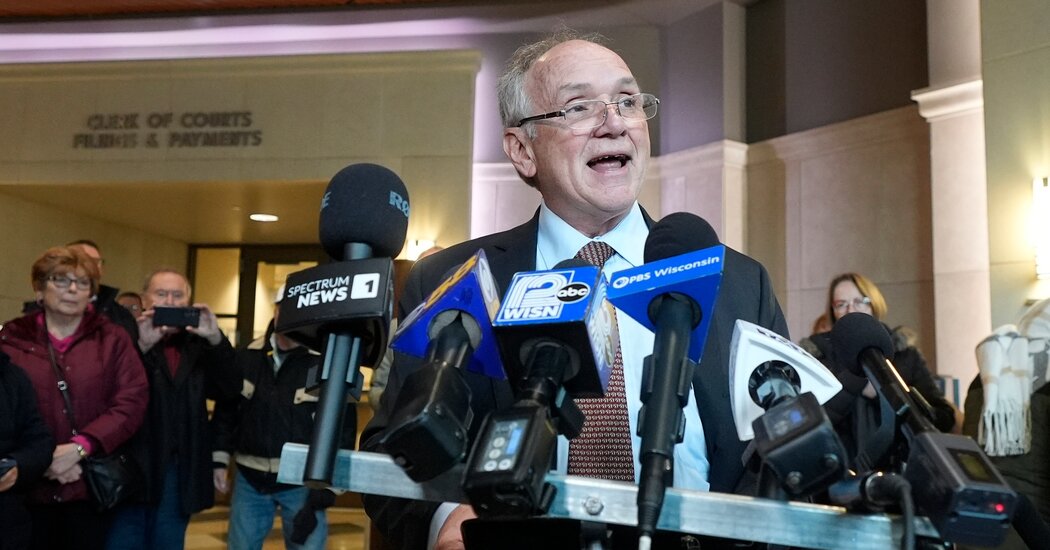
Prosecutors in three U.S. states are actively pursuing legal cases related to election interference, highlighting ongoing efforts to address alleged misconduct in the electoral process.
The article discusses the trend of U.S. presidential nominees withdrawing from Cabinet positions due to controversies, highlighting recent examples from Trump's administration, including Matt Gaetz and Pete Hegseth. It notes that such withdrawals are not new, citing past instances from the Bush, Clinton, Obama, and Biden administrations. The piece also explores how Trump's approach to nominations, often bypassing traditional vetting processes, has led to increased scrutiny and controversy.
Chinese cyberspies, as part of the Salt Typhoon campaign, have recorded calls of high-level US political figures, according to Anne Neuberger, the White House's deputy national security advisor for cyber and emerging technology. The espionage operation targeted senior political individuals and compromised eight US telecom providers, along with organizations in numerous countries. The campaign also accessed wiretapping systems, although this was not its primary focus. The US Senate Commerce subcommittee is set to investigate these cybersecurity threats in an upcoming hearing.
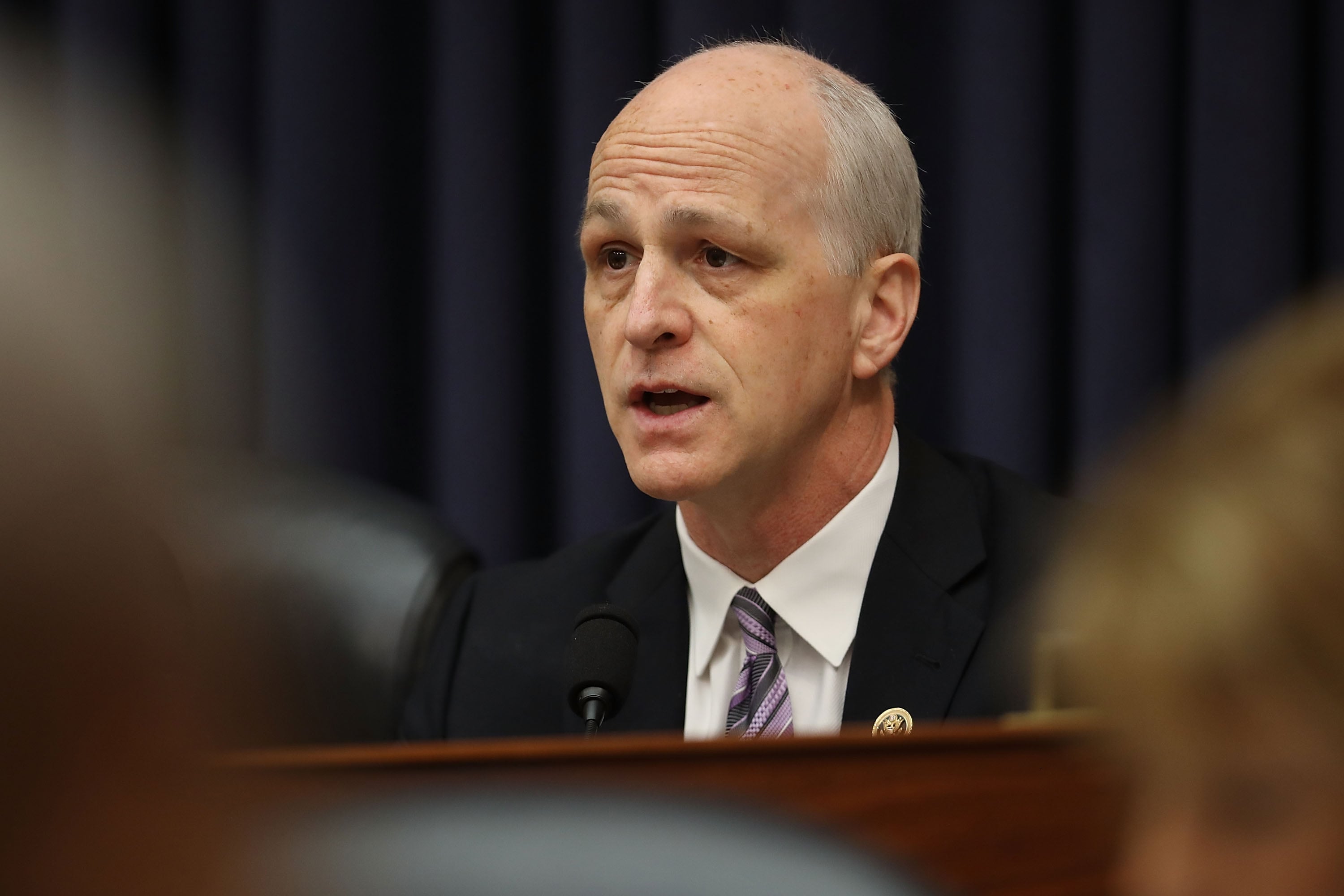
The annual National Defense Authorization Act faces potential hurdles due to a provision concerning transgender medical care for minors, which has been included at the insistence of Republicans. This provision could complicate the bill's passage, as Democrats, led by Rep. Adam Smith, express concerns over its implications and accuse Republicans of exploiting a divisive issue. The bill, which typically garners bipartisan support, is crucial for maintaining a decades-long tradition of passing defense policy legislation. The provision's inclusion may lead to procedural challenges and negotiations to remove it, as Democrats weigh the political risks of opposing the broader $895 billion bill.
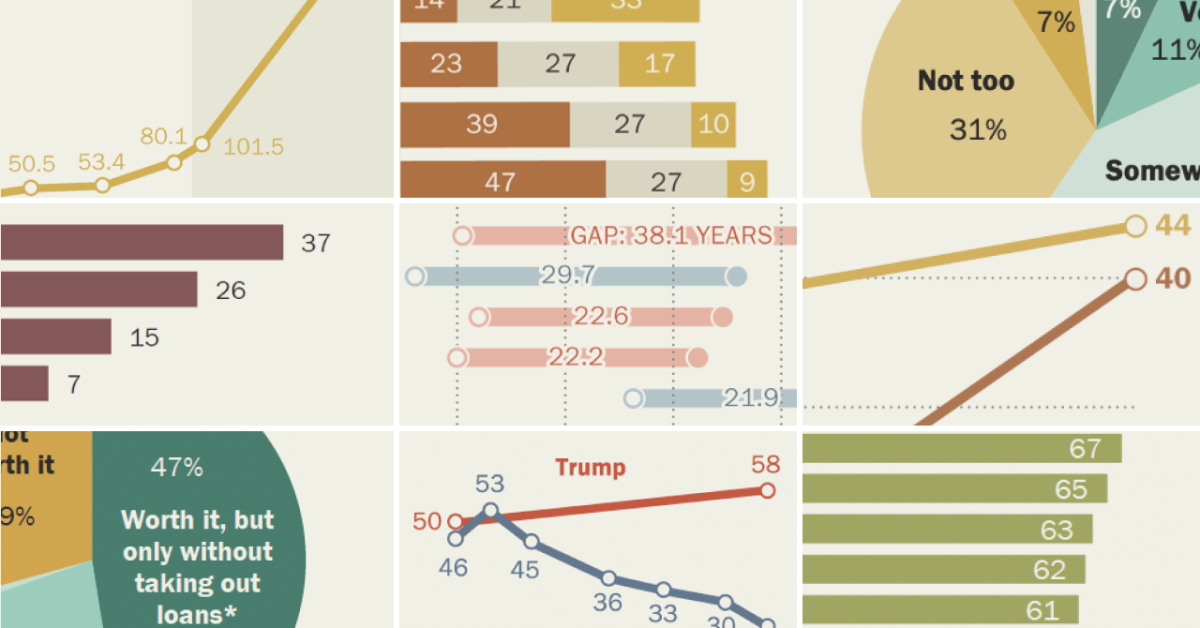
Pew Research Center's 2024 findings highlight key societal trends, including a projected quadrupling of the U.S. centenarian population by 2054, shifting confidence in U.S. vote counts post-election, and differing views on immigration's impact on the job market. The study also notes the growing influence of social media influencers on news consumption, changing perceptions of U.S. democracy globally, and increased concerns about discrimination against Jews and Muslims. Additionally, skepticism about the value of college education and the impact of 'link rot' on internet content are discussed.
Donald Trump narrowly missed securing a majority in the popular vote for the 2024 presidential election, achieving his highest percentage yet at just under 50%. Despite this, he claimed a significant Electoral College victory with 312 votes to Vice President Harris' 226. The election highlighted the political divide in the U.S., with Trump gaining in the popular vote partly due to Harris' lower turnout compared to President Biden's 2020 performance in blue states. Overall voter turnout was slightly lower than in 2020, with significant attention on key battleground states.
Four Democratic House representatives from Connecticut received bomb threats on Thanksgiving, though no explosives were found. Representatives Jahana Hayes, Jim Himes, John Larson, and Joe Courtney were notified by police about the threats, which are part of a series of recent hoax threats against political figures. The FBI is investigating, and the representatives expressed gratitude to law enforcement for their response. Rosa DeLauro, the fifth Connecticut representative, did not report receiving a threat.
Fred R. Harris, a former U.S. Senator from Oklahoma and a Democratic presidential candidate in the 1970s, has passed away at the age of 94. Harris was known for his progressive views and advocacy for economic and social justice during his political career.
Delaware's transgender community is grappling with fear and uncertainty following Donald Trump's election victory, despite celebrating Sarah McBride's historic win as the first transgender lawmaker in Congress. The community is concerned about potential anti-trans policies under a Trump administration, as anti-trans rhetoric and legislation have been prominent in Republican agendas. Amidst these challenges, the community remains determined to fight for their rights and survival, drawing strength from McBride's victory and increased visibility during Transgender Day of Remembrance.
Pseudonymous analyst Capo, known for predicting the 2022 crypto collapse, warns that Bitcoin may soon hit a local top and retrace its recent gains. He cites overly bullish market sentiment, the US government's potential Bitcoin sales, and political uncertainties as reasons for a possible correction. Capo also notes the strength of the US dollar and weakness in altcoins as indicators of an impending market downturn. Bitcoin is currently trading at $98,994.
As the US, under President-elect Donald Trump, threatens to withdraw from international climate agreements, China is emerging as a potential leader in climate action. At the recent COP climate conference, China demonstrated a more cooperative stance and revealed significant climate funding contributions, signaling a shift in its role. This change is driven by China's economic interests in renewable energy, where it leads globally in production and seeks new markets, aligning with its Belt and Road Initiative. This development could reshape global climate negotiations, emphasizing economic over political motivations.
A child in California has contracted bird flu, raising concerns about a potential outbreak, especially with a possible mutation reported in Canada. Vaccine development is underway by companies like Pfizer and Moderna, but the appointment of vaccine-skeptic Robert F. Kennedy Jr. to lead the Department of Health and Human Services under the Trump administration could complicate regulatory approval. Kennedy's past anti-vaccine stance and the political landscape may pose challenges for the rollout of a bird flu vaccine.
Interest in 'golden visas' among Americans has surged, driven by political and social divisions in the US, particularly following the election and the prospect of another Trump presidency. These visas allow individuals to gain foreign citizenship or residency through significant investments. While many Americans are not planning to relocate permanently, they seek these visas as a 'Plan B' or insurance policy. European countries, especially Portugal, are popular destinations due to their relatively affordable investment requirements and pathways to EU citizenship.