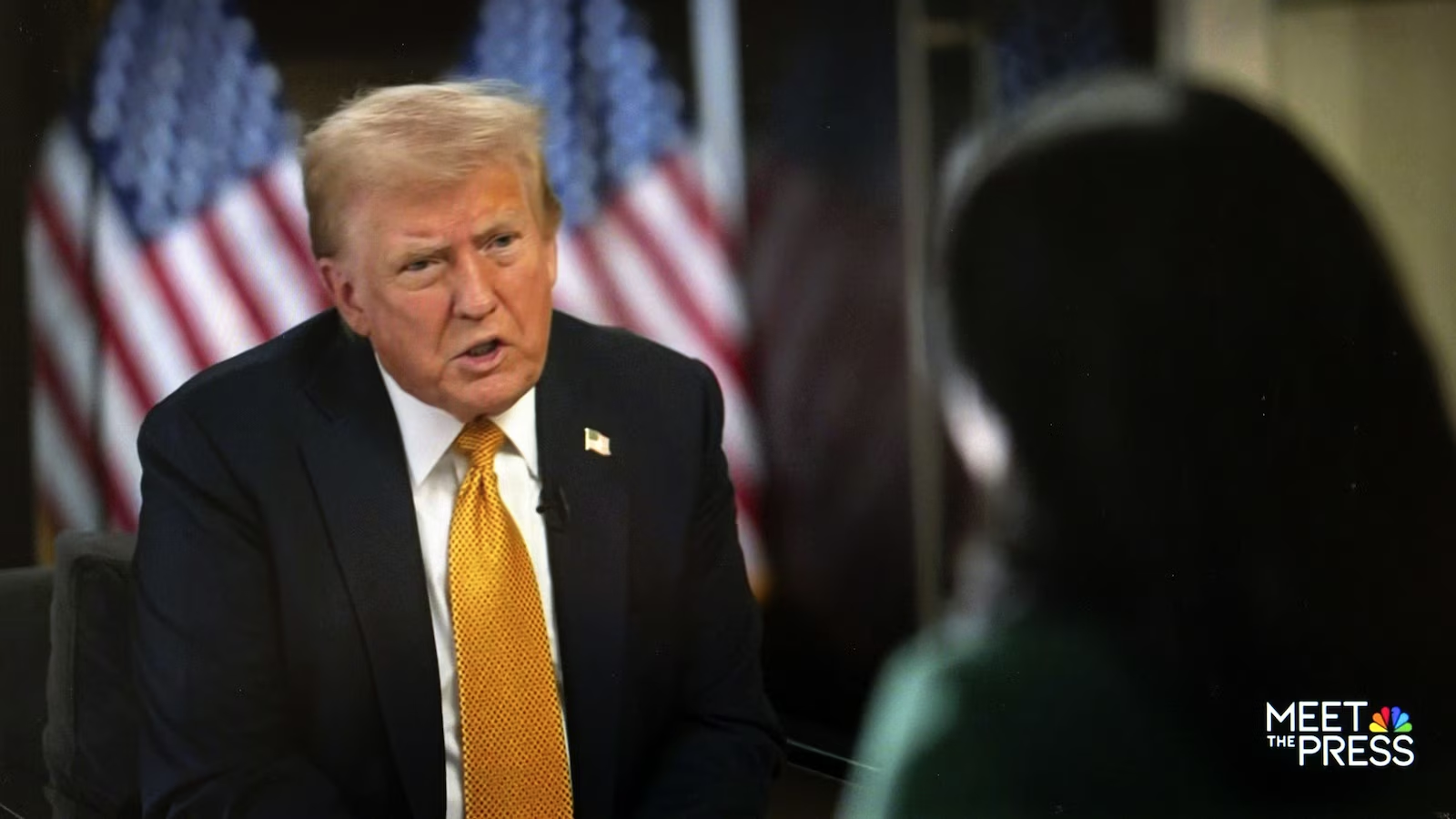
In a recent interview, President-elect Donald Trump reiterated his campaign promise to pardon individuals jailed for their involvement in the January 6 Capitol riot on his first day in office. Trump criticized the justice system and the conditions faced by those who pleaded guilty, suggesting they had no choice. He also discussed his picks for attorney general and FBI director, emphasizing their autonomy in pursuing investigations. Trump's comments have prompted President Biden to consider preemptive pardons for those targeted by Trump's rhetoric.
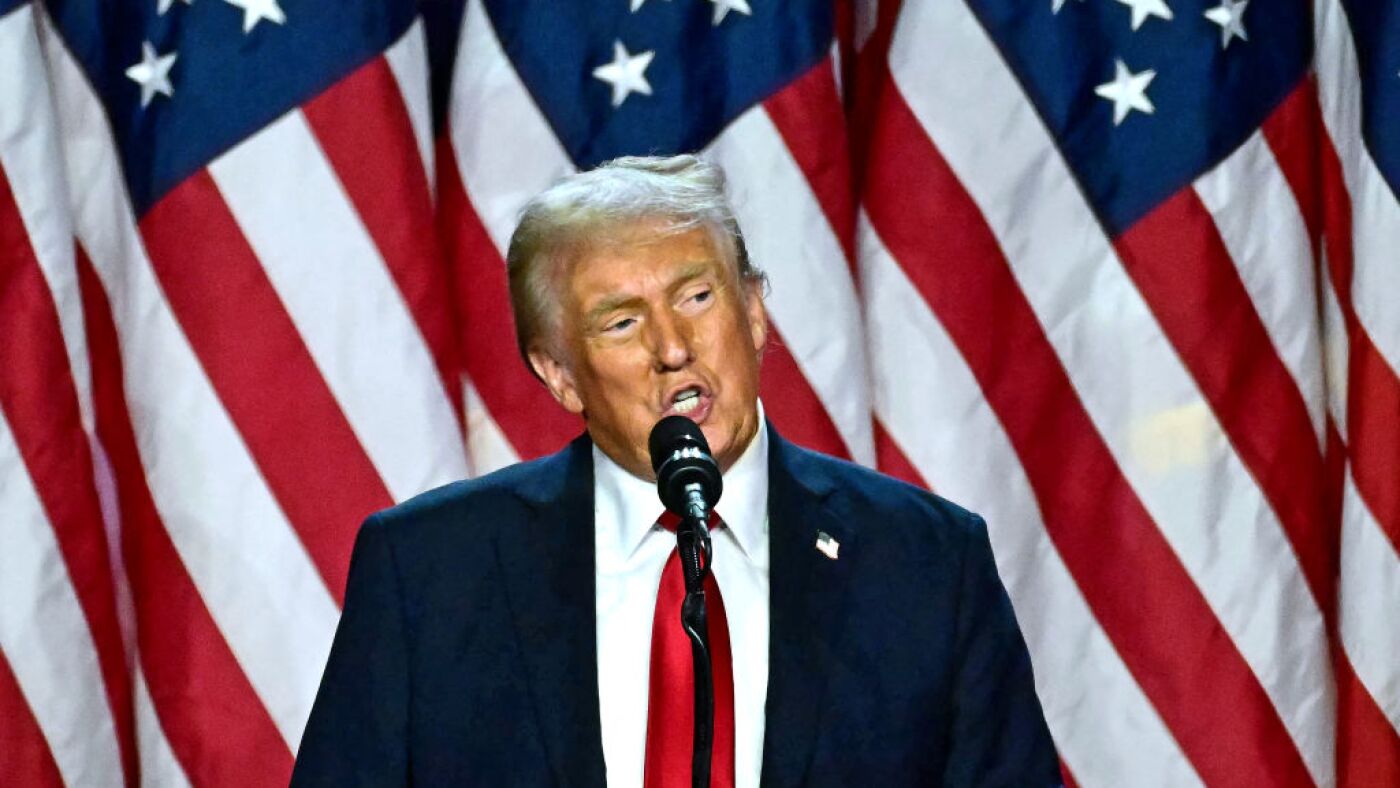
Donald Trump narrowly missed securing a majority in the popular vote for the 2024 presidential election, achieving his highest percentage yet at just under 50%. Despite this, he claimed a significant Electoral College victory with 312 votes to Vice President Harris' 226. The election highlighted the political divide in the U.S., with Trump gaining in the popular vote partly due to Harris' lower turnout compared to President Biden's 2020 performance in blue states. Overall voter turnout was slightly lower than in 2020, with significant attention on key battleground states.
A new POLITICO|Morning Consult poll reveals significant shifts in voter perceptions post-election, particularly among Trump supporters. Before the election, 87% of Trump voters viewed voter fraud as a serious issue, but this dropped to 36% after his victory. Economic outlooks also shifted, with Trump supporters becoming more optimistic, while Harris supporters grew more pessimistic. The poll highlights deep partisan divides on issues like election security, the economy, and potential pardons for January 6 defendants, reflecting broader differences in optimism about the country's future.
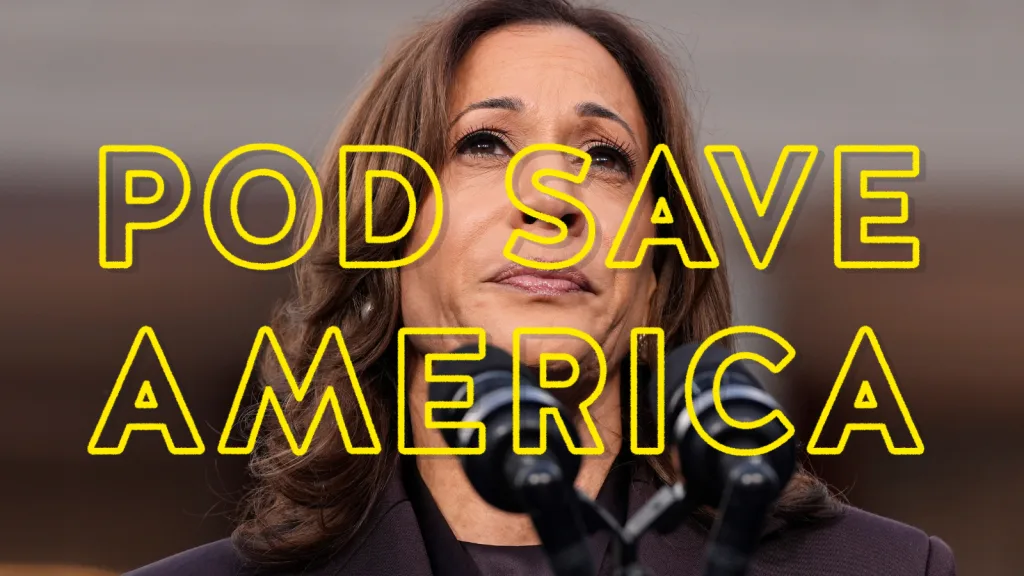
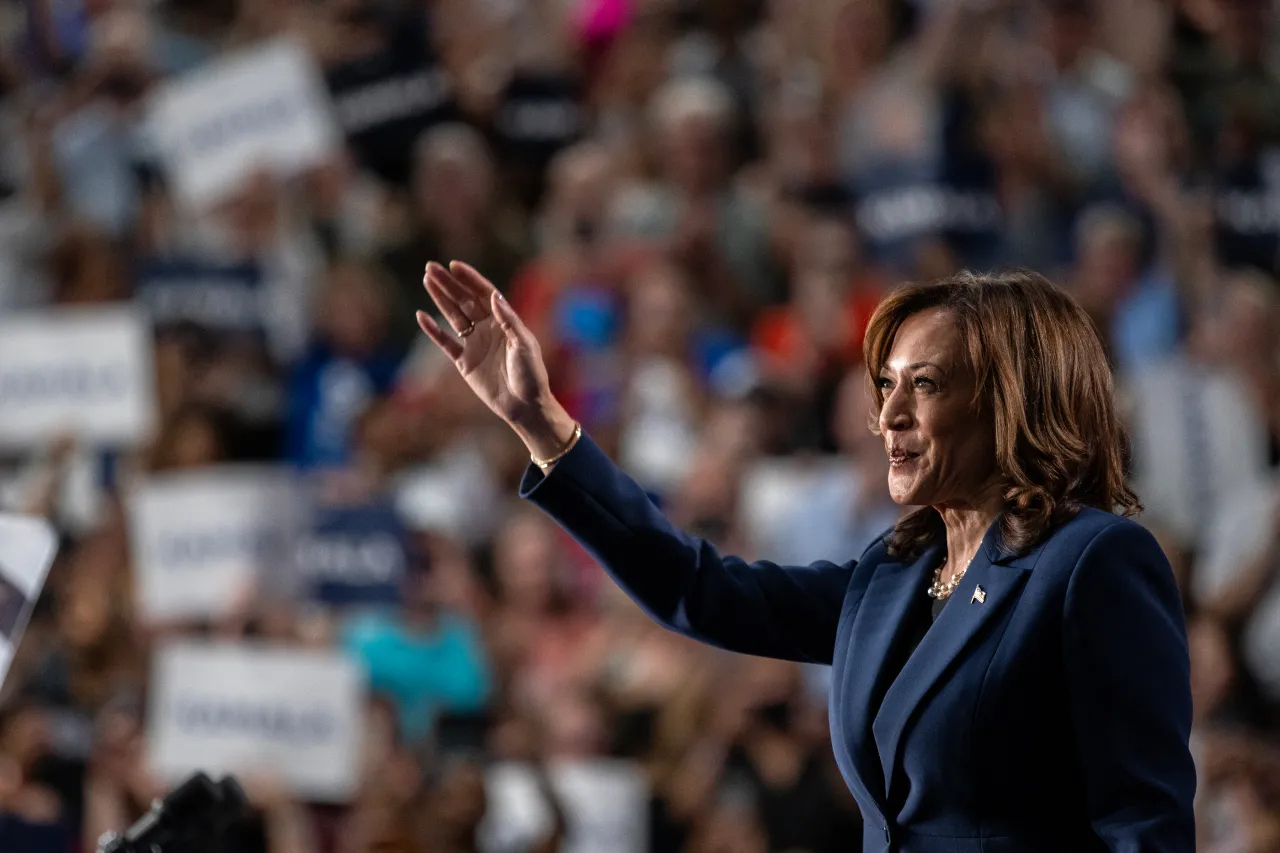
In a revealing interview, leaders of the Harris-Walz campaign discuss the challenges and strategic decisions during the 2024 election. They highlight the difficulties of defining Kamala Harris as a candidate in a short timeframe, the impact of high Trump turnout, and the need to address economic concerns. The campaign faced a tough political environment with low approval ratings for the incumbent administration and a strong desire for change among voters. Despite efforts to counter negative ads and define Harris's vision, the campaign struggled to overcome these obstacles, ultimately falling short in the election.
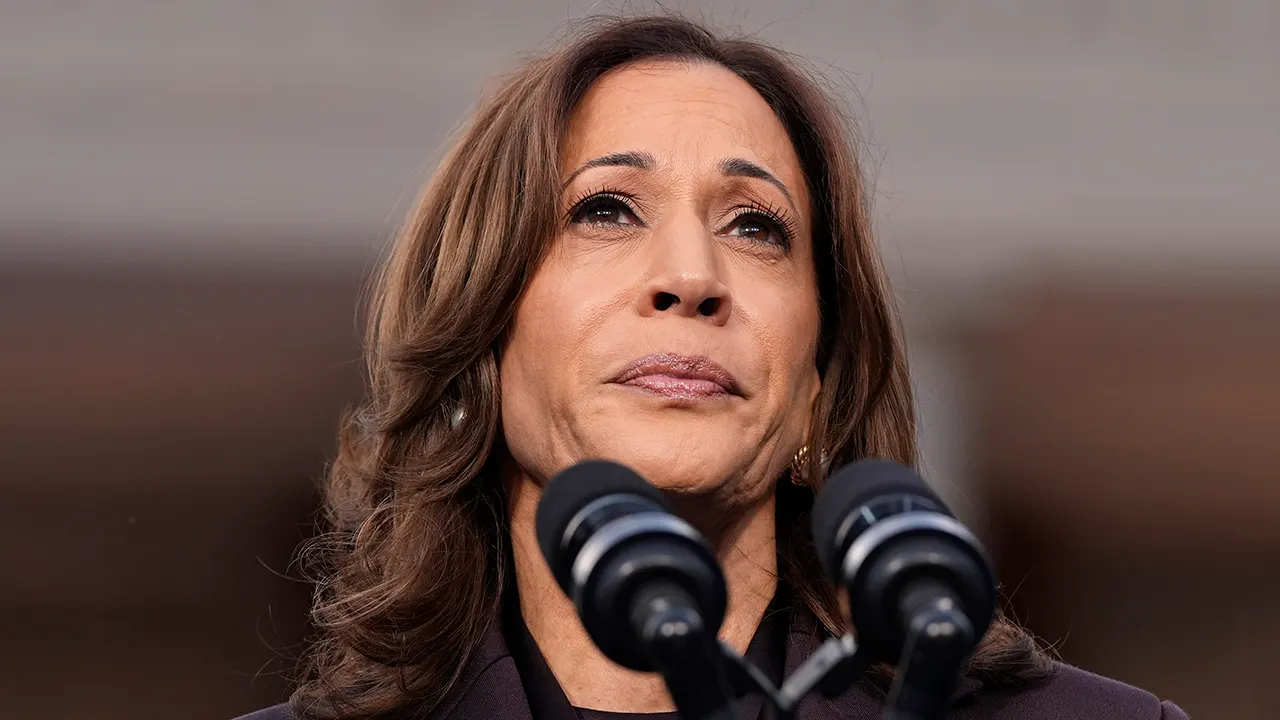
Vice President Kamala Harris's campaign is under scrutiny for its spending strategy after a significant loss to President-elect Trump, leaving the campaign $20 million in debt. Despite facing challenges due to President Biden's late exit, the campaign's spending on high-profile events and its overall financial management are being questioned by Democrats. Some strategists suggest alternative spending strategies could have been more effective, while others call for an audit to understand the campaign's financial decisions. The campaign maintains that its fundraising efforts kept the race competitive in key battleground states.
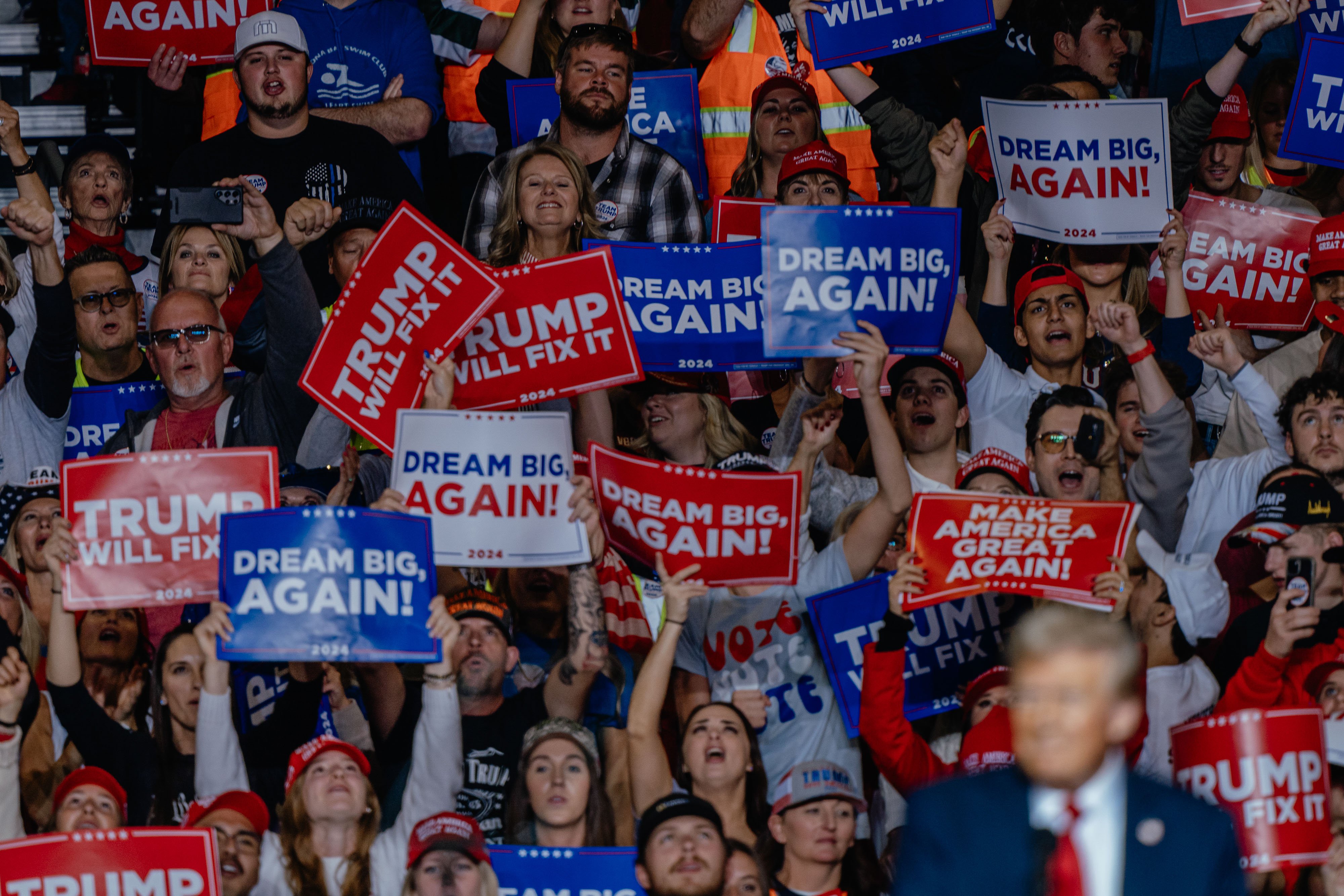
Supporters of Donald Trump are optimistic about the potential returns on their financial contributions to his political endeavors, particularly as he prepares for the 2024 presidential election. They believe that with fewer restrictions and more freedom in his campaign strategies, Trump will be able to leverage their investments effectively. This sentiment reflects a broader confidence among his base that his political influence remains strong within the Republican Party.
Hispanic advocacy groups and pollsters are disputing exit polls that suggest President Trump made significant gains with Latino voters in the 2024 election. These polls indicate Trump received 46% of the Latino vote, a historic high for a Republican, causing concern among Democrats. Critics argue the exit polls are inaccurate, citing alternative surveys with different findings. The debate highlights ongoing tensions over Latino voter trends and the Democratic Party's strategy, with some experts suggesting it's too early to determine if this shift is a lasting realignment.
Kamala Harris's campaign is $20 million in debt after spending $1 billion in 90 days and losing the election. Concerns have arisen among vendors and staff about payment, while fundraising efforts continue, partly for a recount. The campaign's spending included high-profile events and media appearances, leading to criticism of financial mismanagement. Despite the loss, Harris's team is still seeking donations, with some funds directed towards a recount effort.
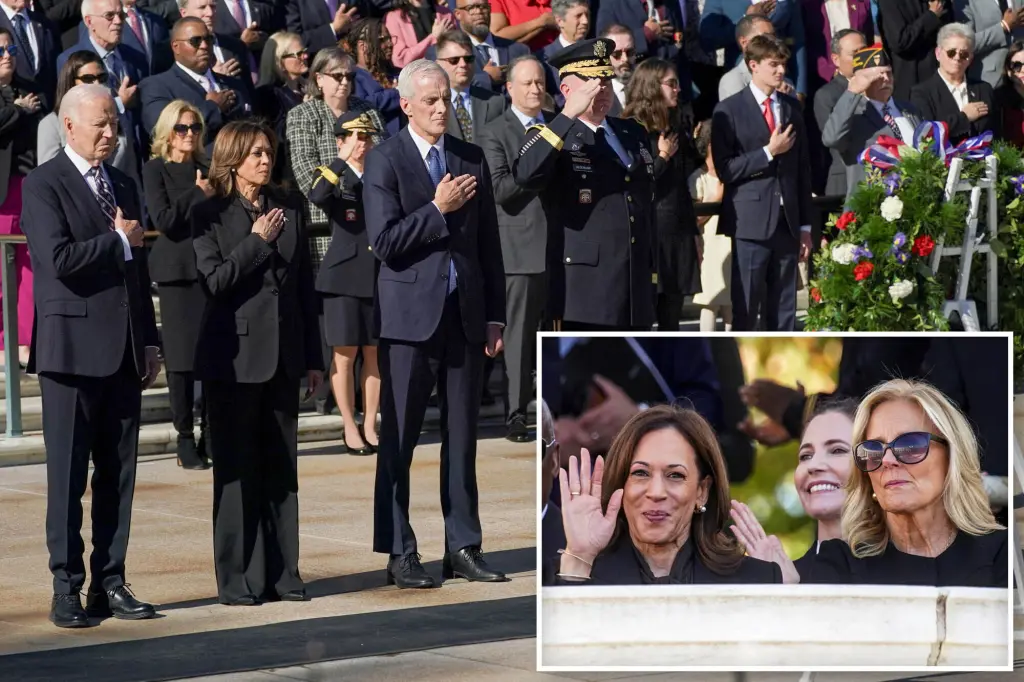
President Joe Biden and Vice President Kamala Harris made their first public appearance together since Harris's election loss to President-elect Donald Trump, attending a Veterans Day event at Arlington National Cemetery. The event included a wreath-laying ceremony and remarks by Biden, who emphasized unity and honoring military service. Harris, who did not speak, was seen smiling with her husband, Doug Emhoff, despite the recent electoral defeat. The appearance comes amid a transition of power to the Republican administration.
Montana has transitioned to complete Republican leadership for the first time in over a century, with the 2024 election marking the ousting of the last statewide Democrat, Sen. Jon Tester, by Republican Tim Sheehy. This shift began in 1997 with consistent Republican victories in the House and was solidified by the 2014 Senate win by Steve Daines. The change is attributed to both a rightward shift in Montana's electorate and an influx of conservative-leaning residents from traditionally blue states.
Following Kamala Harris's significant loss to Donald Trump in the 2024 presidential election, the Democratic Party is embroiled in a blame game. Key figures like Bernie Sanders and Nancy Pelosi are clashing over the party's direction, with Sanders criticizing the Democrats for neglecting the working class. Meanwhile, internal disputes between the Harris and Biden campaigns, as well as criticism of Harris's choice of running mate and campaign strategy, have surfaced. Additionally, former President Obama and his allies are being scrutinized for their role in Biden's exit from the race.
Donald Trump has secured a clean sweep of swing states, winning the 2024 presidential election with 312 electoral votes against Kamala Harris's 226, and also capturing the popular vote. This victory gives Republicans control of the presidency, Senate, and likely the House, prompting Democrats to reconsider their platform. Trump is set to meet with Joe Biden at the White House to discuss the transition, although some transition agreements remain unsigned. The election results have sparked discussions on both sides, with Republicans celebrating and Democrats reflecting on their campaign strategies.
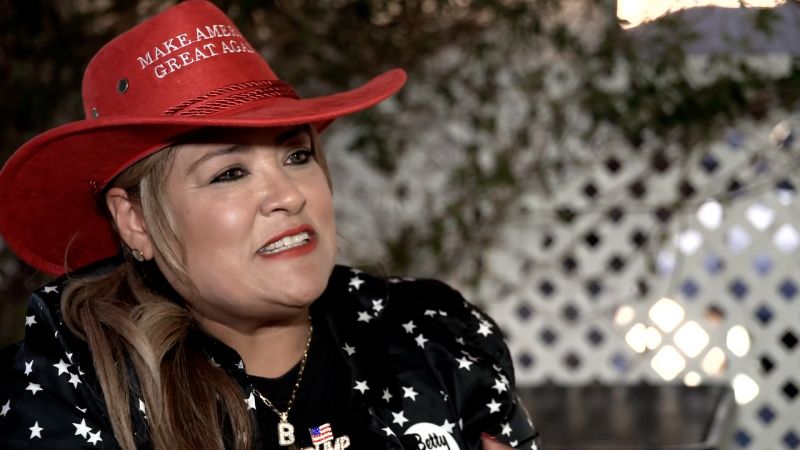
Latino voters in the US have shared their reasons for supporting Donald Trump over Kamala Harris in the presidential election. Key issues influencing their decision include economic policies, immigration stance, and perceived alignment with their values. This insight highlights the diverse political perspectives within the Latino community and challenges assumptions about their voting patterns.
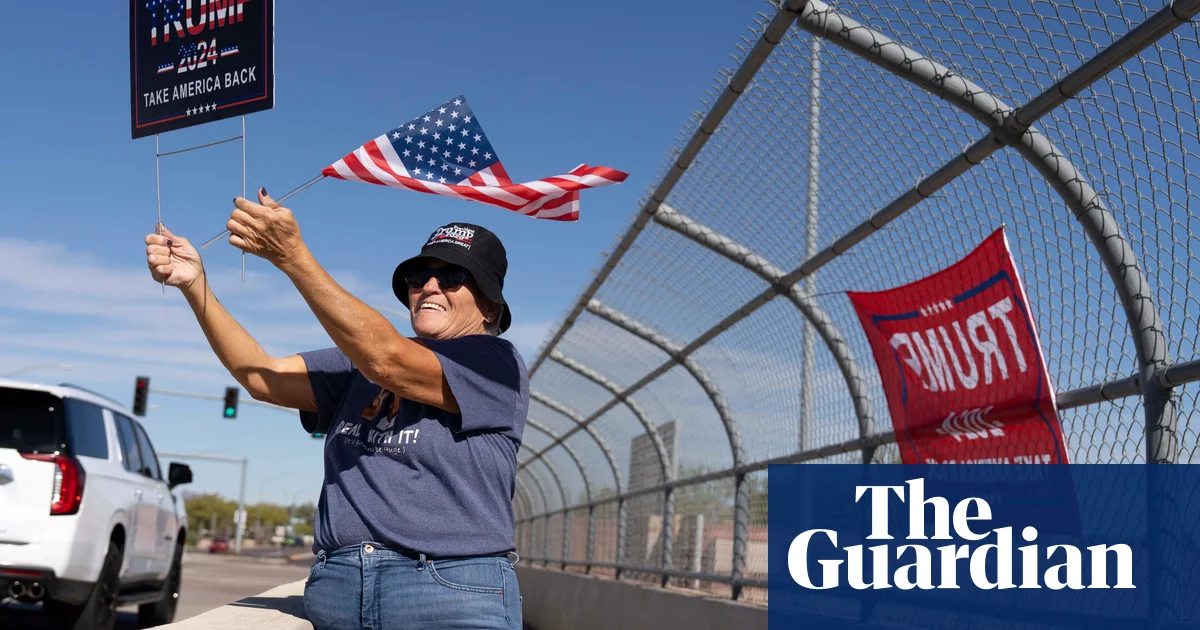
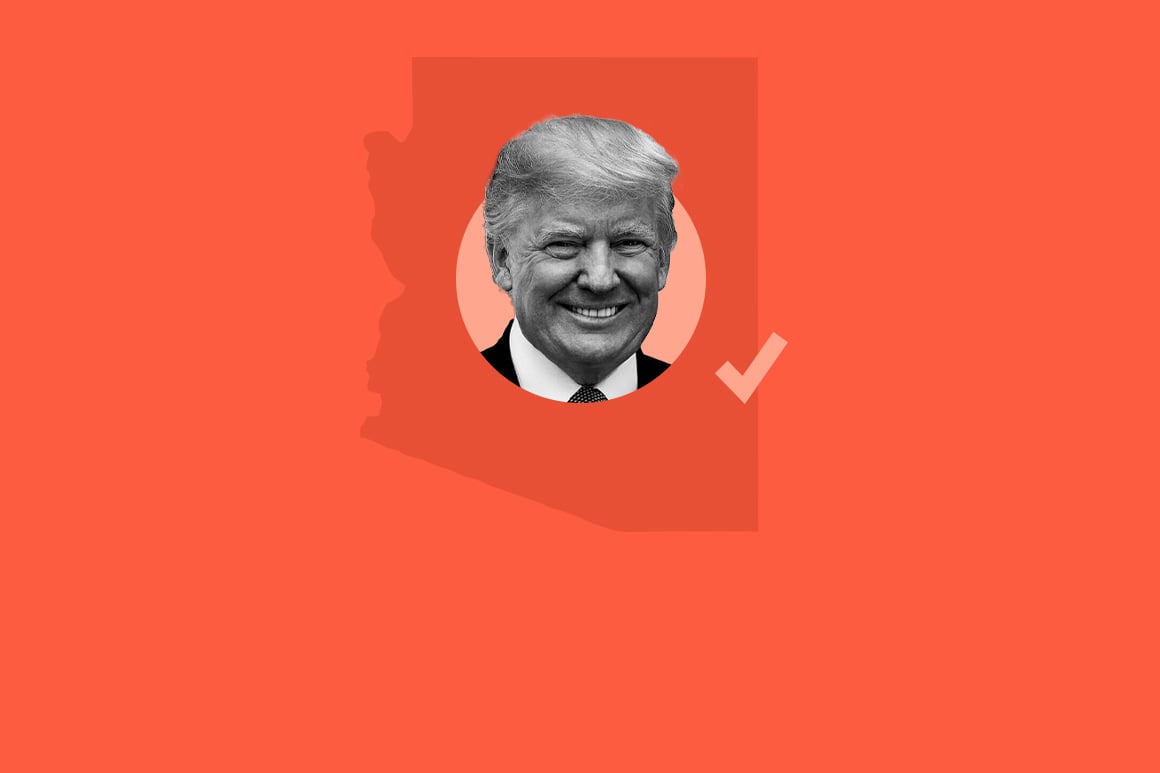
Donald Trump secured a victory in Arizona, completing a sweep of all seven swing states in the 2024 election. Arizona, with its 11 Electoral College votes, had been trending Democratic but returned to Republican control under Trump's campaign focused on border security and immigration. This win signifies a shift in the state's GOP from traditional figures to Trump's MAGA movement. Arizona is one of six states Trump flipped from Biden's 2020 victory, alongside Georgia, Michigan, Nevada, Pennsylvania, and Wisconsin, while also winning North Carolina.
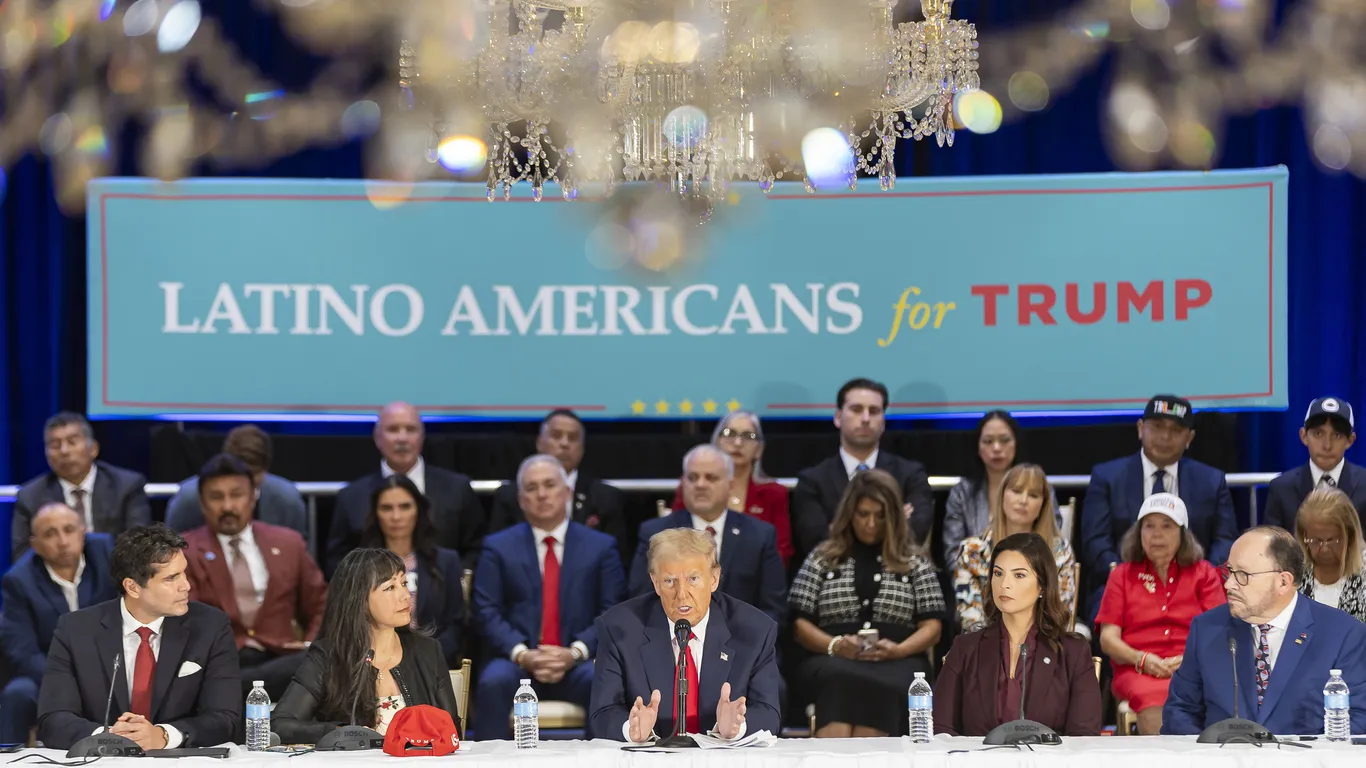
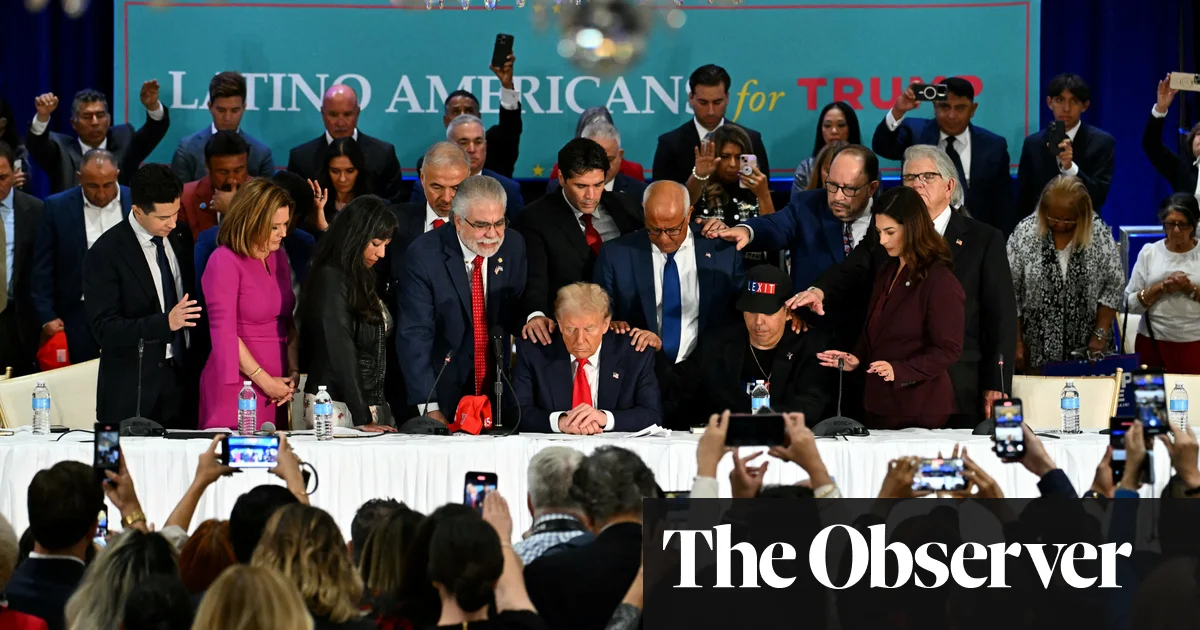
Donald Trump achieved historic support from Latino and Hispanic voters in the 2024 election, particularly in Miami-Dade County and other swing states, despite his controversial rhetoric on immigration. Analysts attribute this shift to the Democrats' failure to engage effectively with Latino communities and Trump's economic messaging, which resonated with many Latino men. The election highlighted the complexity of Latino voting behavior and the importance of direct, culturally relevant outreach.