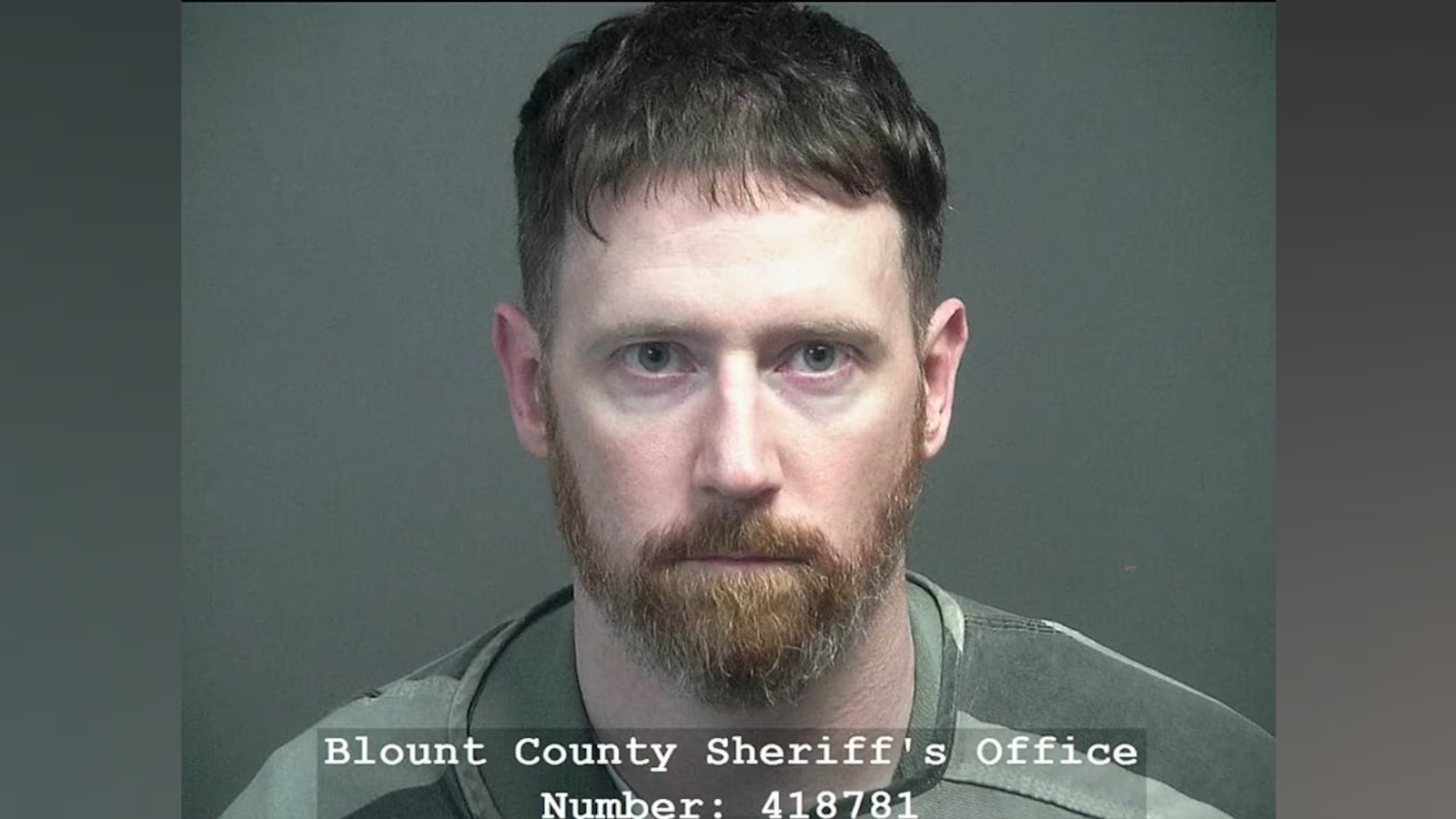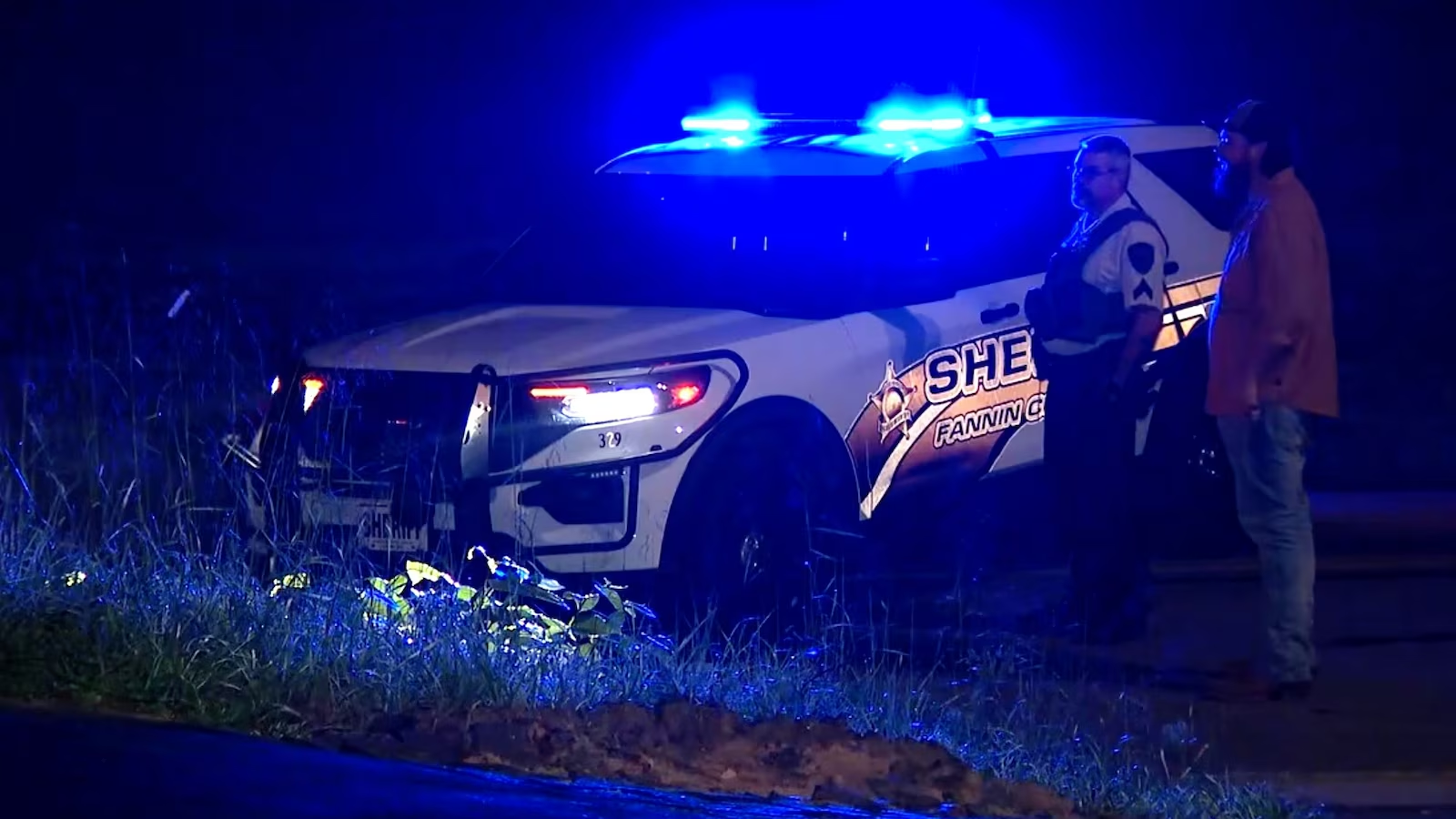
A manhunt is ongoing in Georgia after Timothy Craig Ramsey allegedly shot McCaysville Police Captain Brantley Worley, leaving the officer critically injured. Ramsey is considered armed and dangerous, and authorities are urging the public to be cautious and report any sightings.
European law enforcement, supported by Europol and Eurojust, dismantled Archetyp Market, the longest-running dark web drug marketplace, arresting key figures and seizing assets worth €7.8 million, effectively ending its operation that facilitated the sale of illicit drugs including fentanyl and synthetic opioids.
Romania is providing a significant test for Europe's digital police as they tackle cybersecurity and law enforcement challenges in the digital realm. This initiative marks a crucial step in addressing cyber threats and ensuring digital safety across the continent.
A CBS News investigation has uncovered a widespread pattern of law enforcement officers across the U.S. illegally selling restricted firearms, including machine guns, for personal profit. The investigation revealed at least 50 cases over the past 20 years where police officers, including chiefs and sheriffs, were involved in gun trafficking, often selling weapons to criminals. Despite the severity of these crimes, many officers received lenient sentences, and federal agencies have been criticized for inadequate oversight and reluctance to prosecute. The issue highlights systemic problems in tracking and regulating law enforcement's access to military-grade weaponry.
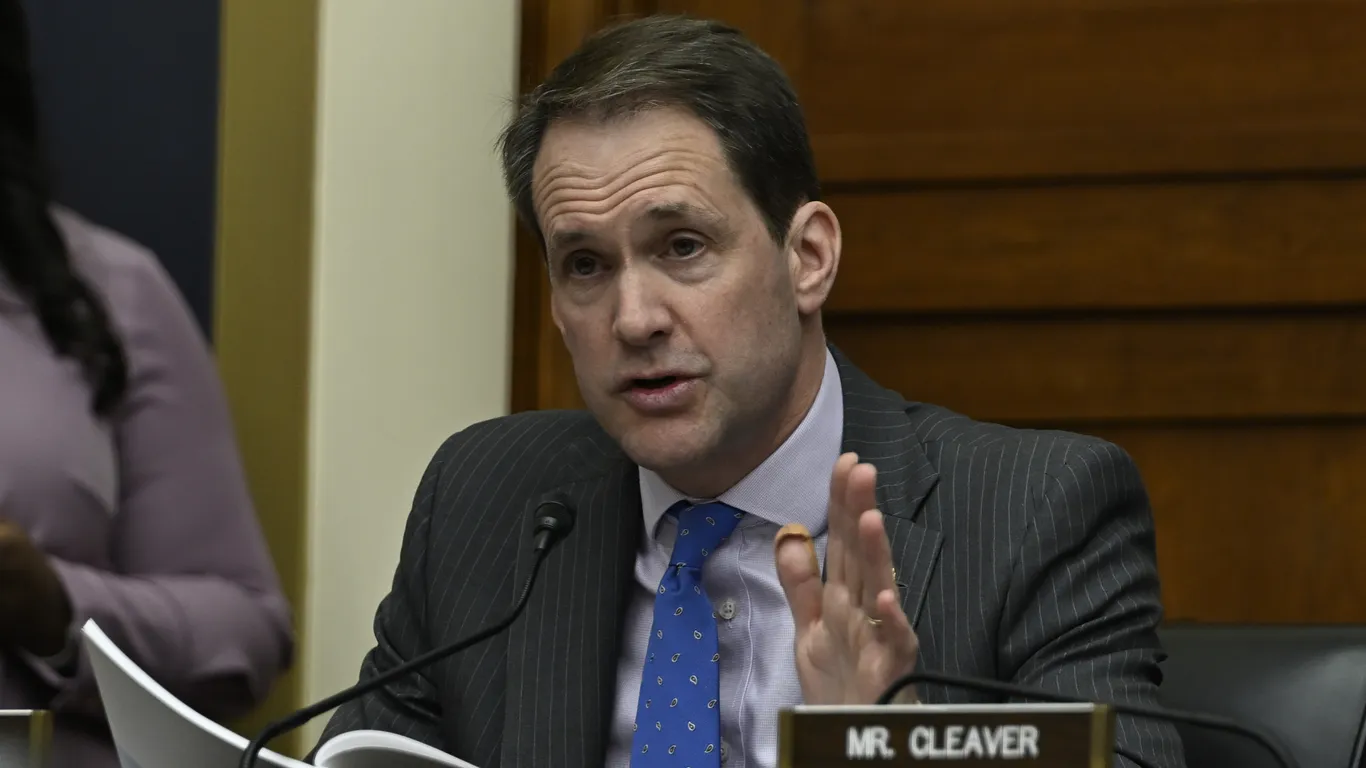
Four Democratic House representatives from Connecticut received bomb threats on Thanksgiving, though no explosives were found. Representatives Jahana Hayes, Jim Himes, John Larson, and Joe Courtney were notified by police about the threats, which are part of a series of recent hoax threats against political figures. The FBI is investigating, and the representatives expressed gratitude to law enforcement for their response. Rosa DeLauro, the fifth Connecticut representative, did not report receiving a threat.
Several Connecticut Democrats, including members of the U.S. House and Senate, were targeted by bomb threats on Thanksgiving. These threats, which were not found to be credible, follow a series of similar threats against President-elect Trump's nominees. Among those targeted were Rep. Jim Himes, Sen. Chris Murphy, Rep. Jahana Hayes, Rep. Joe Courtney, and Rep. John Larson. Law enforcement agencies responded swiftly, finding no evidence of bombs at any of the locations.
Edward Kelley, a convicted Jan. 6 rioter, has been found guilty of plotting to kill FBI agents investigating the Capitol insurrection. Kelley, who made a 'kill list' and planned attacks on the Knoxville FBI office, faces up to life in prison. He was previously convicted of assaulting law enforcement during the Capitol riot.
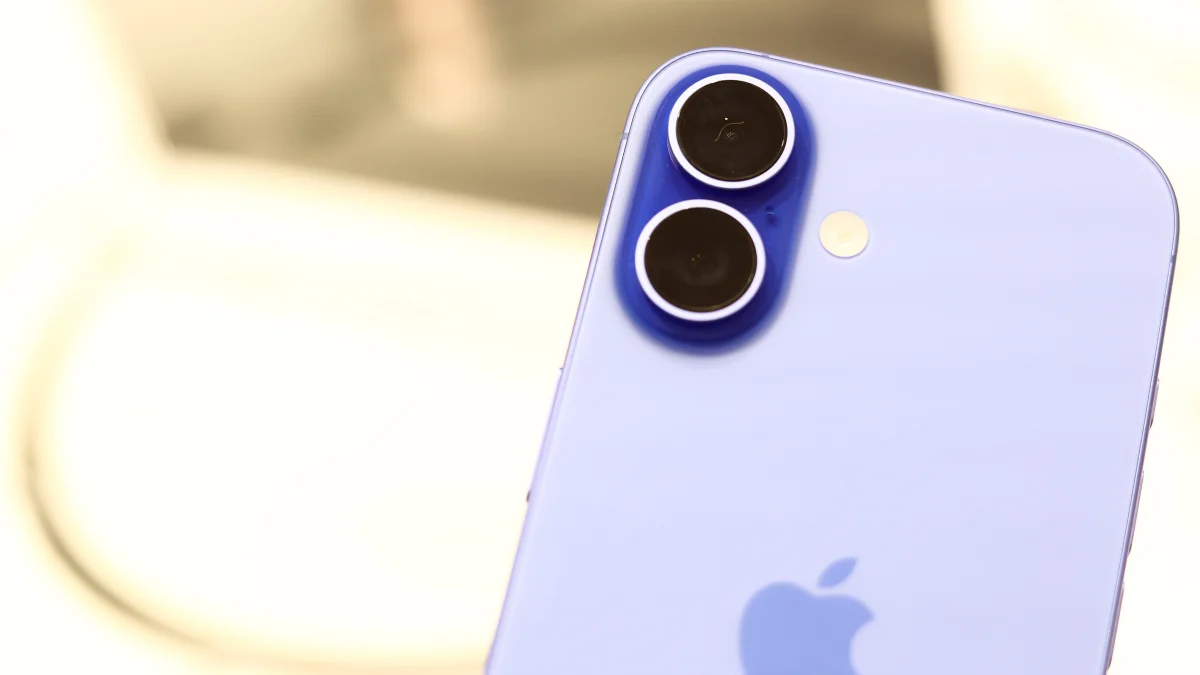
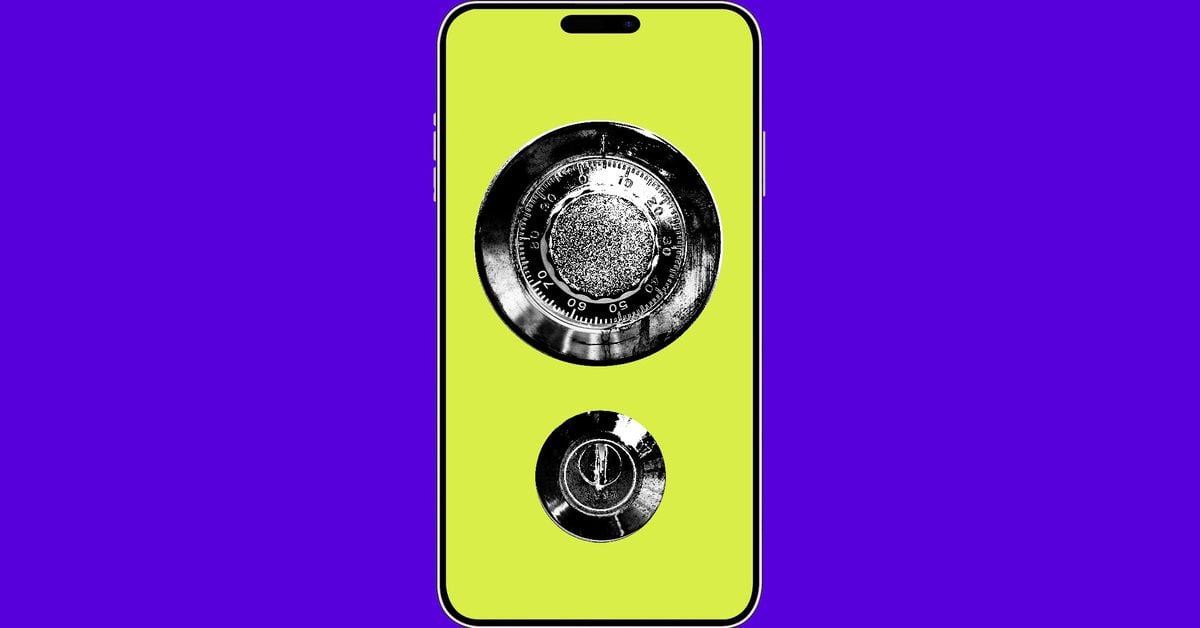
Apple's iOS 18 introduces an auto-reboot feature that causes iPhones to restart after 72 hours of inactivity, enhancing security by locking encryption keys in the Secure Enclave Processor. This feature, while beneficial in preventing unauthorized access, poses challenges for law enforcement trying to access data on seized devices. Additionally, iOS 18.2 beta encourages users to enable Stolen Device Protection, requiring a second Face ID authentication for critical actions, further securing user data.
Former NFL linebacker Antwione Williams has been charged with assaulting law enforcement during the January 6 Capitol attack. Williams, who played for the Detroit Lions and the XFL's DC Defenders, is accused of being among the first to breach the Capitol's restricted perimeter and engaging in violent confrontations with police. He was identified through riot footage and social media images. Williams faces multiple charges, including assaulting officers and disorderly conduct, and was released on bond pending a court appearance in November.
A teenager has pleaded guilty to making nearly 400 swatting calls, which are false reports intended to provoke a large police response, targeting schools and officials. This case highlights ongoing concerns about the misuse of emergency services and the impact on school safety and law enforcement resources.
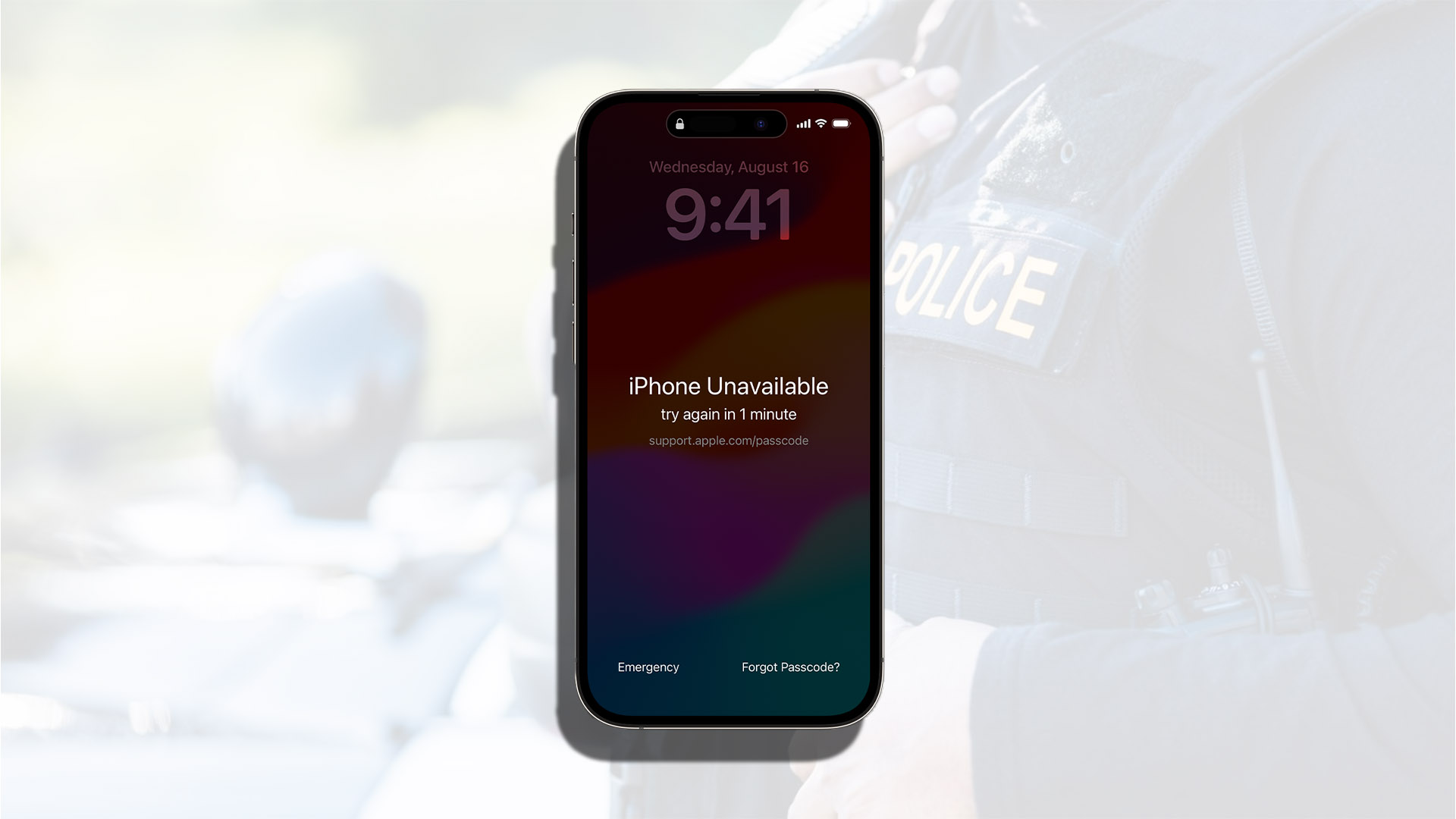
Apple's iOS 18.1 introduces a security feature called 'inactivity reboot,' which causes iPhones to restart if not unlocked for a certain period, complicating unauthorized access attempts. This feature, aimed at thwarting thieves rather than law enforcement, shifts devices from an AFU (After First Unlock) to a BFU (Before First Unlock) state, enhancing security by making it harder to crack the phone. While law enforcement finds this challenging, experts argue it significantly improves user security.
Apple's new iOS 18.1 update includes a security feature that causes iPhones to automatically reboot from the After First Unlock (AFU) state to the Before First Unlock (BFU) state after four days of inactivity. This makes it more difficult for law enforcement to unlock the devices using tools like Cellebrite, as the BFU state is more secure. While this feature is seen as a challenge for police investigations, it is designed to protect users from having their phones exploited by thieves who might try to unlock them over time.
Apple's new iOS 18.1 update includes an "inactivity reboot" feature that automatically reboots iPhones after four days of inactivity, enhancing security by making it harder for unauthorized access. This update has inadvertently complicated law enforcement's ability to extract data from iPhones during investigations, as the reboot returns the device to a "Before First Unlock" state. While this change aims to deter theft and protect user privacy, it has prompted law enforcement to adapt their forensic methods.
Apple's new iOS 18.1 includes a security feature that reboots iPhones after four days of inactivity, entering a 'Before First Unlock' state that requires a passcode to access the device. This makes it more difficult for law enforcement to unlock iPhones, as it limits data extraction capabilities. The move is part of Apple's ongoing efforts to enhance device security, despite tensions with authorities over encryption and potential backdoor access.
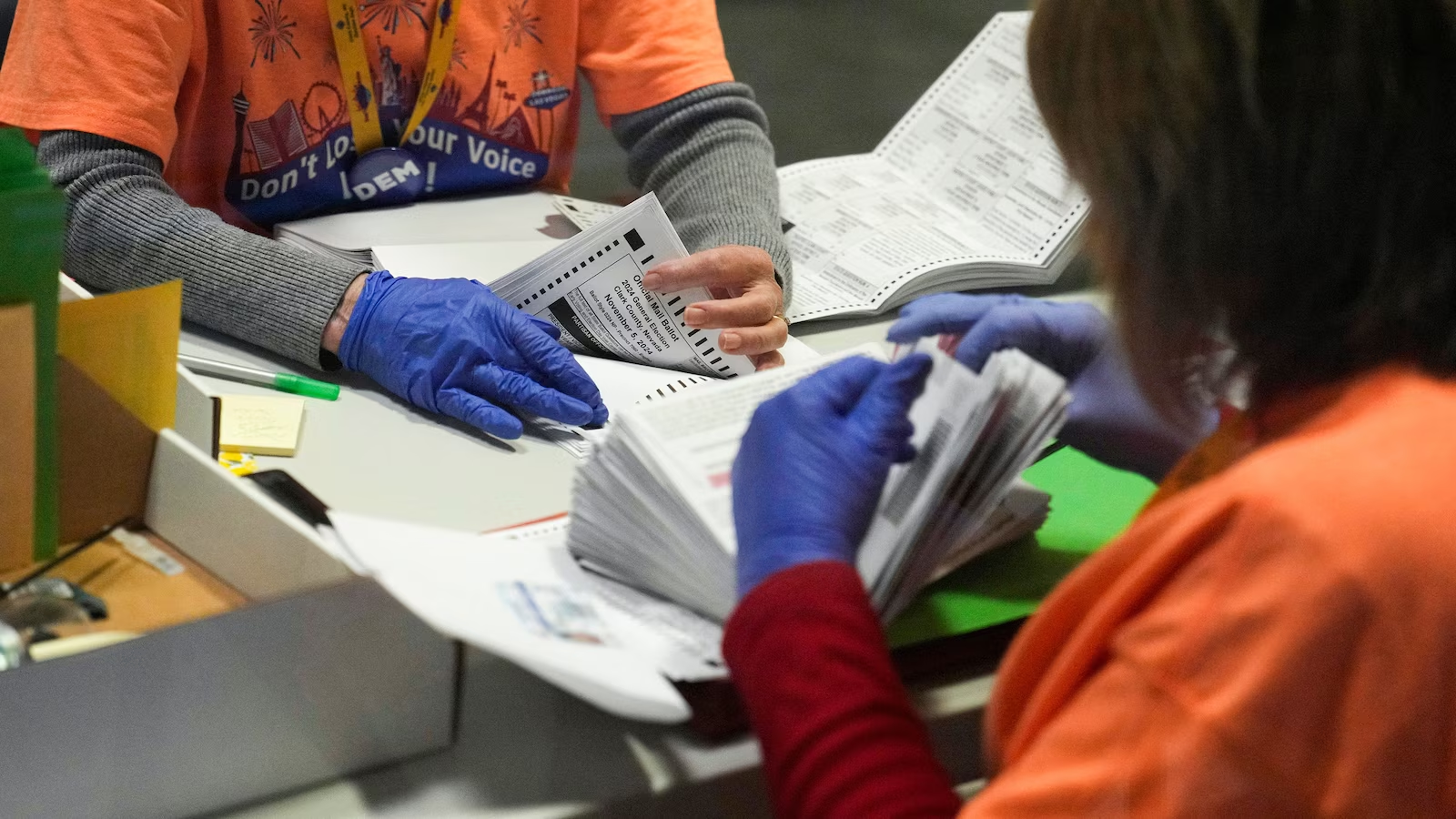
Law enforcement agencies across the U.S. are dedicating significant resources to ensure safety during the 2024 election amid a surge in threats against election workers and officials. A threat assessment by the NYPD Intelligence Bureau highlights risks of physical violence, disinformation, and cyberattacks, with the FBI investigating over 2,000 threats. Recent incidents include charges against individuals for threatening election officials, and online rhetoric calling for violence and militia action. Authorities emphasize the professionalism and transparency of election processes across states.