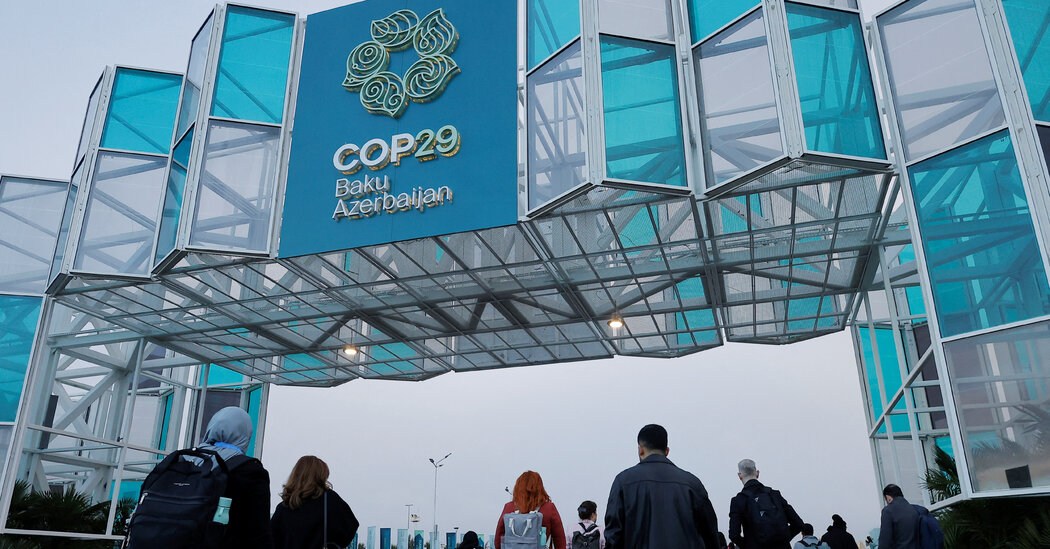
Protesters clashed with UN security at a climate summit in Brazil, attempting to storm the venue, leading to evacuations and minor injuries, with security forces using force to control the situation as negotiations continued.
California's Governor Newsom is actively engaging in international climate discussions in Brazil, aiming to strengthen global climate commitments and fill the void left by the absence of the U.S. federal government, with a focus on implementing climate solutions at the city and state level amidst a lack of comprehensive global agreements at COP in Belém.
Netflix has released the trailer for 'The Rip,' a crime thriller starring Matt Damon and Ben Affleck as Miami cops who face trust issues after discovering a large cash stash, inspired by '70s cop films and real-life narcotics experiences, set to premiere on January 16, 2026.
As the US, under President-elect Donald Trump, threatens to withdraw from international climate agreements, China is emerging as a potential leader in climate action. At the recent COP climate conference, China demonstrated a more cooperative stance and revealed significant climate funding contributions, signaling a shift in its role. This change is driven by China's economic interests in renewable energy, where it leads globally in production and seeks new markets, aligning with its Belt and Road Initiative. This development could reshape global climate negotiations, emphasizing economic over political motivations.
At the COP climate talks, progress is being made towards establishing a Loss and Damage Fund, aimed at providing financial assistance to countries most affected by climate change impacts. This initiative is part of ongoing international negotiations to address the economic and environmental challenges posed by climate change.
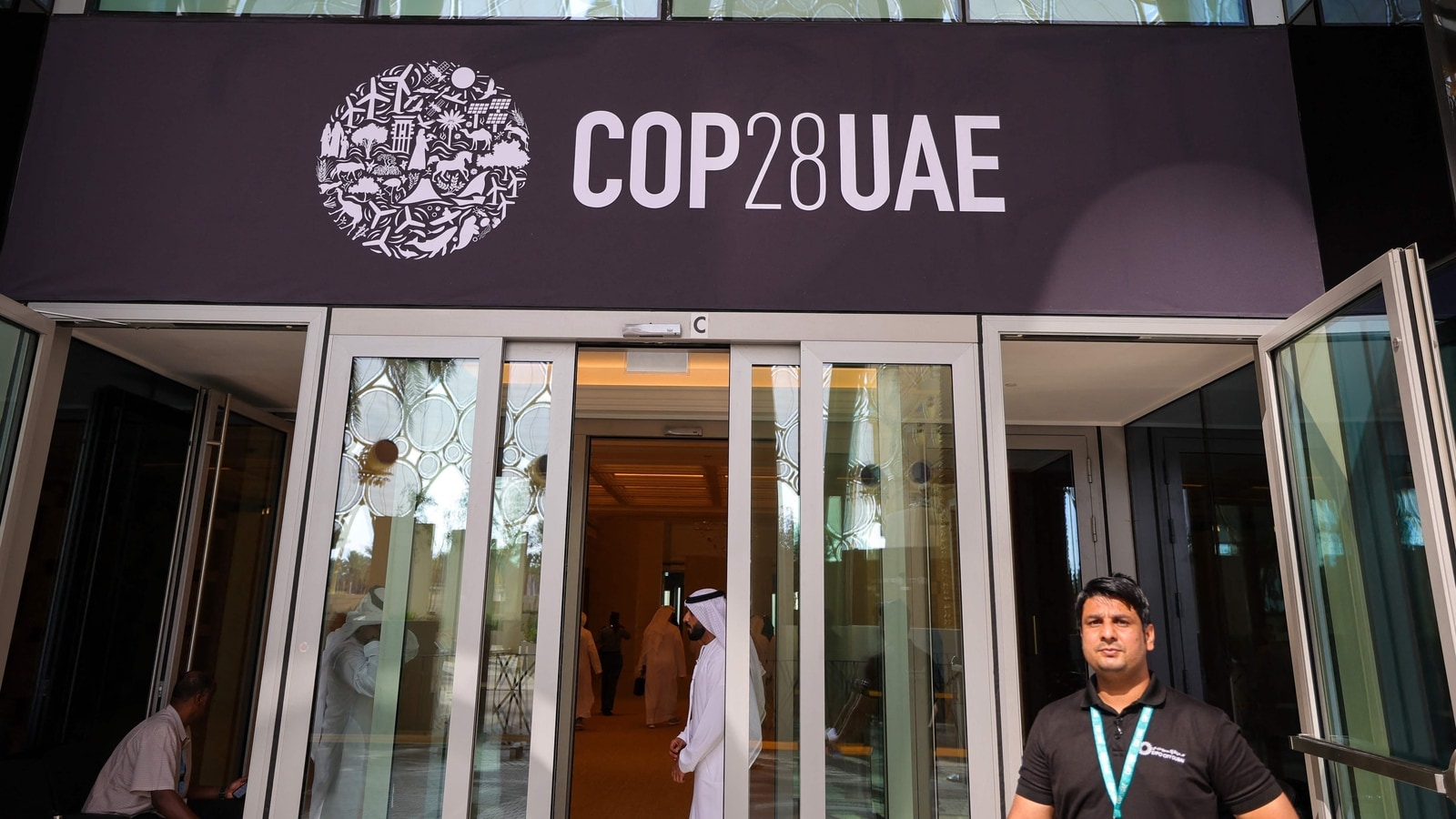
The assessment of the first "global stocktake" of progress on climate change since the Paris Agreement in 2015 shows some positive developments, including a decrease in the expected global warming by 2100 if current policies are followed. The increase in renewable energy capacity and the implementation of carbon-pricing schemes have contributed to this progress. However, more needs to be done to achieve the goal of limiting global warming to 2°C. The COP conferences provide a platform for side-agreements and new expressions of intent, but the private sector's investment and redesigning of energy markets are crucial for further advancements. The urgency of climate change is evident in the record-breaking temperatures experienced this year. Discussions on solar geoengineering and carbon dioxide removal should be held outside of the COP conferences, while countries need to be explicit about their removal plans and separate them from emission reduction targets. The UN process can help galvanize progress, but more action is needed to address the challenges ahead.
Diplomats from almost 200 countries have resumed talks on tackling global warming in Bonn, Germany, with the aim of shaping a deal that might put the world on track to prevent a dangerous increase in temperatures. The U.N.'s top climate official, Simon Stiell, called for deep cuts in fossil fuel use, saying that limiting global warming to 1.5 degrees Celsius will require a phaseout of fossil fuels. Stiell welcomed the steep rise in renewable energy production but said that deep cuts in fossil fuel production and consumption are needed, and that we are not seeing them.