Tag

User Privacy

All articles tagged with #user privacy

Unusual ChatGPT Leaks Reveal Cringey Logs in Google Analytics

Originally Published 2 months ago — by Ars Technica

Featured image for Unusual ChatGPT Leaks Reveal Cringey Logs in Google Analytics
Source: Ars Technica

Recent leaks suggest that ChatGPT conversations, including sensitive user prompts, have been appearing in Google Search Console, raising concerns about OpenAI scraping Google search results and compromising user privacy. OpenAI has acknowledged the issue and claimed to have fixed a glitch, but questions remain about the extent of data scraping and the effectiveness of their response.


Implications of Google's Antitrust Case and Data Sharing for AI and Privacy

Originally Published 3 months ago — by NPR

Featured image for Implications of Google's Antitrust Case and Data Sharing for AI and Privacy
Source: NPR

A U.S. judge ordered Google to share parts of its search index and user click-and-query data with competitors to promote market competition, raising concerns about user privacy and data security, as this sensitive information could potentially be used to identify individuals or reveal personal details.

Ring Attributes Suspicious Login Activity to Visual Bug

Originally Published 5 months ago — by VVNG

Featured image for Ring Attributes Suspicious Login Activity to Visual Bug
Source: VVNG

A viral TikTok raised concerns among Ring users about unauthorized logins on May 28, 2025, but Ring later confirmed it was caused by a backend visual bug that displayed incorrect login dates and device info, not actual unauthorized access. The incident has reignited scrutiny over Ring's security practices, especially given past FTC charges, though Ring has not issued a detailed public response yet.

Google Announces Upgrade Plan for 2 Billion Android Devices

Originally Published 6 months ago — by Forbes

Featured image for Google Announces Upgrade Plan for 2 Billion Android Devices
Source: Forbes

Google is upgrading its AI features across Android and Gmail, raising privacy concerns as AI gains access to personal data, even when users disable certain settings. While Google claims these updates improve user experience and privacy controls, experts warn about potential data security risks and the need for clearer privacy choices, especially for younger users and in educational settings.

Adobe Faces Backlash Over New Terms Allowing Access to User Content

Originally Published 1 year ago — by Niche Gamer

Featured image for Adobe Faces Backlash Over New Terms Allowing Access to User Content
Source: Niche Gamer

Adobe's new Photoshop terms of service allow the company access to user projects for content moderation, raising concerns among professionals about privacy and the handling of NDA-protected work. This move follows a trend of tech companies increasing surveillance on users, with potential implications for AI training using user-generated content.

"Google Chrome's Overhaul: Reshaping the Modern Internet"

Originally Published 1 year ago — by Yahoo Finance

Featured image for "Google Chrome's Overhaul: Reshaping the Modern Internet"
Source: Yahoo Finance

Google Chrome's decision to end the use of third-party cookies later this year will have a profound impact on the advertising world and user experience on the internet. While aimed at protecting user privacy, this move could significantly affect smaller publishers and websites reliant on advertising revenue, potentially leading to revenue losses and a decrease in the quality of free content. The end of third-party cookies may also result in more intrusive ads and a shift towards centralized user profiles, raising concerns about consumer privacy. Google plans to introduce new privacy-preserving technologies to enable relevant ads without third-party cookies, but the changes are expected to create uncertainties and challenges for many websites, while tech giants and major media companies with direct user relationships may be better equipped to adapt.

"Motorola Moto G Power 5G (2024): A Budget Smartphone Review"

Originally Published 1 year ago — by The Verge

Featured image for "Motorola Moto G Power 5G (2024): A Budget Smartphone Review"
Source: The Verge

The 2024 Moto G Power impresses with its design and affordability, but is marred by bloatware, including pre-installed apps and ads that compromise user privacy. The phone's camera and display also fall short of expectations, but its $300 price point still offers value compared to higher-end flagships. The bloatware, which includes apps from a company called Swish and a weather app with ads and suggested apps, raises concerns about data privacy and user experience, overshadowing the phone's potential.

"YouTube Ceases Recommendations for Logged-Out Users"

Originally Published 1 year ago — by BleepingComputer

Featured image for "YouTube Ceases Recommendations for Logged-Out Users"
Source: BleepingComputer

YouTube has stopped showing recommended videos to users who are logged out of a Google account or using Incognito mode, prompting concerns about user privacy and the push to always be signed in. The change results in a blank YouTube homepage with a message prompting users to start watching videos to build a feed they'll love, even when searching for content. Some users believe this is an attempt to push them into turning on their history settings, while Google has not yet provided further details about the update.

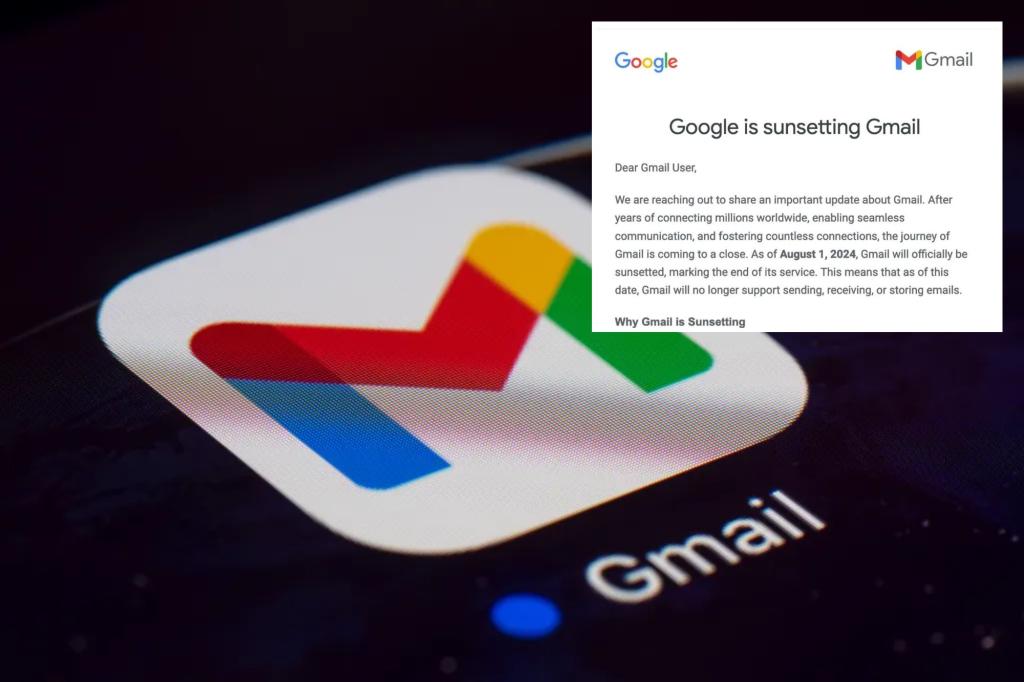
"Debunked: Google's Plan for Gmail and the Viral Hoax"

Originally Published 1 year ago — by New York Post

Featured image for "Debunked: Google's Plan for Gmail and the Viral Hoax"
Source: New York Post

A viral hoax claiming that Google was shutting down its Gmail service sent the internet into a panic, but it was quickly debunked as fake. The hoax statement, featuring Google's logo, gave a date of August 1, 2024, as the end date for Gmail access, but it was revealed to be a fabrication created by a self-described tech entrepreneur, Chris Bakke. Despite ongoing concerns about user privacy, Google has affirmed that Gmail is not being shut down and remains a popular email platform with a user base of 1.8 billion people.

"Apple Opposes Oregon Right to Repair Bill, Citing Parts Pairing Concerns"

Originally Published 1 year ago — by Hackaday

Featured image for "Apple Opposes Oregon Right to Repair Bill, Citing Parts Pairing Concerns"
Source: Hackaday

Apple is now opposing an Oregon "Right to Repair" bill due to its prohibition of parts pairing, a practice increasingly used in Apple devices to link specific parts to the mainboard. Apple claims parts pairing is for user security, safety, and privacy, but critics argue it limits user repairs and leads to unnecessary waste. If the bill passes, it could influence similar legislation in other states and amendments to existing laws.

"Microsoft Edge Accused of Unauthorized Data Collection from Chrome Users"

Originally Published 1 year ago — by Neowin

Featured image for "Microsoft Edge Accused of Unauthorized Data Collection from Chrome Users"
Source: Neowin

Microsoft Edge is under fire for allegedly stealing data from Chrome without user permission, despite having a toggle for data migration and an option to sync with other browsers turned off by default. Users report Edge taking over Chrome tabs after Windows updates, with the browser admitting to the data copying. Microsoft has not addressed the situation, leaving users to speculate whether it's a bug or intentional. EU users will soon have the option to uninstall Edge from the Start menu.

"Testing a Potential Android Replacement: My Experience with a New Smartphone"

Originally Published 2 years ago — by Digital Trends

Featured image for "Testing a Potential Android Replacement: My Experience with a New Smartphone"
Source: Digital Trends

Apostrophy OS is a new smartphone operating system aiming to provide an alternative to Android and iOS, heavily focused on user privacy. Based on Android 13, it offers a unique home screen called "Domus" and a customizable area called "Piazza" for running Android apps in a secure manner. The OS also includes a built-in VPN, a feature called "Ledger" for managing app permissions, and a suite of apps and services for a monthly subscription fee. The only current handset running Apostrophy OS is the Punkt MC02, priced at $749, but more devices are expected in the future. While the heavy privacy focus and required subscription make it a niche option, Apostrophy OS presents a compelling alternative for users seeking enhanced privacy and security on their smartphones.