Tag

Parts Pairing

All articles tagged with #parts pairing

"Apple Eases iPhone Repair Restrictions, Expands Genuine Parts Support"

Originally Published 1 year ago — by Daily Mail

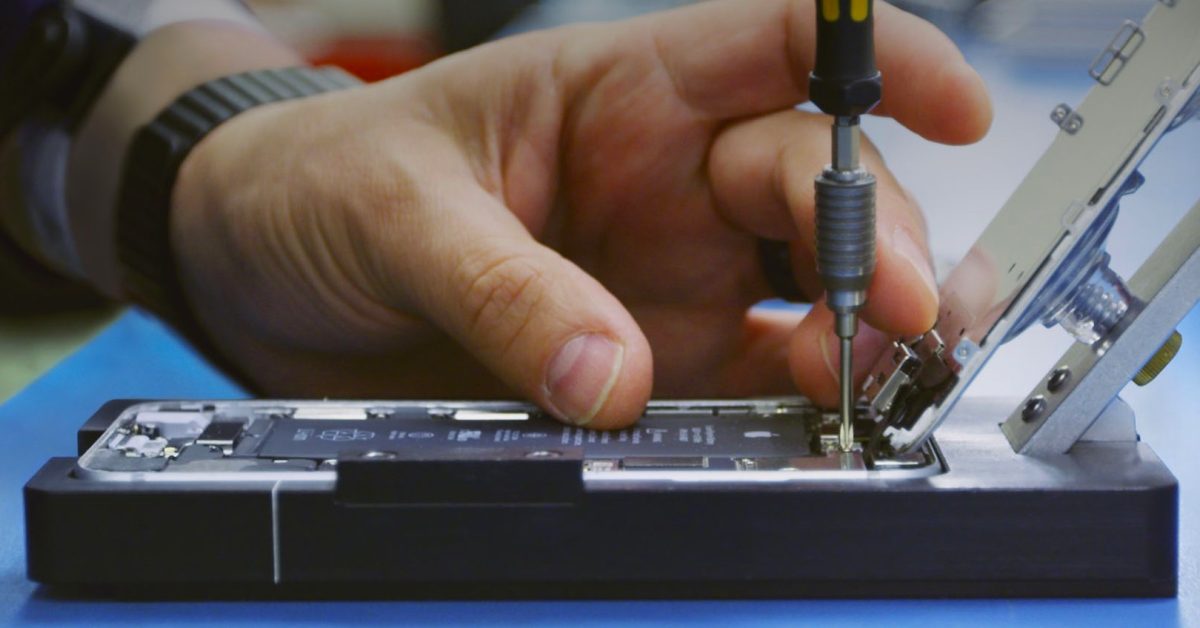
Featured image for "Apple Eases iPhone Repair Restrictions, Expands Genuine Parts Support"
Source: Daily Mail

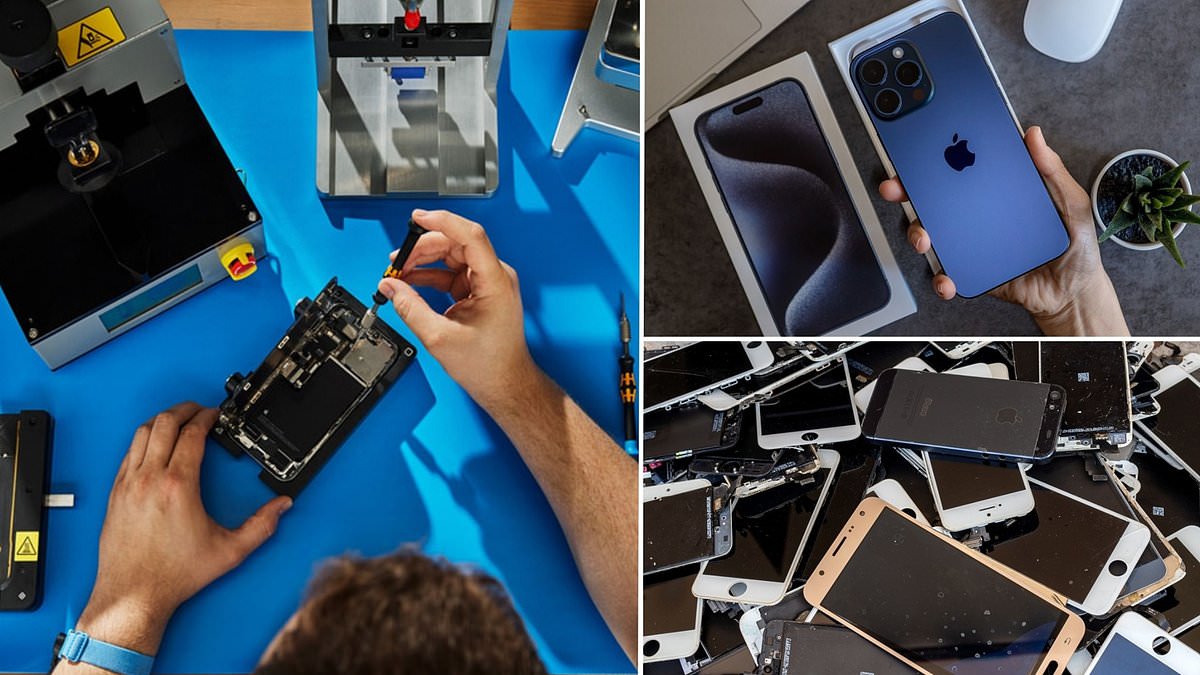
Apple is set to make it easier and cheaper for iPhone owners to repair their devices by allowing used components from other iPhones to be installed without limiting functionality or sending notifications about unknown parts. This move is seen as a positive step for the right-to-repair movement, which aims to pressure tech giants to make their devices easier to fix and reduce e-waste. However, experts believe that Apple's decision is a response to legislative pressure, and the company still opposes legislative proposals to limit parts pairing. E-waste, including discarded electronics, poses health risks, and the right-to-repair movement seeks to address this issue by making repairs more accessible and reducing the environmental impact of electronic waste.
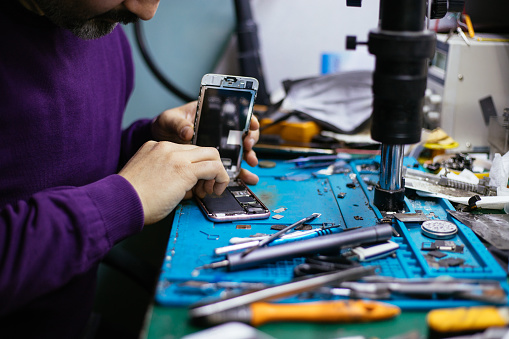
"Apple Expands Repair Options with Used Genuine Parts Access"

Originally Published 1 year ago — by Newser

Featured image for "Apple Expands Repair Options with Used Genuine Parts Access"
Source: Newser

Apple announces a new repair process for select iPhone models starting this fall, allowing customers and independent repair shops to use used genuine Apple parts without any loss of function, in contrast to the current parts pairing system. This move is seen as a win for the "right to repair" advocates and aims to make repairs more accessible and affordable. Apple also addresses concerns about stolen parts by restricting calibration capabilities for parts obtained from devices with Activation Lock or Lost Mode enabled.

"Apple Embraces Used Parts for iPhone Repairs, Finally"

Originally Published 1 year ago — by Ars Technica

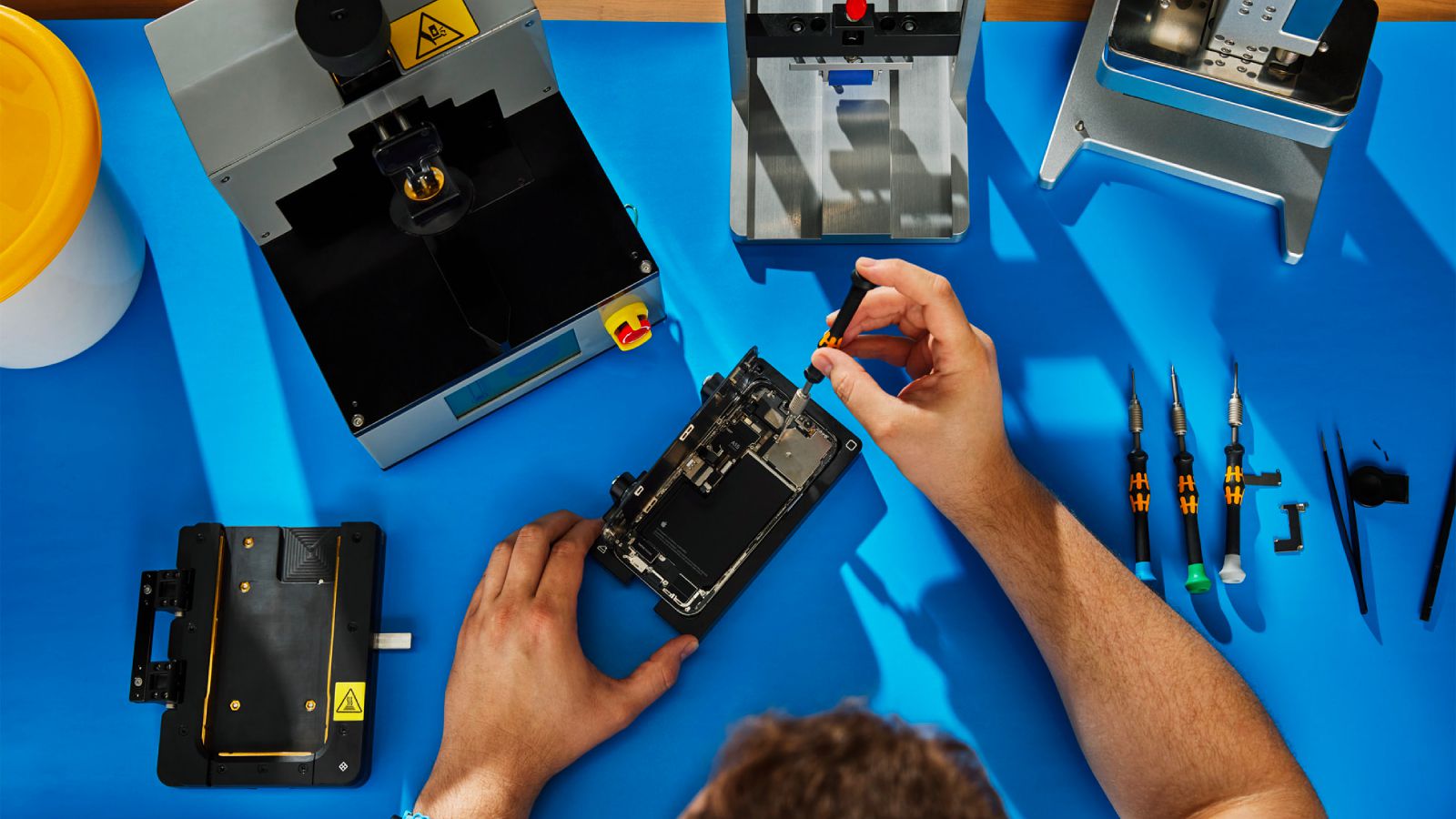
Featured image for "Apple Embraces Used Parts for iPhone Repairs, Finally"
Source: Ars Technica

Apple announces a new policy allowing for the reuse of used Apple parts in future iPhone repairs, while maintaining the use of software locks to deter stolen parts. This move comes as a response to the progress of Right to Repair legislation in states like Oregon and Colorado. The company's decision aims to balance consumer choice and environmental impact with concerns over privacy, security, and theft prevention.

"Apple's John Ternus Advocates for Genuine Used Parts in iPhone Repairs"

Originally Published 1 year ago — by 9to5Mac

Featured image for "Apple's John Ternus Advocates for Genuine Used Parts in iPhone Repairs"
Source: 9to5Mac

Apple's senior vice president of Hardware Engineering, John Ternus, defended the controversial practice of "parts pairing" as necessary for ensuring the best user experience, stating that it is "not evil." Despite criticism and legislative action against this practice, Apple maintains that it is essential for authenticating and calibrating components, although recent legislation in Oregon has specifically outlawed parts pairing, raising questions about how Apple will comply and how the law will be enforced.

"Apple Eases Restrictions on iPhone Repairs, Allows Use of Used Genuine Parts"

Originally Published 1 year ago — by MacRumors

Featured image for "Apple Eases Restrictions on iPhone Repairs, Allows Use of Used Genuine Parts"
Source: MacRumors

Apple responds to criticism over iPhone's "parts pairing" process by announcing that customers and independent repair shops will be able to repair select iPhones with used genuine Apple parts starting later this year. Apple's hardware engineering chief John Ternus defended the process, stating that it is necessary for authentication and calibration purposes, and clarified that most third-party parts still work with iPhones. However, third-party parts related to Face ID and Touch ID do not work for security reasons. Apple also plans to expand transparency around repairs by showing whether a used part is a genuine Apple part in the "Parts and Service History" section.

"Oregon's Right to Repair Law Forces Apple to Rethink iPhone 16 Design"

Originally Published 1 year ago — by Forbes

Featured image for "Oregon's Right to Repair Law Forces Apple to Rethink iPhone 16 Design"
Source: Forbes

Apple will need to reconsider the design of its future iPhones to comply with Oregon's new right-to-repair law, which bans the practice of parts pairing. This law, effective from January 1, 2025, aims to make it easier for device owners and independent repair shops to fix consumer electronics. Apple's use of parts pairing in its products has been criticized, and the company may have to change its policy in response to this legislation. The impact on current and future devices, as well as Apple's response, will be closely watched in the technology industry.

"Oregon's Right to Repair Law Forces Apple to Rethink iPhone 16 Design"

Originally Published 1 year ago — by MacRumors

Featured image for "Oregon's Right to Repair Law Forces Apple to Rethink iPhone 16 Design"
Source: MacRumors

Oregon's new Right to Repair law prohibits "parts pairing" restrictions, allowing consumers to use new, used, or third-party parts for device repairs. The law also requires manufacturers to make parts, tools, documentation, and software available for smartphones produced in 2021 or later, and for other electronics produced in 2015 or later. Apple did not support the bill, citing safety and security concerns, and will need to comply with the parts pairing portion for products made after January 1, 2025.

"Oregon Governor Signs Landmark Right-to-Repair Law Banning Parts Pairing"

Originally Published 1 year ago — by IGN

Featured image for "Oregon Governor Signs Landmark Right-to-Repair Law Banning Parts Pairing"
Source: IGN

Oregon's new right-to-repair law, SB 1596, signed by Governor Tina Kotek, is the first in the U.S. to ban parts pairing, giving residents more control over their devices. However, the law only applies to products manufactured after January 1st, 2025, and excludes video game consoles. Parts pairing, a tactic used by manufacturers to dictate repair parts, is now prohibited, but the Entertainment Software Association has been vocal in opposing the inclusion of game consoles in right-to-repair legislation due to piracy concerns.

"Oregon Enacts Strongest Right-to-Repair Law, Banning Anti-Repair Practices"

Originally Published 1 year ago — by Engadget

Featured image for "Oregon Enacts Strongest Right-to-Repair Law, Banning Anti-Repair Practices"
Source: Engadget

Oregon is on track to pass a comprehensive Right to Repair law that would ban "parts pairing" and require manufacturers to make compatible parts available to device owners at favorable prices. The legislation, if signed into law, would be the first to prohibit parts pairing, a practice that restricts individuals from using theoretically equivalent replacement parts in their electronic devices. The bill also mandates manufacturers to provide compatible parts without substantial conditions and at the most favorable price.

"Oregon Outlaws Apple's Parts Pairing with Expansive Right-to-Repair Law"

Originally Published 1 year ago — by 9to5Mac

Featured image for "Oregon Outlaws Apple's Parts Pairing with Expansive Right-to-Repair Law"
Source: 9to5Mac

Oregon is set to pass a landmark right-to-repair legislation that would outlaw parts pairing, a practice used by companies like Apple to prevent third-party repair shops from using components unless the company's software approves them. This legislation, if signed into law, would be the first to ban parts pairing and is seen as the toughest right to repair legislation to date. The ban would take effect for smartphones from 2025, and it has been praised by iFixit CEO Kyle Weins as a significant step in electronics right to repair.

"Apple Opposes Oregon Right to Repair Bill, Citing Parts Pairing Concerns"

Originally Published 1 year ago — by Hackaday

Featured image for "Apple Opposes Oregon Right to Repair Bill, Citing Parts Pairing Concerns"
Source: Hackaday

Apple is now opposing an Oregon "Right to Repair" bill due to its prohibition of parts pairing, a practice increasingly used in Apple devices to link specific parts to the mainboard. Apple claims parts pairing is for user security, safety, and privacy, but critics argue it limits user repairs and leads to unnecessary waste. If the bill passes, it could influence similar legislation in other states and amendments to existing laws.

Apple's Parts Pairing: The Billion-Dollar Control Battle

Originally Published 2 years ago — by AppleInsider

Featured image for Apple's Parts Pairing: The Billion-Dollar Control Battle
Source: AppleInsider

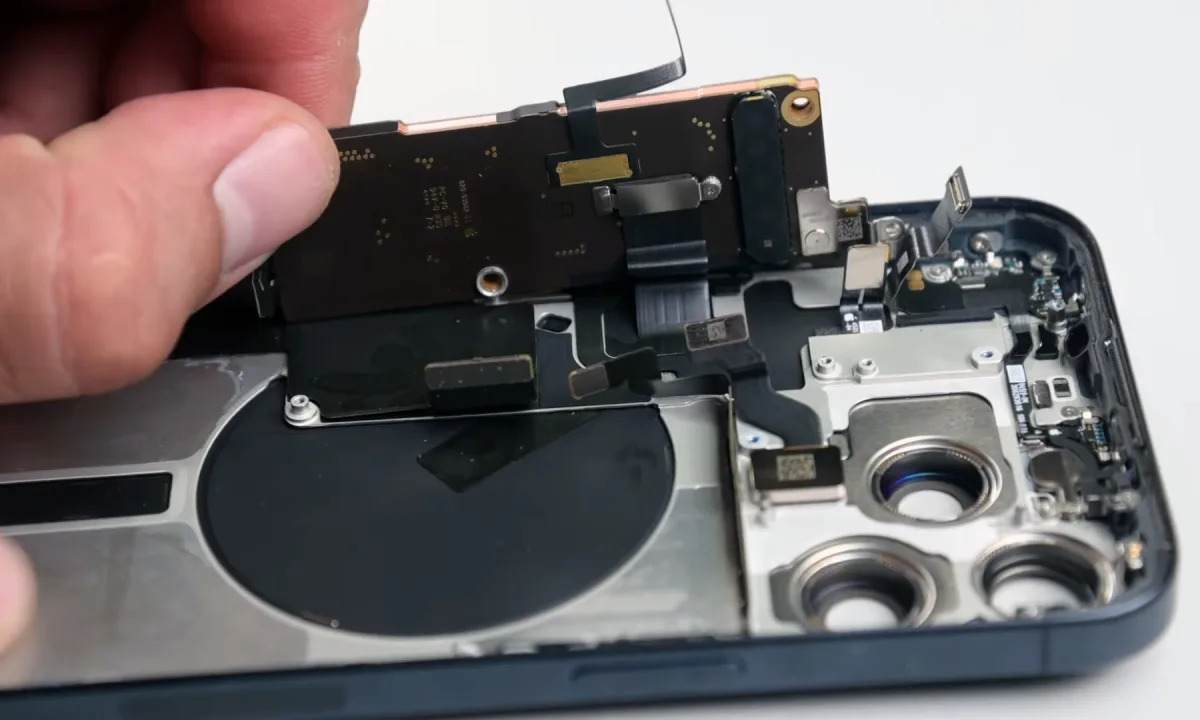
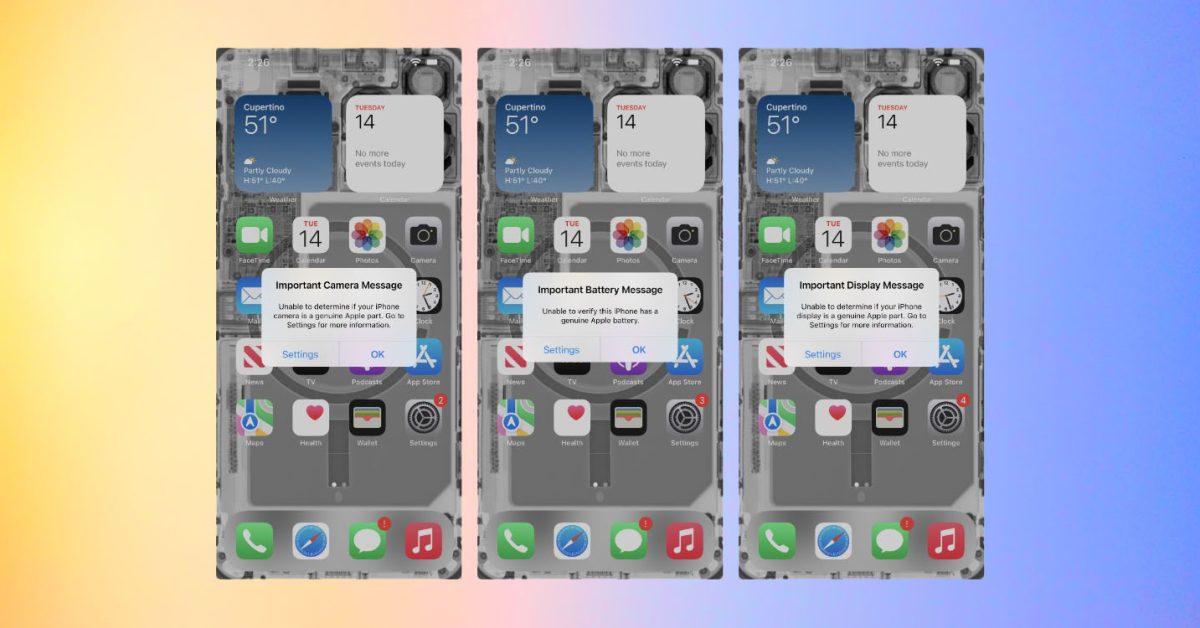
Apple's iPhone includes code that identifies when repair components are bought from Apple and intentionally fails if alternatives are used, driving customers to AppleCare+ and earning the company an estimated $9 billion annually. The New York Times reports that seven iPhone parts, including the Face ID or Touch ID sensor, display, battery, front-facing camera, Taptic Engine, rear camera, and LiDAR sensor, can trigger issues during repairs. Five of these parts do not work even when swapped with identical working parts, while the taptic engine, display, battery, and rear camera cause persistent alerts after swap. This "parts pairing" software issue has been used by other companies like Hewlett Packard, Tesla, and John Deere. Apple has defended the practice, citing customer safety and brand protection. Oregon lawmakers are seeking to make it illegal for Apple to have any restrictions on repairs. Apple launched its Self Service Repair program, requiring customers to buy components and tools from Apple for repairs.

iPhone 15 Pro Max: Teardown, Repairability, Durability, and Color Dilemmas

Originally Published 2 years ago — by Engadget

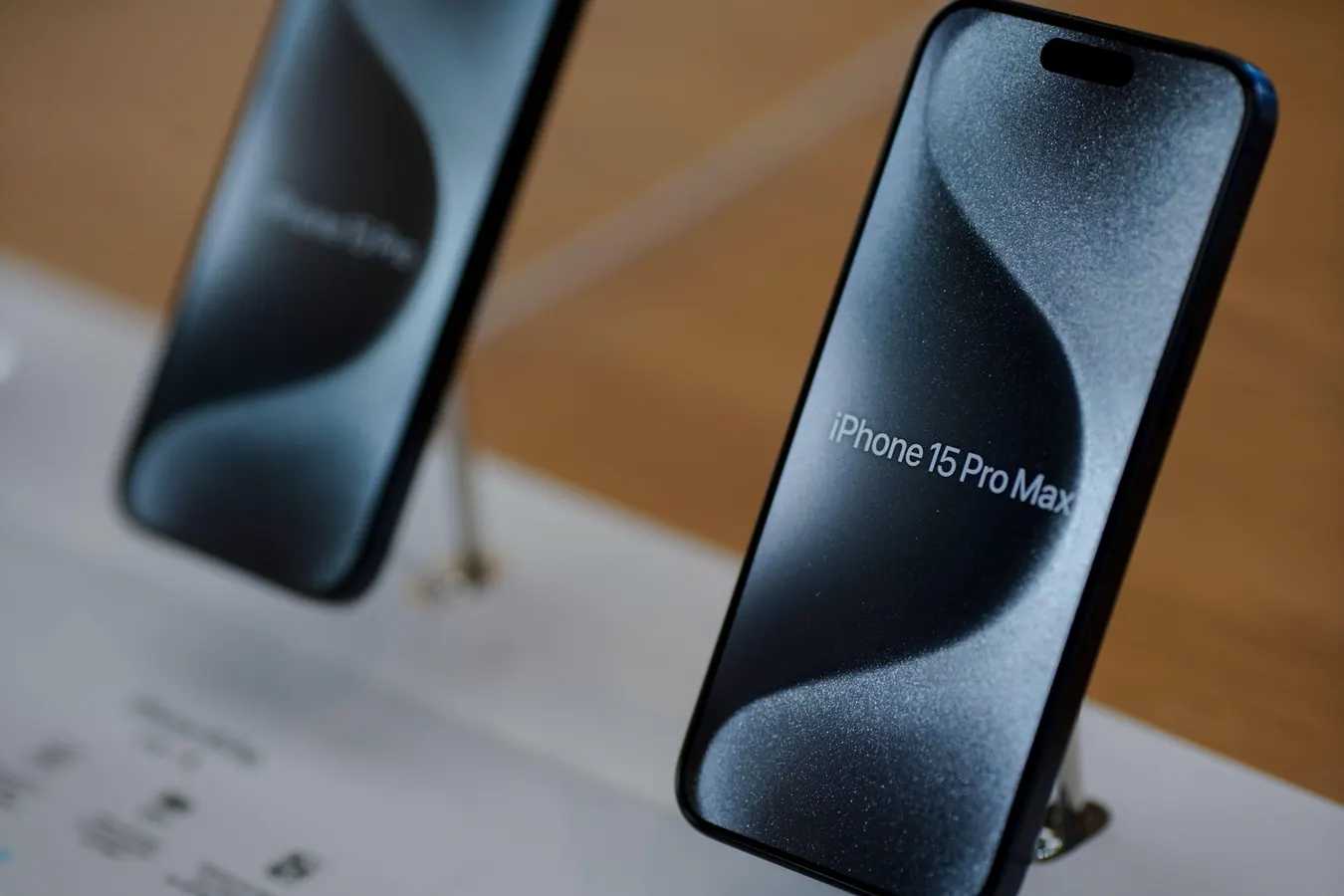
Featured image for iPhone 15 Pro Max: Teardown, Repairability, Durability, and Color Dilemmas
Source: Engadget

The iPhone 15 Pro Max teardown by iFixit reveals a mixed bag for repairability. While Apple has reintroduced a dual-entry removable glass back cover, making back glass repairs more affordable, local repair shops still face challenges due to the software-restricted "parts pairing" requirement. iFixit also found that the titanium frame scratches easily and criticized Apple for not making significant camera hardware updates. The parts pairing issue has led iFixit to give the iPhone 15 Pro Max a low repairability score of 4 out of 10.

"iPhone 14's Repairability Rating Plummets Due to Parts Pairing Barrier, iFixit Reports"

Originally Published 2 years ago — by 9to5Mac

Featured image for "iPhone 14's Repairability Rating Plummets Due to Parts Pairing Barrier, iFixit Reports"
Source: 9to5Mac

The repairability rating of the iPhone 14 by iFixit has been downgraded from 7/10 to 4/10 due to the significant barrier imposed by Apple's parts pairing process. Parts pairing, introduced with the iPhone 12, digitally pairs the serial number of a component to the serial number of the iPhone, making repairs with harvested parts or third-party components difficult. Independent repair shops and consumers raised concerns about the limitations and inconvenience caused by this practice. iFixit acknowledged the oversight and adjusted the rating, reflecting the challenges faced by individuals and independent repair shops when fixing the iPhone 14.