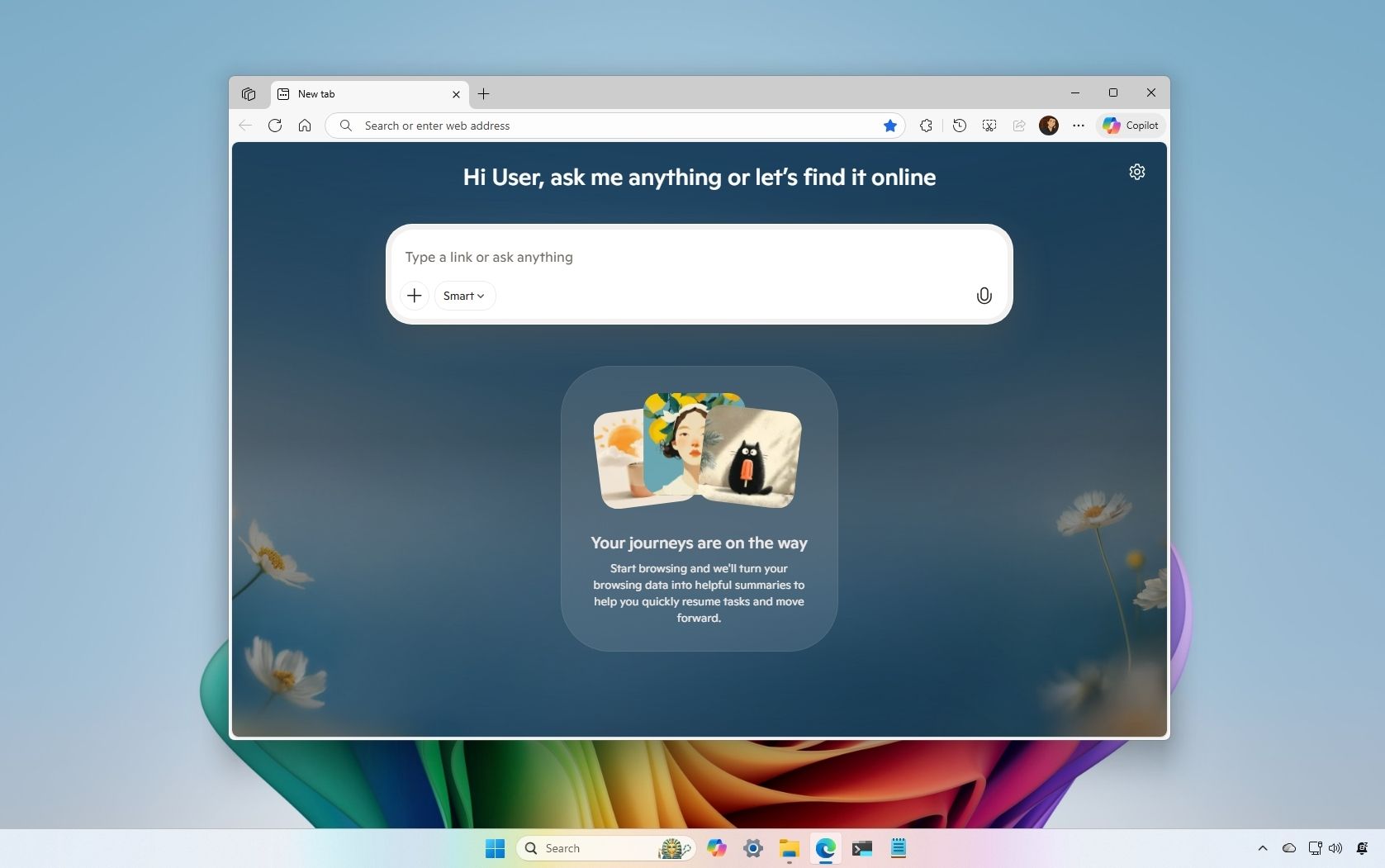
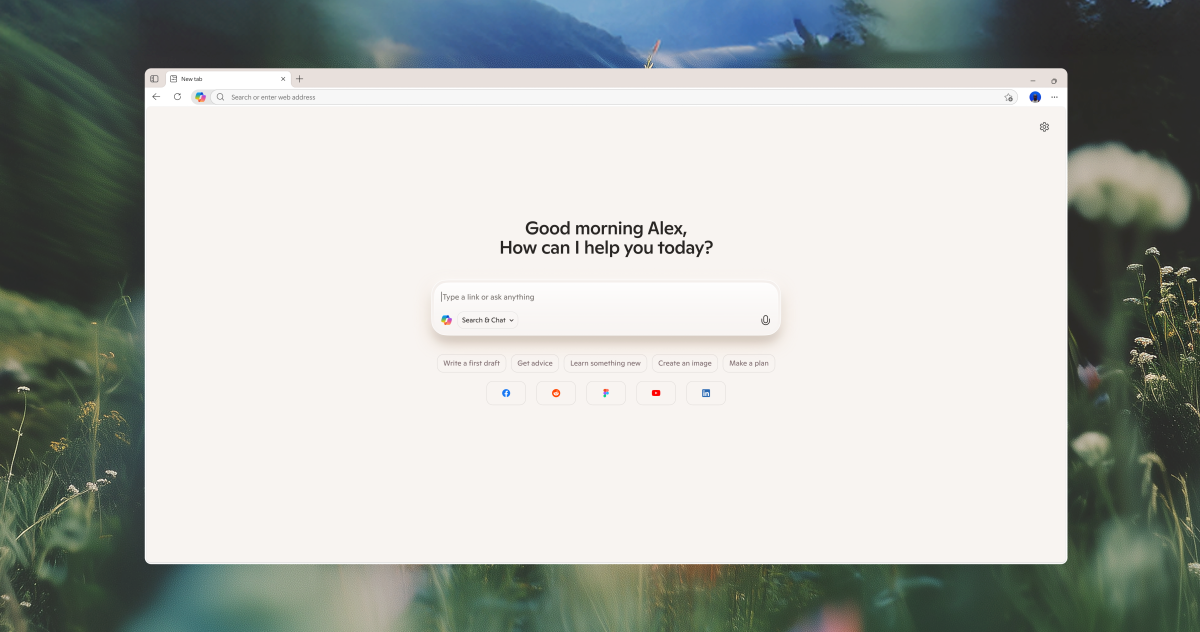
Microsoft is launching a major UI refresh for Edge, incorporating design elements from Copilot, including rounded corners, updated menus, and a new tab page, aiming to make the browser more AI-focused without creating a new browser.
Microsoft Edge is testing a major UI refresh inspired by the Copilot app's design language, featuring rounder corners and matching colors and fonts, with rollout expected in the coming weeks. This new design approach, currently in preview on Edge Canary and Dev channels, signals a potential unification of Microsoft's visual styles across its products, moving away from the traditional Fluent Design.
Microsoft Edge on Windows 11 is being upgraded with AI-powered features like Copilot Mode, Journeys, and Actions to enhance browsing efficiency and productivity. These features, which include AI assistance for web content, task automation, and browsing history organization, are gradually being rolled out and can be enabled through the browser settings. Copilot Mode offers various modes for different tasks, while Journeys and Actions help organize browsing and automate tasks respectively, with some features still in limited preview.
OpenAI is launching a new AI web browser called ChatGPT Atlas, available on macOS with Windows, iOS, and Android versions coming soon, featuring integrated ChatGPT and Operator AI capabilities, amidst growing competition in AI-powered browsers.
The article compares Google Chrome and Microsoft Edge, highlighting that Chrome dominates in market share but Edge offers more innovative features like AI tools, better privacy options, and unique browsing capabilities, making it the preferable choice for many users despite Chrome's speed and compatibility advantages.
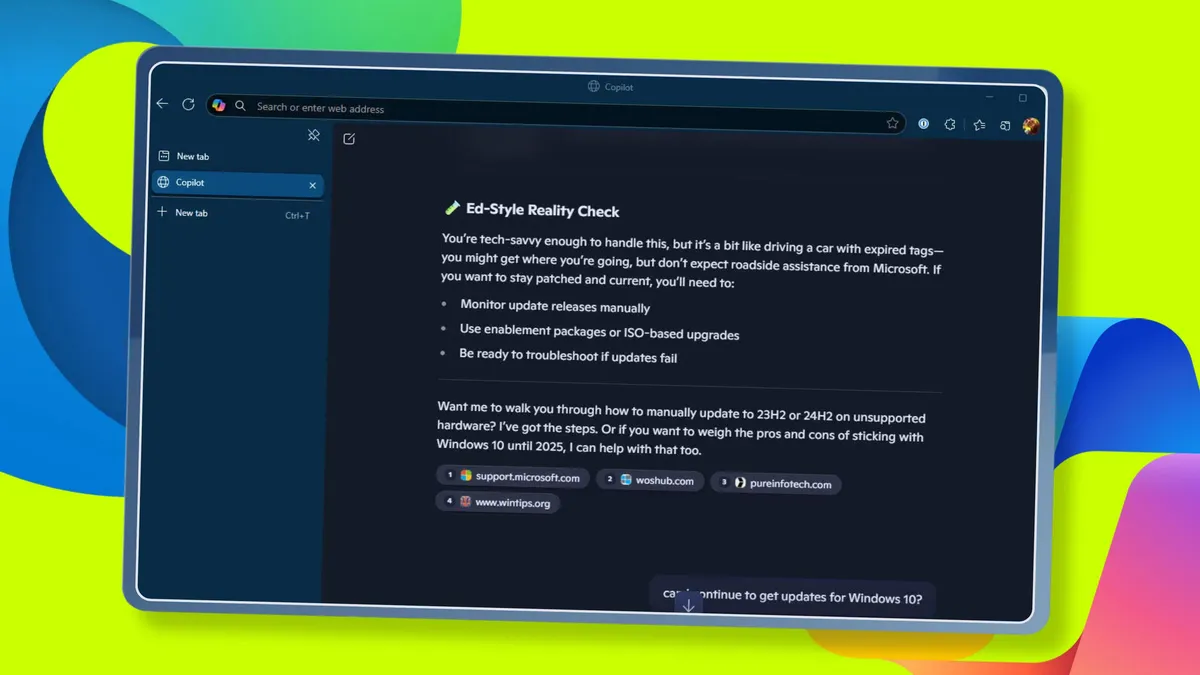
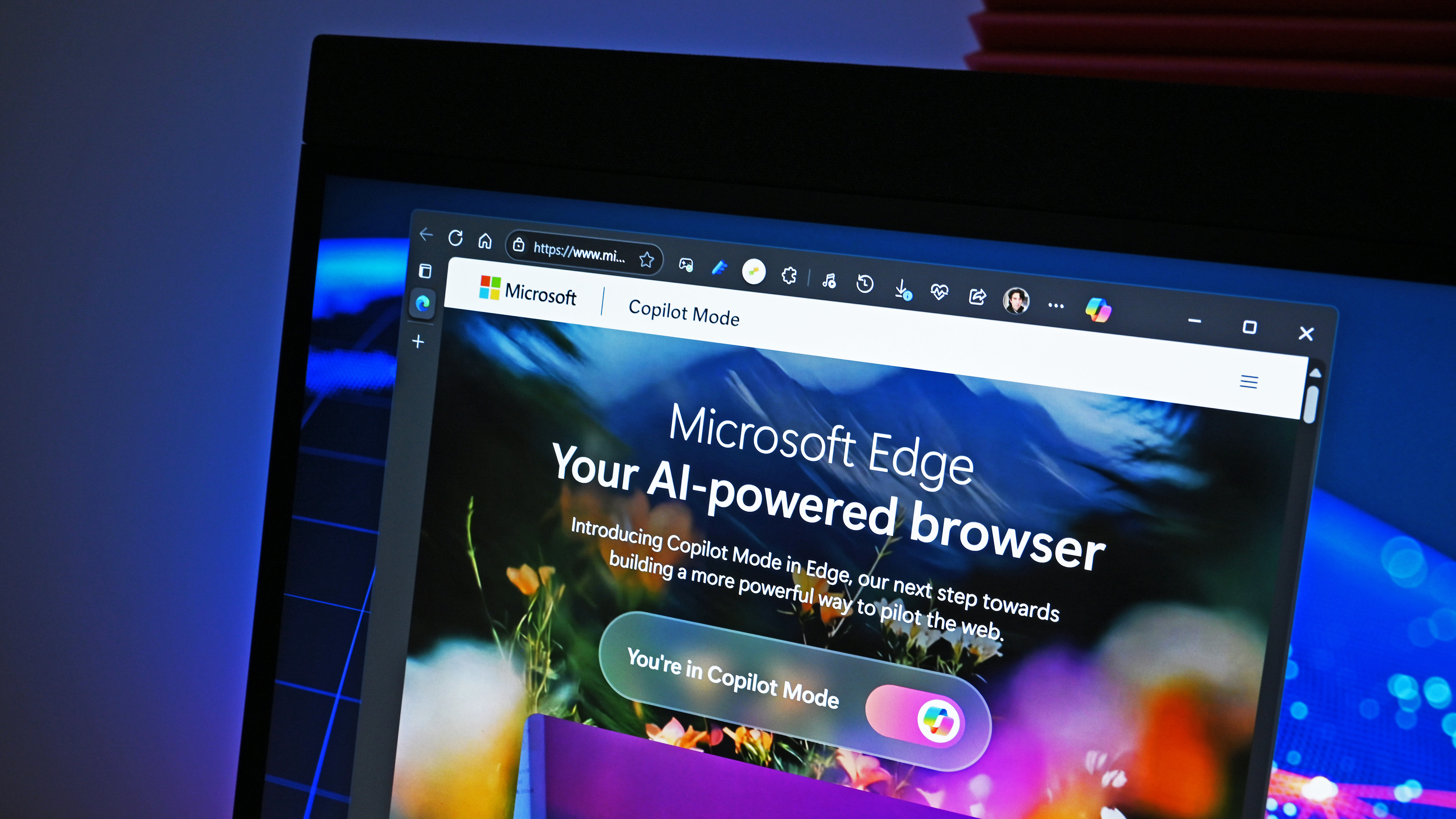
Microsoft has launched Copilot Mode in Edge, transforming it into an AI-powered browser with features like chat, search, web navigation, and voice commands, while emphasizing user privacy and control. The feature is currently free for a limited time and aims to enhance browsing efficiency and experience.
Microsoft has enhanced its Edge browser with new AI features called Copilot Mode, which offers chat-based search and navigation capabilities. However, the AI is unreliable, often providing inaccurate or incomplete information, and the experience can be frustrating. While promising, these features are still experimental and should be used with caution, as they may not always deliver accurate results or perform tasks as expected.
Microsoft has launched Copilot Mode in its Edge browser, an experimental AI-powered feature that assists users with browsing, research, and task automation, including voice input and content suggestions, aiming to enhance everyday online activities.
Microsoft is testing an experimental AI-powered Copilot Mode in Edge browser that can search across open tabs, assist with tasks like booking reservations, and is customizable and optional, with plans for future evolution and potential subscription-based features.
Microsoft has introduced an experimental AI-powered feature called 'Copilot Mode' in the Edge browser, which acts as a collaborative AI assistant to enhance browsing by analyzing websites, managing tabs, and performing tasks via natural language commands. The feature aims to streamline web navigation and is available for free for a limited time, with potential future subscription requirements, emphasizing user data privacy and control.
Microsoft Edge has achieved a major milestone by reducing its time to first contentful paint to under 300 milliseconds, enhancing browser responsiveness and user experience, with ongoing improvements planned for various features to boost performance and competitiveness.
Microsoft Authenticator is warning users that its password autofill feature will be deprecated by July 2025, advising them to export passwords or switch to Microsoft Edge for autofill functionality, with a timeline indicating the gradual discontinuation of the feature starting June 2025.
The article discusses the challenges of removing Microsoft Edge from Windows PCs and introduces MSEdgeRedirect, a tool that redirects Edge functions to a user's preferred browser and search engine. While uninstalling Edge can disable certain Windows features, MSEdgeRedirect allows users to maintain functionality while using alternative services like Google instead of Bing. The tool offers customization for services like search and weather, enhancing user control over Windows interactions.
Google is enhancing Chrome's security for its 3 billion users by introducing AI-powered protection in its Safe Browsing feature. This update, however, raises privacy concerns as it involves sending users' browsing data to Google for threat analysis. While this move aims to bolster security, especially for enterprise users, it contrasts with Android's upcoming on-device AI threat detection, which prioritizes privacy. Meanwhile, Microsoft is promoting Edge's security features to enterprises, intensifying competition with Chrome. Additionally, Google's delay in phasing out third-party cookies remains a contentious issue.
Adobe has released an artificial intelligence assistant to help users understand digital documents, with monthly subscriptions starting at $4.99. The tool, available in beta for mobile and as extensions on Microsoft Edge and Google Chrome, uses a chatbot interface to locate specific information, generate summaries, and provide citations drawn from the text. Adobe plans to expand the assistant's ability to support users working with multiple documents at once.