Tag

Incognito Mode

All articles tagged with #incognito mode

technology1 year ago

"Google Settles Privacy Lawsuit by Deleting Billions of Browser Records"

Google has agreed to delete billions of data records to settle a class action lawsuit alleging that the company improperly tracked users in its private browsing mode. The settlement, valued at more than $5 billion, requires Google to update disclosures about data collection in incognito mode and allows users to block third-party cookies for five years. While Google denies any wrongdoing, the agreement aims to reduce data collection from private browsing sessions and increase transparency, pending approval from a U.S. District Judge.


technology-data-privacy1 year ago

"Google Settles Privacy Lawsuit by Deleting Billions of Incognito Mode Browsing Records"

Google has agreed to delete billions of browsing records as part of a settlement in a class action lawsuit alleging that the company tracked users' internet activity without their consent while using "incognito" mode in its Chrome browser. The settlement, pending court approval, requires Google to purge private browsing data and make it less identifiable, block third-party cookies in Incognito Mode for five years, and update the language around Incognito Mode to clarify its limitations. The lawsuit revealed internal discussions within Google criticizing the mode as a "confusing mess" and a "problem of professional ethics and basic honesty." Additionally, Google has implemented new requirements for email senders to combat spam and phishing attacks in Gmail.

technology1 year ago

Google Set to Purge Billions of Browser Records in Incognito Mode Settlement

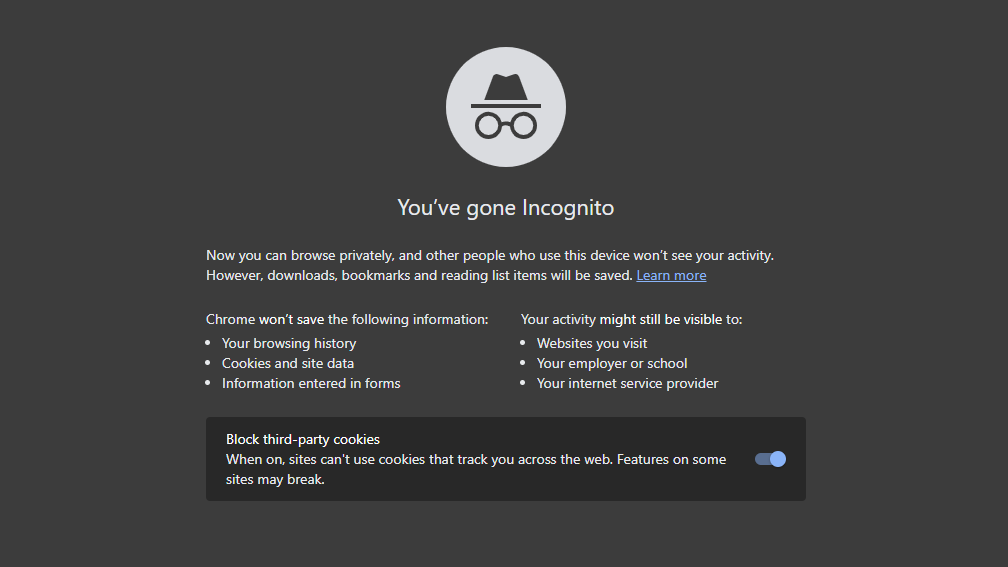
Google has settled a lawsuit by agreeing to delete billions of data records it compiled about millions of Chrome browser users, resolving claims that it had misled users by tracking their online activity in Chrome’s Incognito mode. As part of the settlement, Google will rewrite its disclosures to inform users about data collection in Incognito mode, maintain a change to Incognito mode that blocks third-party cookies by default for the next five years, and stop using technology that detects when users enable private browsing.

technology1 year ago

"Google Settles 'Incognito' Lawsuit by Deleting Billions of Browsing Records"

Google has agreed to destroy billions of browsing records and update its disclosure to settle a lawsuit alleging that it improperly tracked internet users in incognito mode. The settlement, reached in an Oakland Federal Court, includes a commitment from Google to inform users about data storage in incognito mode and to allow users to block third-party cookies while in private browsing modes for the next five years. Although Google won't face a financial penalty, plaintiffs can pursue monetary damages individually.

technology1 year ago

"Google Commits to Deleting Billions of Private Browsing Records in Settlement"

Google has agreed to settle a lawsuit by destroying billions of private browsing records, following claims that it improperly tracked users' internet activity in Chrome's incognito mode. The settlement, which requires court approval, will see Google updating disclosures about its data collection in private browsing and allowing users to block third-party cookies for five years. While users will not receive damages as part of the settlement, they may still sue individually. The plaintiffs' lawyers valued the accord at more than $5bn, and Google supports final approval of the settlement despite disagreeing with some of the plaintiffs' claims.

technology1 year ago

"Privacy Concerns: Google's Decision on Incognito Data and Florida's Abortion Referendum"

Google has agreed to delete billions of private browsing records of users who used "incognito" mode in its Chrome browser as part of a settlement in a class-action lawsuit over the company's web-tracking practices. The lawsuit alleged that Google continued to track and harvest data from users in incognito mode, despite claiming it was private. The settlement, which does not include monetary damages for class members, also requires Google to clarify the limitations of incognito mode and block third-party tracking during incognito browsing.

technology1 year ago

"Google Commits to Deleting Incognito Browsing Data in Lawsuit Settlement"

Google has agreed to destroy or de-identify billions of records of web browsing data collected in its private browsing "Incognito mode" as part of a proposed class action settlement, which also mandates greater disclosure and limits on future data collection. The $5 billion proposal, if approved, could apply to 136 million Google users and stems from a 2020 lawsuit accusing the company of illegally tracking behavior through the private browsing feature. Google spokesperson José Castañeda stated that the company is "pleased to settle this lawsuit," while the settlement does not include damages for the class, though individuals can file claims.

technology1 year ago

Google Settles Lawsuit by Committing to Destroy Incognito Browsing Data

Google has agreed to settle a lawsuit by destroying billions of data records, valued at more than $5 billion, to address claims that it secretly tracked the internet use of people who thought they were browsing privately. The settlement, which requires court approval, does not provide damages to users but allows them to sue individually. Google will update disclosures about its data collection in "private" browsing and allow Incognito users to block third-party cookies for five years. The plaintiffs' lawyers view the settlement as a historic step in holding technology companies accountable.

technology1 year ago

"YouTube Ceases Recommendations for Logged-Out Users"

YouTube has stopped showing recommended videos to users who are logged out of a Google account or using Incognito mode, prompting concerns about user privacy and the push to always be signed in. The change results in a blank YouTube homepage with a message prompting users to start watching videos to build a feed they'll love, even when searching for content. Some users believe this is an attempt to push them into turning on their history settings, while Google has not yet provided further details about the update.

technology1 year ago

"The Truth About Google Incognito Mode: What You Need to Know"

A TikTok creator's video explaining that Google Incognito mode doesn't truly protect privacy has gone viral, following a recent $5 billion privacy lawsuit settlement against Google for allegedly tracking users' internet activities despite their use of private browsing. The creator warns that both Apple and Google can still track online activity, even with a VPN, and suggests using tools like Wireshark to monitor network activity. Viewers shared their thoughts, with some suggesting alternative search engines like DuckDuckGo or browsers like Brave, while others questioned the need for privacy if nothing "weird" is being searched.

technology2 years ago

"Google's Incognito Mode: Tracking Confirmed, New Warning Issued"

Google has updated the disclaimer for its Incognito mode to clarify that it still collects data from users, including search history and website visits. This comes after the company settled a $5 billion privacy lawsuit. The new disclaimer in the Canary version explicitly states that data will continue to be collected despite being in Incognito mode. This admission confirms long-standing speculations about Google's tracking practices and highlights the need for caution when using the mode, as both Google and the websites visited can track user activities.

technology2 years ago

"Google's Incognito Mode: The Truth About Data Tracking in Chrome"

Google has admitted to collecting data from users even when they are in incognito mode on Google Chrome, leading to a $5 billion settlement to avoid a 2020 lawsuit. The company has updated its disclaimer in incognito mode and lawyers are finalizing the settlement agreement. Users can take steps to protect their privacy, such as turning off "web & app" activity, limiting data sharing with sites and services, turning off Location History, stopping targeted ads, and using a VPN for better privacy.

technology2 years ago

Google Reveals Incognito Mode in Chrome Isn't Completely Private

Google has confirmed a new warning for its 2 billion Chrome users, clarifying that Incognito mode does not provide as much privacy as many users believe. The update aims to inform users that while their activity won't be visible to others using the same device, it won't prevent websites and services from collecting and using their data. This move follows a recent lawsuit and settlement regarding Google's tracking practices. The update is not yet in the current release version of Chrome but is expected to roll out soon, providing a more transparent description of what Incognito mode does and doesn’t do.

technology2 years ago

"Google's Incognito Mode in Chrome: Not as Private as Users Thought"

Google has updated the message for "incognito mode" in its Chrome browser following a $5 billion tracking lawsuit settlement, with the new text clarifying that while others using the same device won't see your activity, data collection by websites and services, including Google, will continue. The lawsuit, filed in 2020, alleged that Google used private browsers to track internet use, and the settlement is pending approval from a federal judge. Google stated that incognito mode will still allow users to browse the internet without their activity being saved to their browser or device.

technology2 years ago

"Google's Confession: Tracking in Chrome's Incognito Mode Revealed"

Google is updating the warning on Chrome's Incognito mode to clarify that user data can still be collected by Google and other websites. This comes as the company prepares to settle a class-action lawsuit alleging privacy violations related to Chrome's Incognito mode. The new warning, currently in Chrome Canary, explicitly states that browsing in Incognito mode won't change how data is collected by websites and services, including Google. The lawsuit accused Google of failing to disclose tracking and making false promises about preventing data collection in private browsing mode.