The Federal Reserve is expected to cut interest rates more in 2026 due to a weakening US job market and slowing growth, which could boost gold and challenge the dollar, with the next Fed chair's policies playing a crucial role.

The US job market in October showed signs of slowing with a slight increase in unemployment and fewer job postings, but overall employment remained stable, indicating a gradual slowdown rather than a collapse.
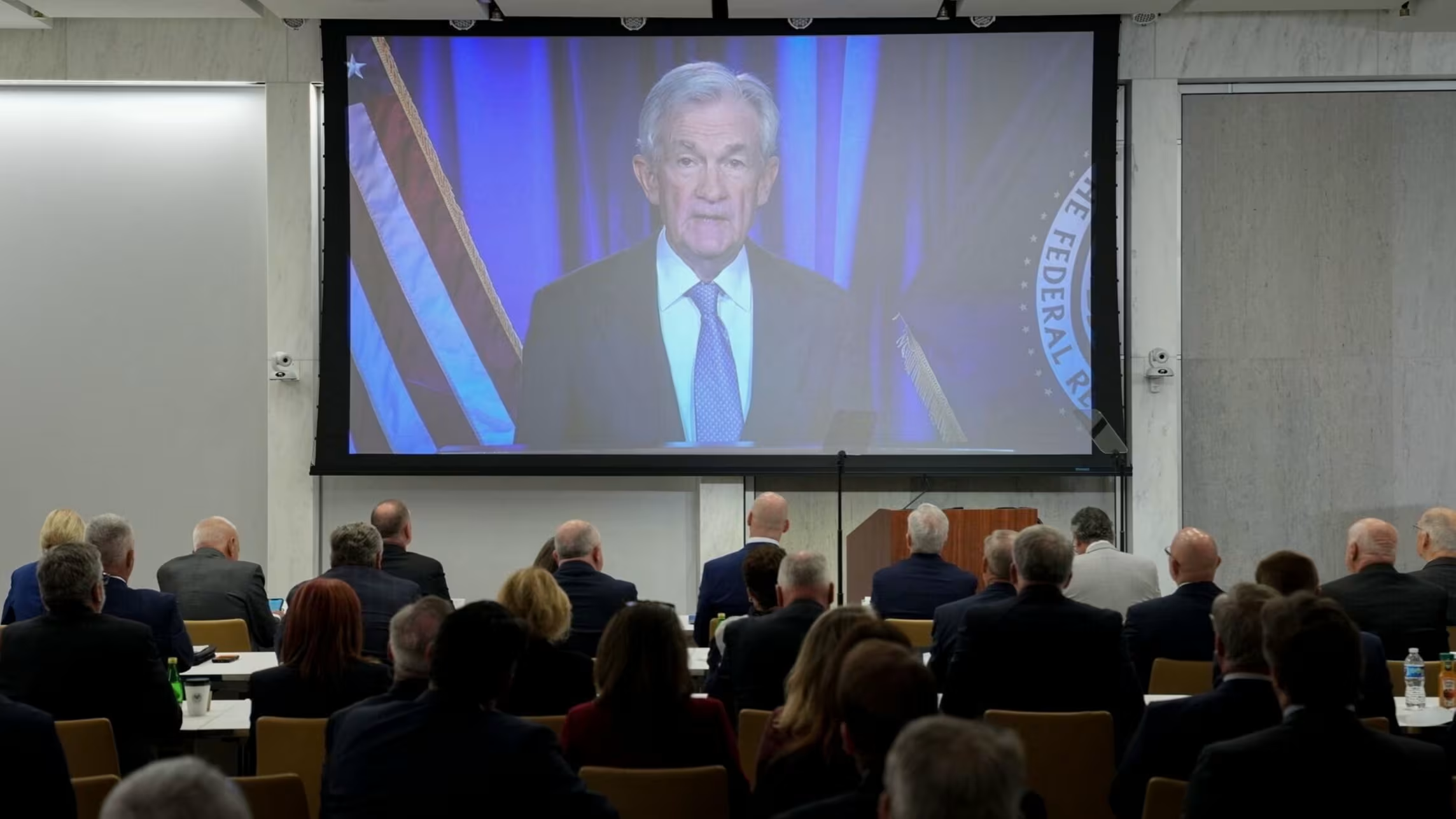
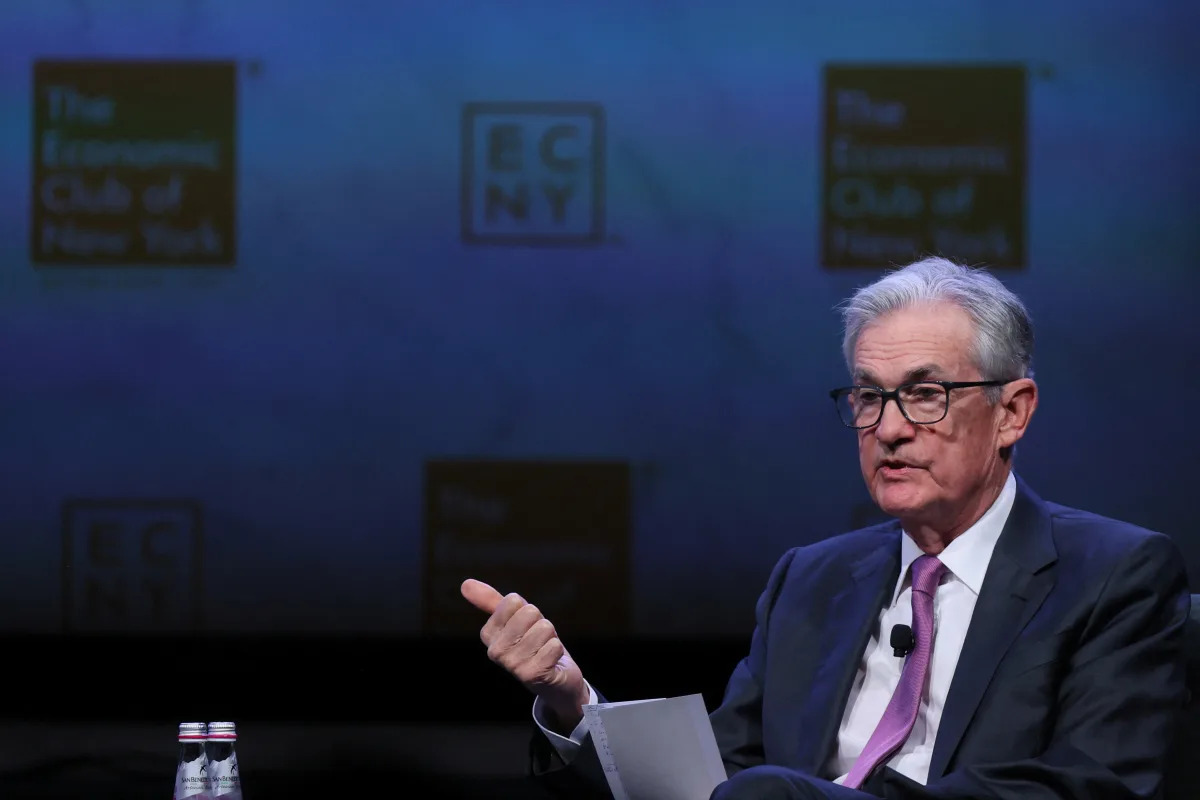
Federal Reserve Chair Jay Powell indicated support for further interest rate cuts as the US job market shows signs of cooling, suggesting a potential shift in monetary policy to support economic growth.
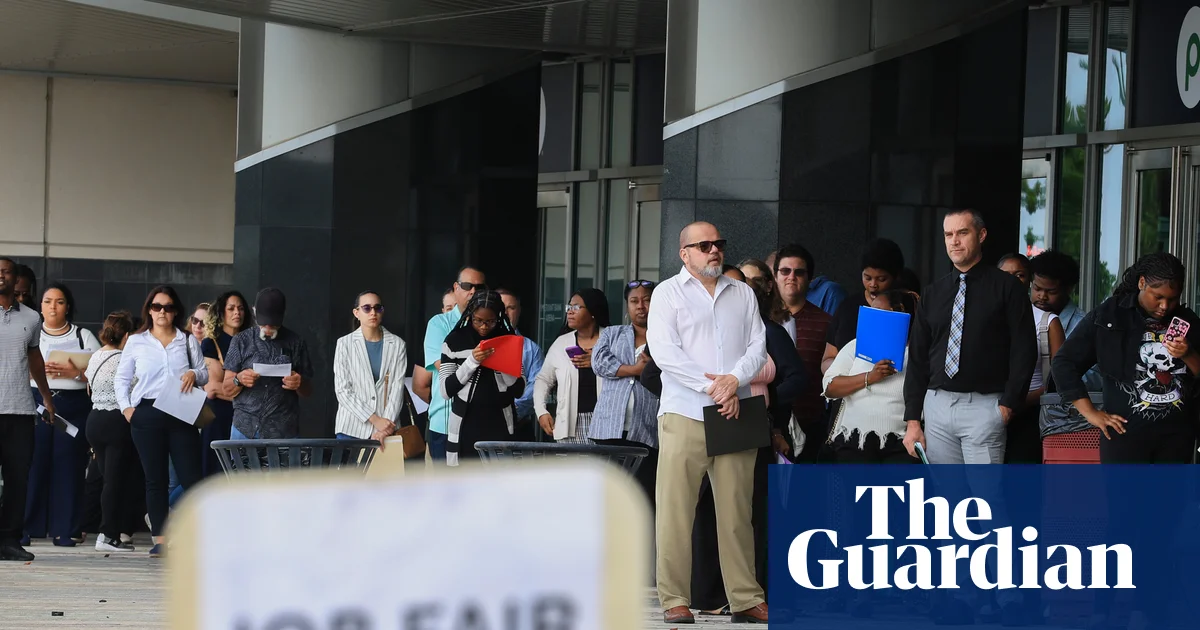
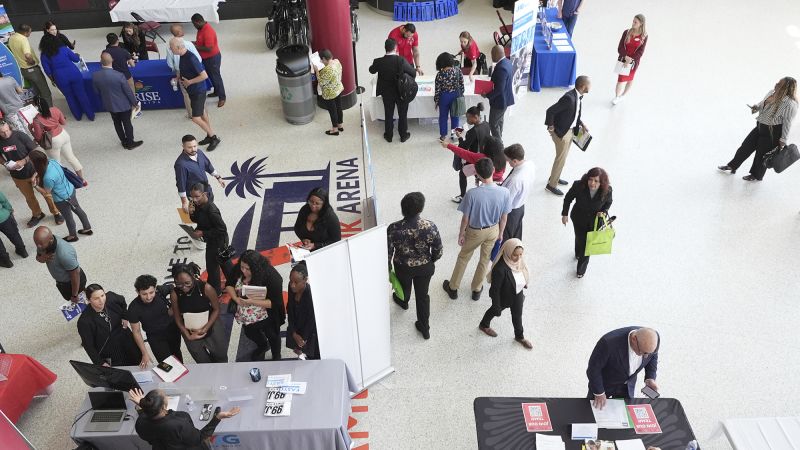
US job seekers face a bleak outlook with high unemployment, widespread scams, and systemic issues like automation and AI filtering, leading to frustration and financial instability despite official statistics suggesting a relatively healthy labor market.
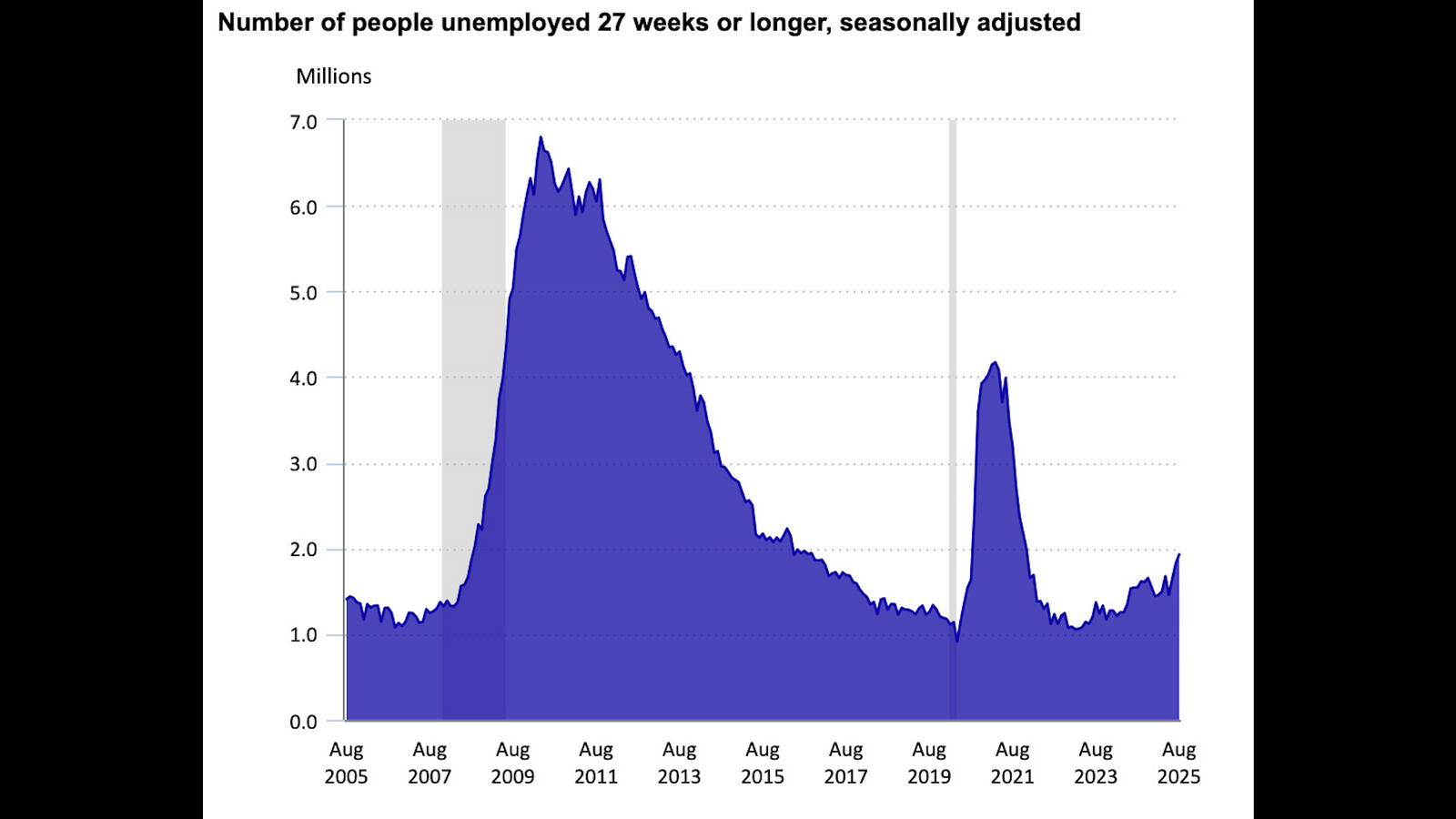
The US is experiencing a surge in long-term unemployment, reaching levels not seen since the early pandemic, with over 1.9 million unemployed for six months or more, amid declining job openings, rising inflation, and economic restructuring, which is fueling social tensions and political instability.
New preliminary data reveals the US job market was significantly weaker in 2024 and early 2025 than previously reported, with substantial downward revisions in employment figures across key sectors, raising concerns about economic health and increasing pressure on the Federal Reserve to cut interest rates.
Recent data indicates the US job market is weakening, with rising unemployment claims, slower job creation, and increased layoffs, suggesting a potential economic slowdown ahead of the upcoming jobs report.
The US job market is weakening, with July adding only 73,000 jobs, below expectations, and revisions for previous months showing even weaker growth. Factors like tariffs, immigration policies, and economic uncertainty are contributing to a stagnating labor market, characterized by low layoffs but also limited job movement and participation.
US job openings increased to 7.74 million in October, up from 7.37 million in September, indicating a stabilization in labor demand as layoffs eased, according to the Bureau of Labor Statistics' JOLTS report.
The upcoming May jobs report is expected to show modest job growth and a continued low unemployment rate, potentially marking the 28th consecutive month of sub-4% unemployment, a streak not seen since the early 1950s. This aligns with the Federal Reserve's goal of achieving a "soft landing" by cooling demand and easing inflation without triggering a recession. Key trends to watch include average hourly earnings, the impact of foreign-born workers, and potential layoffs in public education.
The U.S. job market has returned to pre-pandemic conditions as the Beveridge Curve, which plots job openings against the unemployment rate, has realigned to its 2018-2019 state. This suggests that inflation can decrease without a significant rise in unemployment. However, inflation remains above the Federal Reserve's 2% target, and the labor market's future stability is still uncertain. Key indicators like the quits rate and monthly payroll growth are also showing signs of normalization.
U.S. job openings fell to 8.059 million in April, the lowest in over three years, indicating a cooling labor market that could aid the Federal Reserve's efforts to control inflation. The ratio of job openings to job-seekers dropped to 1.24, the lowest since June 2021. The Fed is expected to maintain its current policy rate, with potential rate cuts anticipated later in the year if inflation trends downward.
The number of job openings in the United States has dropped to its lowest level in over two years, signaling a slowdown in the labor market. This decline in job openings reflects a weakening demand for workers amid concerns about the economic outlook and ongoing trade tensions.
The latest Job Openings and Labor Turnover Survey (JOLTS) report indicates that the US labor market is moving towards a better balance between supply and demand, with the ratio of job openings to unemployed workers reaching its lowest level since August 2021. This normalization is seen as a positive sign for the Federal Reserve, which has been emphasizing the need for a better balance to achieve its inflation target. The report also shows a decrease in job openings and a flat quits rate, suggesting a softening labor market. This data supports the view that the economy is cooling, leading to speculation that the Fed may pause interest rate hikes.