US Jobless Benefits Slightly Rise in Year-End, Layoffs Stay Low
U.S. unemployment benefit claims increased slightly in the last week of 2025 but remain at historically low levels, indicating a still-robust labor market despite signs of weakening.
All articles tagged with #jobless benefits

U.S. unemployment benefit claims increased slightly in the last week of 2025 but remain at historically low levels, indicating a still-robust labor market despite signs of weakening.

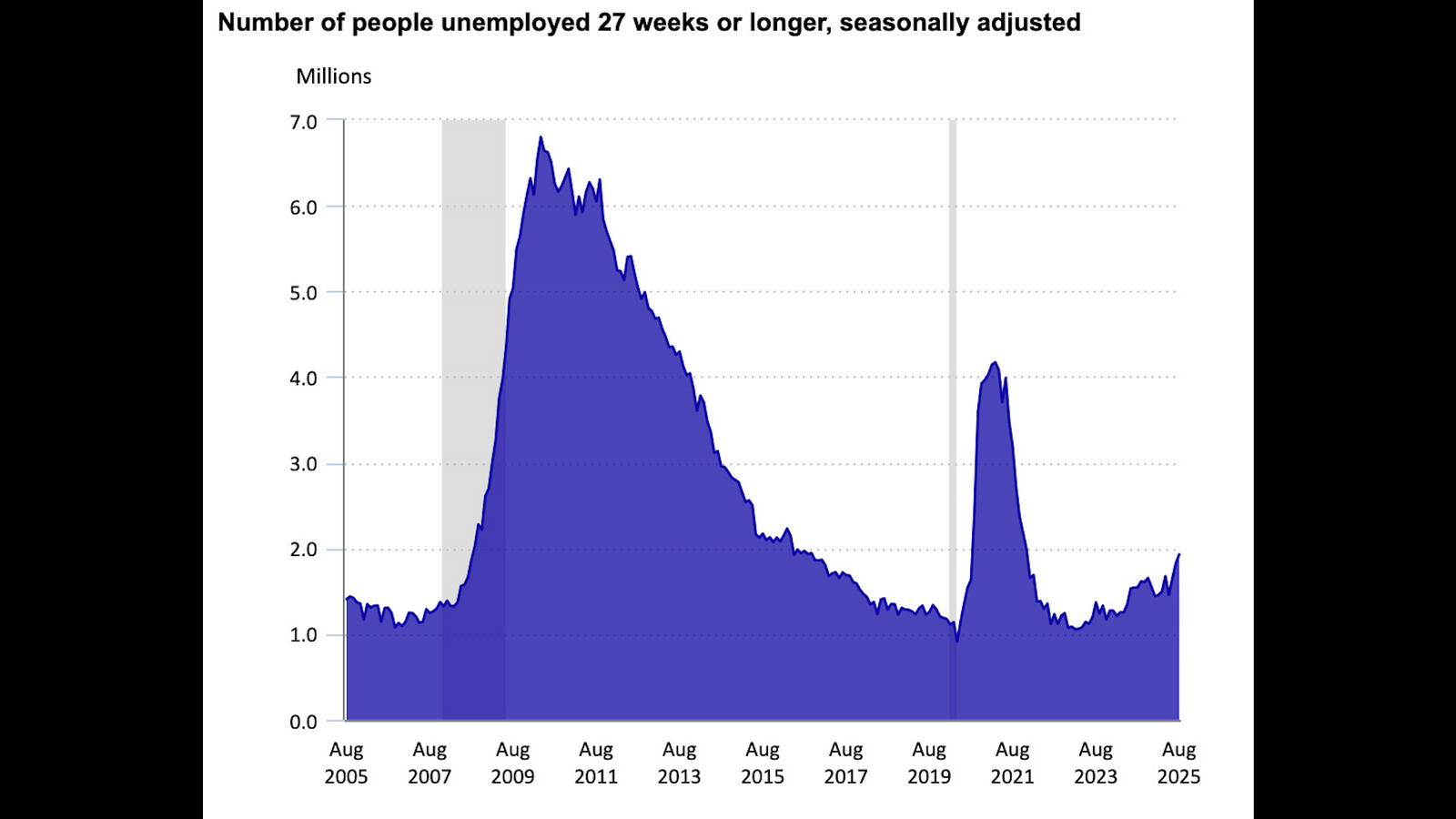
The US is experiencing a surge in long-term unemployment, reaching levels not seen since the early pandemic, with over 1.9 million unemployed for six months or more, amid declining job openings, rising inflation, and economic restructuring, which is fueling social tensions and political instability.

Jobless benefit applications in the US rose to 263,000 last week, the highest in nearly four years, signaling potential Federal Reserve interest rate cuts amid concerns over a weakening labor market and persistent inflation, despite recent revisions showing weaker-than-expected job growth and a slowdown in economic expansion.
U.S. unemployment claims rose to a two-month high of 335,000 due to seasonal adjustments, but actual new claims remain very low, indicating a stable labor market for those employed. However, the number of people collecting unemployment benefits increased, suggesting difficulty for job seekers. Economists believe hiring will remain sluggish until trade tensions ease and interest rates are potentially cut by the Fed, which has caused a decline in stock markets.
US weekly unemployment claims increased modestly to 226,000 for the week ending August 2, indicating a still healthy labor market despite economic uncertainties and recent trade tensions, with the jobless rate remaining at 1.3%.

The number of Americans applying for jobless benefits increased slightly last week but remains historically low, despite the Federal Reserve's efforts to cool the economy and control inflation. The four-week moving average of claims also rose, indicating potential challenges in finding new employment. However, the US labor market continues to show resilience, with strong consumer spending and job growth. The government will release the October jobs report on Friday.

The number of Americans applying for jobless benefits increased slightly last week, rising by 10,000 to 210,000, but still remains historically low. The labor market continues to show strength despite high interest rates and inflation. The Federal Reserve has raised its benchmark interest rate multiple times this year in an effort to cool the economy and labor market, but the overall economy and job market have performed better than expected. In September, employers added 336,000 jobs, and job openings in August exceeded economists' expectations. The Fed is expected to keep interest rates unchanged at its upcoming meeting as it aims for a "soft landing" to bring down inflation without causing a recession.

The number of Americans applying for jobless benefits increased slightly last week, but layoffs have not seen a significant rise. The U.S. economy has been adding jobs at a rapid pace since the pandemic hit, resulting in a worker-friendly labor environment. The Federal Reserve's attempt to cool the labor market by raising interest rates has not had a major impact. The June jobs report is expected to provide more insight into the labor market. Despite recent high-profile layoffs in the technology sector, the overall economy has remained resilient, with a 2% growth rate in the first quarter. The Fed is likely to continue with rate hikes to combat inflation.