TikTok has reached an agreement to transfer majority control of its US operations to American investors, forming a joint venture with Oracle, Silver Lake, and MGX, which aims to address US security concerns and comply with government regulations, potentially allowing the platform to continue operating in the US while maintaining control over user data and content moderation.
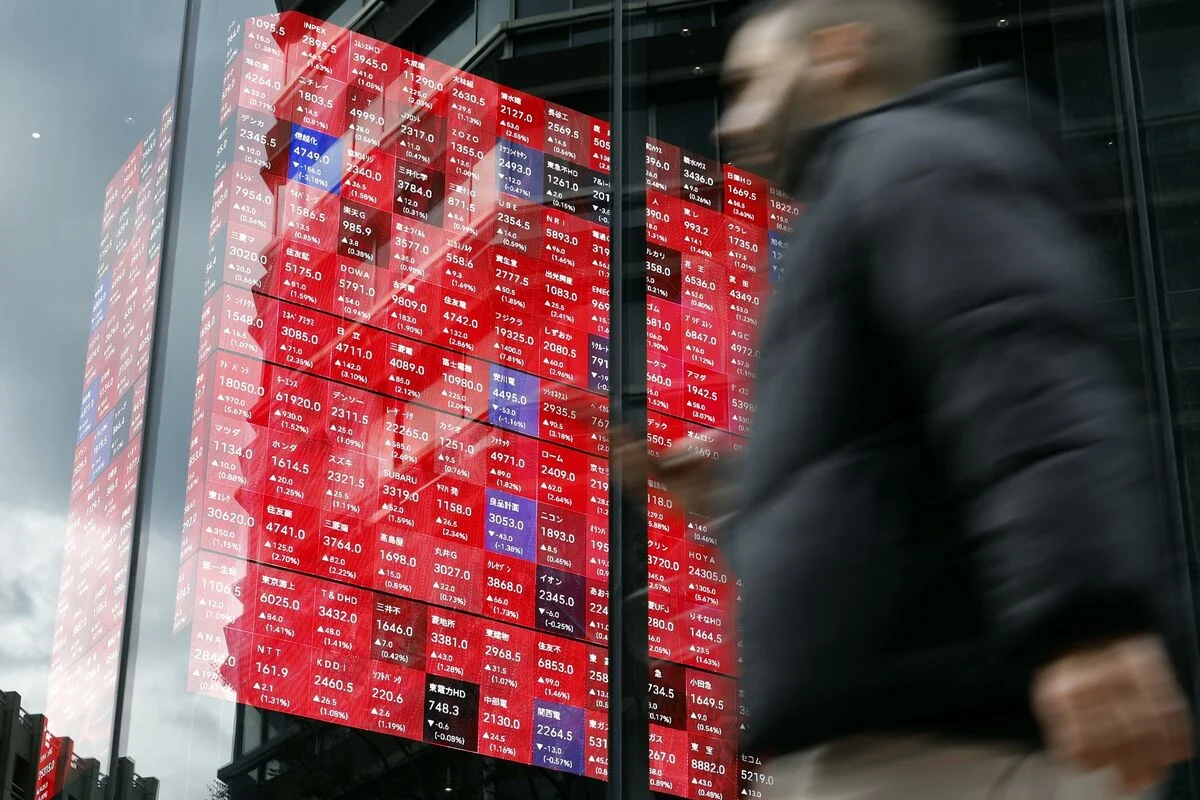
US investors are increasingly investing in Japanese stocks, especially in tech and AI sectors, driven by strong market performance, a weaker yen, and pro-stimulus policies, marking a potential shift towards growth stocks in Japan's equity market.
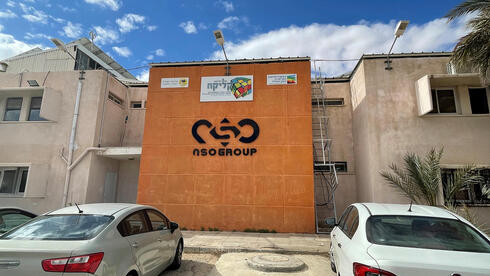
A group of American investors led by Hollywood producer Robert Simonds plans to acquire NSO Group, ending Israeli control, pending regulatory approvals. The deal follows a restructuring that moved ownership from founder Omri Lavie, who will exit the company, and aims to include the repayment of NSO's debt. The acquisition's approval process may be complicated by Simonds' past ties to China, and finalization depends on US and Israeli regulatory reviews.
President Trump claimed that prominent US investors including Rupert Murdoch, Lachlan Murdoch, Michael Dell, and Larry Ellison are involved in a potential deal to bring TikTok under US control, though details about the deal's terms, timing, and leadership remain unclear.
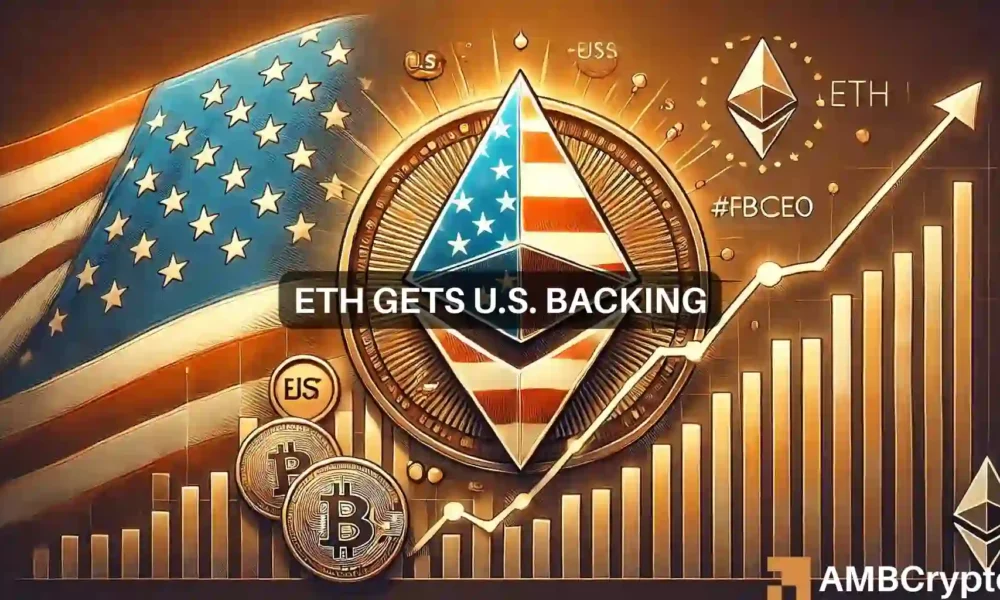
Rising demand from U.S. investors, indicated by the increasing Coinbase Premium Gap, suggests a potential price increase for Ethereum (ETH). The imminent Ethereum ETF launch and strong buying pressure could push ETH prices higher, despite current neutral market sentiment. However, a decrease in interest could invalidate this prediction.
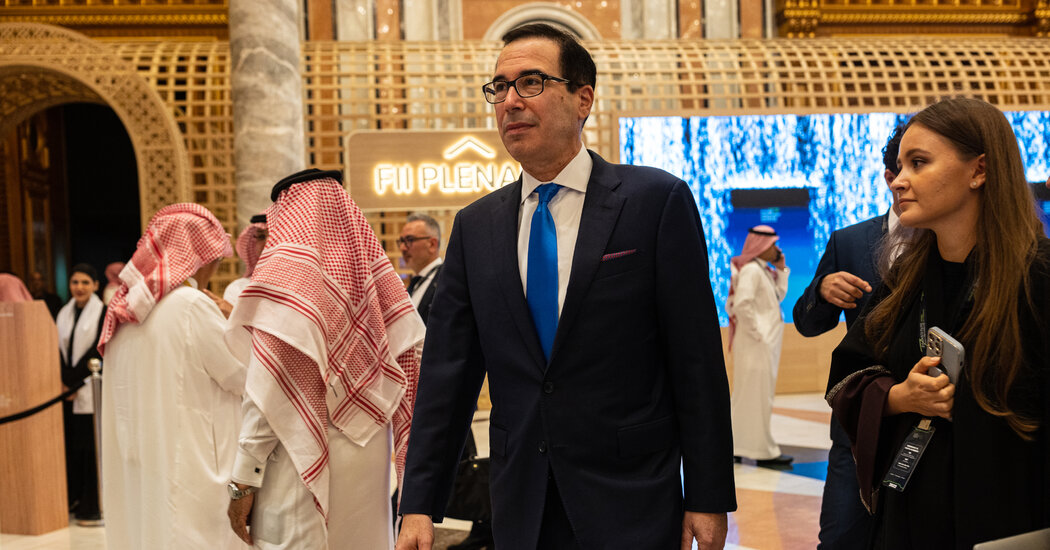
ByteDance's US investors are facing a dilemma as Beijing opposes efforts to force the Chinese parent company to sell TikTok, leaving them in a quandary with billions of dollars on the line. Former Treasury secretary Steven Mnuchin is in talks with a group of US investors about a potential takeover bid, while Bobby Kotick, former CEO of Activision Blizzard, is also reportedly seeking partners for a bid. Investors and potential advisers are exploring various scenarios, including a potential TikTok ban or a restructuring that could satisfy both Washington and Beijing, but any radical changes would likely require Chinese government approval.
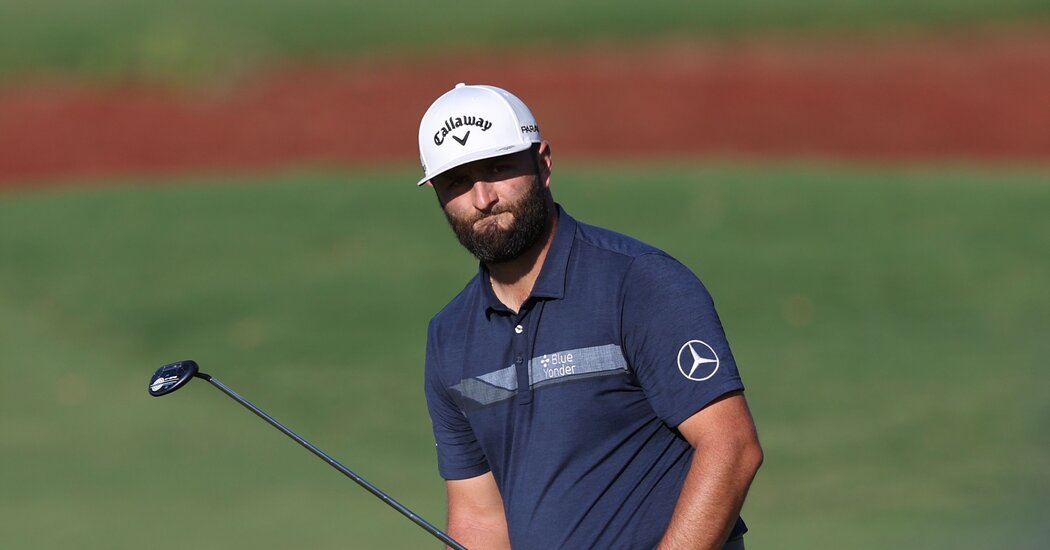
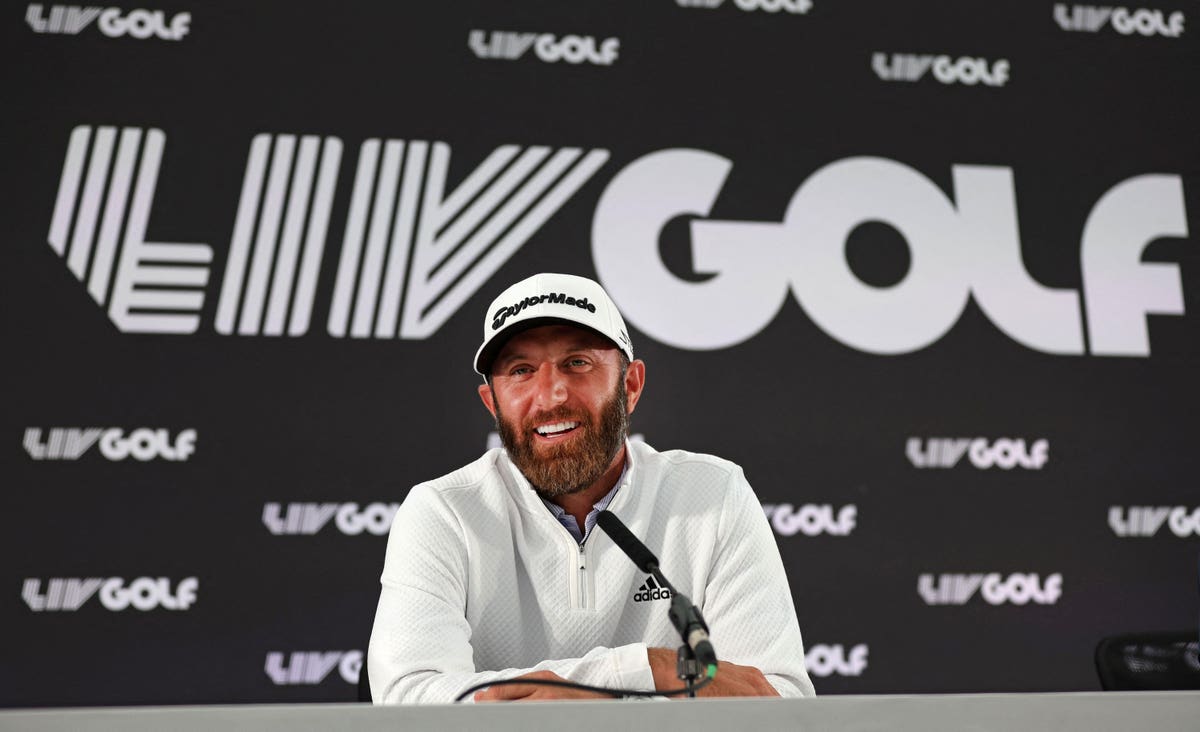
The PGA Tour has secured a minimum of $1.5 billion from a group of U.S. investors, led by the Fenway Sports Group, raising doubts about the proposed partnership with Saudi Arabia's LIV Golf. The influx of funds, potentially reaching $3 billion, comes as the PGA Tour continues negotiations with LIV Golf, which had previously attracted prominent players. The tour's commissioner stated that they remain in active discussions with the Saudi wealth fund, while the fund has indicated its intent to compete through LIV Golf if no alliance is reached.
Bitcoin's recent 25% surge has been largely driven by U.S. investors buying ahead of the potential approval of a U.S.-listed spot bitcoin exchange-traded fund (ETF), according to crypto services provider Matrixport. The rise in bitcoin's price during U.S. trading hours indicates that U.S. institutions and investors are embracing the news of a possible ETF approval. If approved, a spot bitcoin ETF could attract mainstream money into the cryptocurrency sector. Despite technical indicators suggesting a potential pause in the bull market, bitcoin remains the dominant cryptocurrency with a 53% market dominance.
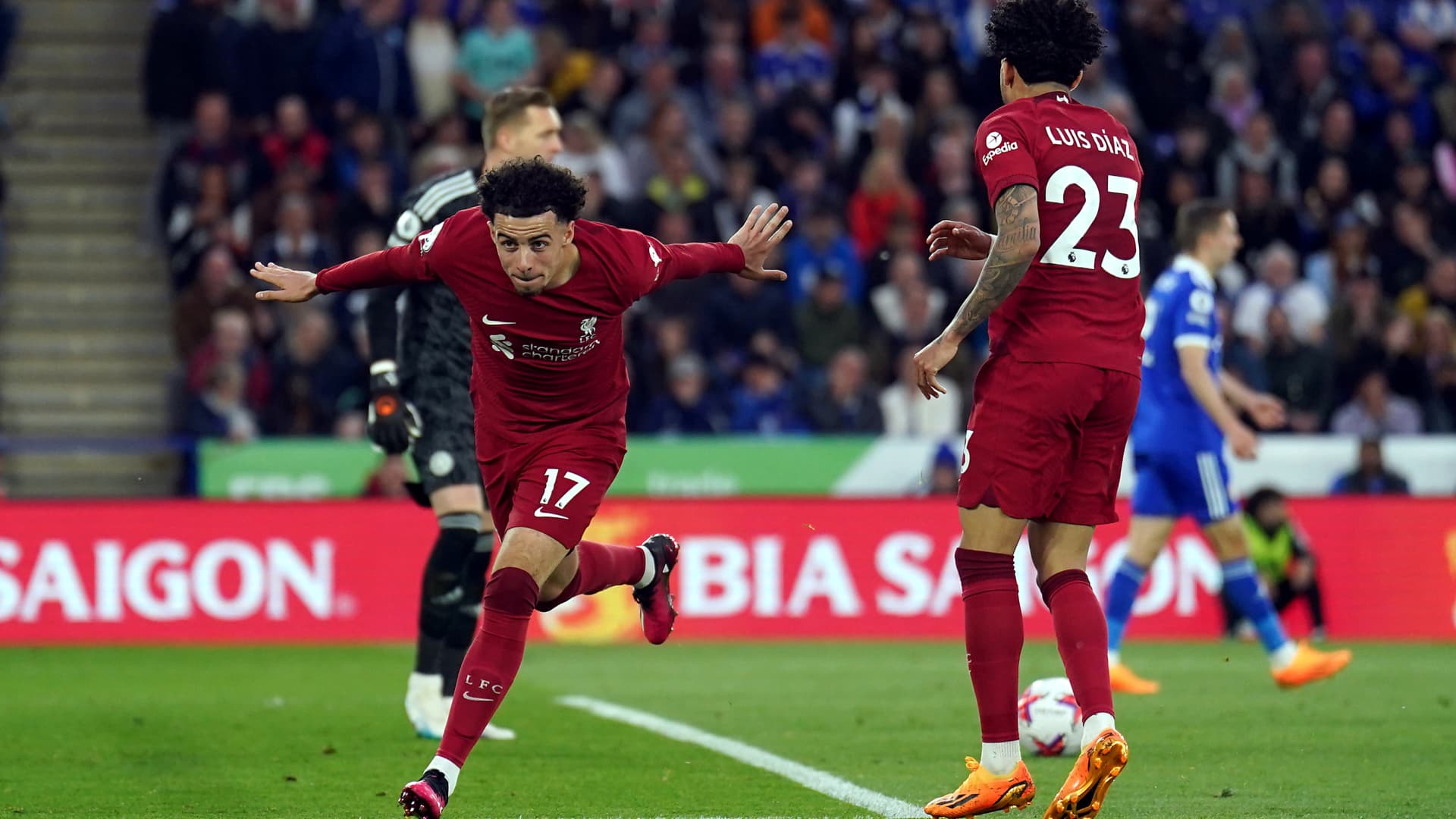
U.S. investors are increasingly targeting European soccer clubs with lower valuations and exploring a multi-club model, as they seek to tap into the global sports market at smaller deal valuations. The surge in interest from deep-pocketed investors has been driven by the potential for higher revenue opportunities from broadcast media rights deals and merchandising. While top-tier clubs have seen valuations double, middle-market investors are focusing on lower-tier leagues and teams, aiming to build a portfolio of clubs that can be leveraged for player transfers and synergies.
The PGA Tour is seeking money from U.S. investors as insurance in case its merger with LIV Golf, backed by Saudi Arabia's sovereign wealth fund, is not approved by its players or politicians. The merger has faced opposition, with U.S. politicians viewing it as a takeover of an American institution by foreign money. The PGA Tour is looking to ease political opposition by involving high-profile U.S. investors in the transaction. The PGA Tour has been criticized for its lack of financial disclosure and failure to deliver for its customers, making LIV Golf's entry a wake-up call for the undervalued asset.
U.S.-based hedge funds, including Coatue, D1 Capital, and Tiger Global, reduced their exposure to Chinese companies in the second quarter due to concerns over China's economic prospects and increasing geopolitical tensions. Tiger Global cut its position in JD.com by 12% and Coatue Management slashed its positions in Alibaba, Baidu, JD.com, and other Chinese companies. D1 Capital Partners, Moore Capital Management, and Scion Asset Management also sold their positions in Alibaba. The changes come as hopes for a post-COVID surge in growth deflate and U.S.-China tensions rise, with concerns over China's largest private real estate developer seeking to delay bond payments and President Biden's executive order prohibiting some U.S. technology investments in China. China-focused mutual funds also experienced a net outflow of $674 million in Q2.
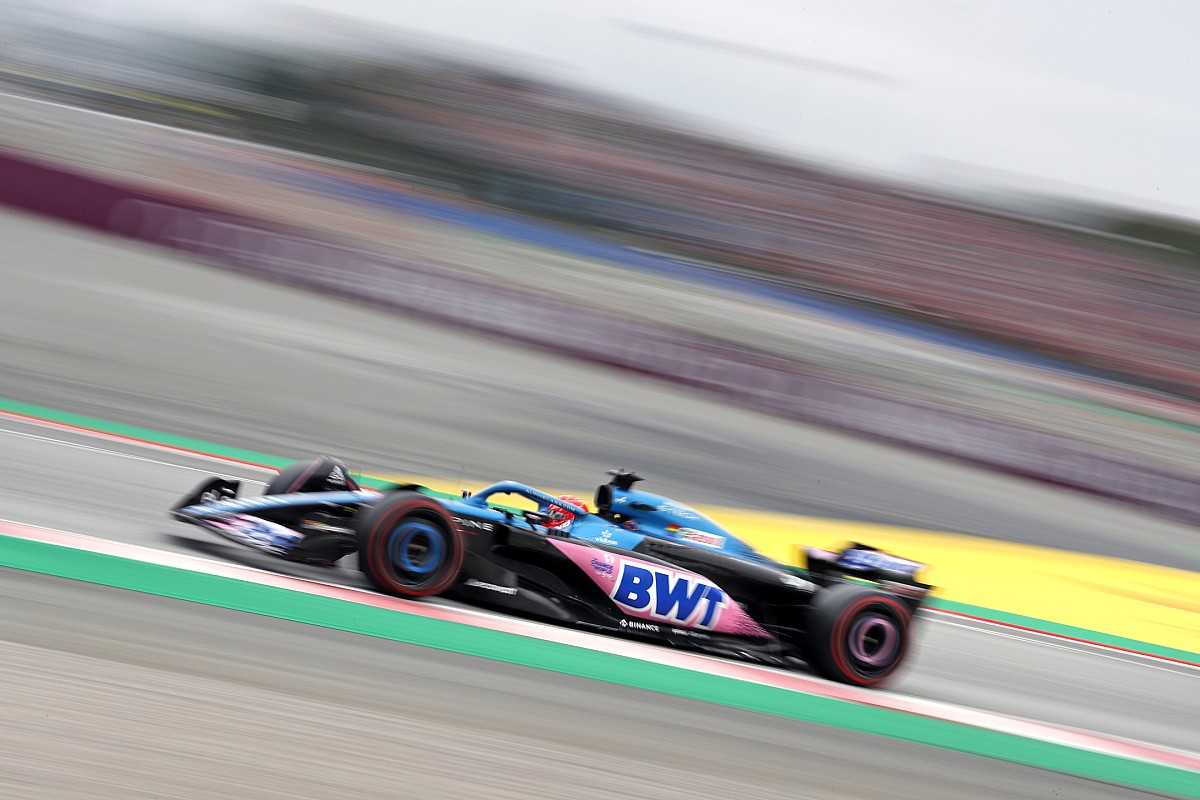
Alpine's recent partnership with US investors, Otro Capital, RedBird Capital Partners, and Maximum Effort Investments, will help boost the team's revenue, hospitality, sponsoring, licensing, and merchandising. The involvement of Hollywood star Ryan Reynolds and his associates Rob McElhenney and Michael B. Jordan will add to the sports and entertainment marketing expertise that the Americans bring to the table. The US connections will also be useful for Alpine's ambitions plans for international expansion, including a move towards electrification and new models such as a roadster version of the A110, the four-seater A310, the A290 hot hatch, and eventually an SUV.
The Bank of Canada surprised traders by delivering a quarter percentage point hike in interest rates, ending a four-month pause, which complicates the picture for US investors who are motivated to get bullish ahead of a Fed pause. The Reserve Bank of Australia on Tuesday delivered a second straight rate hike after having ended a short pause of its own. Investors look for the Federal Reserve to deliver a pause of its own next week, with policy makers expected to leave the fed-funds rate unchanged after hiking it from near zero to 5% to 5.25% in a breakneck series of rate hikes that began in March 2022.
US banks' deposits dropped by $98 billion within a week due to fears of a banking collapse, while Bitcoin increased by 35% over the last two weeks. Customers moved their funds from regional banks to banks considered too big to fail, signaling fear of a banking collapse. Meanwhile, smaller banks borrowed at an alarming rate to prevent bank runs. US investors played a significant part in Bitcoin's recent rally, with 47% of the purchases that fueled BTC's price increase coming from US institutional players.