Nvidia stock is on a five-day winning streak, driven by renewed investor confidence in the AI sector and easing geopolitical tensions, with shares up over 60% since April and other chip makers also performing well.
Following U.S. strikes on Iran's nuclear sites, oil prices and U.S. stocks experienced volatility, with oil falling below $70 per barrel and stocks rebounding as investors viewed the conflict as short-term; gold prices rose, and Tesla's robotaxi was launched, amid ongoing geopolitical tensions involving Iran and Israel.
Stock futures declined as investors monitored escalating Middle East tensions between Iran and Israel, with the US considering direct involvement, while geopolitical risks and Federal Reserve comments influenced market sentiment.
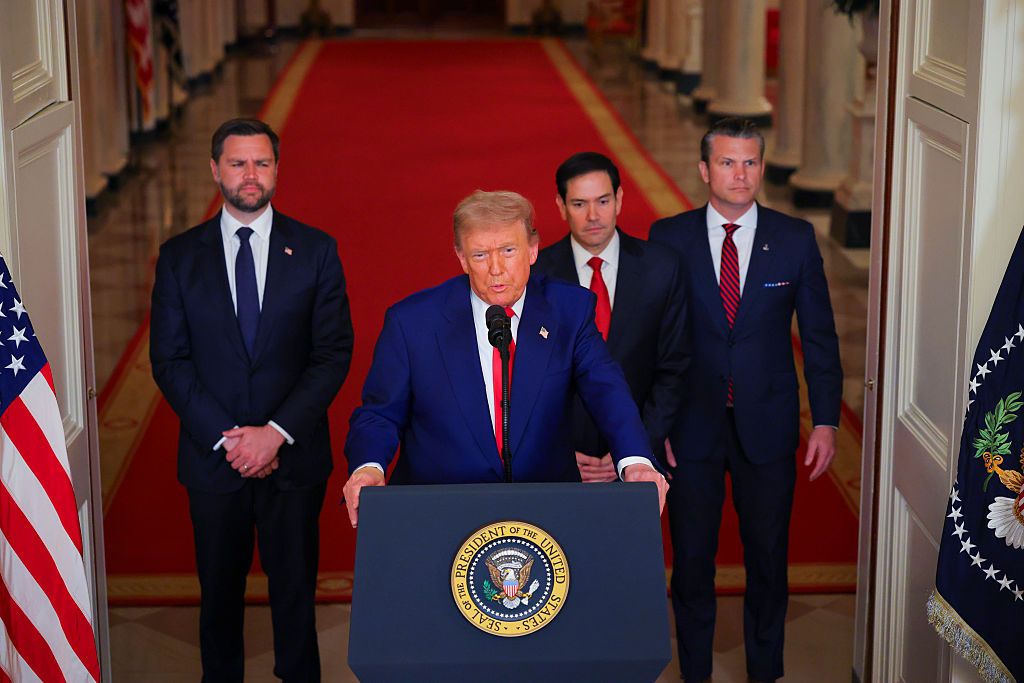
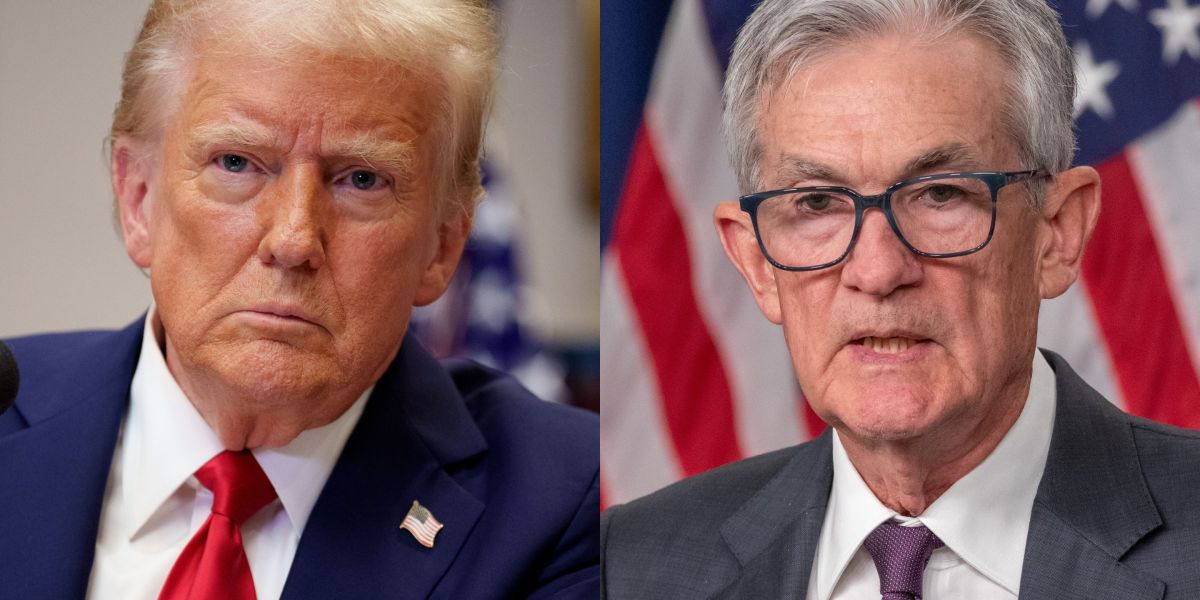
President Trump is considering whether to bomb Iran, which could disrupt oil supplies, strengthen the dollar, and influence the Fed's interest rate decisions. The potential conflict raises concerns about global economic impacts, including a possible recession, amid rising geopolitical tensions and market uncertainty.
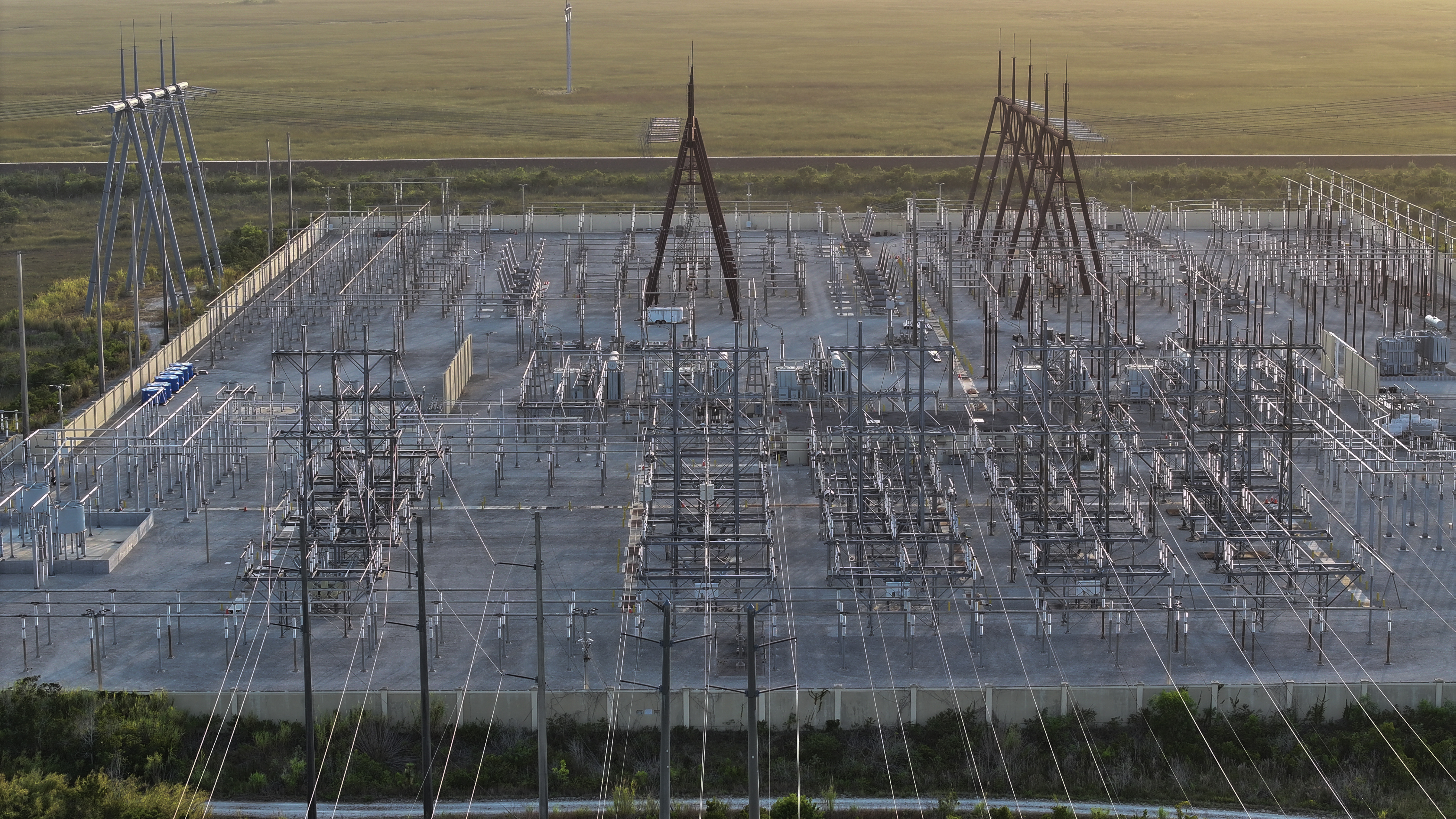
US critical infrastructure sectors are on high alert for potential Iranian cyberattacks amid escalating tensions between Iran and Israel, with concerns that US military actions could prompt Iran to target US networks. While federal agencies like CISA have historically increased defenses during geopolitical crises, current federal support appears limited, prompting infrastructure operators and ISACs to independently bolster their cybersecurity measures. The situation remains dynamic, with ongoing monitoring and heightened vigilance across sectors.
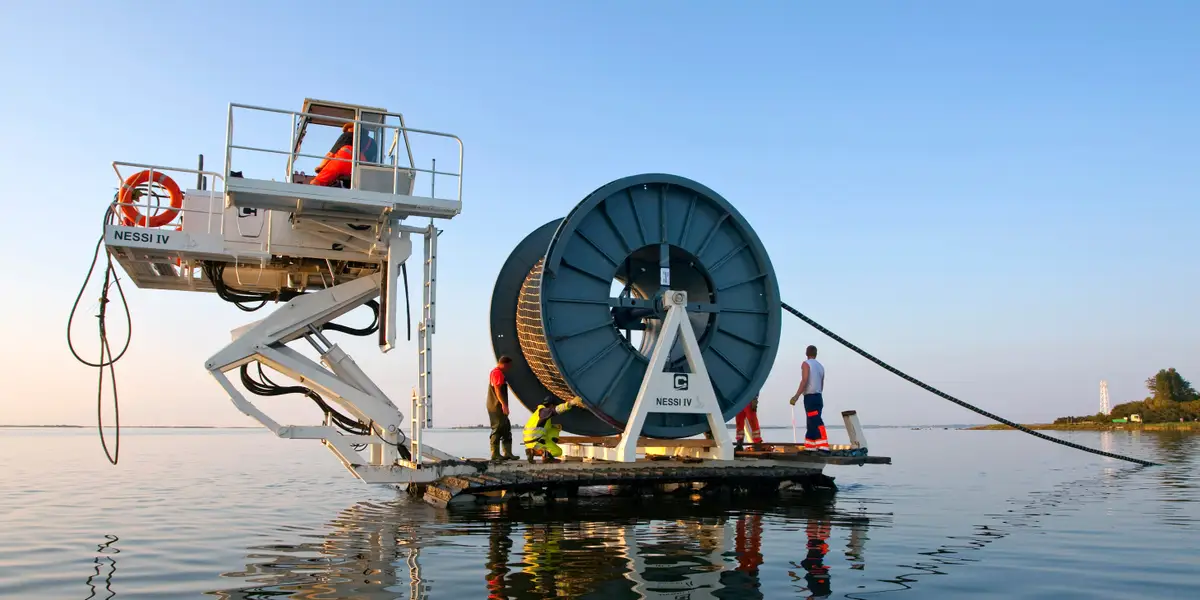
Meta is reportedly planning a $10 billion underwater fiber-optic cable project that will span 25,000 miles globally, aiming for sole ownership to avoid geopolitical tensions. The project, still in early planning stages, will likely avoid areas like the Red Sea and is expected to take years to complete. Meta's South Africa office is leading the planning, with the cable potentially connecting the US, India, and Australia. This move aligns with Meta's strategy to enhance its telecommunications infrastructure, similar to other tech giants like Google and Amazon.
Meta plans to build a $10 billion, 40,000+ kilometer subsea cable network for exclusive use, avoiding regions with geopolitical tensions. This project, dubbed "W," aims to enhance Meta's control over its data traffic, similar to Google's strategy. The cable will connect the US, India, South Africa, and Australia, with more details expected in 2025.
Undersea data cables, crucial for global communications, are increasingly targeted during geopolitical tensions, as seen in recent incidents in the Baltic Sea. These cables, which carry 99% of international telecommunications traffic, are vulnerable to sabotage, posing significant economic and diplomatic threats. While accidental damage is common, deliberate attacks can disrupt global data flows, with countries like Russia and China being scrutinized for potential involvement. The strategic importance of these cables makes them a focal point in international security and surveillance efforts.
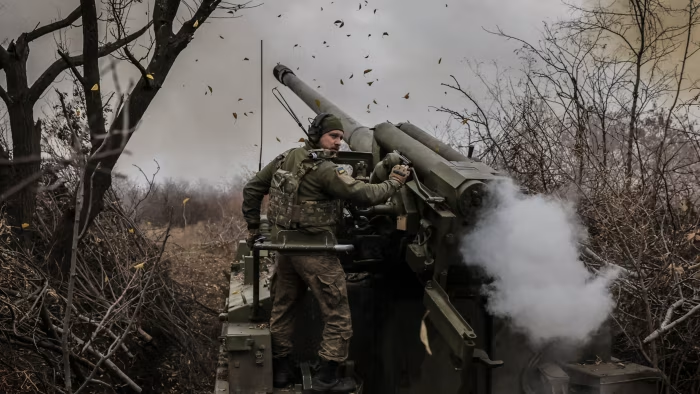
European stocks fell as the escalation of the Ukraine war, including Ukraine's use of US-made long-range missiles and Russian President Putin's decree on nuclear weapons, unsettled markets. The Stoxx Europe 600 index dropped 0.5%, with Germany's Dax and France's Cac 40 both losing 0.7%. In contrast, US markets showed resilience, with the S&P 500 rising slightly and the Nasdaq gaining 0.6%, driven by tech stocks like Nvidia. Investors sought safe havens, boosting defense stocks and assets like gold and the Japanese yen.
S&P 500 futures and other U.S. stock futures slid as investor sentiment was impacted by an upsurge of violence in the Middle East, with Hamas attacking Israel. Concerns over a broader conflict and potential disruption of oil supplies from the region led to a risk-off mode in global markets. Traders sought havens such as gold, the U.S. dollar, and government bonds. While geopolitical risk may not have a long-lasting impact on markets, traders will soon shift their focus to monetary and corporate issues, including upcoming U.S. producer and consumer prices data, as well as the start of the third-quarter company earnings season.
Mainland China stock exchanges, as well as the Hong Kong Stock Exchange, will be closed until October 9th for National Day holidays. This comes at a time when Chinese stocks have been facing a tough year, with the CSI 300 Index and Hang Seng Index both experiencing significant declines from their 2023 highs. Geopolitical tension, particularly with the U.S., has led to outflows of international capital from Chinese stocks and dampened investor confidence. Chinese real estate developers have been hit hard, with companies like Country Garden losing a significant portion of their value. Meanwhile, U.S.-listed Chinese companies like Alibaba and JD.com have also faced challenges, with JD.com losing nearly half of its value this year.
U.S.-based hedge funds, including Coatue, D1 Capital, and Tiger Global, reduced their exposure to Chinese companies in the second quarter due to concerns over China's economic prospects and increasing geopolitical tensions. Tiger Global cut its position in JD.com by 12% and Coatue Management slashed its positions in Alibaba, Baidu, JD.com, and other Chinese companies. D1 Capital Partners, Moore Capital Management, and Scion Asset Management also sold their positions in Alibaba. The changes come as hopes for a post-COVID surge in growth deflate and U.S.-China tensions rise, with concerns over China's largest private real estate developer seeking to delay bond payments and President Biden's executive order prohibiting some U.S. technology investments in China. China-focused mutual funds also experienced a net outflow of $674 million in Q2.