Renault's shares dropped over 15% after the company lowered its 2025 financial guidance and appointed Duncan Minto as interim CEO following Luca de Meo's resignation, amid concerns over profit margins, cash flow, and challenging market conditions.
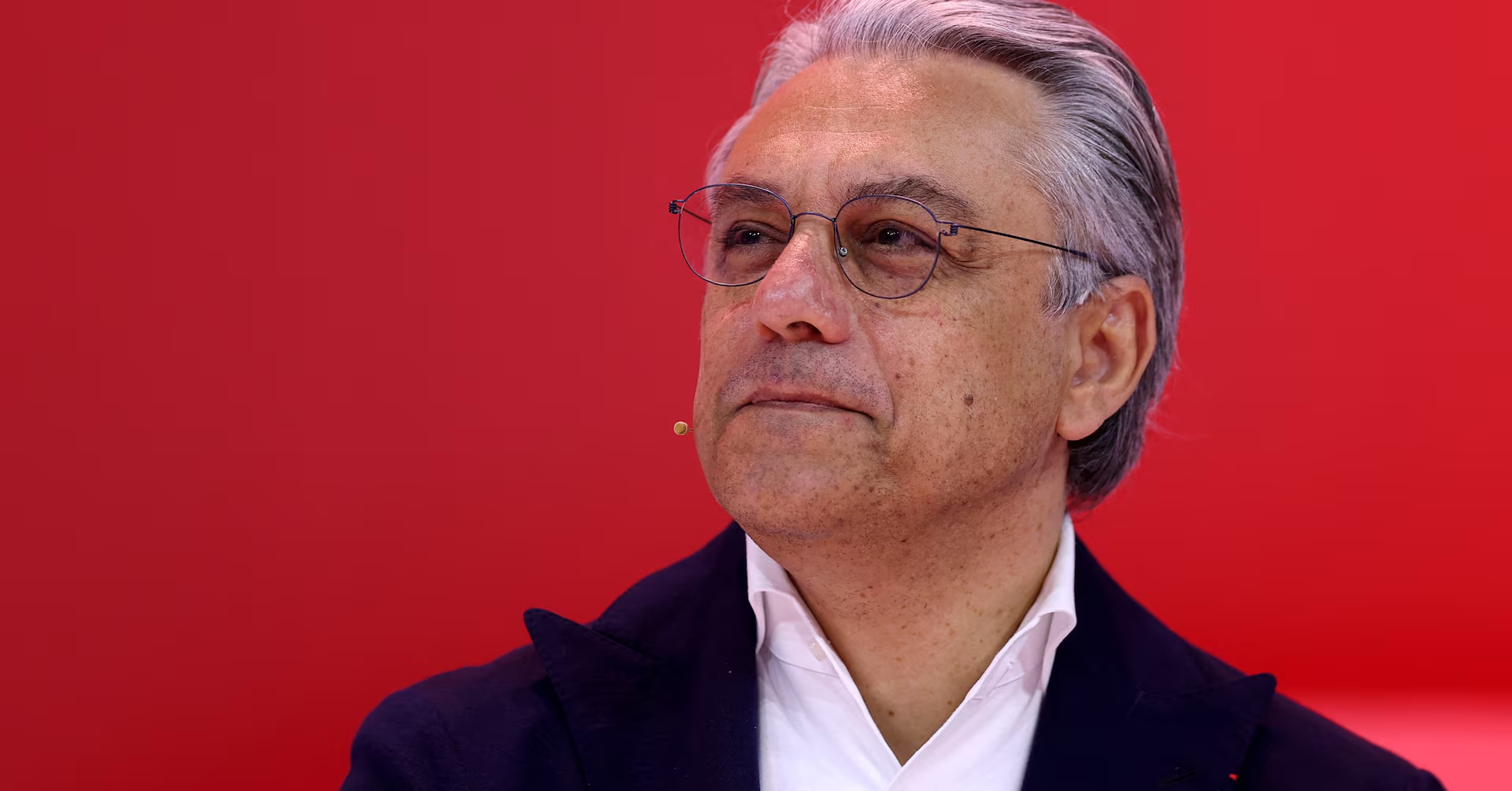
Renault CEO Luca de Meo is resigning to take a new role outside the auto industry, reportedly becoming the CEO of luxury conglomerate Kering, which owns Gucci. His departure marks a significant leadership change for both companies amid Kering's struggles to revitalize Gucci and manage debt, while Renault has seen a successful turnaround under de Meo's leadership. De Meo will leave Renault in mid-July, and his move signals a notable shift in the European corporate landscape.
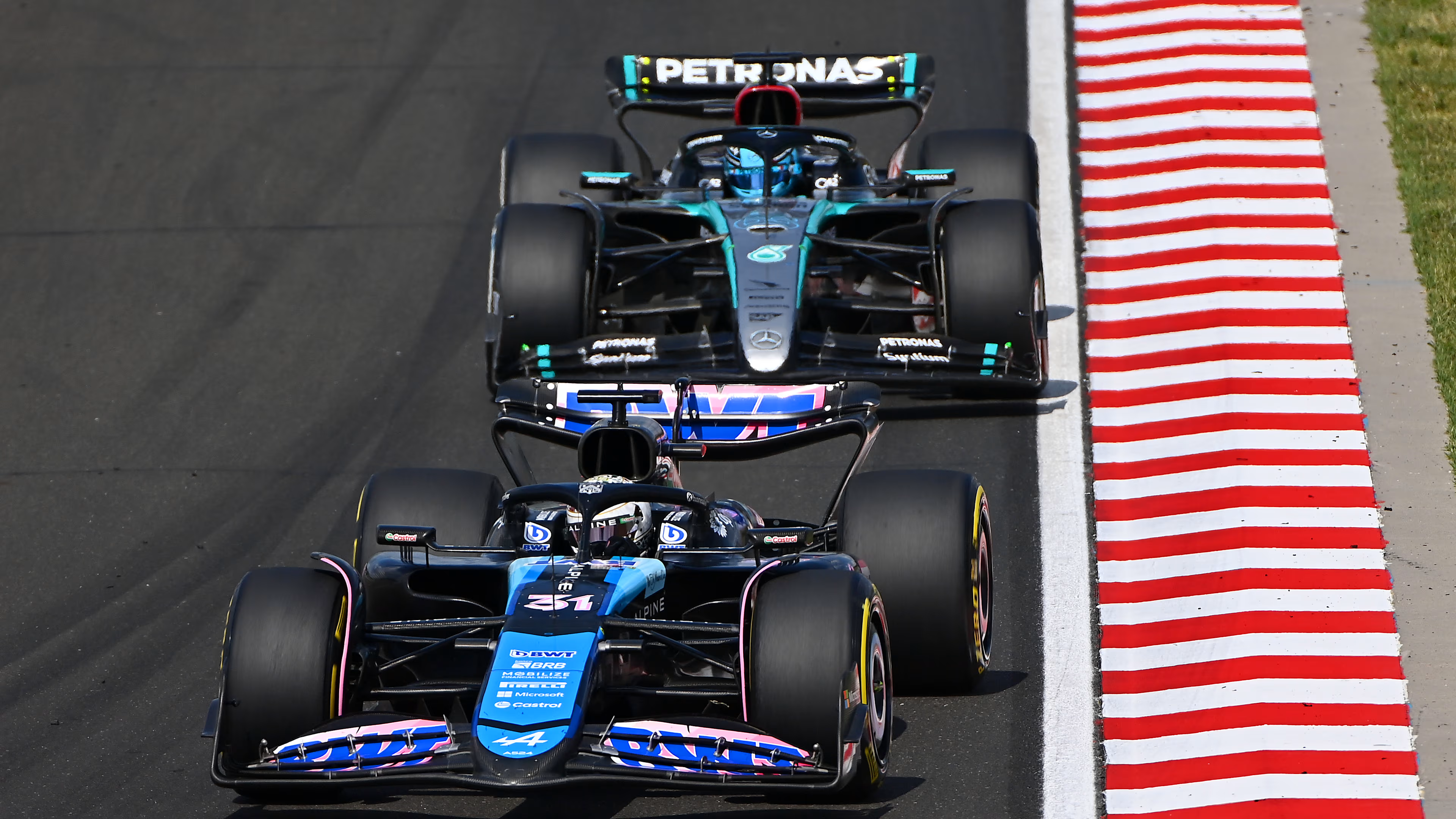
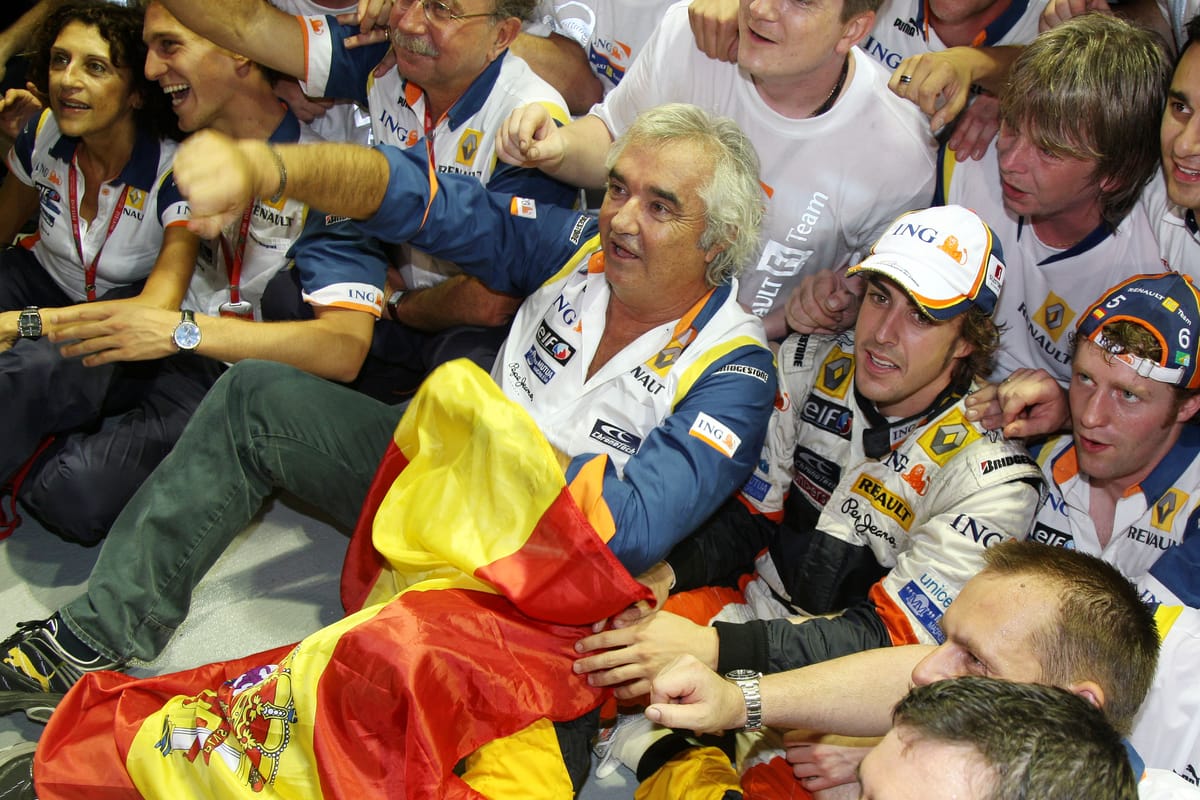
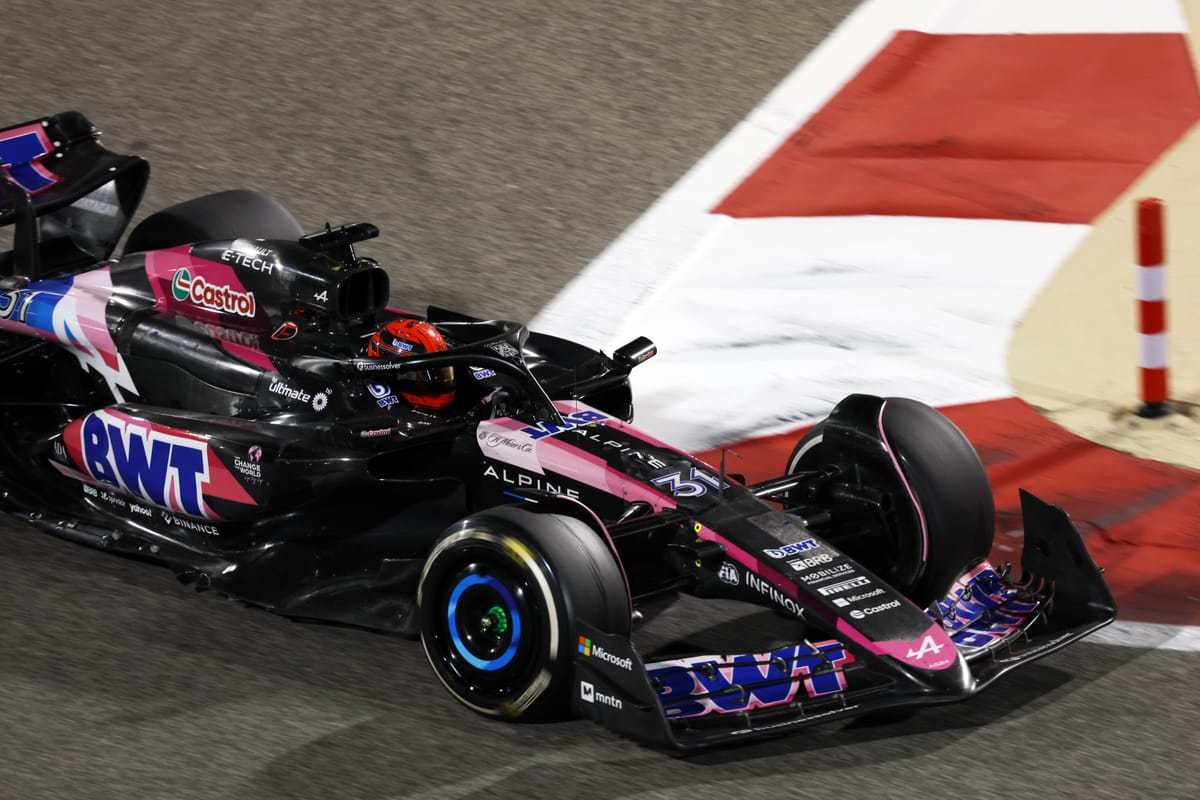
Luca de Meo, CEO of Renault and key figure behind the Alpine F1 project, is stepping down, raising questions about the future of the Alpine F1 team, including potential sale considerations and the role of Flavio Briatore, amid ongoing instability and strategic shifts within the team and Renault.
Renault Group CEO Luca de Meo announced his resignation after five years, marking another upheaval for Alpine and Renault's restructuring efforts, with de Meo set to join luxury firm Kering amid Renault's financial turnaround and ongoing changes in its F1 team.
Alpine F1 team has decided to switch to Mercedes power units and gearboxes starting in 2026, as part of a strategic overhaul initiated by Renault Group CEO Luca de Meo to enhance competitiveness. This decision follows a comprehensive review of Alpine's engine division, which has struggled with performance, leading to the closure of their power unit program. The team has also undergone significant leadership changes, including the appointment of Flavio Briatore, Oli Oakes, and David Sanchez to key positions.
Renault's decision to appoint Flavio Briatore as an executive advisor for its F1 team has raised eyebrows, given his controversial past and the team's unstable history. This move, driven by CEO Luca de Meo, is seen as a desperate attempt to salvage the team's credibility, but it may further erode it instead. The appointment has sparked speculation about the future of Renault's F1 program, including potential sale rumors, despite the company's denials.
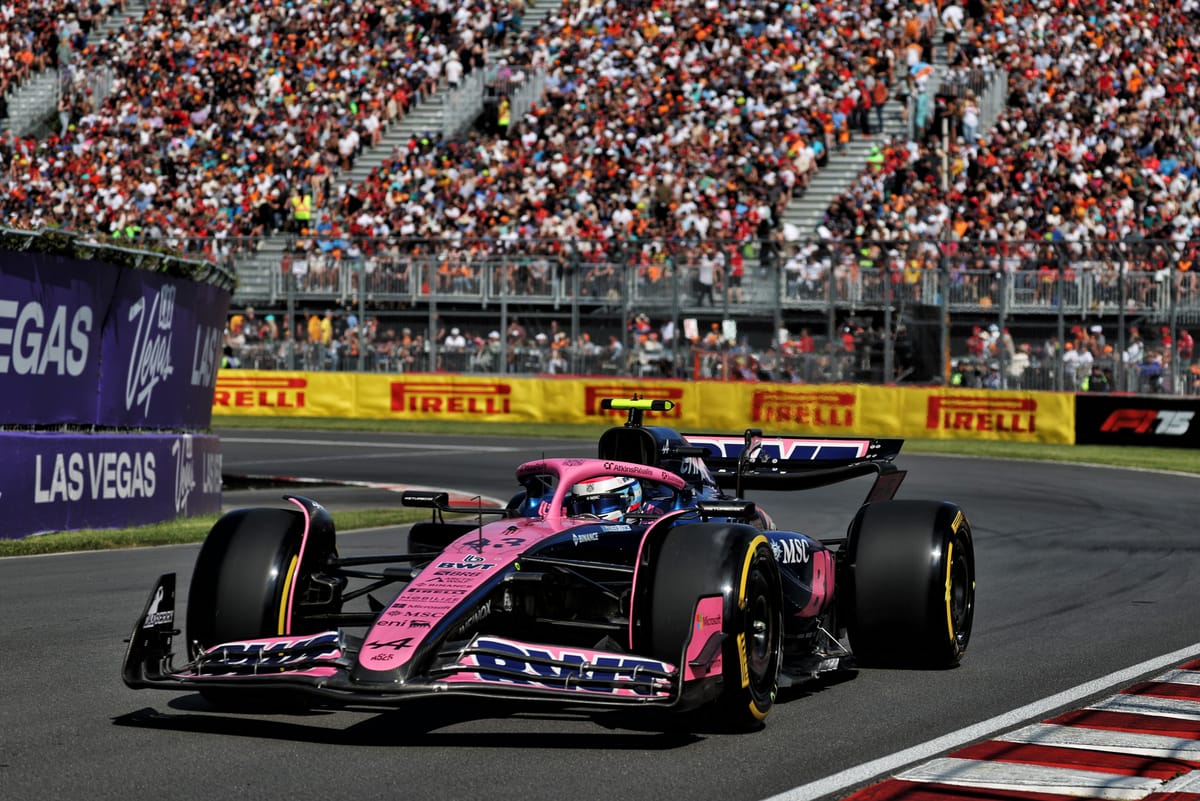
Alpine's dismal start to the Formula 1 season has led to major exits in the technical leadership, with the team reorganizing its structure. The car's performance issues include being overweight, lacking traction and downforce, and having a power unit deficit. The team is facing a long road back and doubts about Renault's commitment to providing the necessary resources and facilities for success. The constant leadership changes and lack of autonomy within Renault's F1 teams raise questions about the future of the Alpine F1 project.
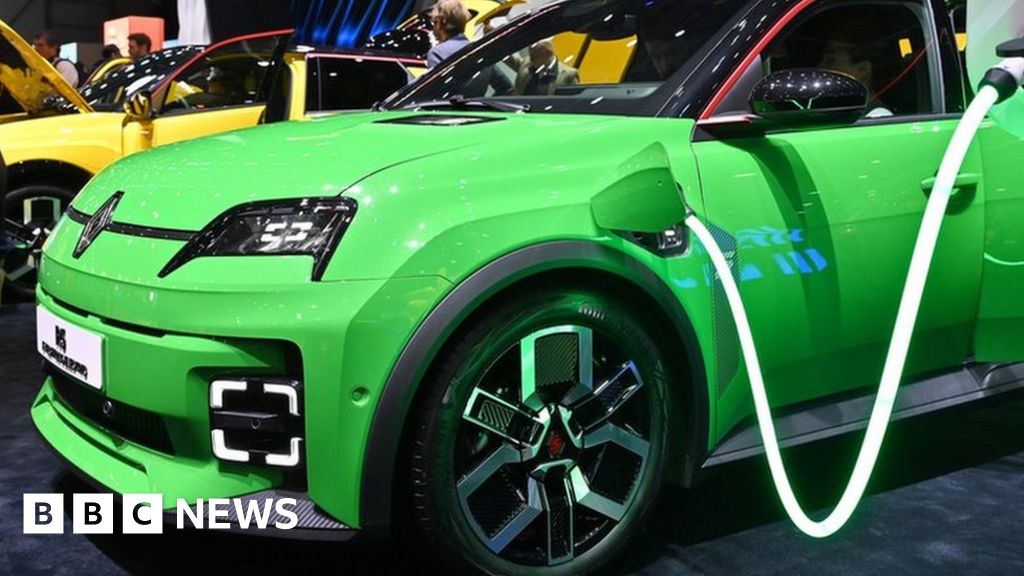
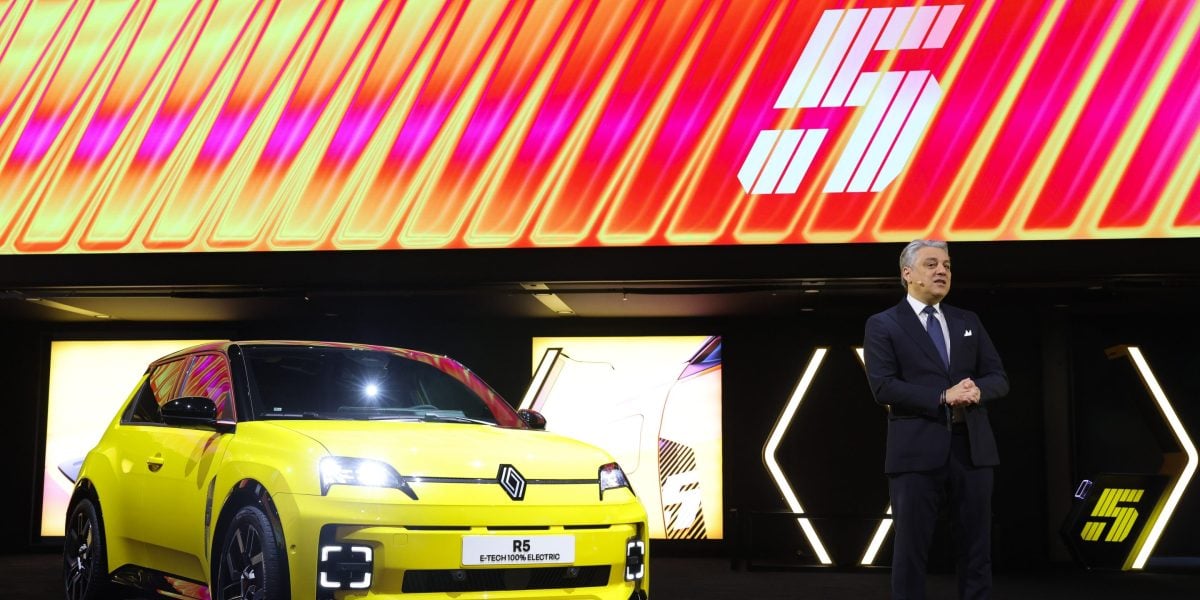
Renault unveils the Retro 5, a new electric model with retro styling, at the Geneva Motor Show, aiming to prove the popularity and profitability of small electric cars. Despite European manufacturers lagging behind Chinese and US brands in the electric car market, Renault's CEO Luca de Meo remains determined to compete and emphasizes the need for cooperation with Chinese firms, particularly in battery technology, to close the gap. The new Renault 5, priced at £25,000-30,000, faces the challenge of making a profit due to the higher production costs of electric cars.
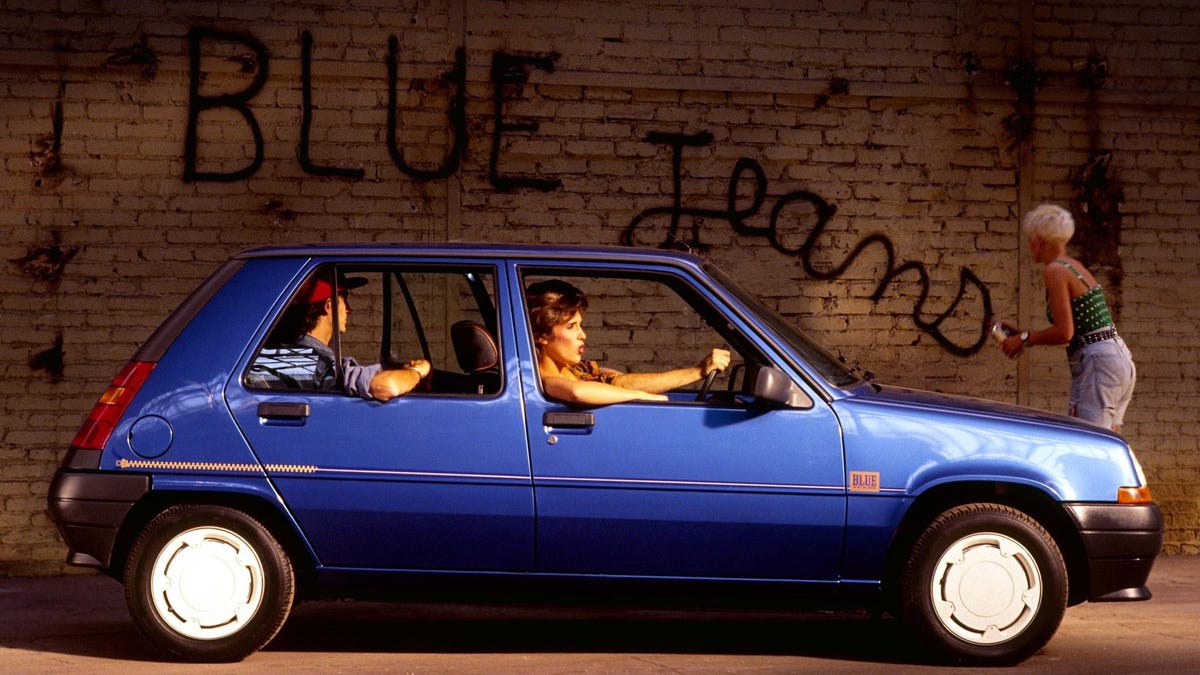
The Renault 5 E-Tech Electric is reviving the retro style of the 1980s R5 Blue Jeans Edition with a denim interior, reminiscent of its predecessor's fashionable appeal, as it aims to capture the essence of the original Renault 5's success while bringing a touch of nostalgia to the European auto market.
Renault introduces the R5 E-Tech, an entry-level electric vehicle priced at $27,000, aiming to compete with Chinese rivals and capture the European mass market. The car features a digital voice assistant, 400 kilometers of driving range, and unique offerings such as a baguette basket and vibrant colors. Renault's CEO, Luca de Meo, sees the R5 as a crucial step in the company's transformation and is exploring partnerships to reduce costs. The EV's recyclability, bi-directional charging, and potential government incentives aim to address the challenges of high vehicle prices and government policy changes in the EV market.
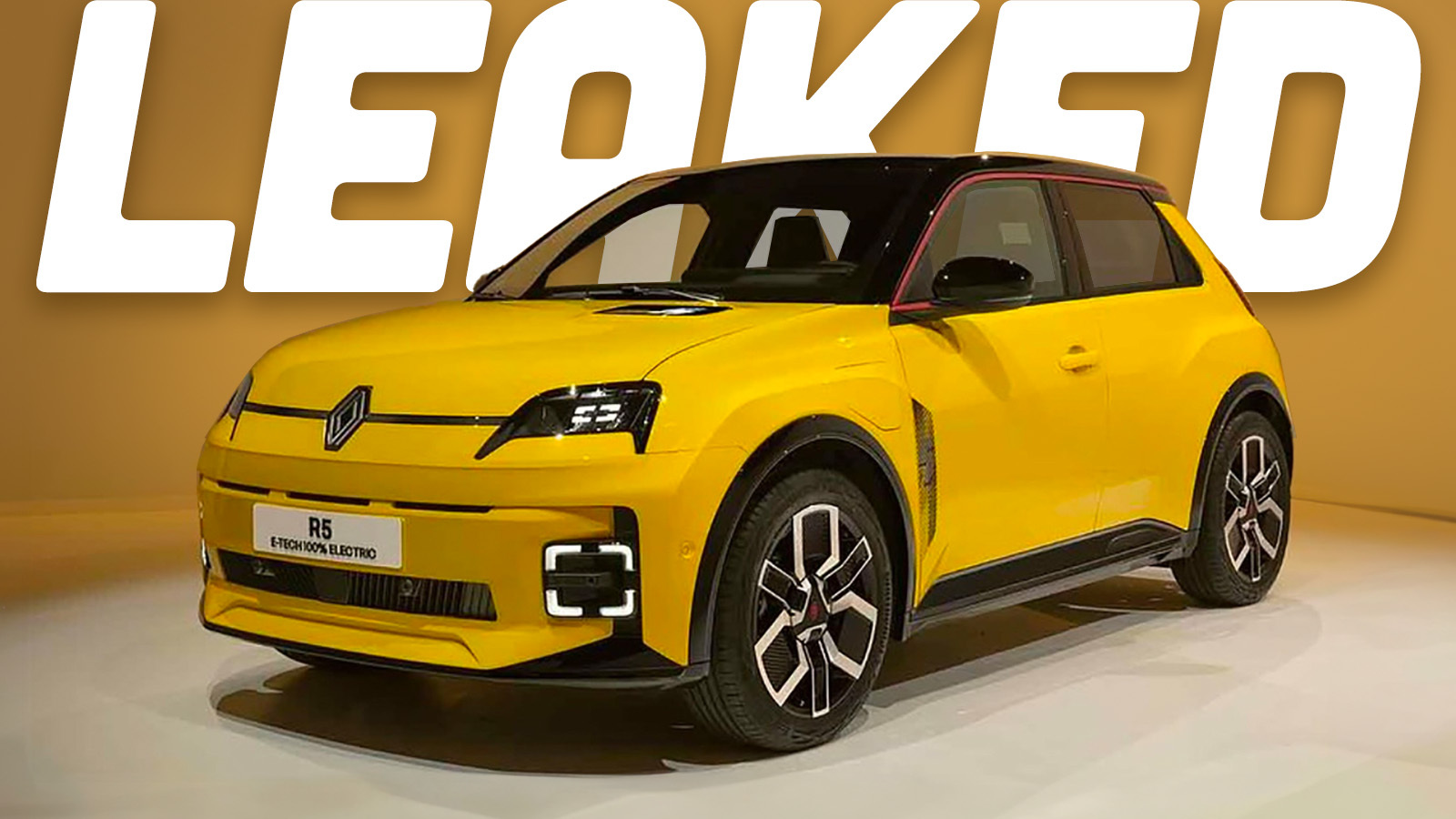
The Renault 5, a sub-compact all-electric hatchback, is set to return to production and has leaked ahead of its official reveal, showcasing design details reminiscent of the original concept. Expected to launch with a 52 kWh battery pack and 120 to 150 hp, the Renault 5 may also offer a smaller 42 kWh battery option. While its availability in the U.S. remains uncertain, the car has garnered both praise and criticism, with some expressing disappointment in its design compared to the concept.
Volkswagen, Renault, and Stellantis are considering teaming up to produce cheaper electric vehicles in response to fierce competition from Tesla and Chinese rivals. The urgency is growing as European automakers are being outpaced, and the looming tighter emissions rules in the EU mean automakers must make more EVs or face hefty fines. The year 2024 is expected to be challenging for the EV market, with cost being a significant barrier for consumers. Additionally, automakers are facing difficulties in their EV transition, impacting the industry and potentially leading to job cuts. In the US, General Motors and Ford are scaling back EV investments and open to partnerships.
Renault's shares surged 7% after the carmaker announced plans to increase its dividend per share to 1.85 euros for the financial year. The company reported a full-year group operating margin of 7.9% and aims for double-digit margins by 2030. Despite slightly below-forecast net profit, Renault targets a group operating margin of at least 7.5% and free cash flow of 2.5 billion euros in 2024, focusing on upcoming vehicle launches, cost optimization, and accelerating its electric vehicle and software strategy. CEO Luca de Meo acknowledged the challenging market but expressed optimism due to upcoming product launches, including electric cars.
Stellantis Chairman John Elkann denies merger plans with Renault following speculation of a possible tie-up, emphasizing the company's focus on implementing its long-term business plan. Despite Renault's potential as an M&A target due to a slowdown in the electric vehicle market, Stellantis, formed from the merger of PSA and Fiat Chrysler, has seen significant market cap growth and remains profitable. While rumors of a merger persist, analysts question the rationale and potential antitrust obstacles of such a move.
Renault has canceled the planned IPO for its EV spinoff Ampere due to unfavorable market conditions, but remains committed to its EV and software strategy, planning to launch seven new models by 2031. Despite the setback, Renault aims to continue investing in Ampere until it reaches break-even in 2025, with a focus on expanding its EV business and phasing out ICE sales by 2030. The company's decision reflects the challenges faced by EV startups in competing with Tesla and navigating market uncertainties.