US Court Bans NSO Group from Targeting WhatsApp Users
Meta Platforms successfully obtained a court order to block NSO Group, a spyware maker, marking a legal victory against surveillance technology misuse.

All articles tagged with #nso group
Meta Platforms successfully obtained a court order to block NSO Group, a spyware maker, marking a legal victory against surveillance technology misuse.
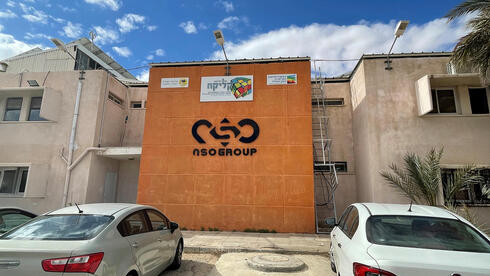
A group of American investors led by Hollywood producer Robert Simonds plans to acquire NSO Group, ending Israeli control, pending regulatory approvals. The deal follows a restructuring that moved ownership from founder Omri Lavie, who will exit the company, and aims to include the repayment of NSO's debt. The acquisition's approval process may be complicated by Simonds' past ties to China, and finalization depends on US and Israeli regulatory reviews.
A $1 phone scanning tool developed by iVerify has detected seven instances of Pegasus spyware among 2,500 scans, highlighting the widespread use of such malware globally. The tool's development required significant investment due to the locked-down nature of mobile operating systems like iOS and Android. The findings, to be presented at a security conference, underscore the need for accessible spyware detection tools, as evidenced by the tool's role in identifying spyware on devices linked to political figures and activists. This development challenges the assumption that mobile devices are inherently secure.
Cybersecurity firm iVerify has detected new infections of the Pegasus spyware, developed by NSO Group, on mobile devices of ordinary professionals and civilians, challenging the belief that such spyware only targets high-profile individuals. Their Mobile Threat Hunting feature found a 2.5 per 1,000 scan infection rate, revealing a more widespread issue than previously thought. The findings highlight significant gaps in current mobile security practices and emphasize the need for more robust, user-accessible security measures.
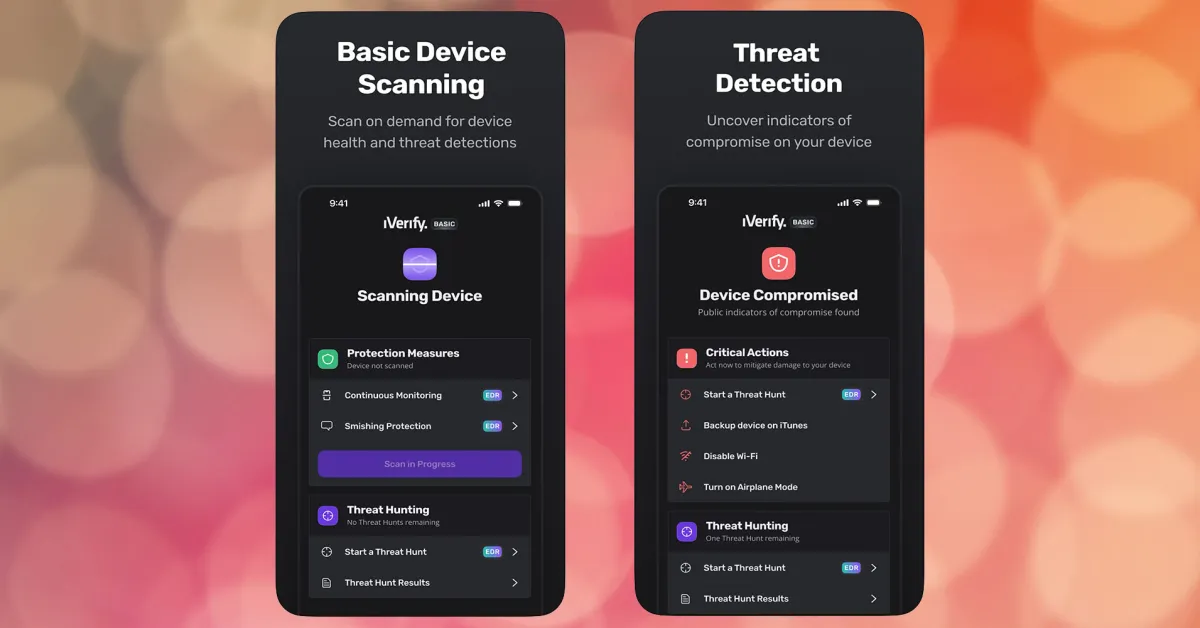
A new app by mobile security firm iVerify allows iPhone and Android users to scan their devices for Pegasus spyware for just $1. Pegasus, developed by NSO Group, exploits zero-day vulnerabilities and can compromise devices without user interaction. While typically used against political activists and journalists, recent findings show a broader range of targets, including business leaders and government officials. The app offers a free version for monthly scans, providing users with a proactive way to detect potential spyware infections.
Security firm iVerify has identified that a business leader's iPhone was targeted by Pegasus spyware, highlighting the risk of commercial espionage. While Pegasus is typically used by governments for surveillance, its misuse for targeting business figures is concerning. iVerify detected spyware on seven iPhones from a pool of 2,500 users, indicating a potential historical compromise. The firm also noted an increase in spyware exploits by government-backed hackers, including a possible link to the China-backed Salt Typhoon group targeting U.S. officials' phones.

Ronan Farrow's new HBO documentary, 'Surveilled,' explores the pervasive threat of commercial spyware like Pegasus, developed by the Israeli company NSO Group. The film highlights how governments, including democracies, use such technology to monitor citizens, posing significant risks to privacy and democracy. Farrow argues for urgent regulation and oversight of these tools, which can infiltrate devices without users' knowledge, likening their impact to weapons of mass destruction. The documentary underscores the need for transparency and accountability in the use of surveillance technology.
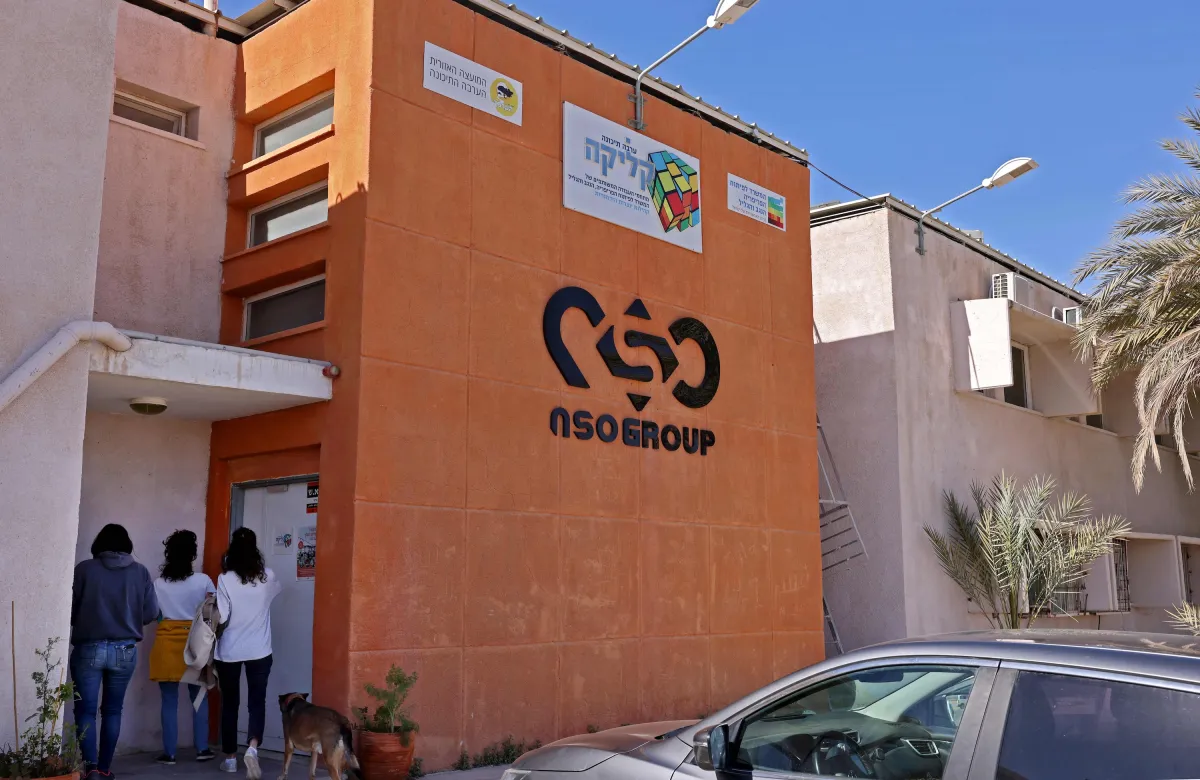
WhatsApp has achieved a legal victory by having U.S. court documents unsealed, revealing that NSO Group, the maker of Pegasus spyware, cut off 10 government customers for abusing its software. The documents detail NSO's operations, including the use of exploits like "Eden" and "Heaven" to target WhatsApp users, and challenge NSO's claims of non-involvement in customer operations. This development is part of WhatsApp's ongoing lawsuit against NSO for violating U.S. anti-hacking laws and targeting users, including journalists and activists.
Apple sent out security alerts to iPhone users in 92 countries, warning of a targeted mercenary spyware attack that could remotely access sensitive data, communications, camera, and microphone. The attack, which is ongoing and global, is rare and complex, costing millions of dollars and focusing on a small number of people. Apple advised recipients to seek expert help and referenced the NSO Group's Pegasus spyware, against which Apple filed a lawsuit in 2021.
Apple has notified iPhone users in 92 countries about a "mercenary spyware attack" targeting their devices, likely orchestrated by well-funded and sophisticated entities such as NSO Group's Pegasus kit. The company recommends immediate actions to protect against such attacks, including enabling lockdown mode, updating devices, and seeking expert assistance. These attacks primarily target individuals such as journalists, activists, politicians, and diplomats. Apple has updated its support page on spyware protection and is actively working to detect and alert users about these advanced digital threats. If targeted, users will receive notifications and are advised to contact the Digital Security Helpline for assistance.
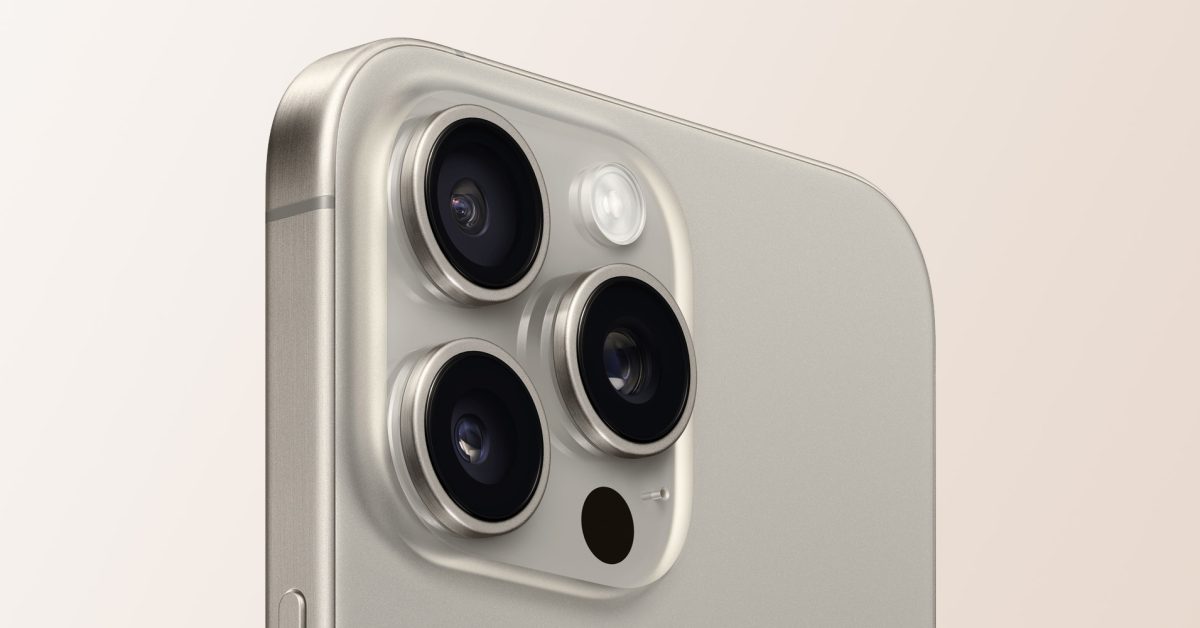
Apple is alerting iPhone users in India and 91 other countries about a mercenary spyware attack that could remotely compromise their devices. These attacks, often state-sponsored and costly, target political activists, government officials, diplomats, and journalists. The purpose is to install malicious software for spying. Apple advises users to promptly install software updates and consider enabling Lockdown Mode. The origin of the latest attack is undisclosed, but Apple is using legal action against spyware makers like NSO Group, which it sued in November 2021.
Apple has updated its spyware threat notification system to specifically alert users who may have been individually targeted by mercenary spyware attacks, singling out companies like NSO Group for developing commercial surveillance tools used by state actors. The update comes amid global efforts to counter the misuse and proliferation of commercial spyware, with governments working to develop safeguards against invasive surveillance technology. A recent report by Google's Threat Analysis Group and Mandiant revealed that commercial surveillance vendors were behind the exploitation of a significant number of zero-day vulnerabilities, particularly targeting web browsers and mobile devices.

Poland's new prime minister, Donald Tusk, has revealed documentation showing that the previous government illegally used the Pegasus spyware to target a wide range of hacking victims. The spyware, which provides complete access to mobile devices, was allegedly used under the right-wing Law and Justice party's rule. Tusk shared this information with President Andrzej Duda and has requested the justice minister and prosecutor general to provide documents confirming the legal and illegal use of Pegasus. A special commission has been set up to investigate the use of Pegasus during the previous government's tenure, and evidence has emerged of human rights activists and politicians being targeted by governments worldwide using this spyware.

The Biden administration has announced a new policy to impose visa restrictions on individuals involved in the misuse of commercial spyware to target journalists, activists, and marginalized communities. The policy aims to address concerns about the growing misuse of commercial spyware worldwide, which threatens privacy, freedom of expression, and human rights. The administration's move comes after acknowledging a surge in hacks of U.S. government employees and effectively blacklisting the NSO Group, a prolific purveyor of spyware. The new visa restriction policy can apply to citizens of any country found to have misused or facilitated the malign use of spyware, and it is seen as an important step towards accountability in regulating the spyware industry.
The US has announced global visa restrictions on individuals involved in the misuse of commercial spyware, targeting major US allies such as Israel, India, Jordan, and Hungary. This move reflects the Biden administration's concern over the proliferation of weapons-grade commercial spyware, which has been used against political dissidents, human rights advocates, journalists, and lawyers. The restrictions come three years after the US placed Israel's NSO Group on a commerce department blacklist and issued an executive order prohibiting the US government's use of commercial spyware. The visa ban will affect individuals involved in the misuse of commercial spyware and their immediate families, sending a signal about the risks associated with the industry.