Tag

Us Debt Ceiling

All articles tagged with #us debt ceiling

Bitcoin's Price Volatility Continues Amidst Bullish and Bearish Signals.

Originally Published 2 years ago — by CoinDesk

Featured image for Bitcoin's Price Volatility Continues Amidst Bullish and Bearish Signals.
Source: CoinDesk

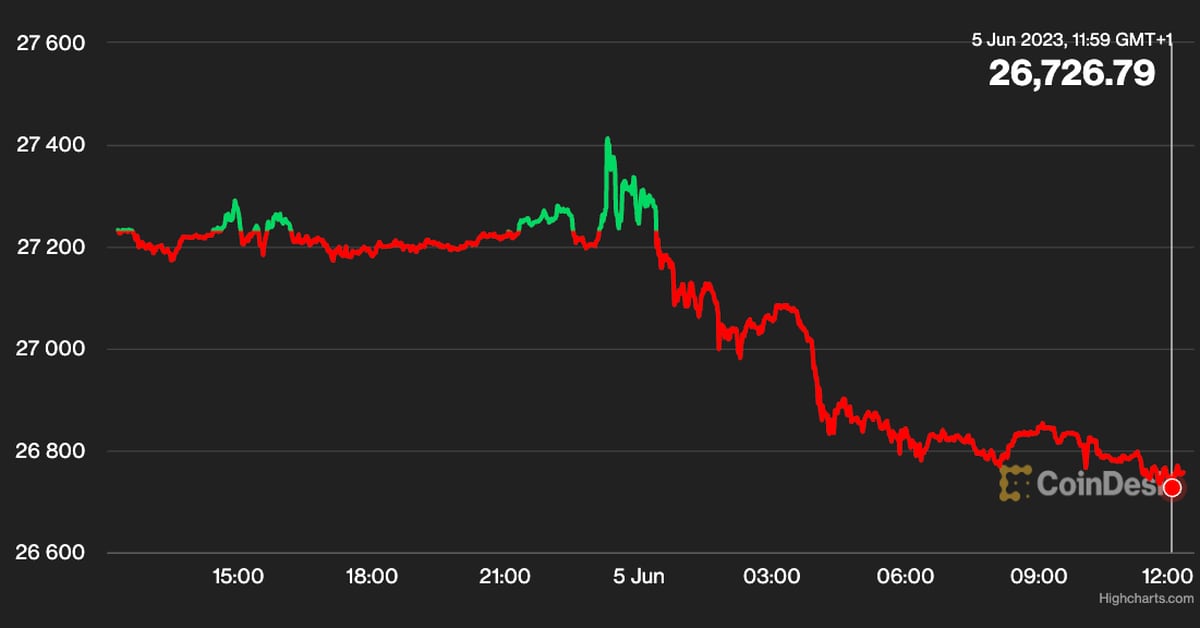
Bitcoin drops below $27,000 as investors weigh the implications of the U.S. debt ceiling deal and strong employment report. Laurent Kssis, crypto advisor at CEC Capital, predicts bitcoin will drop below $26,000 this week due to no obvious catalysts and long liquidations being triple those of short liquidations. JPMorgan predicts retail demand for bitcoin will remain strong ahead of the next halving event in April 2024. Richard Teng's appointment to oversee Binance's regional markets outside the U.S. positions him as the most likely successor to Changpeng Zhao, the exchange's founder.

"Mystery Trader's Profit from Debt-Ceiling Deal Raises Insider Trading Suspicions"

Originally Published 2 years ago — by Fortune

Featured image for "Mystery Trader's Profit from Debt-Ceiling Deal Raises Insider Trading Suspicions"
Source: Fortune

A mystery trader made a huge bullish bet on Equitrans Midstream Corp. several days before the US government announced a deal that would give the long-delayed Mountain Valley Pipeline the final approvals needed to complete the project. The bet involved snapping up 100,000 call options on the firm's stock, which proved prescient and wildly profitable within just a few days. The bet has raised suspicions of insider trading, with some questioning whether the parameters of the debt deal had somehow leaked out ahead of time. No one has been accused of any wrongdoing with the options trade, and Equitrans said neither the company nor any of its executives were involved in the transaction.

Debt ceiling deal divides House conservatives and sparks controversy.

Originally Published 2 years ago — by Reuters

Featured image for Debt ceiling deal divides House conservatives and sparks controversy.
Source: Reuters

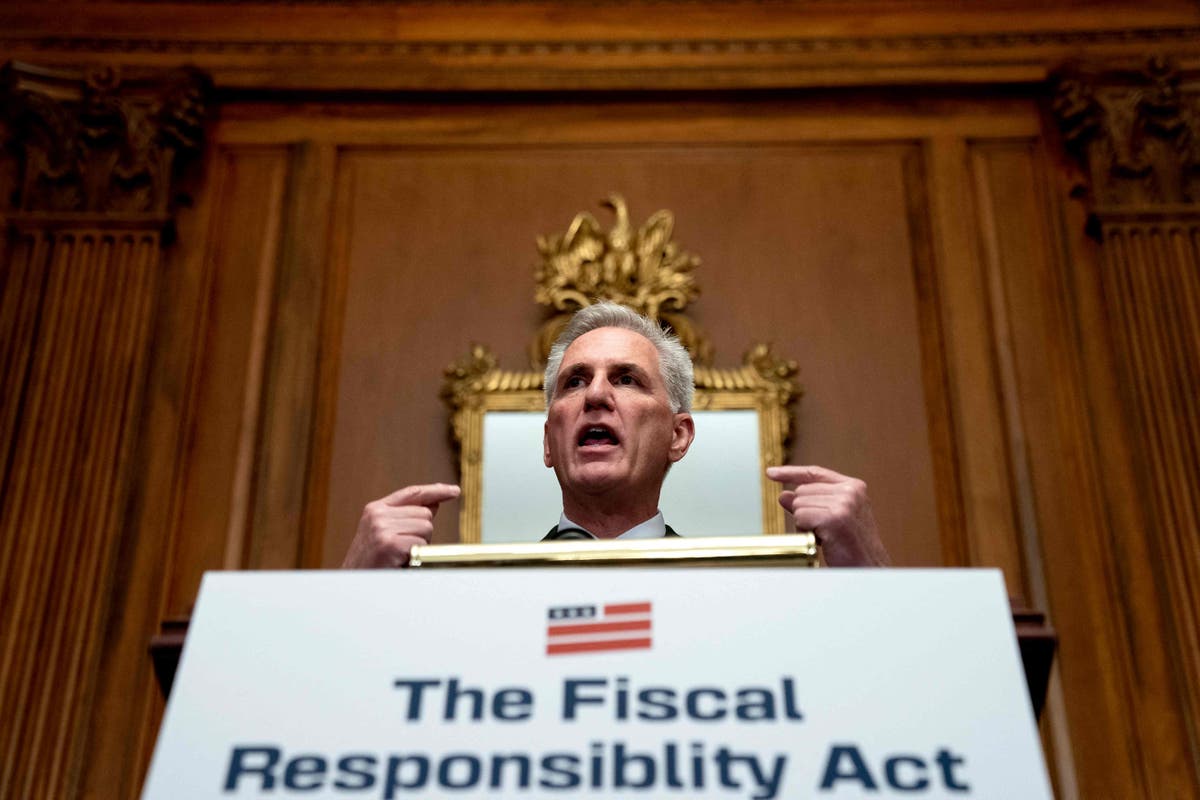
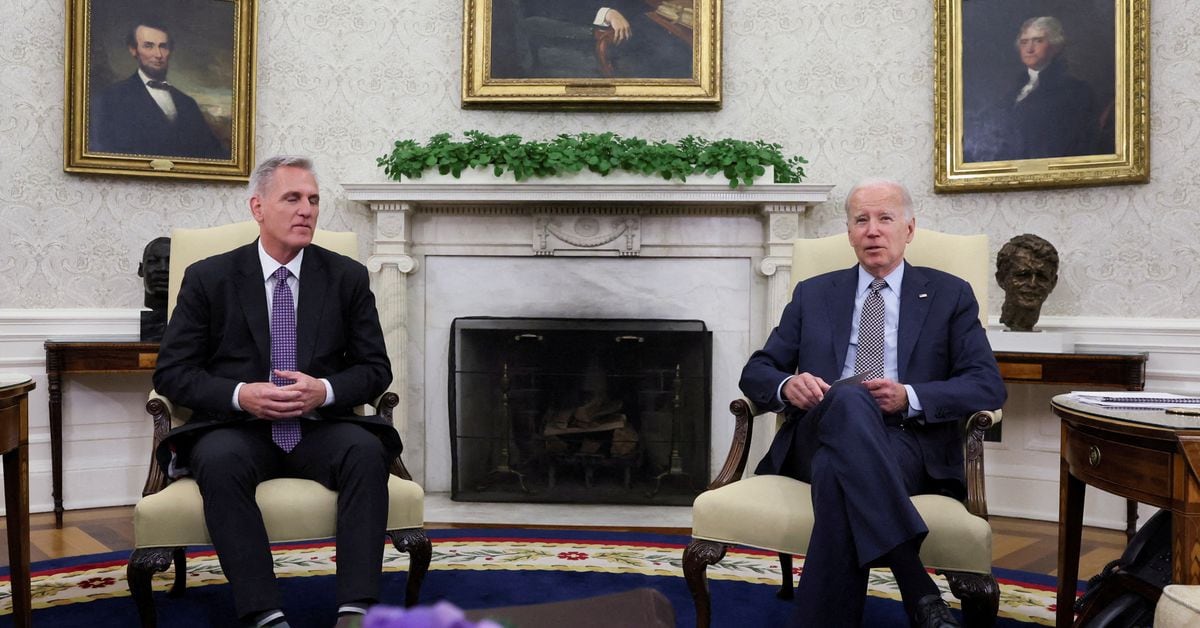
U.S. House Speaker Kevin McCarthy praised the bipartisan debt ceiling deal he negotiated with President Joe Biden, but some House conservatives, including Representative Ken Buck of the far-right House Freedom Caucus, criticized the deal for failing to deliver deeper spending cuts. McCarthy's position as the top Republican in Congress may be challenged by hardline conservatives due to "credibility issues." The deal suspends the debt ceiling until Jan. 1, 2025, and keeps fiscal 2024 spending flat at this year's levels, allowing a 1% increase for fiscal 2025. The deal was approved by strong majorities of both parties, but roughly half of the 76 Republican no votes were from the ultra-conservative Freedom Caucus.

Biden's Debt Ceiling Deal Prevents Economic Collapse

Originally Published 2 years ago — by BBC

Featured image for Biden's Debt Ceiling Deal Prevents Economic Collapse
Source: BBC

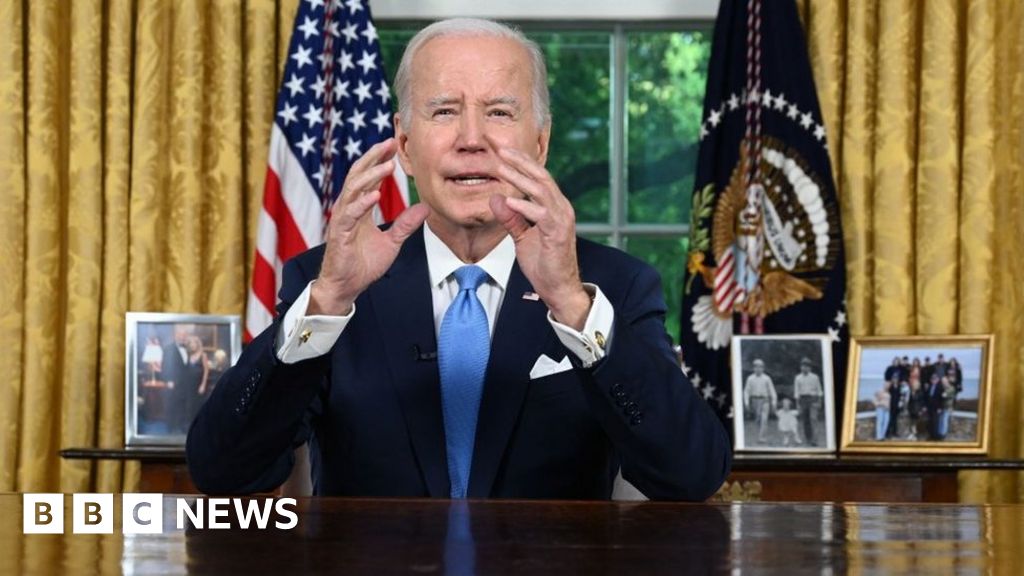
President Joe Biden has praised Republicans for their "good faith" in raising the US borrowing limit, which he said averted "economic collapse". The bill suspends the debt limit until 1 January 2025 and caps non-defence spending, while expanding work requirements for food and healthcare assistance, amongst other provisions. The legislation will result in $1.5tn in savings over a decade. The deal passed with bipartisan support in Congress, though some Republicans and Democrats had reservations about the package.

Bipartisan debt ceiling bill signed into law by President Biden.

Originally Published 2 years ago — by The Guardian US

Featured image for Bipartisan debt ceiling bill signed into law by President Biden.
Source: The Guardian US

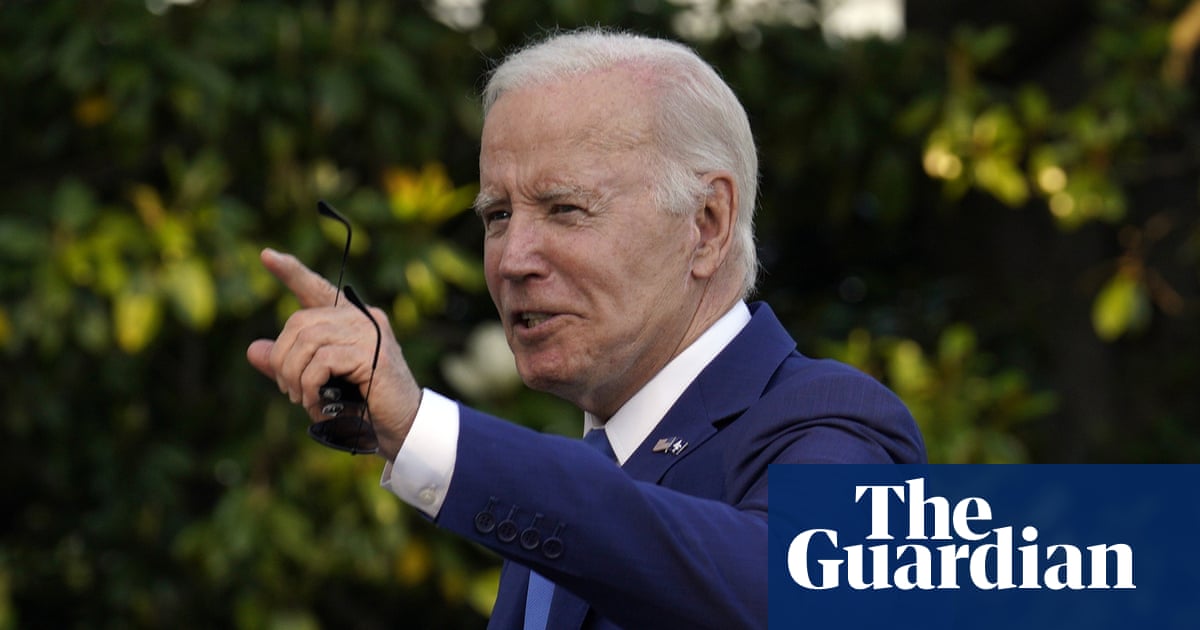
A bipartisan bill to solve the US debt ceiling crisis has reached Joe Biden's desk, just days before a catastrophic and unprecedented default. The compromise package negotiated between Biden and the House speaker, Kevin McCarthy, passed the US Senate late on Thursday. The bill shelves the volatile debt ceiling issue until 2025, after the next presidential election. The final Senate vote capped off a long day that ground into night, as lawmakers spent hours considering amendments to the legislation. All 11 of the proposed amendments failed to gain enough support to be added to the underlying bill.

"Senate passes debt ceiling bill, avoiding default and showcasing the power of centrism."

Originally Published 2 years ago — by USA TODAY

Featured image for "Senate passes debt ceiling bill, avoiding default and showcasing the power of centrism."
Source: USA TODAY

The US Senate has approved a debt deal that was agreed upon by the White House and Speaker Kevin McCarthy, avoiding a national default that would have been an economic disaster for the country. The agreement suspends the limit on how much the federal government can borrow until January 2025, which means the country won't be subjected to a debt limit fight again until after next year's presidential contest. The deal was approved by wide bipartisan margins in both chambers of Congress, but the road ahead will still be difficult as Congress must now agree on how to apply the spending limits included in the deal.

Senate passes debt ceiling deal, avoids default.

Originally Published 2 years ago — by BBC

Featured image for Senate passes debt ceiling deal, avoids default.
Source: BBC

The US Senate has passed a bipartisan deal to lift the country's borrowing limit, averting a catastrophic default on its $31.4tn debt. The measure cleared the Senate by a vote of 63-36, a day after it passed the House of Representatives. President Joe Biden has said he will enact the measure into law. The agreement suspends the debt ceiling until 1 January 2025 and will result in $1.5tn in savings over a decade. The last time the US came this close to overshooting its debt ceiling, in 2011, the credit agency Standard & Poor's downgraded the country's rating.

Debt ceiling deal threatens food assistance for low-income Americans.

Originally Published 2 years ago — by Yahoo Finance

The US debt ceiling deal would remove some Americans from the Supplemental Nutrition Assistance Program (SNAP), while adding others. The current debt ceiling agreement extends the age range for SNAP benefits to 55, exempting veterans, the homeless, and young adults transitioning out of the foster care system from work requirements. Work requirements for government assistance have a long history, dating back to the Middle Ages, and in the US they have a particularly racist history. Anti-hunger groups don’t think that the increased eligibility will translate into great access to food without further funding for local and state agencies administering these benefits.

Senate votes on debt ceiling deal amidst GOP backlash.

Originally Published 2 years ago — by The Independent

Featured image for Senate votes on debt ceiling deal amidst GOP backlash.
Source: The Independent

The US Senate is racing to pass a bipartisan agreement to raise the $31.4tn US debt ceiling before the Treasury Department runs out of funds to pay its debts for the first time in American history on Monday. The deal, which also includes new federal spending cuts, cleared the House of Representatives with 314 votes in favour of the legislation on Wednesday night. The narrowness of its passage from the House committee underscored the need for Democrats to help it pass the House, where Republicans hold a slim majority of 222 to 213.

Schumer pushes for swift passage of debt ceiling bill to avoid default.

Originally Published 2 years ago — by Financial Times

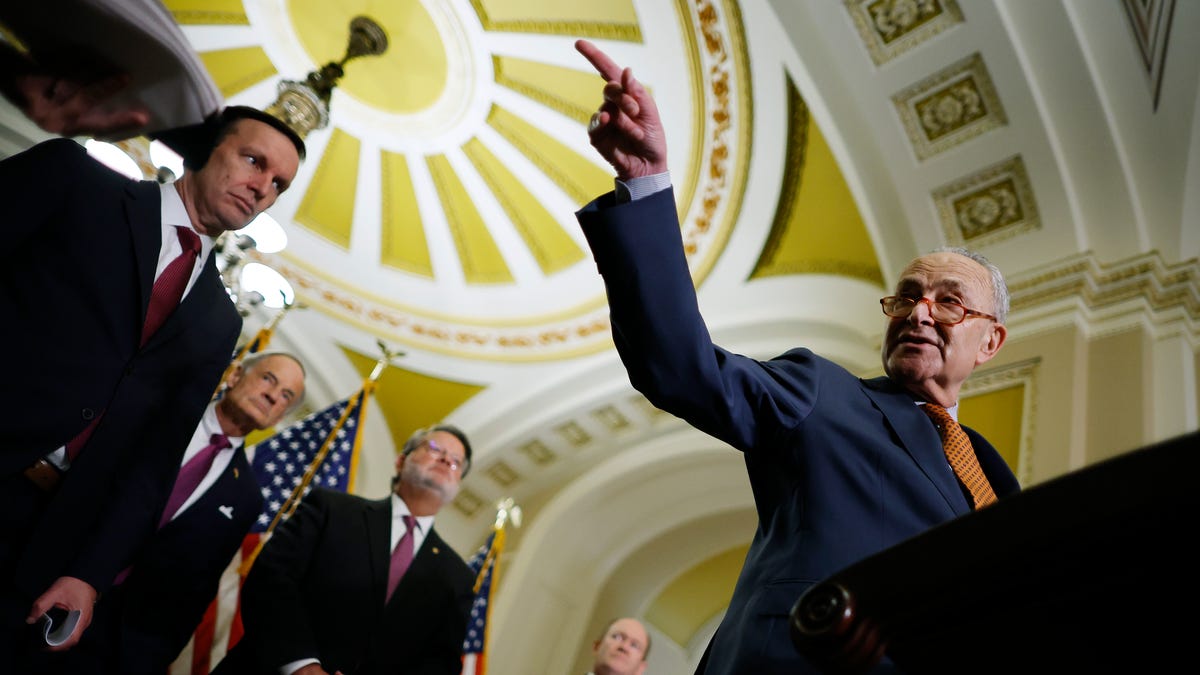
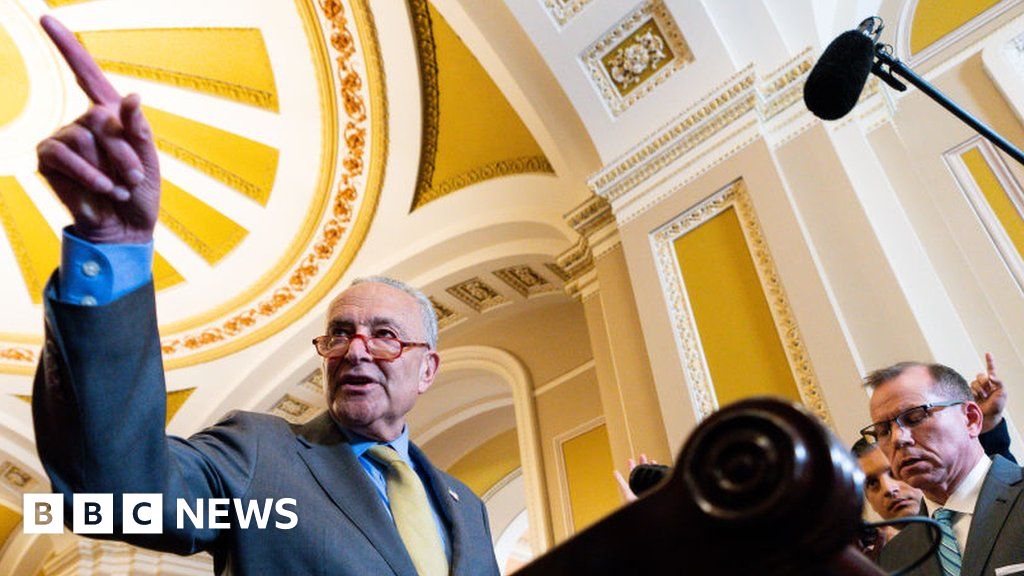
Senate Majority Leader Chuck Schumer is pushing to pass a bill to raise the US debt ceiling by the end of the week, as the deadline to avoid a potential default on US debt approaches. The bill would need to pass through the Senate and the House of Representatives before being signed into law by President Biden.

Oil Prices React to U.S. Debt Ceiling Bill and OPEC+ Focus

Originally Published 2 years ago — by OilPrice.com

Featured image for Oil Prices React to U.S. Debt Ceiling Bill and OPEC+ Focus
Source: OilPrice.com

Oil prices rose slightly after the U.S. House of Representatives passed a debt ceiling bill, countering an inventory build reported by the American Petroleum Institute. The bill involves suspending the U.S. debt ceiling for two years, with some caps on federal spending and recycling of unused Covid funds. The possibility of a U.S. default has weighed on oil markets for weeks, but the bill's passage should provide some upward momentum for oil prices ahead of the OPEC meeting. The bill still needs to pass the Senate.

Asian markets climb on U.S. debt ceiling bill passage and Fed pause talk.

Originally Published 2 years ago — by CNBC

Featured image for Asian markets climb on U.S. debt ceiling bill passage and Fed pause talk.
Source: CNBC

Asia-Pacific markets were mostly higher on Thursday after the bill to raise the U.S. debt ceiling was passed in the House of Representatives, advancing it to the Senate just days ahead of the default deadline. India's manufacturing purchasing managers' index surged to its highest level since October 2020, while China's factory activity rose above the 50-mark that separates growth and contraction in May. Japan's factory activity expanded for the first time since Oct 2022, and the Nikkei 225 outperformed major global benchmarks in the month of May.

BlackRock CEO predicts more rate hikes amidst inflation and debt ceiling drama.

Originally Published 2 years ago — by Cointelegraph

Featured image for BlackRock CEO predicts more rate hikes amidst inflation and debt ceiling drama.
Source: Cointelegraph

Blackrock CEO Laurence Fink warns that the recent US debt ceiling drama has damaged global trust in the US dollar, potentially providing tailwinds for Bitcoin. Fink expects at least two more interest rate hikes from the Federal Reserve in the coming months, which could see the price of Bitcoin fall further. However, if the Federal Reserve pauses its rate hiking cycle in June, investors can expect to see some positive price action for Bitcoin. Many Bitcoin advocates see BTC as a hedge against inflation and debt fears brought on by central banks increasing overall monetary supply.