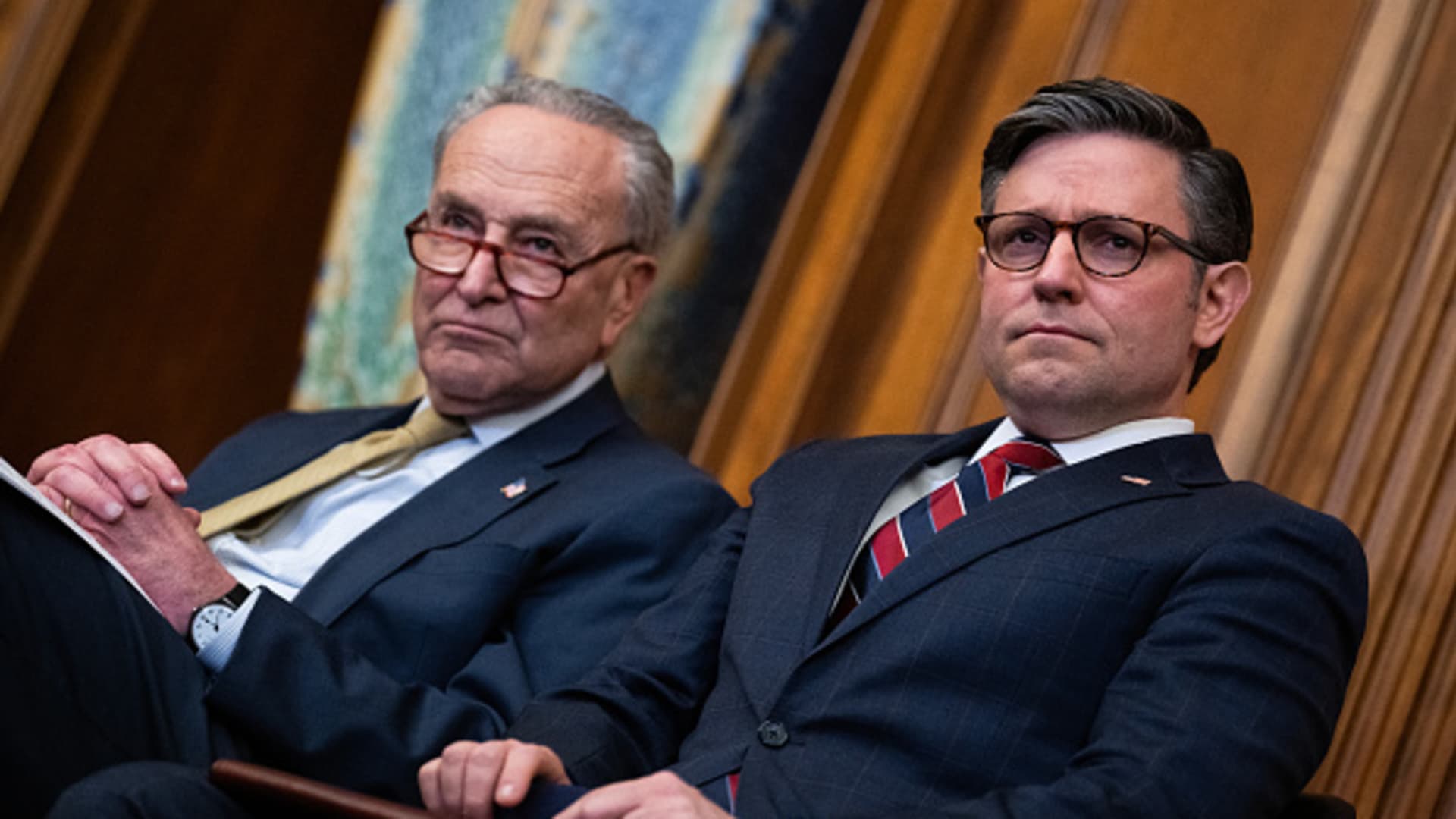
Senate leaders are racing to secure a bipartisan funding package that would keep the government open by midnight, funding the DHS and other agencies amid last-minute negotiations and partisan pressure.
The expiration of ACA subsidies at the end of the year, coupled with political gridlock in Congress, raises the likelihood of increased health insurance costs for many Americans in 2026 due to the absence of a bipartisan agreement to extend these subsidies.
The House is returning from a 50-day recess to pass a bipartisan government funding bill, with support from Republicans and some Democrats, while others oppose it over issues like Obamacare subsidies; votes could occur as soon as Wednesday, amid logistical challenges for lawmakers due to travel disruptions.
The House is returning from a 50-day recess to address the government shutdown, with plans to pass a funding bill supported by Republicans and President Trump, while Democrats oppose it due to issues like ACA subsidies; the session involves logistical challenges and political negotiations.
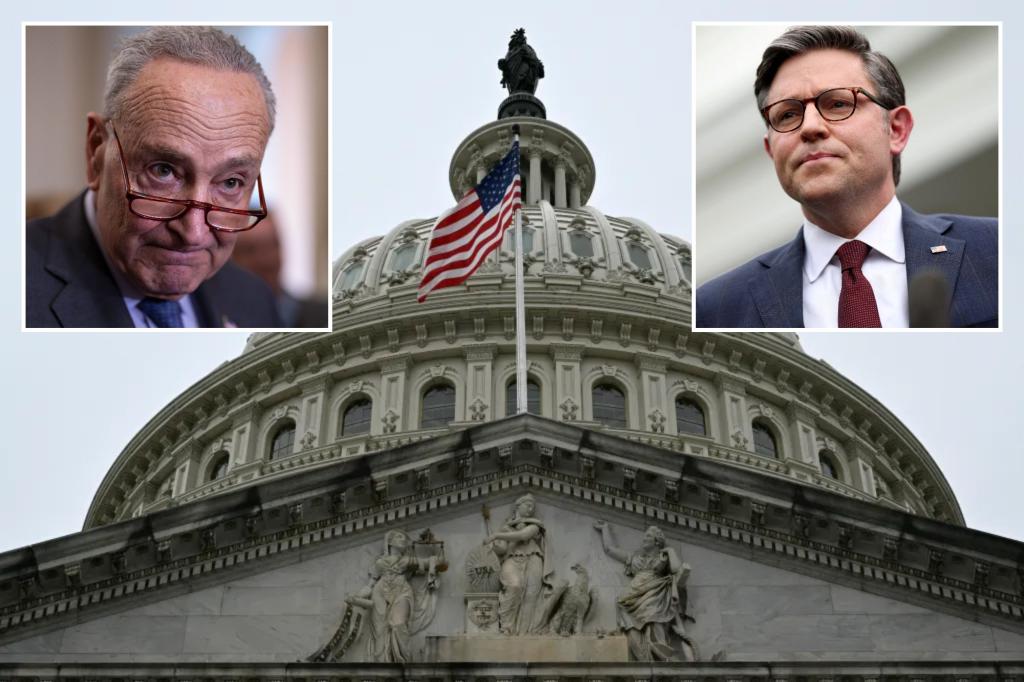
Senate Minority Leader Chuck Schumer privately opposed prolonging the government shutdown and persuaded moderates to hold out until November, but ultimately, a bipartisan deal was reached with some Democrats breaking ranks to end the shutdown.
The U.S. government shutdown is nearing an end after a bipartisan breakthrough, with the Senate taking a key procedural step towards passing a deal that includes full-year appropriations bills and a temporary funding resolution through January 30. House Republicans are expected to support the deal once President Trump endorses it, while some Democrats and GOP hardliners may oppose certain provisions. Key issues include hemp language in the agriculture bill and potential legislative proposals on healthcare and stock trading restrictions.
Democratic lawmakers and grassroots groups are furious over a Senate deal with Republicans to end the government shutdown, which includes funding through January and a vote on extending ACA tax credits, but faces opposition from House Democrats and progressive groups who see it as a failure to address healthcare and leverage issues.
After 40 days, a bipartisan Senate deal ends the government shutdown without extending Obamacare subsidies, with some Democrats breaking ranks and House Democrats expressing discontent, while the deal includes funding until Jan. 30, 2026, and provisions related to SNAP and federal layoffs.
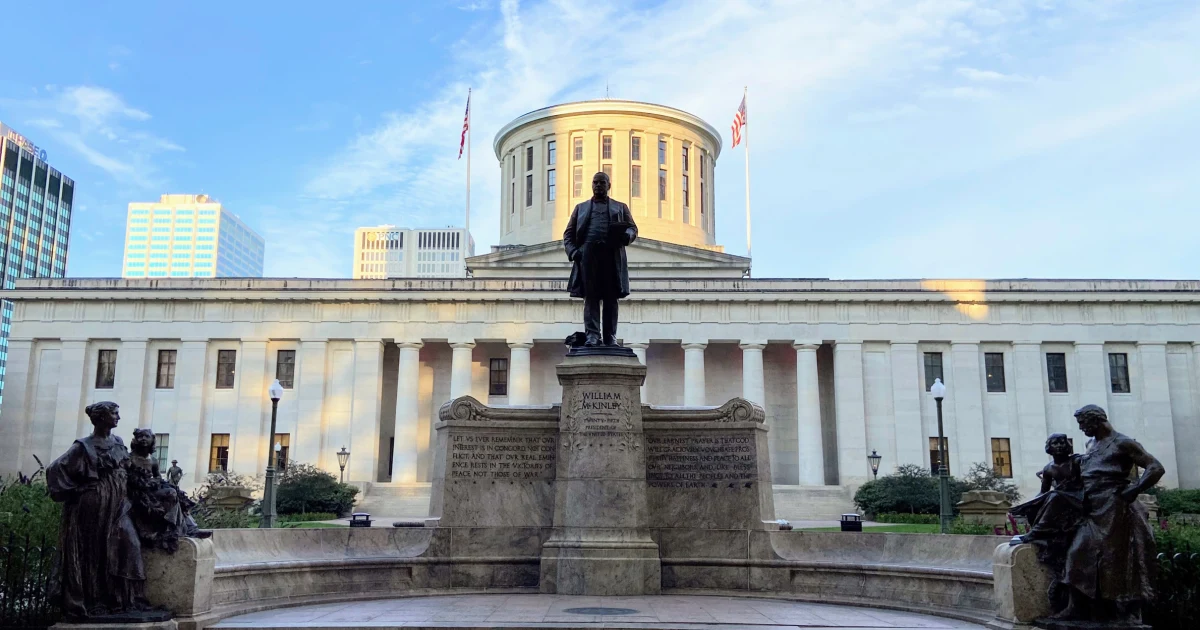
Ohio lawmakers are unexpectedly close to reaching a bipartisan agreement on a new congressional map that slightly favors Republicans, avoiding a potential gerrymandered map and a costly referendum, amidst a broader national redistricting cycle influenced by political strategies.
Democrats negotiated with GOP for billions in government funding in exchange for confirming several Trump administration nominees, but the deal fell through after President Trump withdrew support, leaving many nominees awaiting confirmation and highlighting ongoing political tensions.
The Senate passed a $1.2 trillion federal spending bill after missing a midnight deadline, triggering a brief partial government shutdown. The bill now heads to President Biden's desk for signing. The impact of the partial shutdown was limited, and federal offices are closed for the weekend. The impasse over amendments threatened a prolonged shutdown, but an agreement was reached to hold an overnight vote. The spending bill addresses funding for various departments and includes a $200 billion cut in federal spending over the next 10 years, a $27 billion increase in defense spending, and funding for Israel and Ukraine.
The Senate began late-night voting on a $1.2 trillion government funding bill to avert a partial shutdown, with a deal in place to vote on amendments and final passage. President Joe Biden is expected to sign the bill into law, funding the government through September. The House has already passed the spending bill, and the Senate indicated sufficient support for its passage. The divided Congress narrowly averted multiple shutdowns this session, with the latest bill released Thursday and passed by the House on Friday morning, leaving little time for the Senate to act.
Congressional leaders have announced a deal to fund the rest of the government through the fiscal year, but with a looming deadline, cooperation from both House and Senate members is crucial to avoid a partial government shutdown. Speaker Mike Johnson hopes to release the legislation text soon and hold a Friday vote, but GOP leaders may need to waive a 72-hour review rule. The deal faces opposition from the far right wing of the Republican conference, and any one member in the Democratic-controlled Senate can slow down the process. President Biden welcomed the agreement, and Senate Majority Leader McConnell expressed optimism about completing the appropriations process ahead of the funding deadline.
The top Republican and Democrat in the U.S. Congress have reached a deal to fund the government through the fiscal year, with the last hurdle being funding for the Department of Homeland Security. The agreement, covering about three-quarters of discretionary government spending, is still being finalized and must be passed before the weekend shutdown deadline. However, more battles are expected as the nation's national debt continues to rise, and there are disagreements over foreign security aid and funding levels.
U.S. Sen. James Lankford faced backlash from his own party for his work on a bipartisan immigration package, leading to censure by the Oklahoma County Republican Party. During President Biden's State of the Union address, Lankford nodded and mouthed "It's true" as Biden discussed the border bill, later explaining on CNN that he was actually listening to the President and acknowledging the bill's potential impact on border security and asylum processes, while also criticizing Biden for not utilizing certain executive actions and legal authorities to address the issue.