Tariffs continue to significantly influence the global economy, with ongoing US-China trade tensions, moderate growth forecasts for 2026, and various geopolitical and economic factors shaping future developments. Despite some mitigation, tariffs have increased costs and uncertainty, impacting global trade and economic growth.
The White House remains optimistic about U.S.-China trade relations despite the October deal's text being unavailable, with signs of ongoing negotiations and some discrepancies in trade commitments, particularly regarding soybean purchases, highlighting the informal nature of the agreement and ongoing tensions.
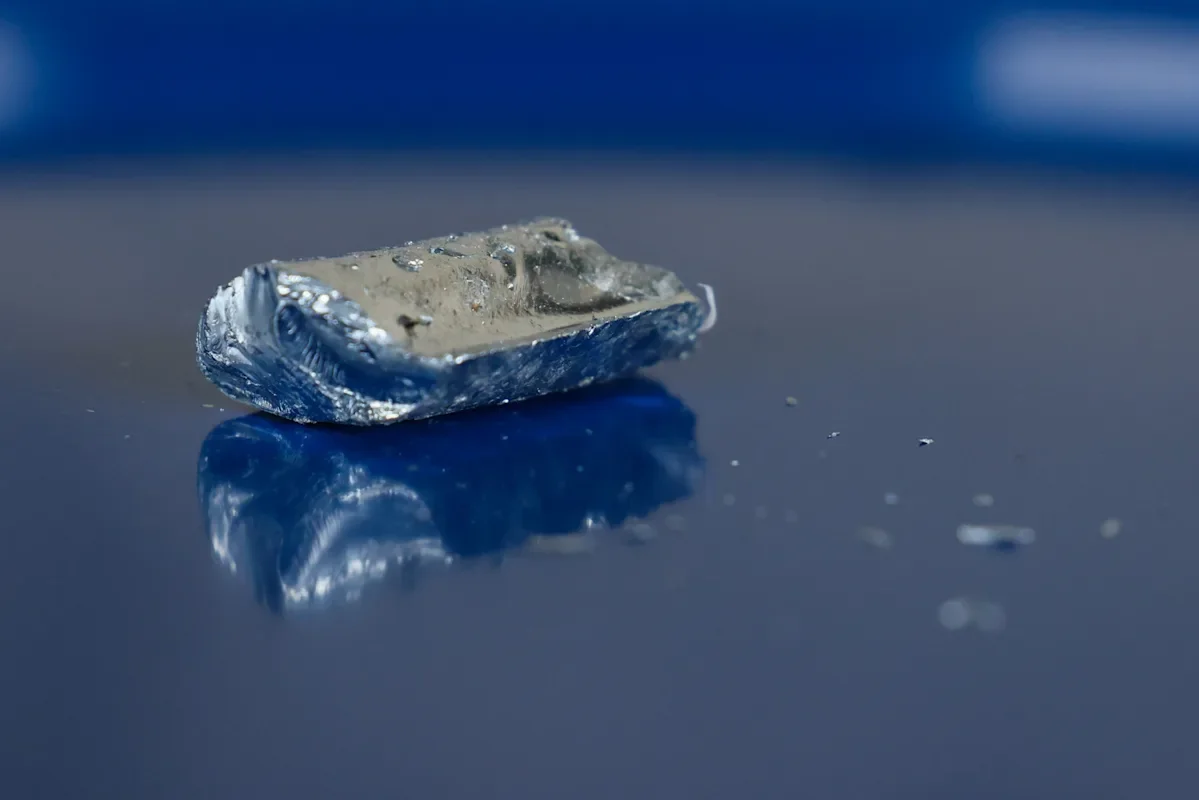
Despite a deal between the US and China to ease restrictions, China continues to limit raw rare earth materials to the US, hindering America's efforts to develop its own rare earth industry, especially for manufacturing permanent magnets used in various technologies.
Nvidia plans to ship its H200 AI chips to China before mid-February, contingent on Chinese government approval, marking a significant policy shift amid ongoing US-China tech tensions. The shipments, initially from existing stock, could total 40,000 to 80,000 chips, with future capacity expansion planned for 2026, though the timeline remains uncertain due to regulatory approvals.
The United States is taking steps to reduce its dependence on China for rare earth elements following a trade truce, aiming to strengthen its supply chain and reduce China's influence in this critical sector.
China will suspend some export controls on rare earth metals and halt investigations into US chip firms as part of a trade deal with the US, which also includes halving tariffs on fentanyl and resuming agricultural purchases, aiming to ease tensions between the two countries.
China will suspend some export controls on rare earth metals and halt investigations into US chip firms as part of a trade agreement with the US, which also includes halving tariffs on fentanyl and resuming agricultural purchases, aiming to ease tensions between the two countries.
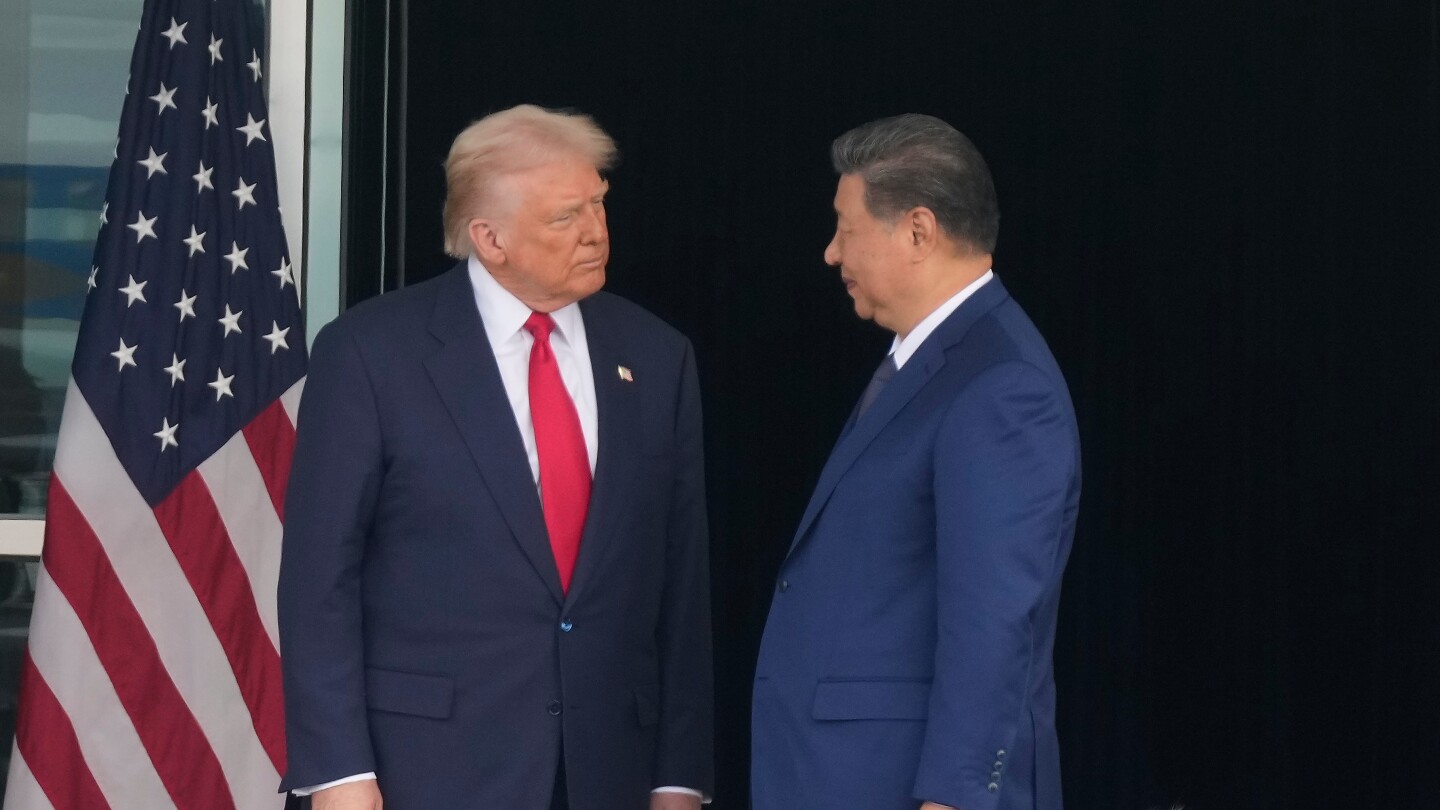
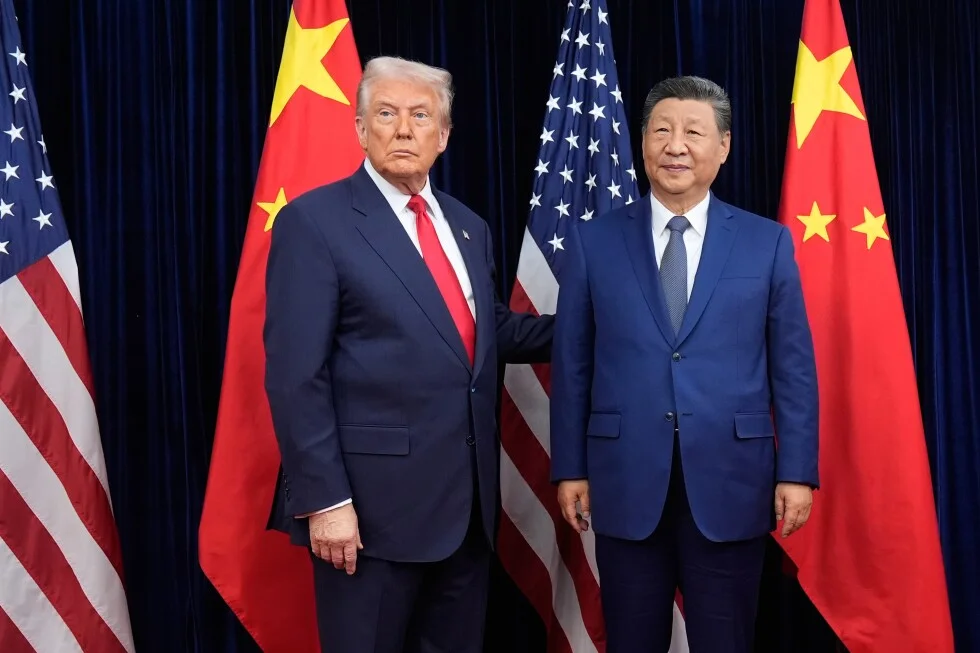
The US is set to announce the resumption of Nexperia chip shipments from China following a trade pact between Trump and Xi Jinping, easing concerns over auto industry disruptions caused by previous export restrictions and trade tensions between China and the US.
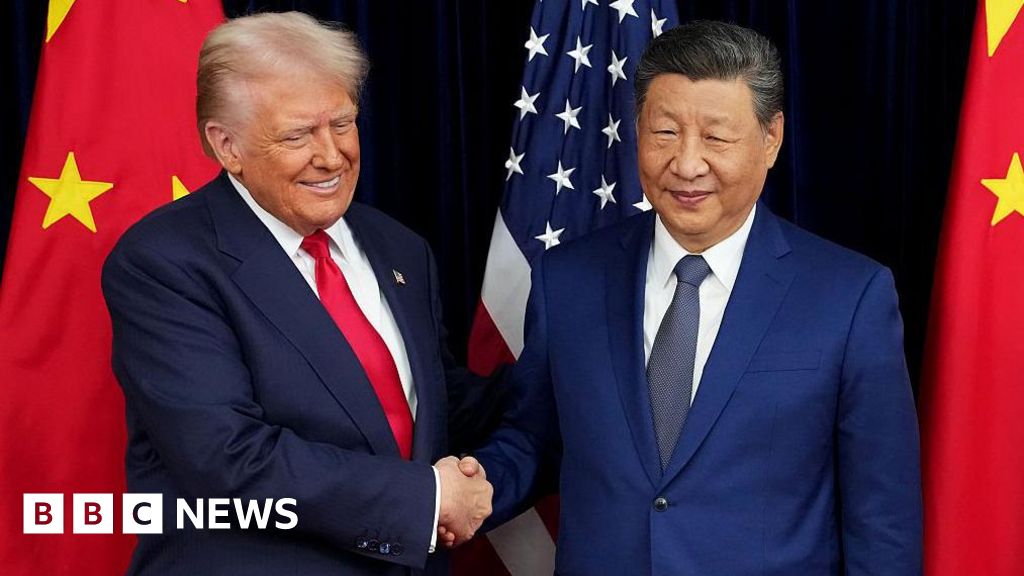
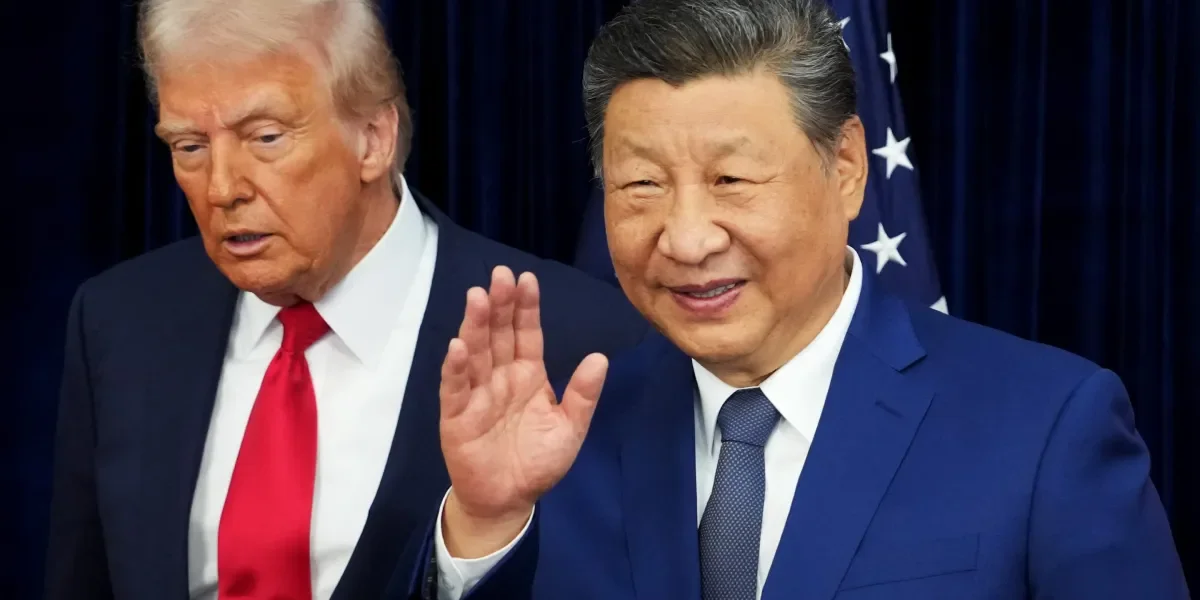
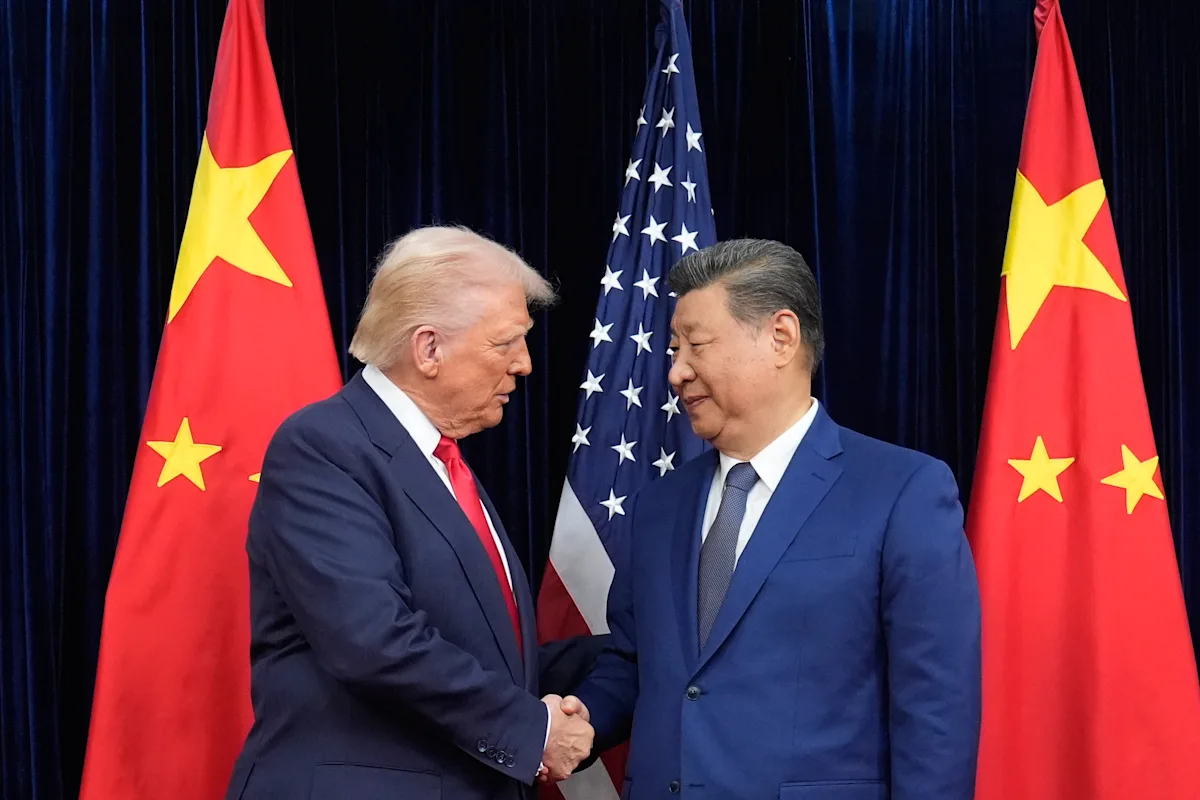
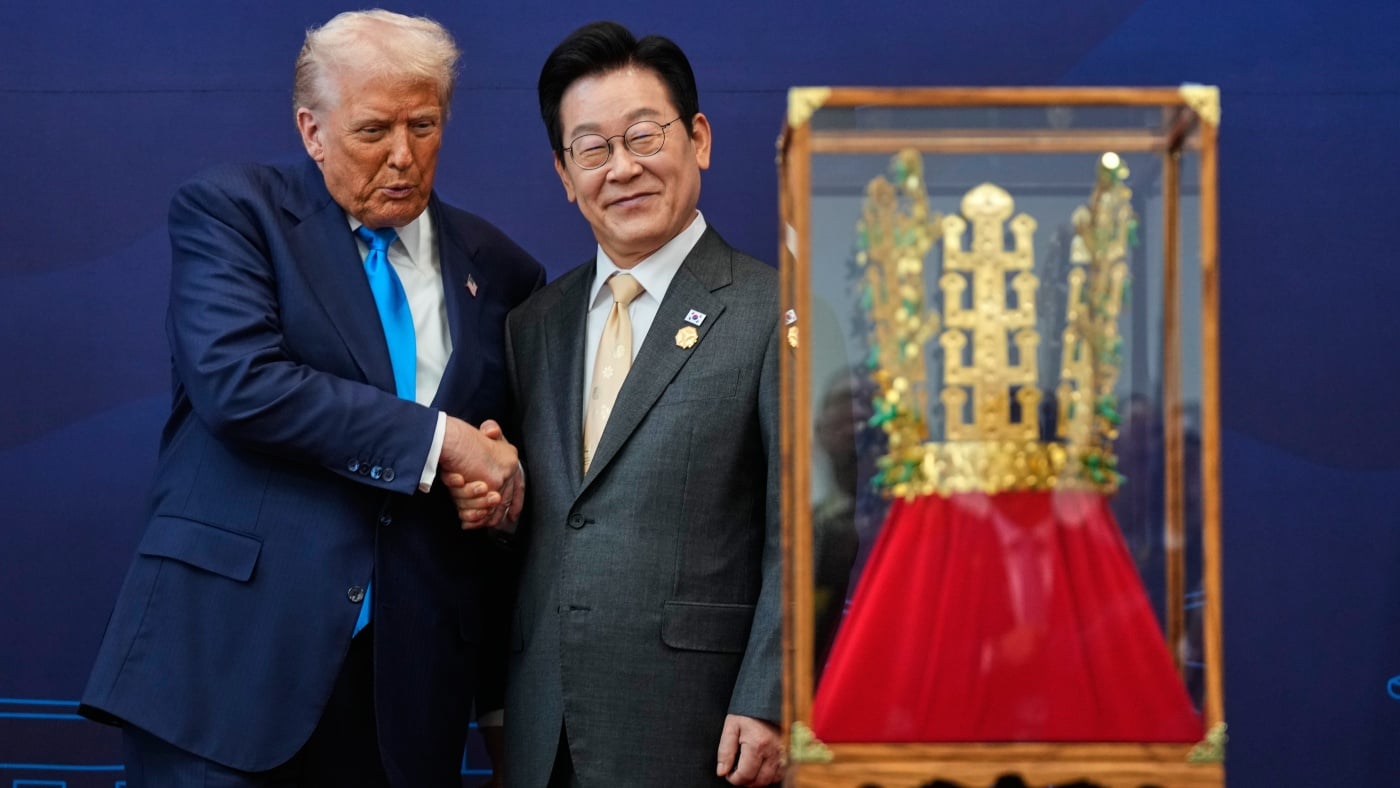
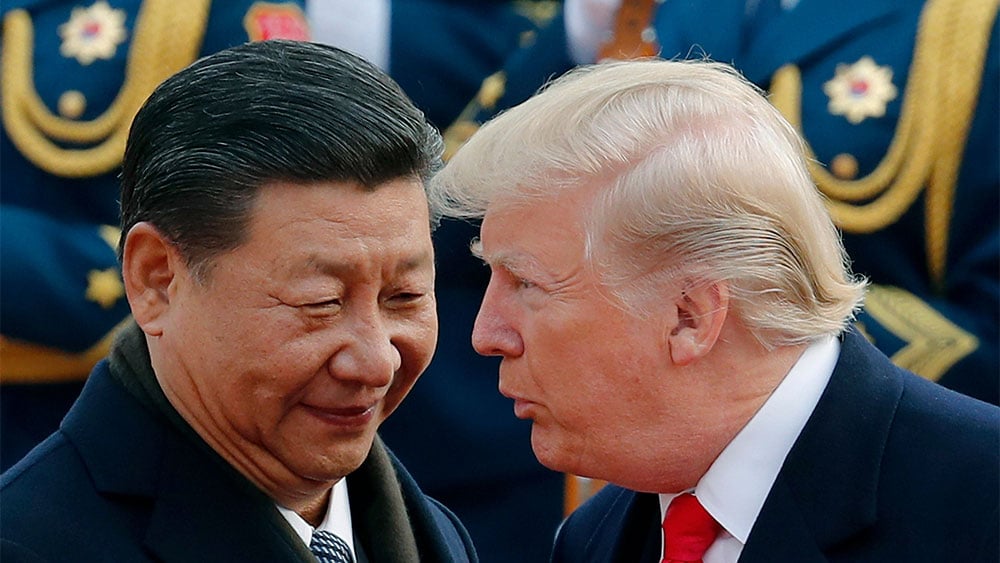
President Trump concluded a week in Asia, where he discussed trade stabilization with China, engaged in diplomatic flattery, promoted himself as a peacemaker by brokering regional ceasefires, and returned to a U.S. government still facing a shutdown, with ongoing political stalemates.
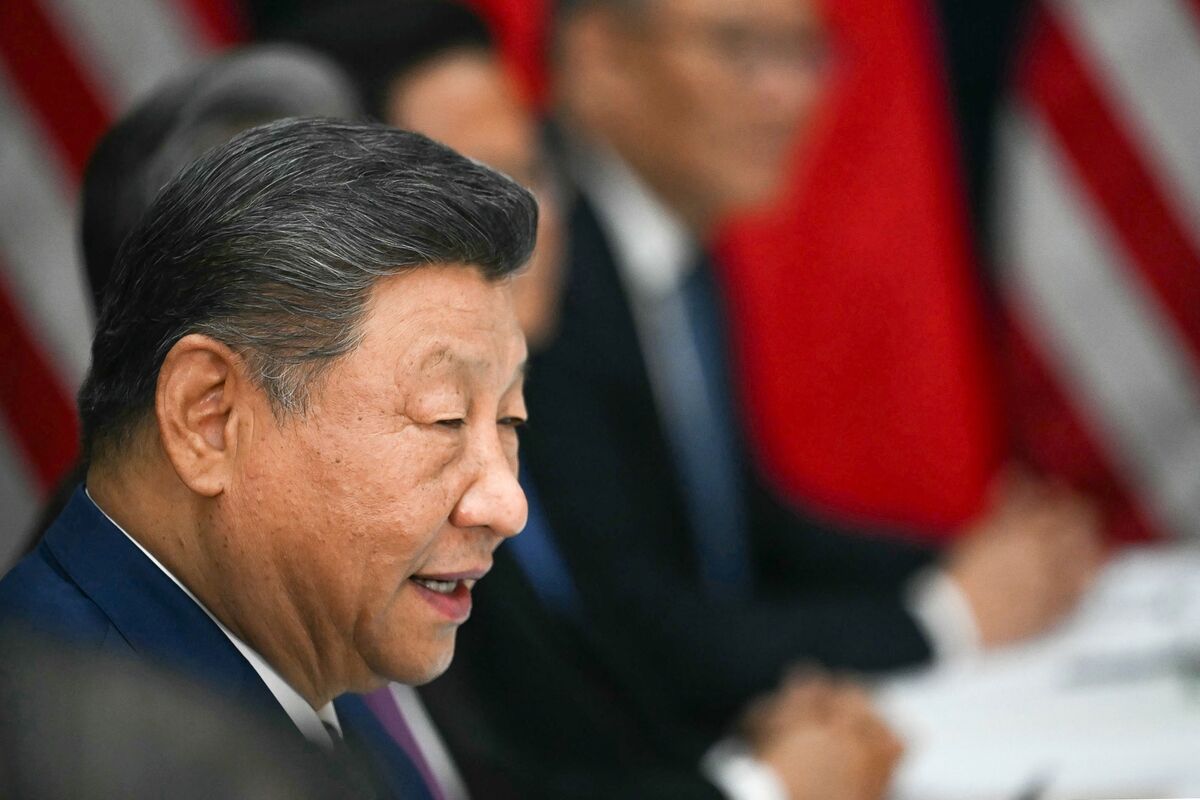
Chinese President Xi Jinping emphasized the importance of maintaining stable and resilient supply chains during the APEC summit, following a recent trade truce with the US that involved tariff rollbacks and commitments to buy US soybeans, amidst ongoing tensions and efforts to decouple economically.
Global stocks rose as strong earnings from Amazon and Apple boosted investor sentiment, despite concerns over AI spending and mixed signals from the Federal Reserve about future rate cuts. US and Asian markets showed gains, gold remained high, and trade tensions between the US and China showed signs of easing.
U.S. and China have reached a tentative agreement that reduces tariffs, resumes soybean trade, and temporarily pauses export controls and port fees, aiming to stabilize their economic relationship despite ongoing uncertainties and unresolved issues. The deal is seen as a step back from previous tensions, but critics argue it offers limited substantive gains and leaves long-term challenges unaddressed.
Wall Street experienced a broad decline with the Nasdaq leading losses amid mixed earnings reports from major tech companies, a US-China trade truce, and cautious outlooks on Federal Reserve rate cuts, as investors await key earnings from Apple and Amazon.
The US and China agreed on a trade truce that temporarily halts some export controls on chips and rare earths, with China deferring its rare earth export restrictions for a year. While the deal eases tensions, uncertainties remain about the rollback of previous controls, especially for the defense sector. Rare earth stocks experienced volatility, and the agreement did not address Taiwan or Nvidia's chip sales in China, indicating a cautious step back from full escalation. The deal reflects ongoing strategic competition and efforts to diversify supply chains.
US mineral stocks rise as China delays full implementation of rare earth export restrictions, while Nvidia's Blackwell chips are not discussed in the Trump-Xi meeting, and OpenAI considers a potential IPO valued at up to $1 trillion to fund its AI development.