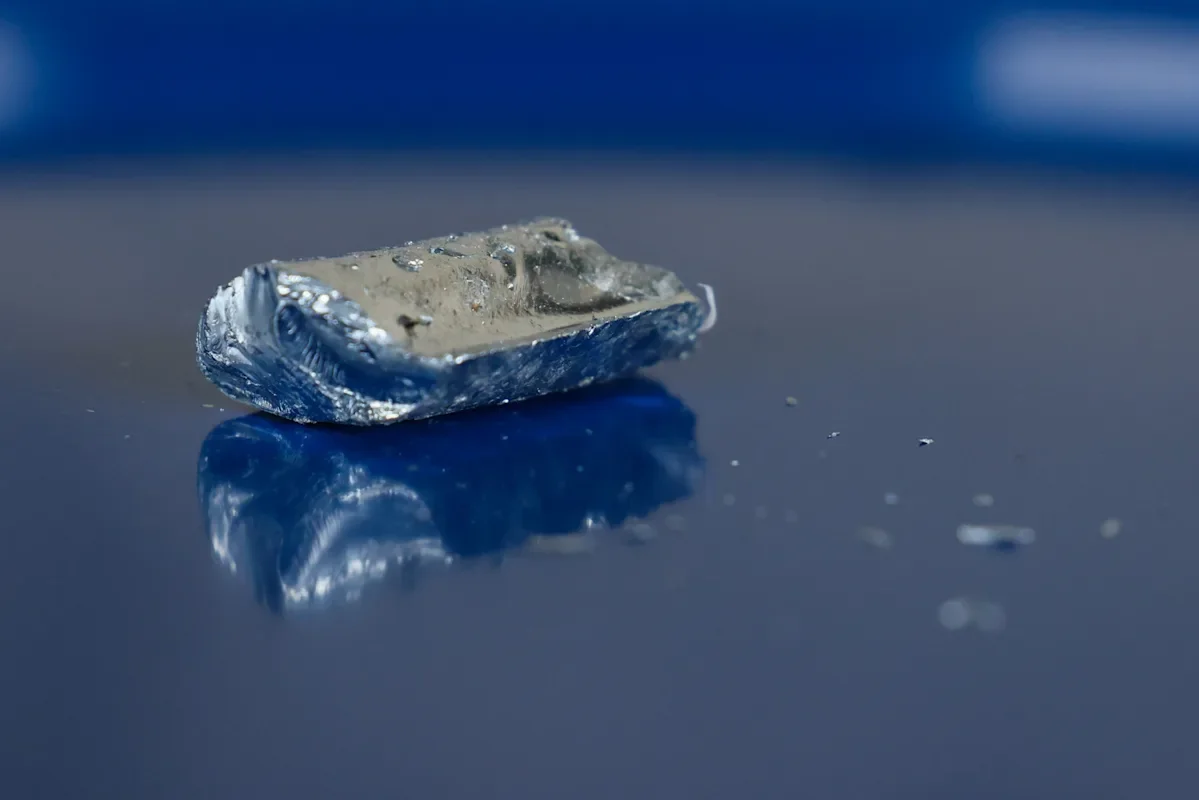
Despite a deal between the US and China to ease restrictions, China continues to limit raw rare earth materials to the US, hindering America's efforts to develop its own rare earth industry, especially for manufacturing permanent magnets used in various technologies.
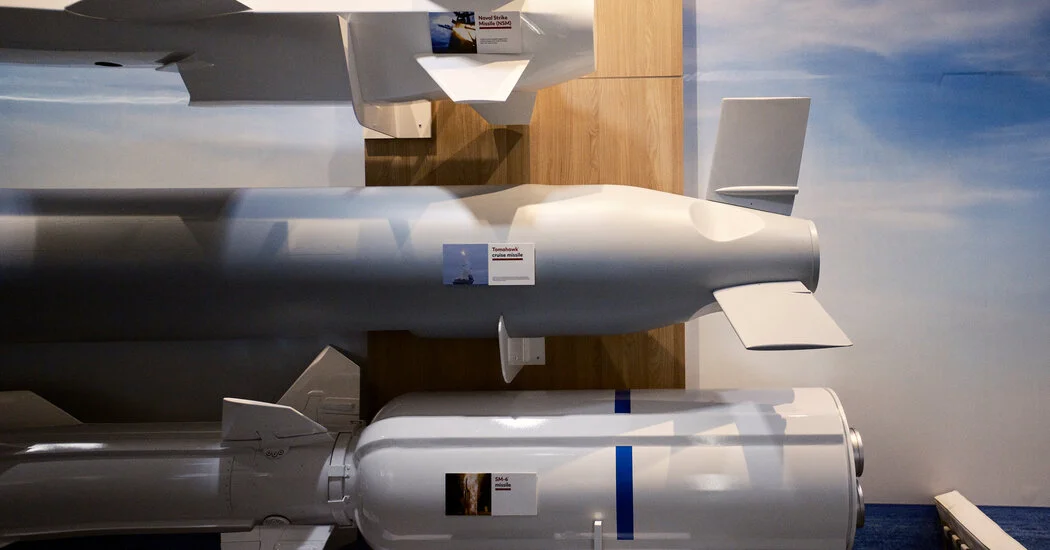
The U.S. defense industry temporarily avoided a rare-earth metal shortage caused by China's export restrictions on samarium, a key component in missile magnets, through a European deal, but is racing to find new sources before the existing stockpile runs out.
Nvidia reported strong Q2 earnings with revenue of $46.7 billion and a 56% increase in data center revenue, but shares fell 2% premarket due to concerns over restricted H20 chip sales to China amid geopolitical tensions. The company’s Q3 guidance exceeds estimates, yet the outlook for China remains uncertain, impacting future sales prospects. Despite challenges, Nvidia remains optimistic about long-term growth driven by AI demand and upcoming product launches.
Nvidia's quarterly revenue surged nearly 70% to $44.1 billion despite US export restrictions on China sales, with strong demand for its products and a positive outlook, though it faced a $4.5 billion charge due to these restrictions and potential impacts on future margins and market share in China.
Nvidia is set to report its Q1 earnings amid concerns over U.S.-China trade restrictions impacting its business, especially in China where new, cheaper AI chips are being developed to mitigate losses. Analysts expect a modest quarter with charges related to export bans, but see potential for recovery driven by the Blackwell platform and increased demand in data-center and networking sectors. Investors are watching for signs of margin recovery and the company's response to geopolitical challenges.