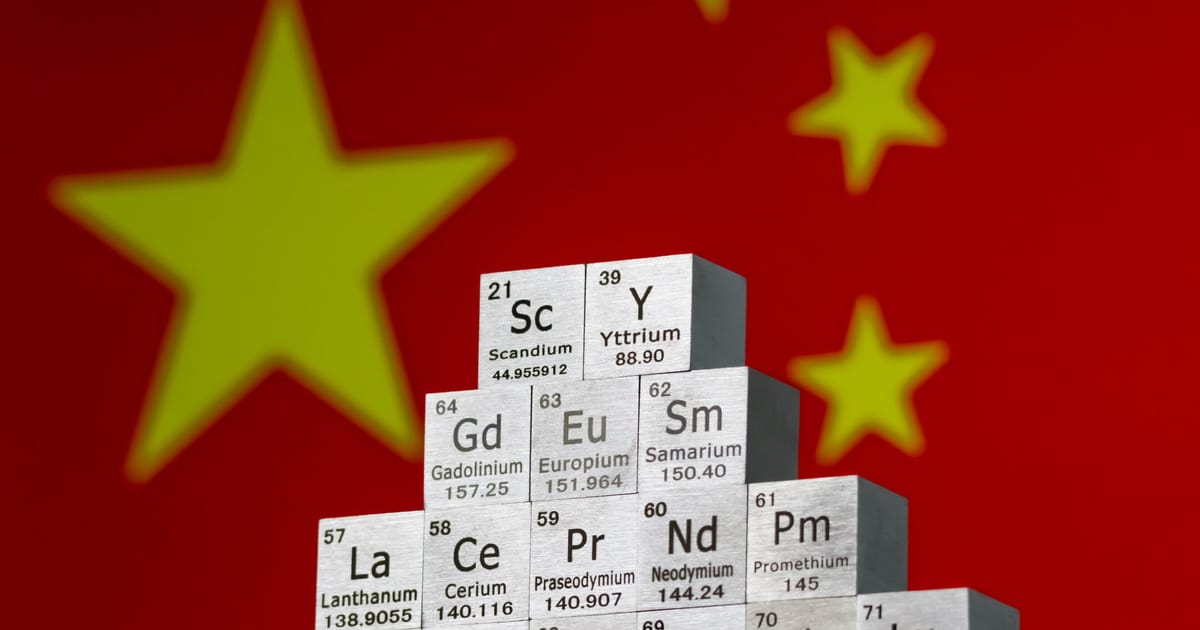
US Treasury Secretary Scott Bessent criticizes China as an unreliable partner and emphasizes the need for the US to reduce dependence on Chinese control of rare earth minerals, amid ongoing trade tensions and a tentative framework deal between the US and China.
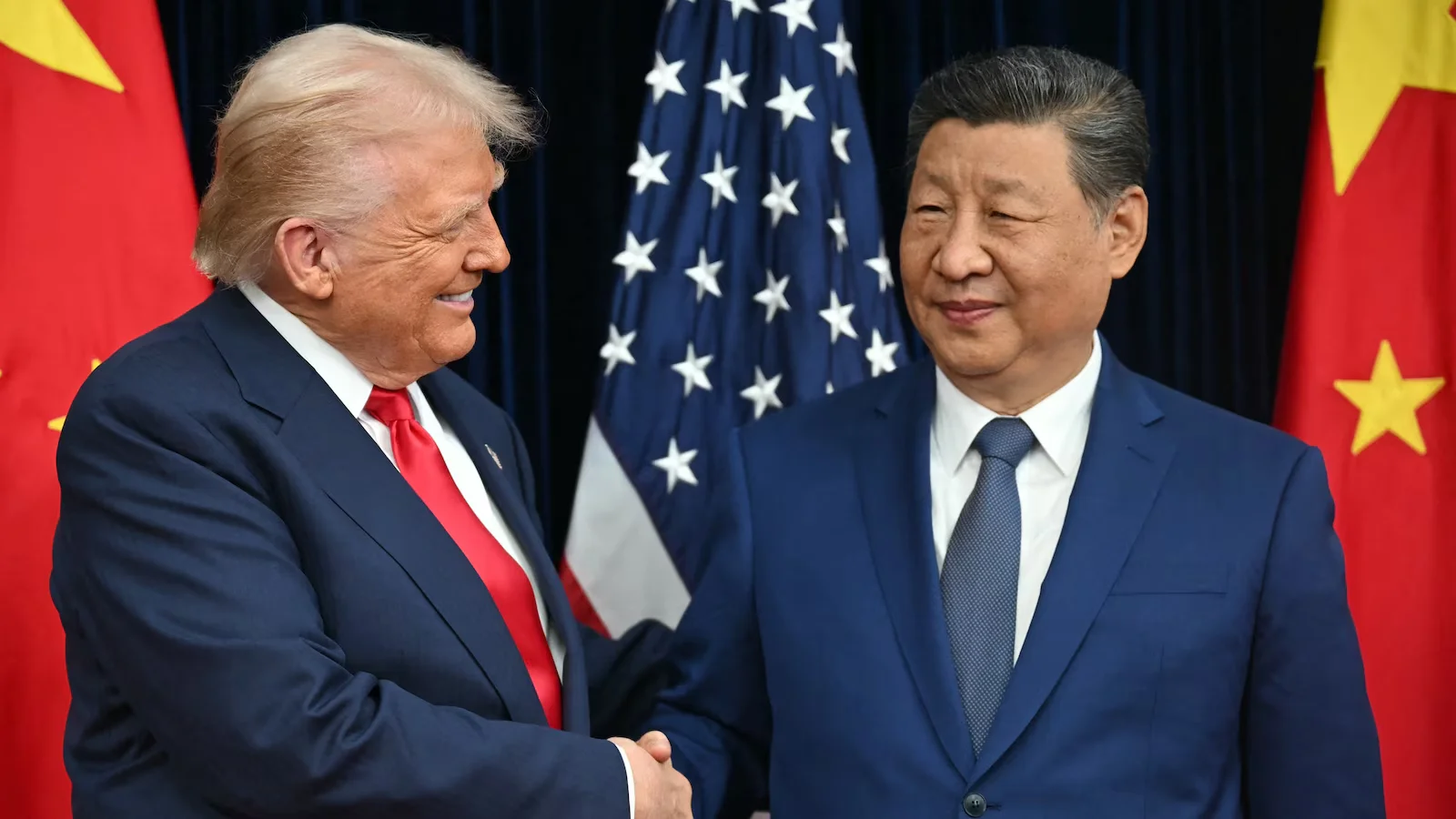
A short-term US-China trade agreement has been reached, easing tensions by reducing tariffs, delaying restrictions on rare earth minerals, and promising increased Chinese purchases of US soybeans, with potential implications for TikTok's future ownership and broader economic sectors.
The US and China agreed on a trade truce that temporarily halts some export controls on chips and rare earths, with China deferring its rare earth export restrictions for a year. While the deal eases tensions, uncertainties remain about the rollback of previous controls, especially for the defense sector. Rare earth stocks experienced volatility, and the agreement did not address Taiwan or Nvidia's chip sales in China, indicating a cautious step back from full escalation. The deal reflects ongoing strategic competition and efforts to diversify supply chains.
The US and China have agreed to a one-year delay on expanding trade sanctions and export controls, including halving fentanyl tariffs and resuming soybean imports, as part of a broader détente to ease tensions and work towards future agreements, including TikTok operations.
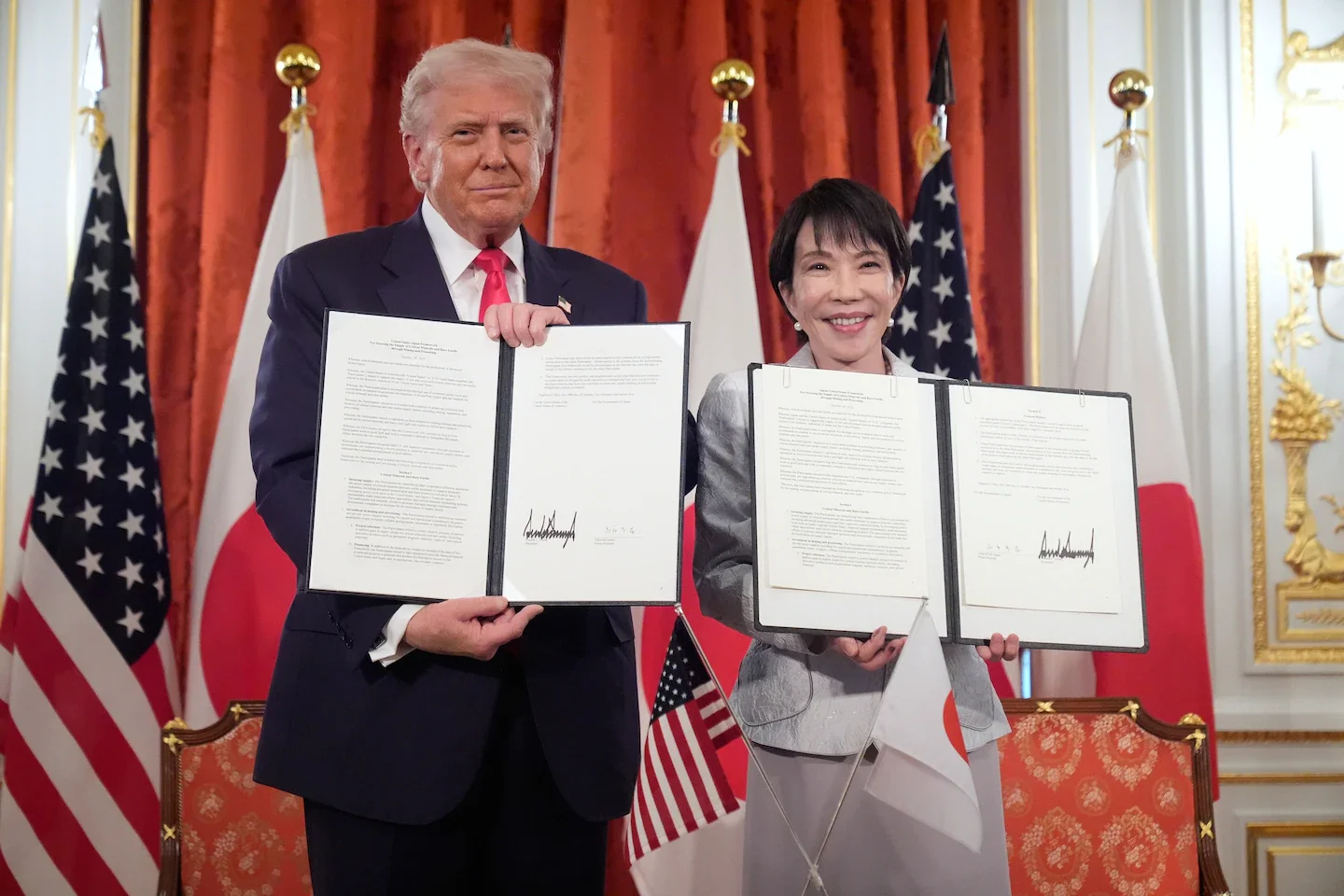
President Trump signed a rare earth minerals deal with Japan amid ongoing trade discussions with China, signaling a potential shift in international relations and resource strategy.
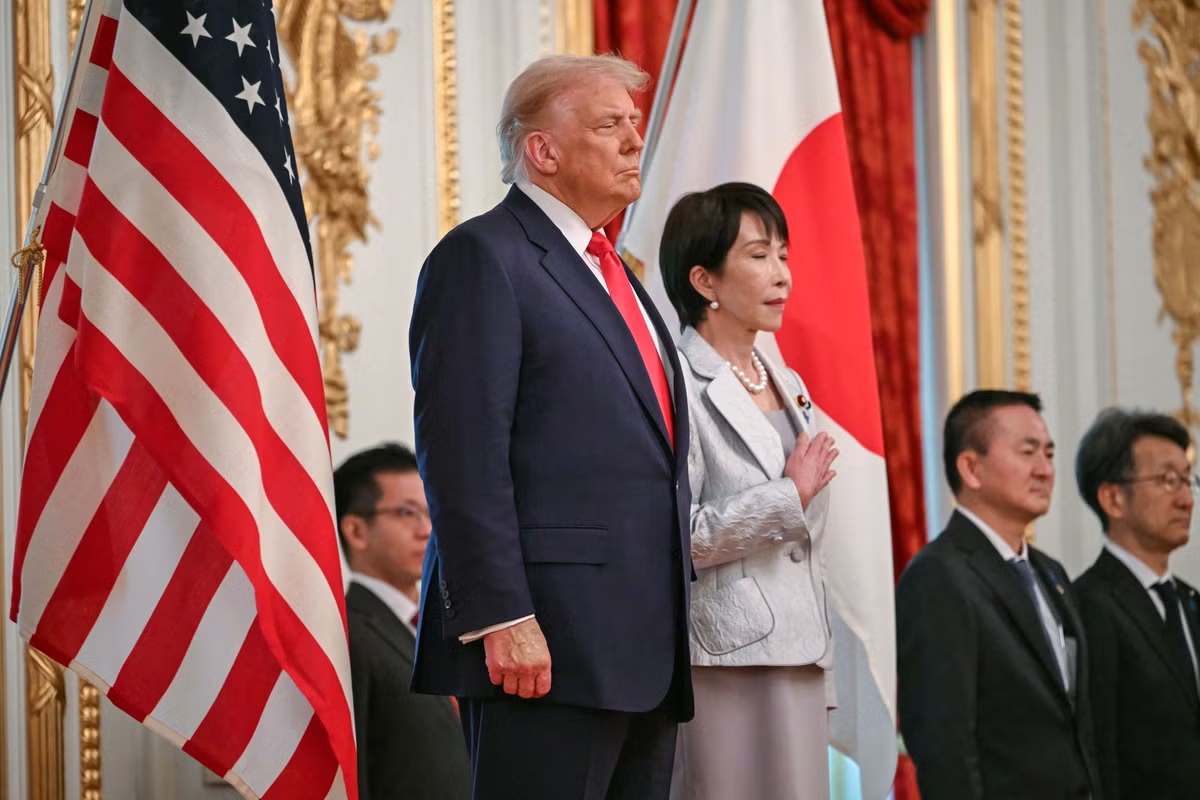
President Donald Trump is visiting Japan, meeting with Prime Minister Sanae Takaichi, signing agreements to strengthen US-Japan relations and secure critical minerals amid China’s export restrictions, while also addressing his health with an MRI scan and engaging in diplomatic activities during his Asia tour.
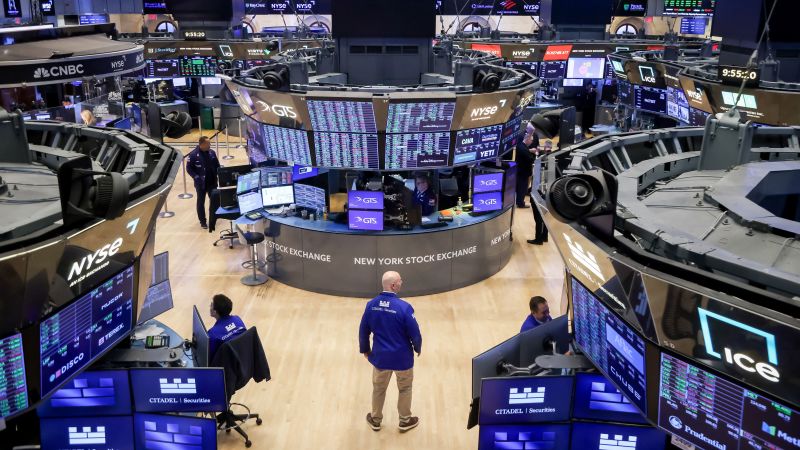
US stock futures rose following an agreement on a trade deal framework between US and Chinese officials, potentially avoiding a significant tariff hike, amid expectations of a Federal Reserve interest rate cut and ongoing trade tensions involving rare-earth minerals and agricultural exports.
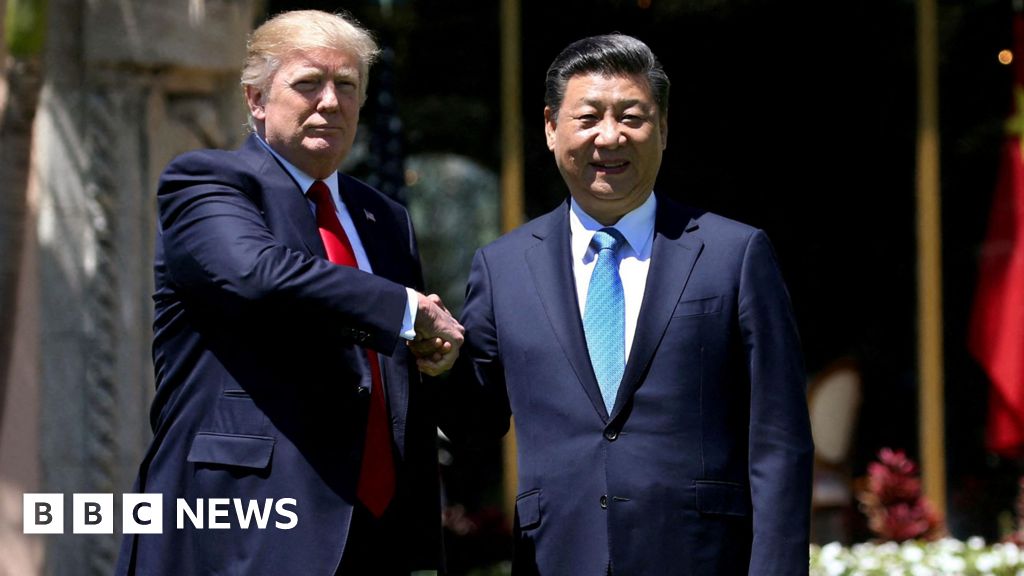
The US and China have agreed on a framework for a trade deal, including resolving issues around TikTok's US operations, delaying tariffs on Chinese goods, and resuming soybean purchases, aiming to de-escalate their trade war ahead of a meeting between President Trump and Xi Jinping.
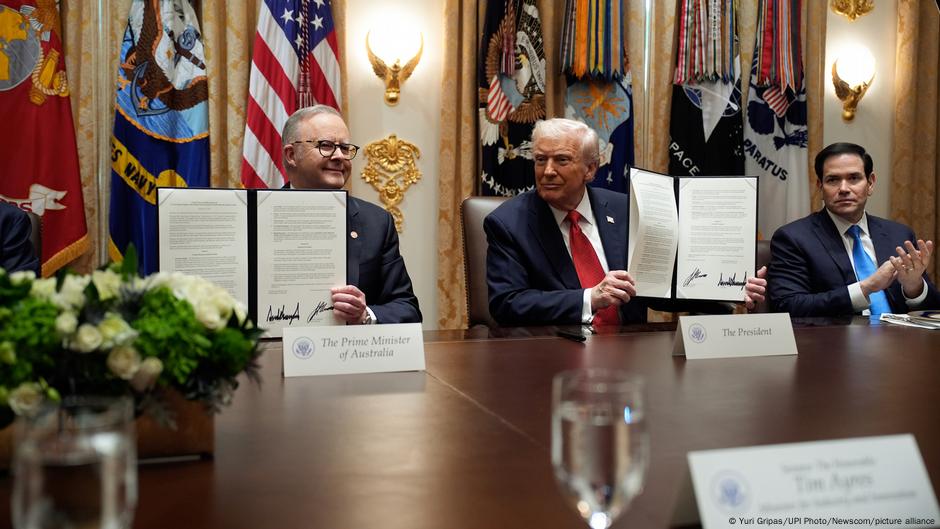
US President Donald Trump and Australian Prime Minister Anthony Albanese signed an $8.5 billion agreement on rare earth minerals, with joint investments to boost mining and processing, amid China's export restrictions. Trump also expressed support for the AUKUS nuclear submarine deal and signed a critical minerals pact, while an awkward exchange with Australian ambassador Kevin Rudd highlighted tensions.
The G7 countries are working to coordinate a response to China's recent export restrictions on critical minerals, which are vital for green and defense industries, aiming to diversify supply chains and reduce dependence on China.
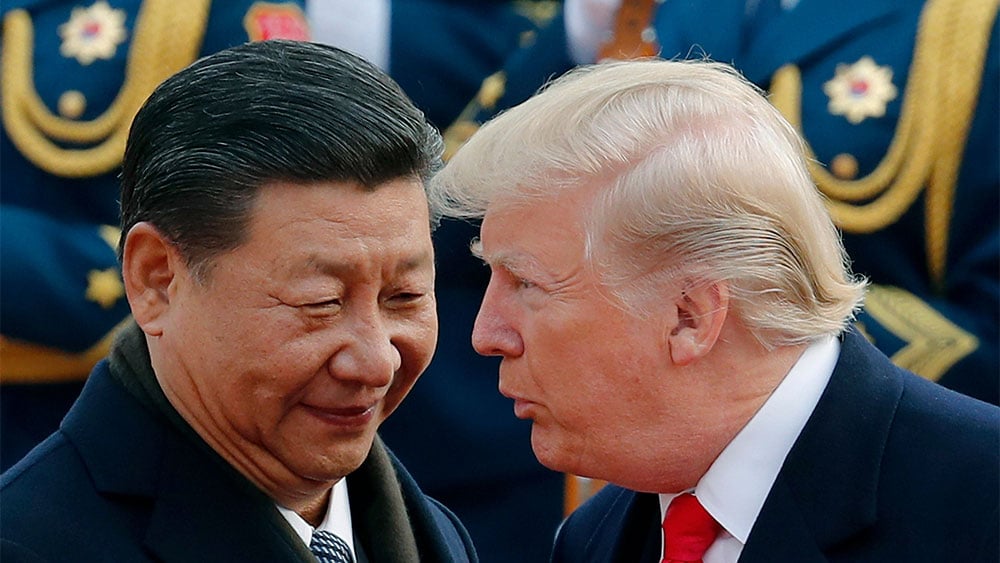
China, under Xi Jinping, has leveraged its dominance in rare-earth minerals to counter US trade measures, signaling a shift in global power dynamics and showcasing China's strategic use of critical resources to assert independence and influence in international affairs.
China has expanded restrictions on rare earth minerals, crucial for technology and defense, escalating tensions with the US just before a planned meeting between President Trump and Xi Jinping. The move is seen as a strategic effort to increase leverage in trade negotiations, prompting threats of tariffs from the US and raising concerns about global supply chains and national security.
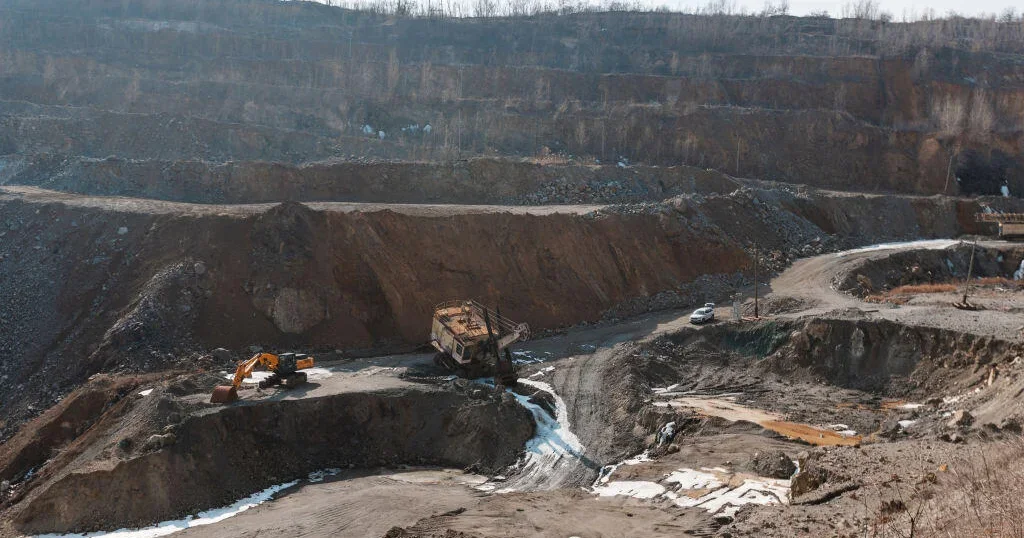
Trump plans to increase government involvement in key sectors, especially domestic mining and processing of rare earth minerals, to strengthen U.S. competition against China.
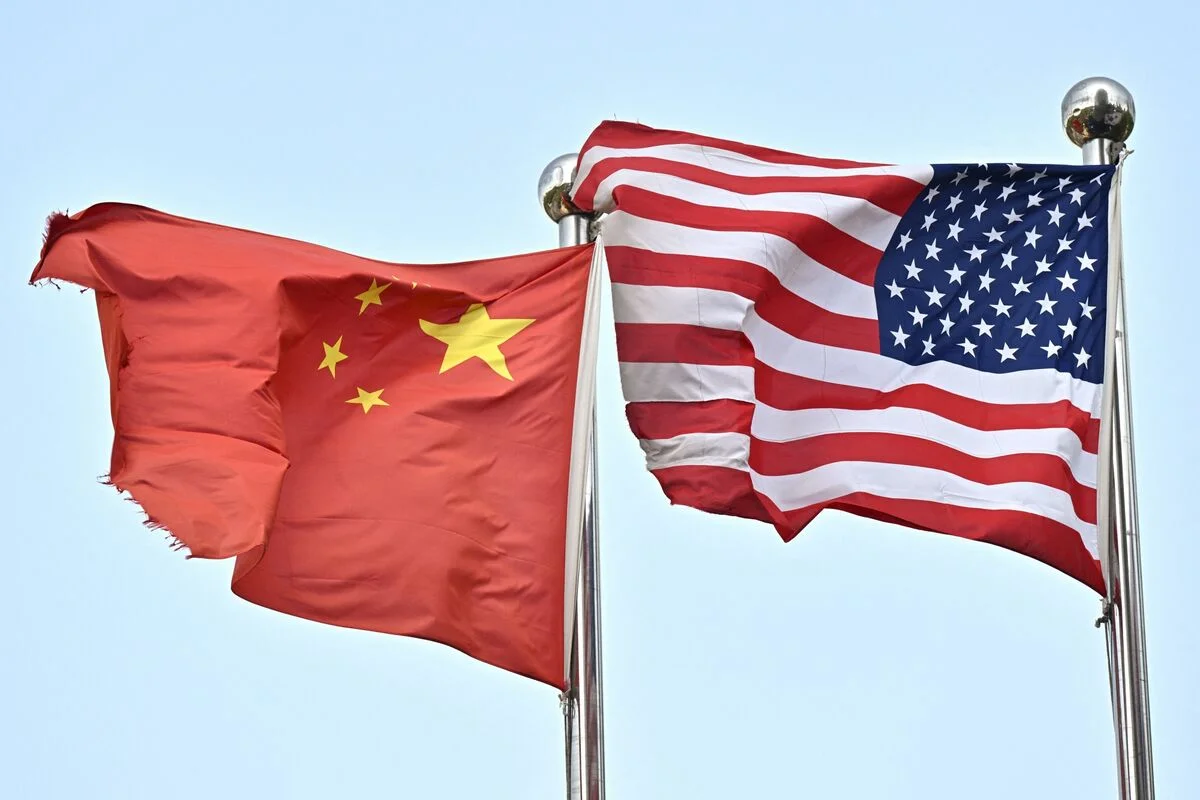
The US and China are in a deepening trade standoff, with China imposing restrictions on rare-earth mineral exports, which the US views as a power move. US officials, including Bessent and Greer, warn China that the US and its allies will not be controlled and are considering a unified response. The situation remains tense, with potential for renewed tariffs and ongoing negotiations.
MP Materials and other rare-earth miners' stocks surged due to China's export restrictions and US retaliation threats, with MP reaching a 52-week high, amid broader trade tensions and increased domestic production efforts in the US for critical minerals used in high-tech and electric vehicle industries.