The White House remains optimistic about U.S.-China trade relations despite the October deal's text being unavailable, with signs of ongoing negotiations and some discrepancies in trade commitments, particularly regarding soybean purchases, highlighting the informal nature of the agreement and ongoing tensions.
U.S. and China have reached a tentative agreement that reduces tariffs, resumes soybean trade, and temporarily pauses export controls and port fees, aiming to stabilize their economic relationship despite ongoing uncertainties and unresolved issues. The deal is seen as a step back from previous tensions, but critics argue it offers limited substantive gains and leaves long-term challenges unaddressed.
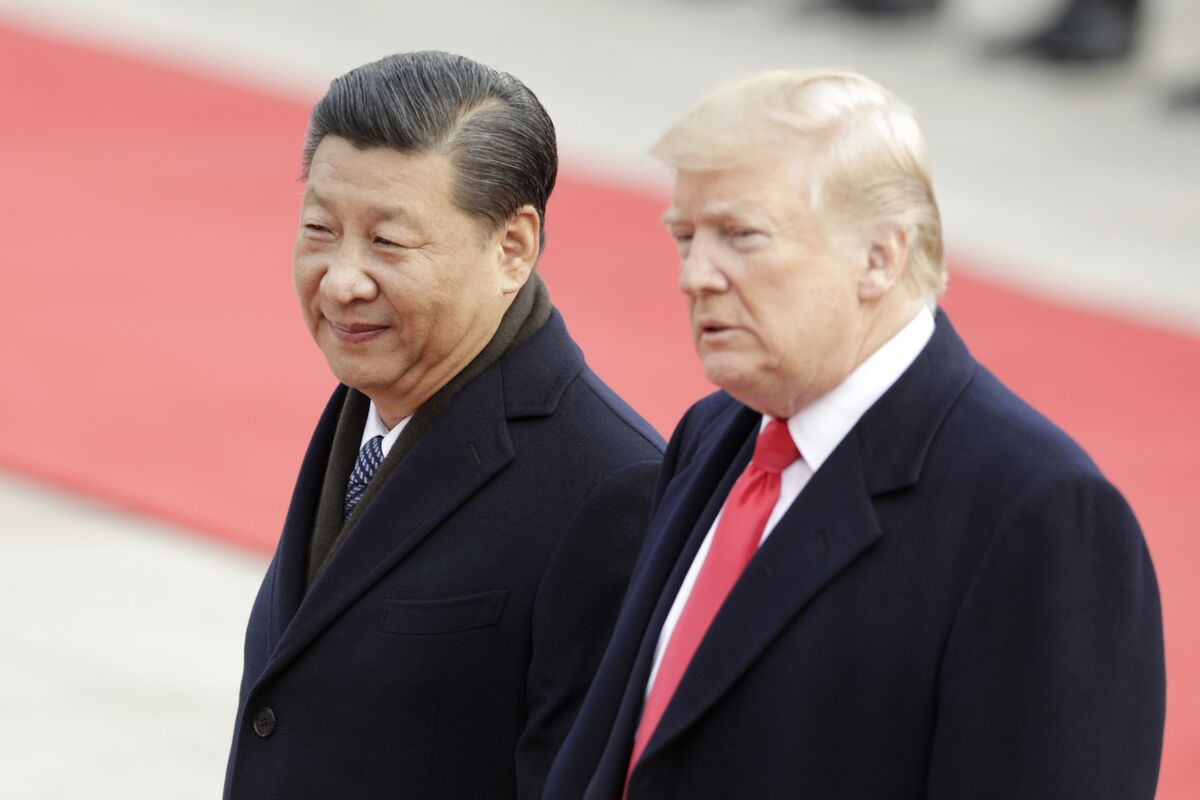
President Trump claims to have reached agreements with China's Xi Jinping on issues including tariffs, rare earths, fentanyl, and soybeans, signaling potential progress in US-China relations.
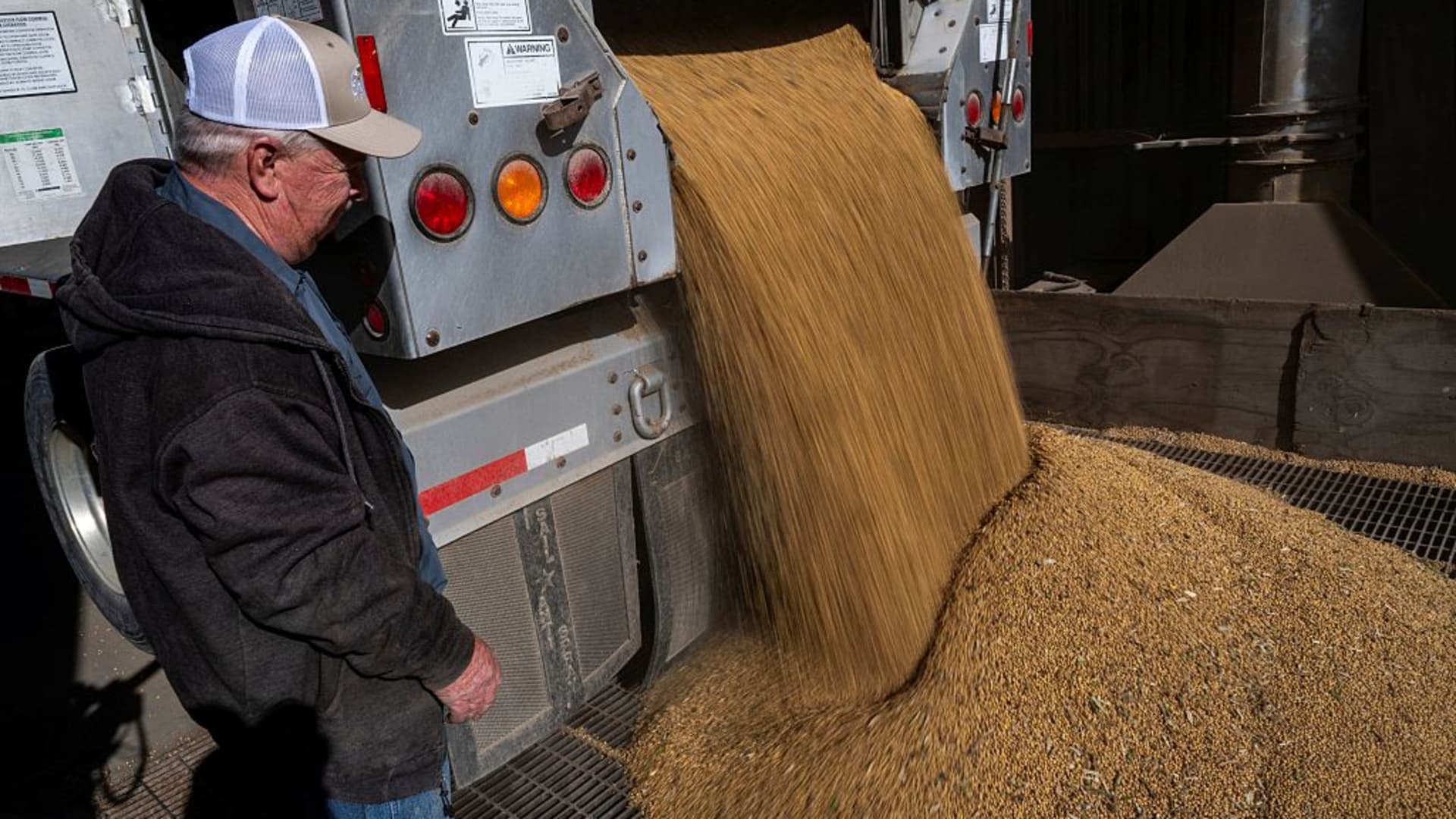
China has agreed to purchase 25 million metric tons of U.S. soybeans annually over three years, starting with a 12 million metric ton purchase by January, improving trade relations and benefiting U.S. soybean farmers.
The US and China are making progress towards a détente, addressing issues like rare earths, soybeans, and export controls, with signs of easing tariffs and tensions, though fundamental disagreements remain and full resolution is unlikely before the upcoming summit.
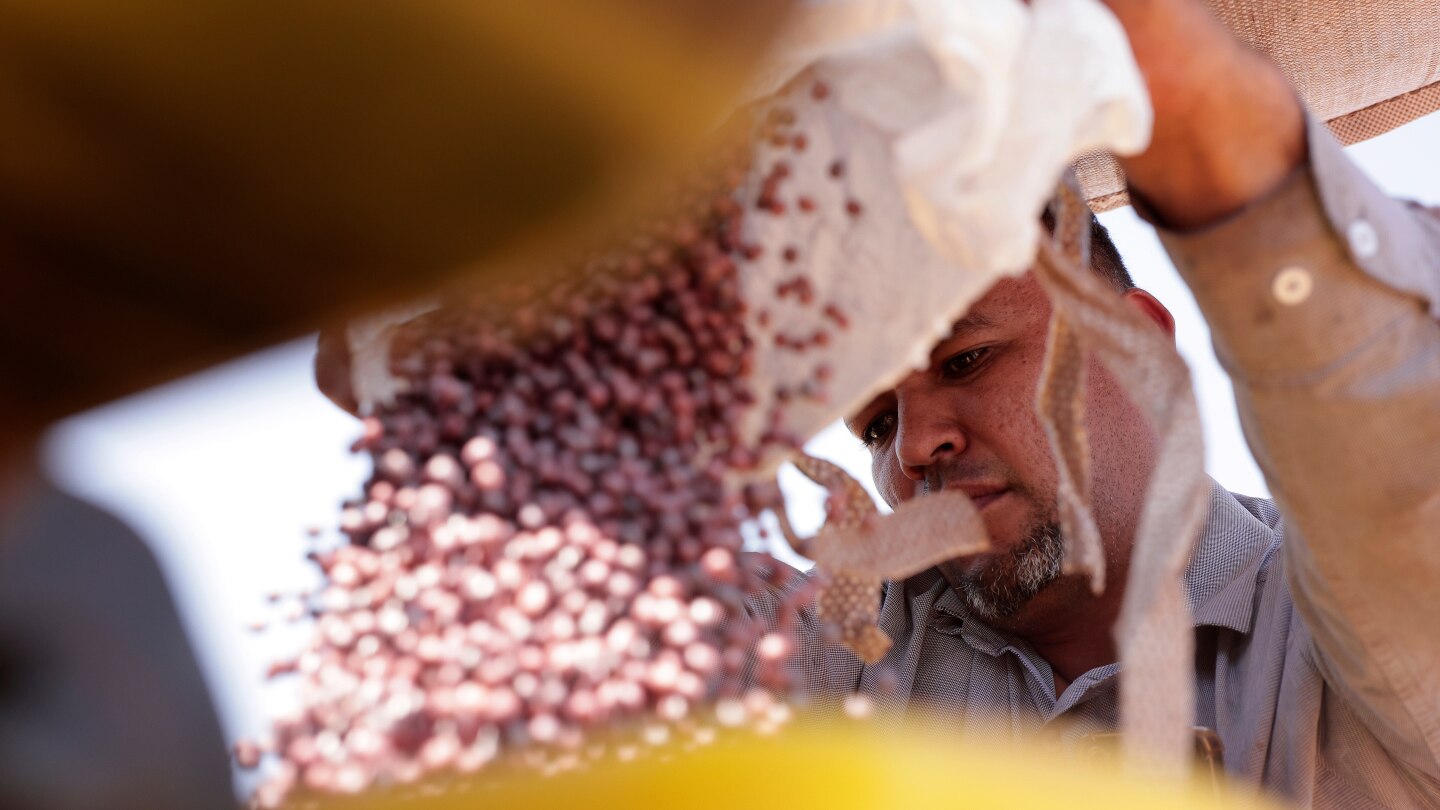
The US-China trade war has led China to increase soybean imports from Brazil, boosting Brazilian farmers' optimism and production, while US farmers face challenges due to reduced Chinese demand and higher tariffs on US soybeans.
Treasury Secretary Scott Bessent indicated that the US and China are moving towards de-escalating their trade tensions, with China expected to make substantial soybean purchases and avoid an additional 100% tariff, while some export restrictions may remain in place.
The US and China have reached a preliminary trade framework involving substantial US soybean purchases, a delay in China's expanded rare earth licensing, and discussions on other issues like TikTok, fentanyl, and trade expansion, with leaders expected to meet soon to finalize agreements amid ongoing trade tensions.
The upcoming US-China summit, including President Trump's meeting with Xi Jinping, is highly anticipated for its potential to stabilize markets and impact sectors like rare earths, defense, agriculture, and currencies. Key issues include trade negotiations, rare earth export restrictions, Taiwan's security, transshipment tariffs, and soybean trade, with outcomes likely influencing regional markets and currency valuations.
US soybean farmers are suffering due to China's ban on buying American soybeans amidst the China-US trade war, leading to financial distress and calls for a trade deal, with potential for soybean negotiations to pave the way for broader agreements.
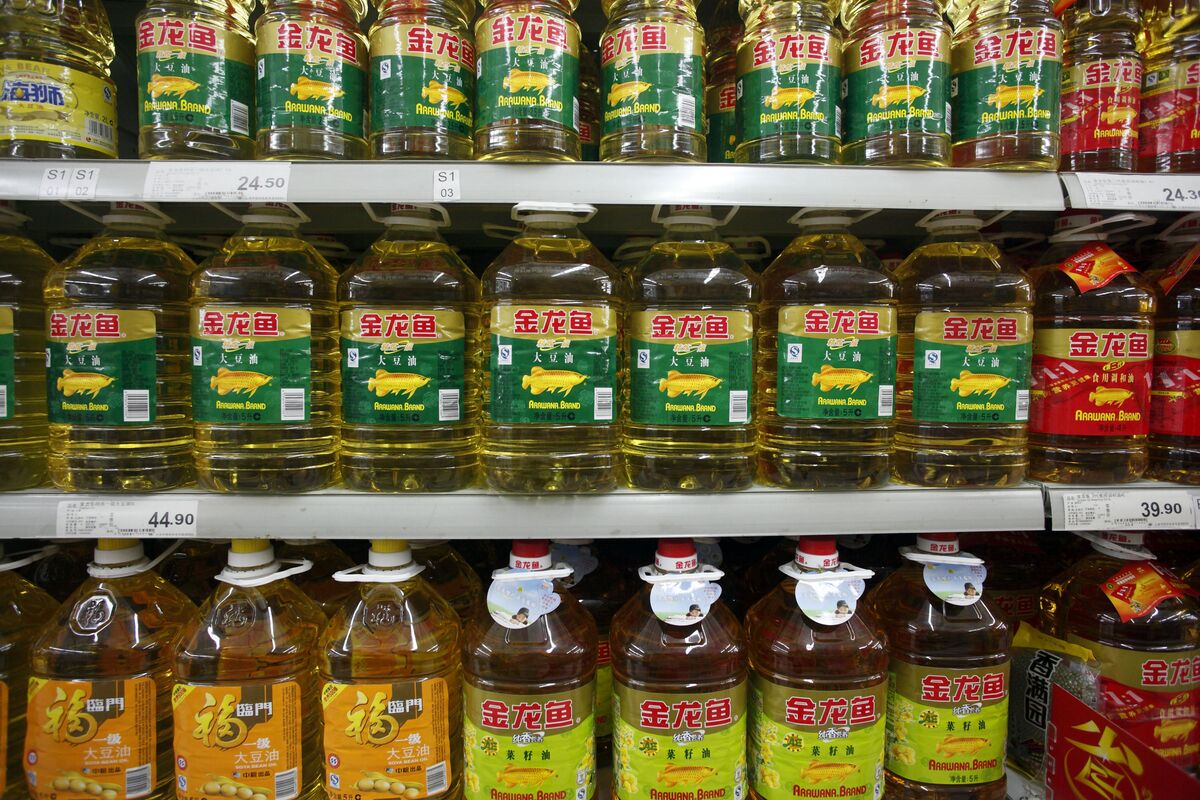
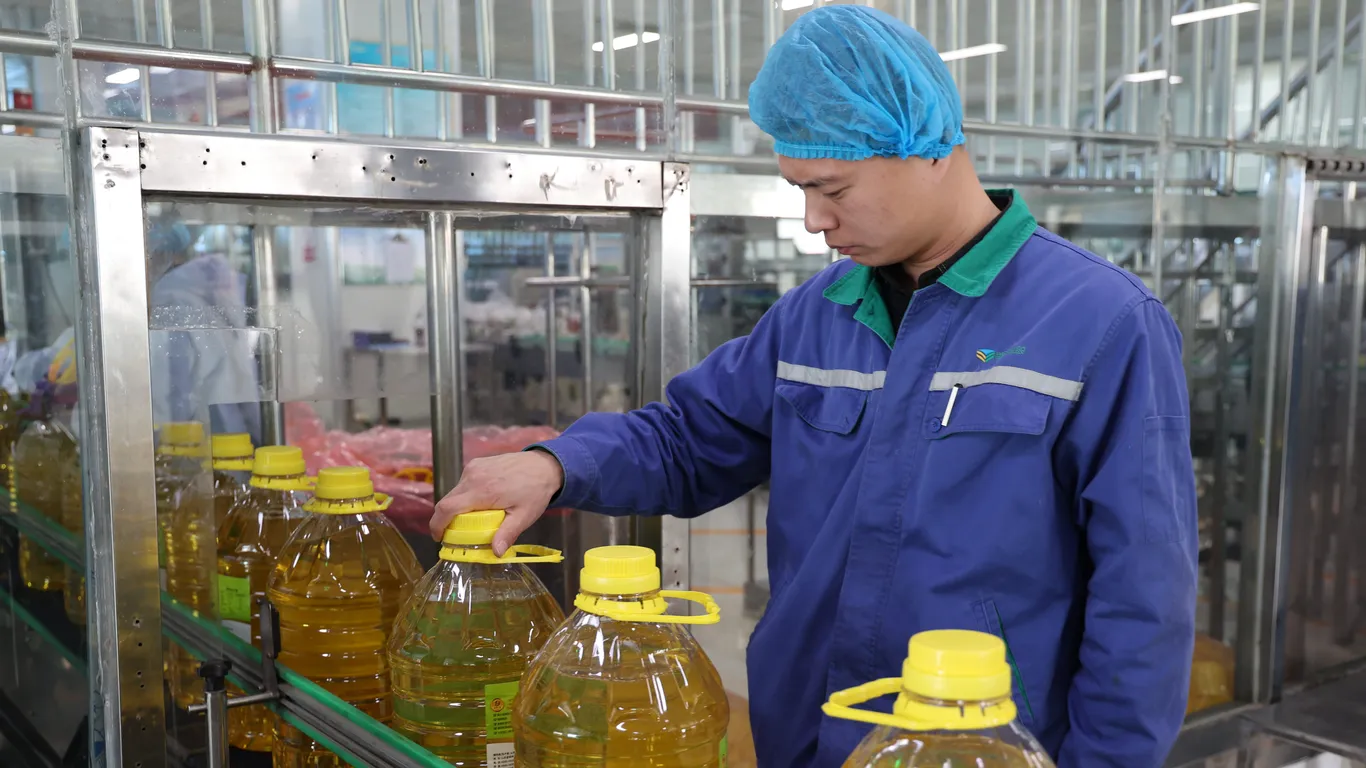
US President Donald Trump threatened to halt trade in cooking oil with China as retaliation for Beijing's refusal to buy American soybeans, escalating tensions amid ongoing trade negotiations and concerns over agricultural and trade policies between the two nations.
President Trump threatened to cut off U.S. imports of cooking oil from China amid escalating trade tensions, which could impact consumers and reflect broader conflicts over soybean exports and tariffs between the two countries.
President Trump threatened to cut off business with China related to cooking oil and other trade elements in retaliation for China's refusal to buy U.S. soybeans, amid ongoing trade tensions and market volatility.
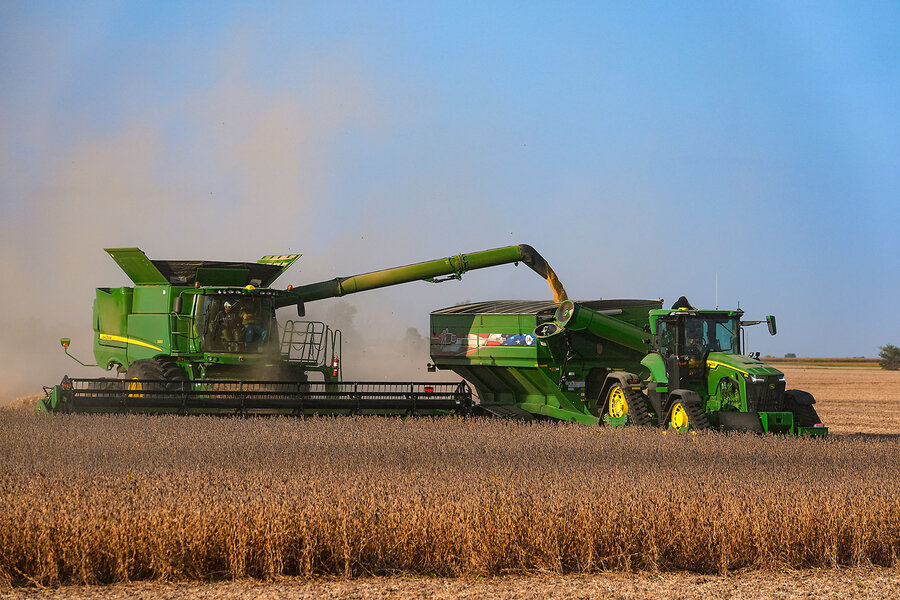
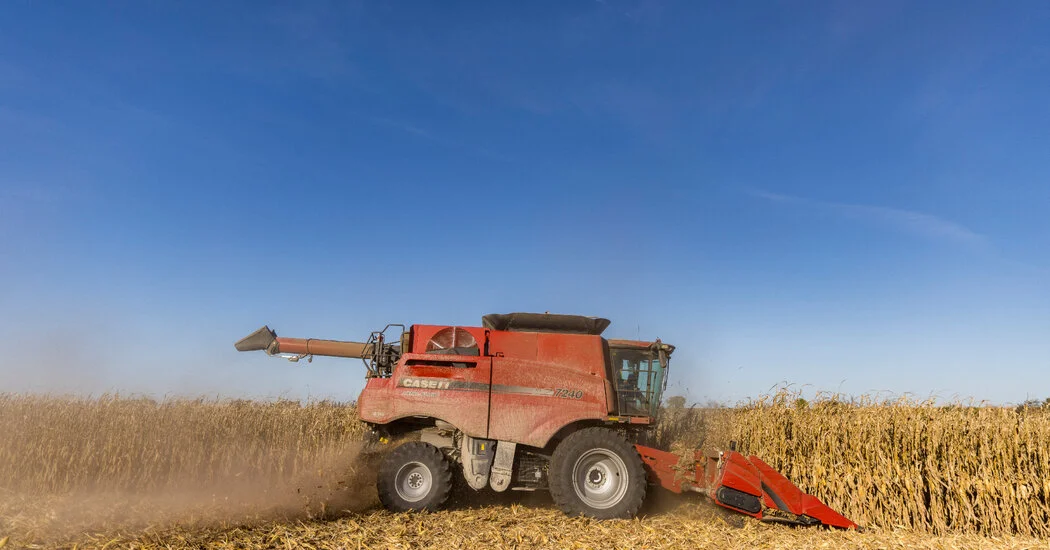
US soybean farmers are facing economic uncertainty due to the trade war with China, which has drastically reduced China's soybean purchases, their main export market, leading to financial strain on farmers and calls for trade reform and aid.
President Trump is considering a bailout of $10-14 billion for American farmers affected by his trade war, tariffs, and labor shortages, with discussions focusing on using tariff revenue or a 'slush fund' to provide aid, especially to soybean farmers suffering from China's embargo and global trade tensions.