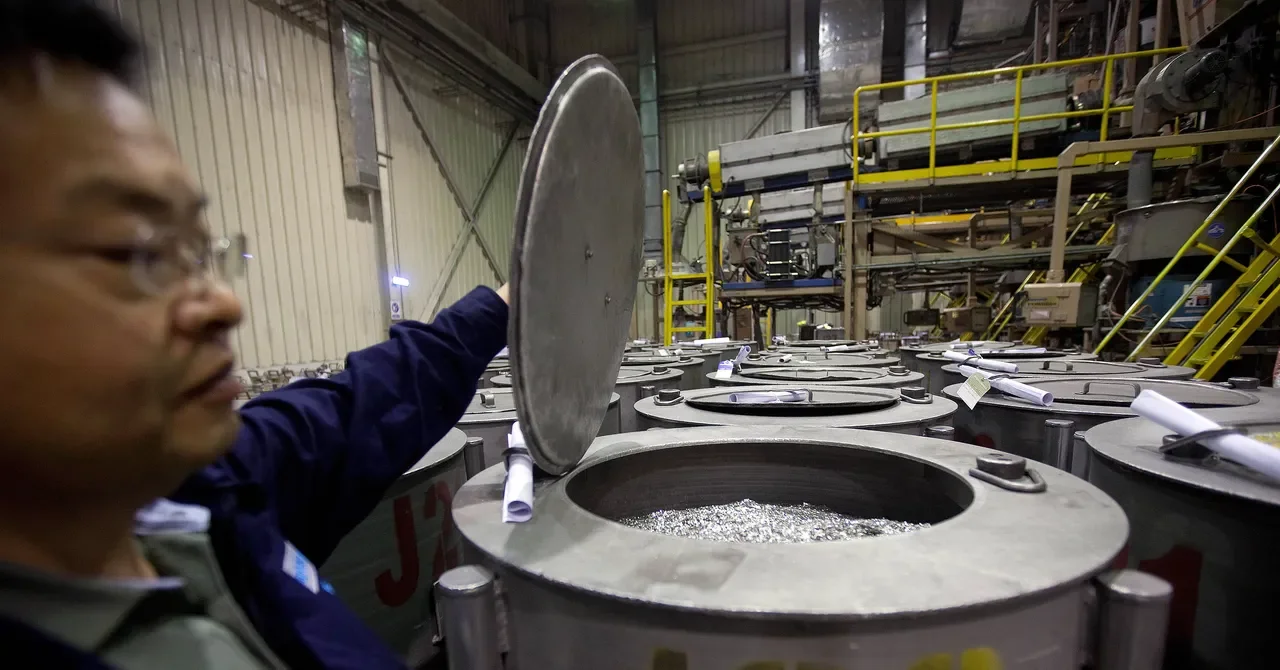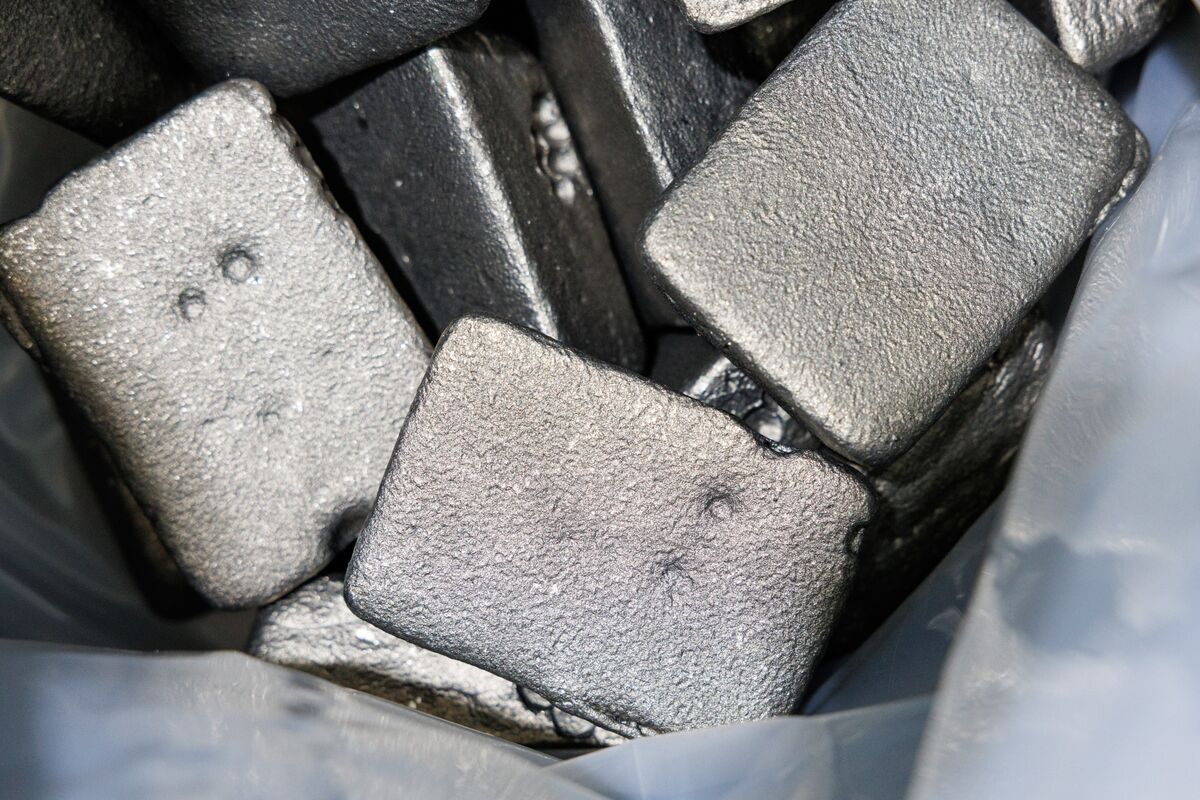
Tensions between the US and China over yttrium, a crucial rare earth metal used in advanced technologies, are escalating due to China's export restrictions and control over the global supply chain, threatening to slow down industries like aerospace and semiconductors. The US is attempting to diversify sources and develop domestic production, but China's dominance and strategic measures pose significant challenges to global technological progress.
Tensions between the US and China in the South China Sea have escalated, highlighted by recent incidents involving the USS Nimitz and its aircraft, amid ongoing disputes over territorial waters like Scarborough Shoal.
China's September exports of rare earth products declined due to new export controls aimed at tightening the supply of these strategic minerals, which are vital for high-tech and military applications, escalating tensions with the US and prompting global concern over supply security.
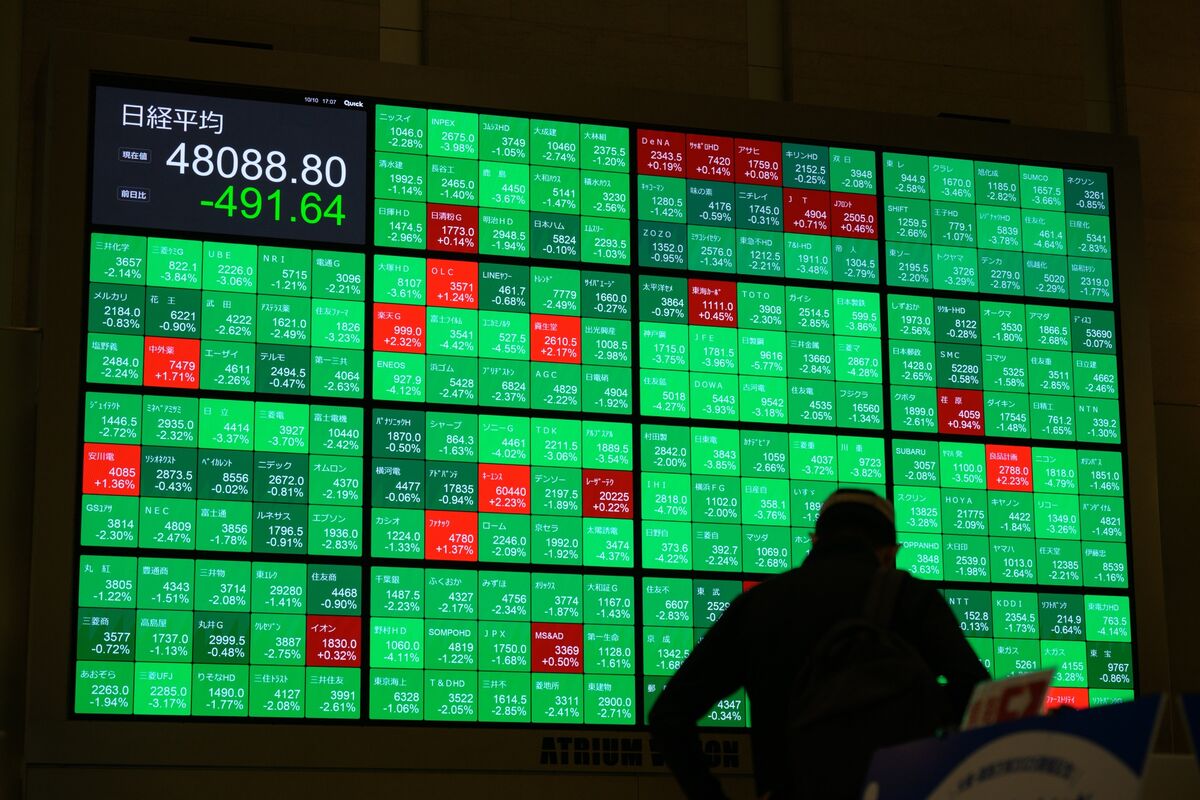
Global markets experienced declines amid concerns over US regional bank stability, rising gold prices, and geopolitical tensions, with US stocks and Asian markets showing caution. Bond yields fell, and the US dollar weakened, reflecting investor nervousness about credit quality and economic outlooks.
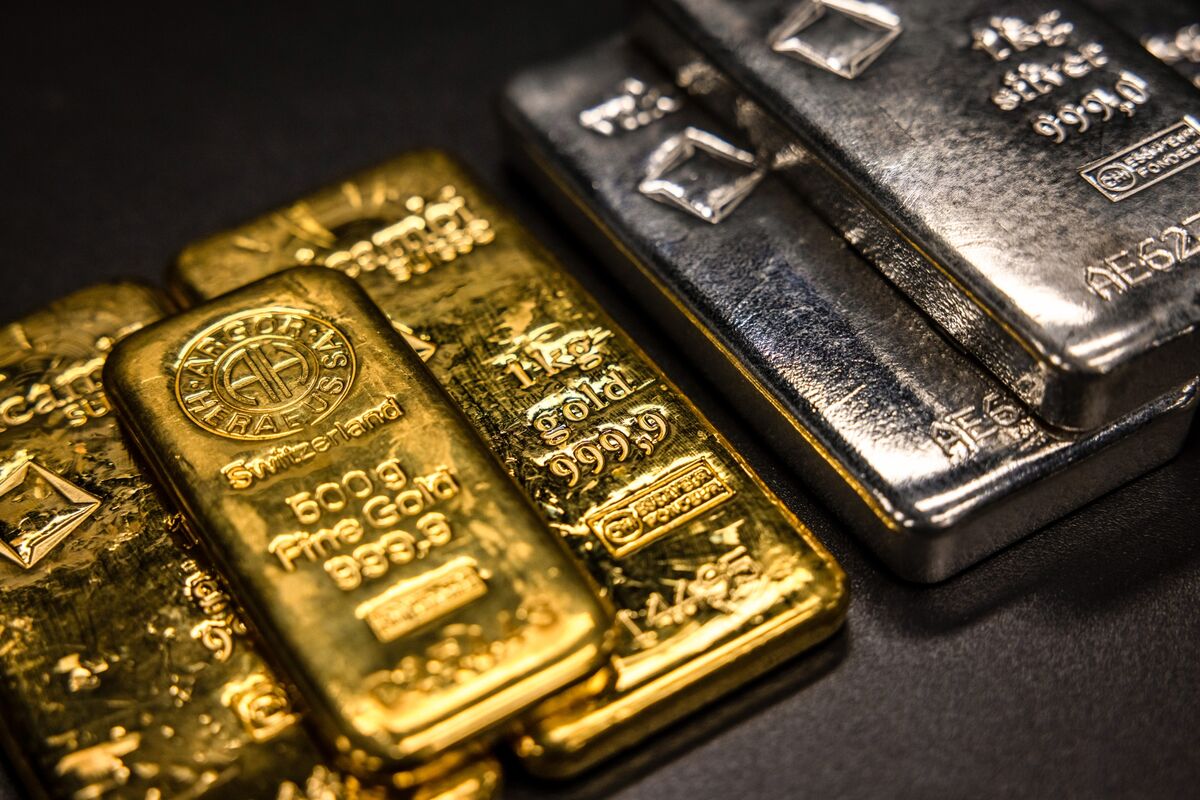
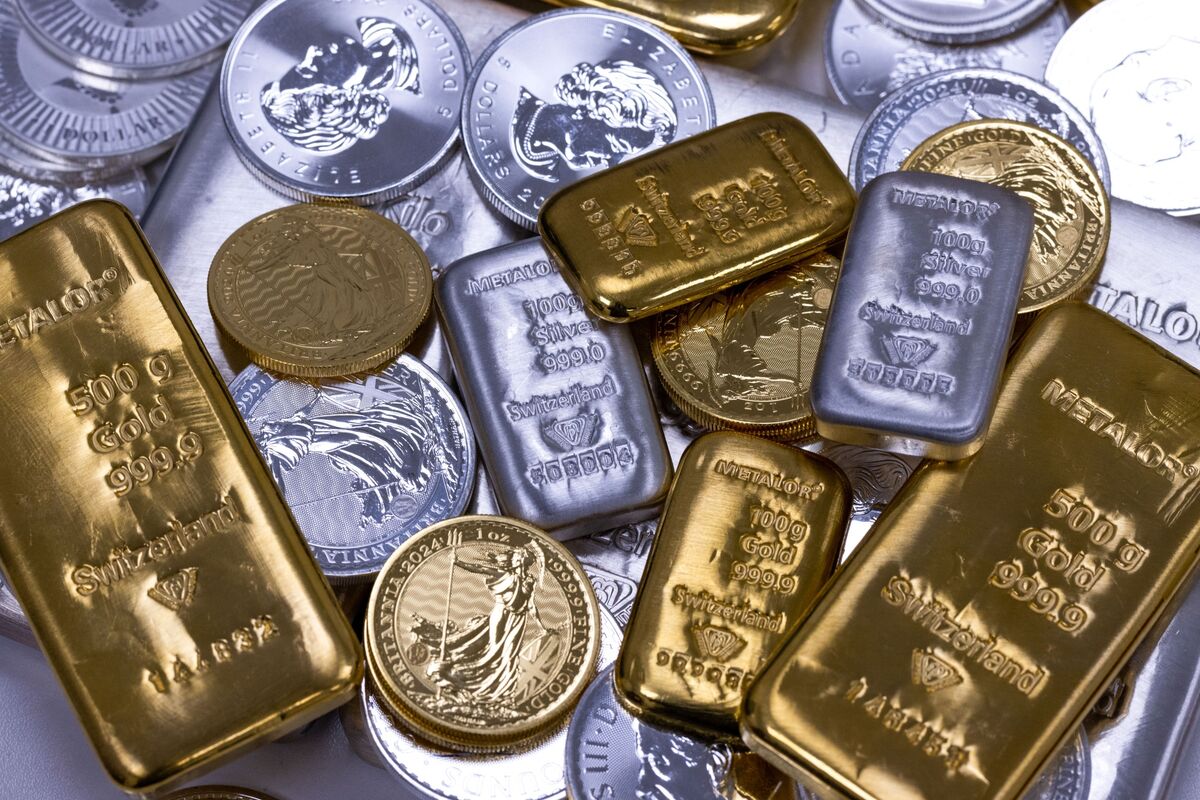
Gold and silver reached record highs due to fears over US credit quality and US-China tensions, with increased demand for safe havens driven by geopolitical issues, credit concerns, and expectations of US rate cuts, fueling a significant rally in precious metals.
Escalating US-China tensions and signals from the Federal Reserve about rate cuts have driven gold and silver to historic highs, reflecting investor concerns over geopolitical instability, currency trust, and economic uncertainty, with central banks and investors increasingly viewing gold as a safe haven asset amid global crises.
Dow Jones futures rose slightly amid mixed stock market signals influenced by US-China tensions and Fed rate-cut expectations, with notable moves in Walmart and Nvidia, while the market remains volatile and cautious for new investments.
US stocks experienced mixed movements amid escalating US-China trade tensions and the start of Q3 earnings reports from major banks. The Dow and S&P 500 rose slightly, while Nasdaq declined. Key corporate developments included Walmart's AI partnership, JPMorgan's earnings, and Nova Minerals' US interest. The market also saw significant activity in critical minerals, AI chip deals, and a surge in gold and silver prices, reflecting ongoing geopolitical and economic uncertainties.
The cryptocurrency market lost over $150 billion in value amid renewed US-China tensions and a series of liquidations, with Bitcoin and Ether experiencing significant declines, leading to broader market uncertainty and a drop in related equities.
Rare earth stocks in Asia and the US surged due to escalating US-China tensions and China's expanded export restrictions on key minerals, boosting investor interest in alternative suppliers.
Rare earth stocks surged due to increased US-China tensions over critical mineral exports, prompting Western policymakers to seek alternative supply sources, including Australia's potential strategic minerals reserve, amid fears of supply disruptions.
Oil prices rebounded by about 1% after hitting five-month lows, amid hopes that upcoming US-China talks could ease trade tensions that have recently impacted the energy market, with geopolitical developments and potential negotiations influencing market sentiment.
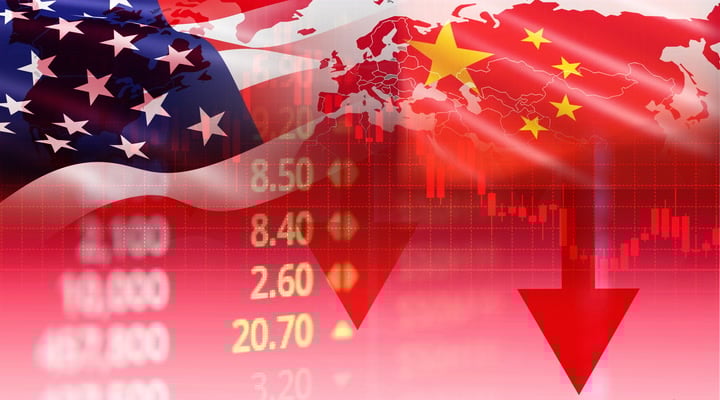
Chinese stocks listed in the U.S. fell sharply after Donald Trump threatened to increase tariffs on Chinese imports and accused China of holding the world 'captive' through rare earth metals, reflecting renewed tensions between the two countries amid ongoing trade and security disputes.
Residents of Guam are increasingly concerned about China's military advancements, including new missile capabilities dubbed the 'Guam Killer,' amid rising geopolitical tensions and China's display of military power, though US military preparations aim to bolster defense and reassure the local population.
The article discusses the recent thaw in India-China relations amid shifting geopolitical dynamics, including India's efforts to balance its ties with China and the US, and the impact of US tariffs and policies under Trump. It highlights how improved India-China relations could influence regional trade, strategic alliances like the Quad, and US influence in Asia, while also noting ongoing challenges and the complex interplay of strategic autonomy and regional power plays.