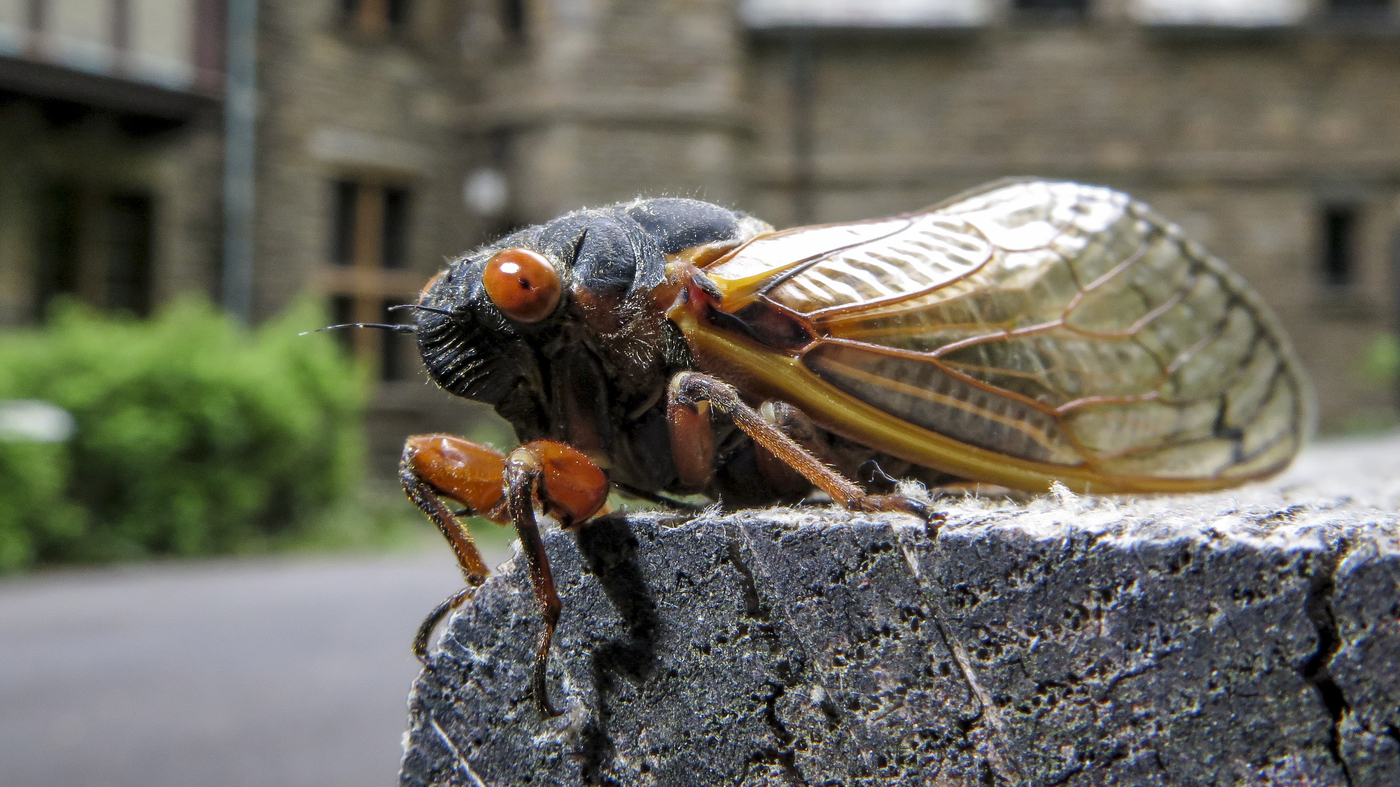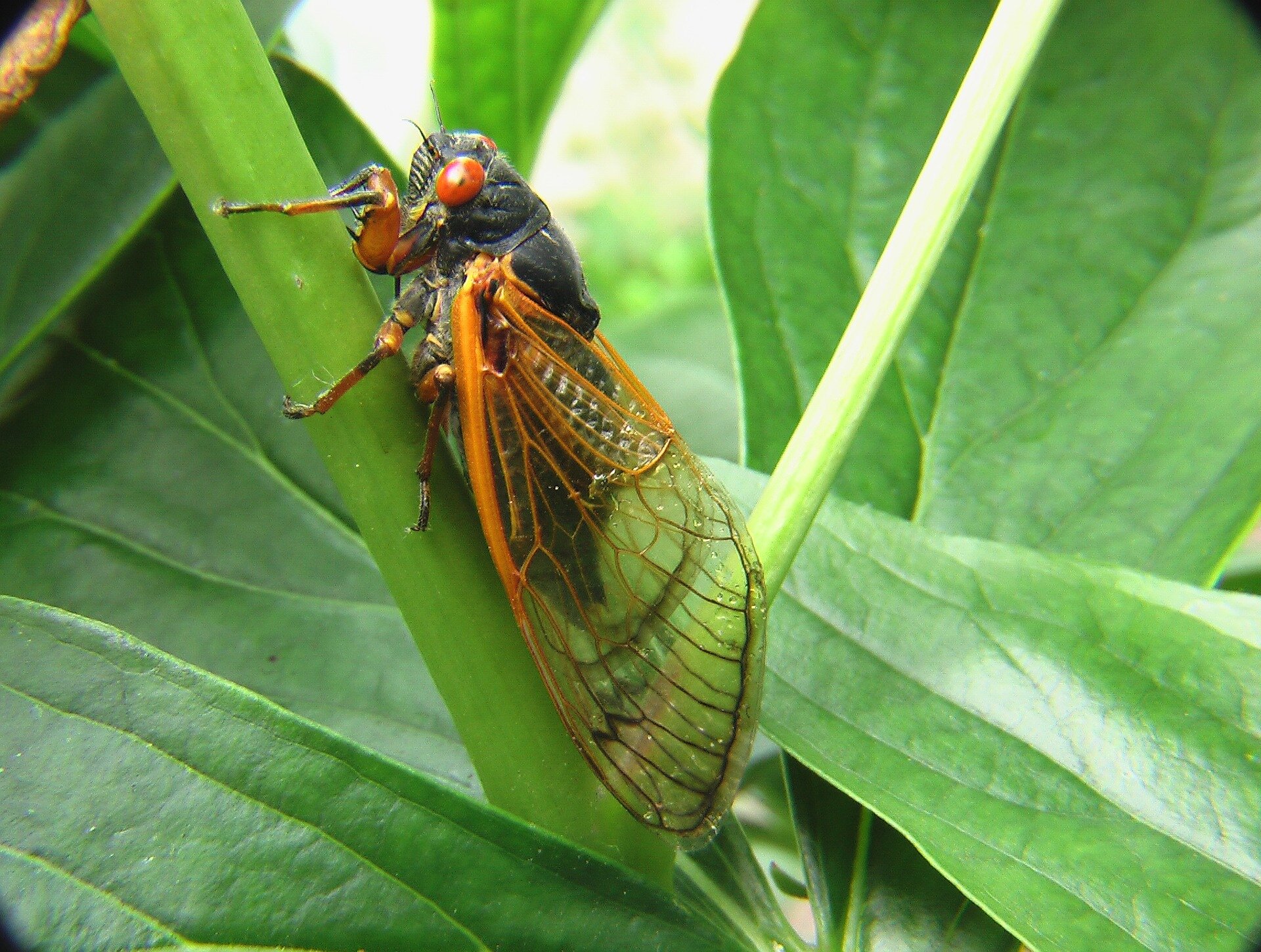
Periodical cicadas, set to infest the Southeast and Midwest, are known for their exceptional urination abilities and are being ravaged by a sexually transmitted fungus that turns them into "zombie" insects, causing their private parts to fall off. This fungus sterilizes the cicadas and uses them to spread to others, while also having hallucinatory effects on birds that eat them. Additionally, these insects are the strongest urinators in the animal kingdom, with flow rates surpassing those of elephants and humans, and they play a role in rescuing caterpillars.
Urologist Dr. Yaniv Larish asks every patient if their bladder is "nice," as it can reveal a lot about their health. He emphasizes the importance of relaxation during urination and advises being attuned to changes in urination frequency and appearance. Larish also discusses signs of potential issues, such as blood in the urine, mucus, or passing gas while urinating, and offers tips for maintaining urologic health, including staying hydrated and seeking expert opinion for any concerning changes.
New research on cicadas reveals that these insects urinate in jets rather than droplets, defying expectations based on their size and diet. The surprising findings have implications for manipulating fluids at small scales, with potential applications in 3D printing, drug delivery, disease diagnostics, and space exploration. The study challenges existing theories about urination in small organisms and extends our understanding of fluid dynamics in the animal kingdom.
A new study reveals that cicadas expel jets of urine instead of droplets, a behavior that challenges traditional understanding of waste elimination in insects. Research on the glassy-winged sharpshooter showed that this "superpropulsion" mechanism conserves energy and reduces the likelihood of detection by predators. This unconventional excretion strategy is not unique to the sharpshooter, as other insects also employ various methods such as "frass-shooting" and "turd-hurling." The study sheds light on the fascinating fluid dynamics of insect waste release and its ecological implications.
Researchers at Georgia Tech have observed cicadas urinating in jets, challenging previous paradigms about insect urination. The study disproved the belief that smaller animals pee in droplets due to energy constraints, as cicadas, despite their size, expel urine in jets. This discovery offers new insights into fluid dynamics and could have implications for bio-inspired engineering, soft robotics, and bio-monitoring applications. The research, published in Proceedings of the National Academy of Sciences, provides a framework for understanding fluid ejection across species, from microscopic fungi to colossal whales, and sheds light on the fundamental principles governing excretory processes in living systems.
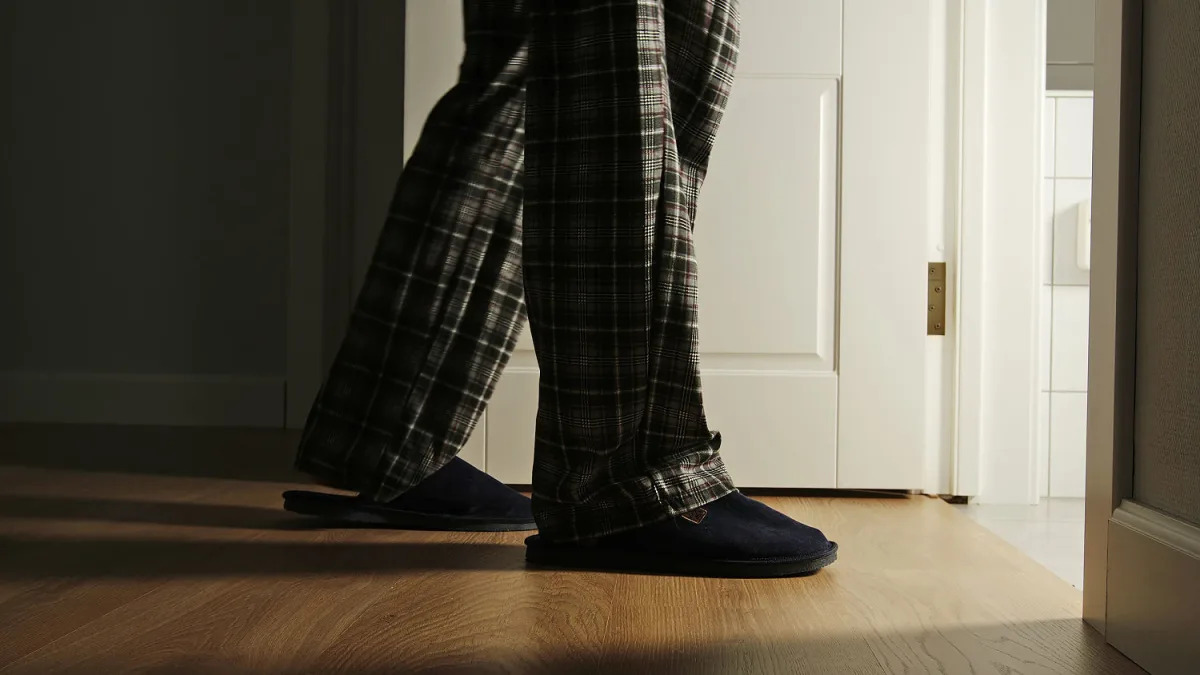
Nocturia, or waking up to pee multiple times at night, is a common issue that can disrupt sleep and may indicate an underlying health condition. Possible causes include drinking too many fluids, overactive bladder, infections, prostate enlargement, diabetes, medications, and sleep disorders. Nocturia can lead to sleep deprivation and increase the risk of various health issues. Managing fluid intake, using the bathroom before bed, and seeking medical advice for persistent nocturia are recommended strategies.
A study suggests that adults who watch five or more hours of TV or videos per day are more likely to experience nocturia, waking up multiple times during the night to urinate. This condition can disrupt sleep patterns and have negative effects on overall health. Experts recommend reducing screen time, managing fluid intake, and seeking medical advice to address the issue.
Needing to urinate frequently can be a sign of various health issues, including diabetes, bladder infections, an enlarged prostate, menopause, gynecological problems, pelvic floor issues, and the natural aging process. Increased urination accompanied by excessive thirst, unexplained weight loss, fatigue, pain during urination, cloudy or strong-smelling urine, or urinary incontinence should be evaluated by a healthcare professional. Managing symptoms and seeking medical advice, including tests if necessary, can help identify and address underlying causes.
Associate Professor Tim Moss addresses common questions about the aging penis, debunking myths and providing insights. He explains that challenges with urination are usually caused by an enlarged prostate gland or weakened bladder muscles, rather than the penis itself. While men experience physiological changes with age, they do not go through a male menopause like women do. Male fertility decreases with age, and there is a link between a father's age and neurodevelopmental problems in children. Erectile dysfunction is caused by physical health problems and worsened nerve and blood vessel function, not solely by aging. Libido can fluctuate due to various factors, and the sensations experienced during sex may change. Staying fit and healthy is the best way to prevent or slow down the associated changes in the penis. Smoking and excessive alcohol consumption are detrimental to penile health, and seeking medical help for any concerning symptoms is crucial.
A urologist has shared three hacks to help men reduce nighttime urination. These include avoiding drinking water before bed, as it quickly fills the bladder; wearing knee-high stockings to reduce fluid retention in the legs; and avoiding alcohol, which suppresses the anti-urine production hormone. The urologist explained that nocturia, or waking up to urinate at night, is often caused by the normal enlargement of the prostate, which puts pressure on the bladder. These simple modifications can help men get an uninterrupted night of sleep.
The phenomenon known as "latchkey incontinence" explains why many people feel the urge to pee when they get close to home. This situational cue triggers the need to urinate, especially for those with overactive bladder or urgency urinary incontinence. The brain and bladder communicate to regulate urination, with the brain sending signals to the bladder about when to contract. As one approaches a bathroom, the brain reduces inhibitory signals, making the urge to urinate stronger. The association between arriving home and needing to pee can become stronger over time. Home provides comfort and safety, making people more comfortable using the bathroom there compared to public restrooms. Cognitive behavioral therapy and distraction techniques can help manage latchkey incontinence if it affects one's quality of life.
The frequency of urination varies from person to person, but on average, a healthy adult urinates about 6 to 8 times per day. Factors such as bladder size, fluid intake, medications, and health conditions can affect urination patterns. It is important to pay attention to any changes in urination habits, as it could indicate an underlying issue. Conditions such as overactive bladder, diabetes, urinary tract infections, kidney damage, pregnancy, obstructive sleep apnea, heart disease, and enlarged prostate can all impact urination frequency. Maintaining proper hydration, limiting caffeine and alcohol intake, consuming fiber-rich foods, and practicing pelvic floor exercises can help regulate urination. If experiencing bothersome or disruptive urination habits, it is recommended to consult a healthcare provider.