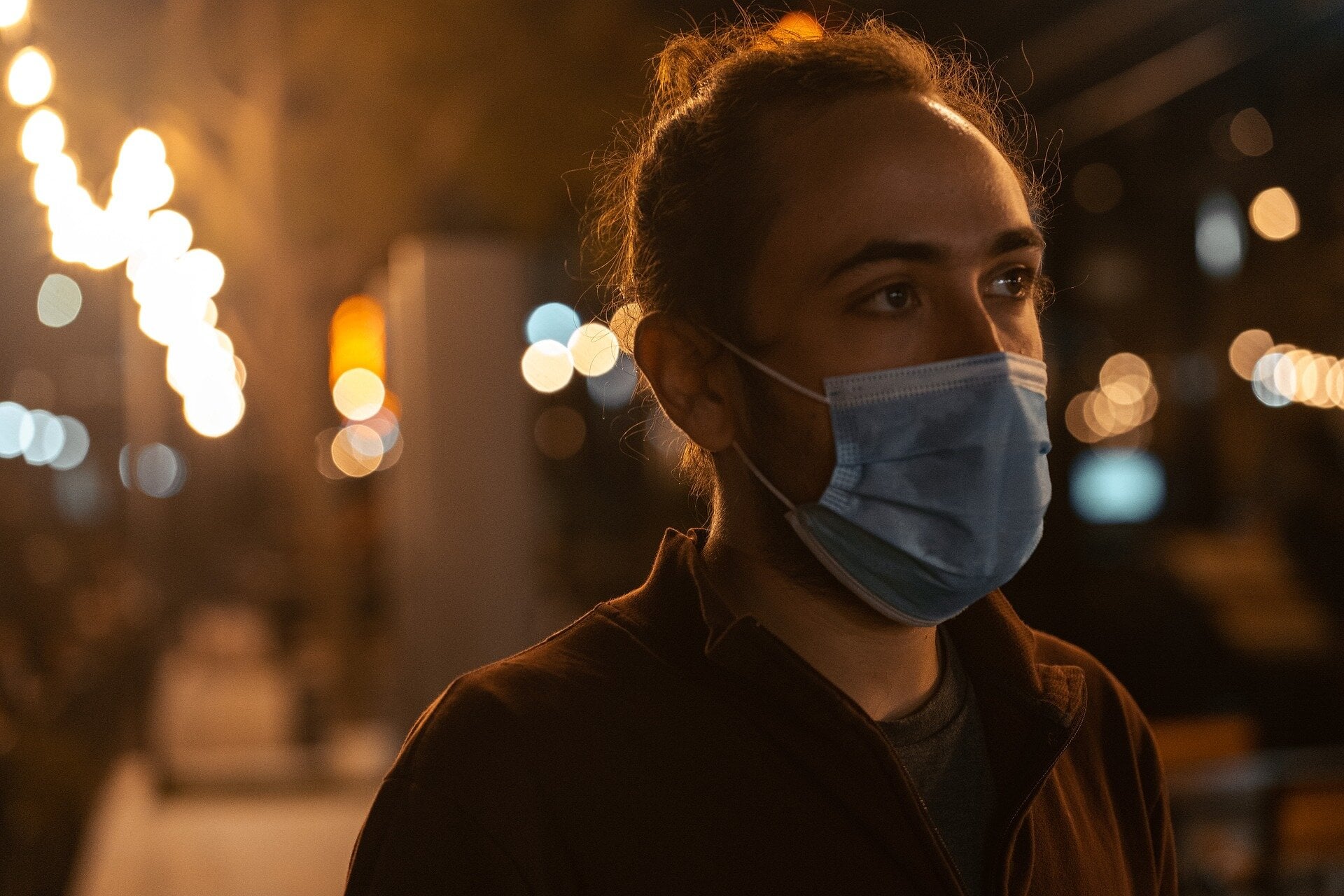
Researchers at the University of São Paulo have discovered that SARS-CoV-2 can remain in sperm for up to 110 days after initial infection, potentially reducing semen quality. The study, published in Andrology, suggests a "quarantine" period for those planning to conceive post-COVID-19 recovery. The virus was detected in sperm from 69.2% of the patients studied, highlighting a new role for sperm in the immune response against pathogens.
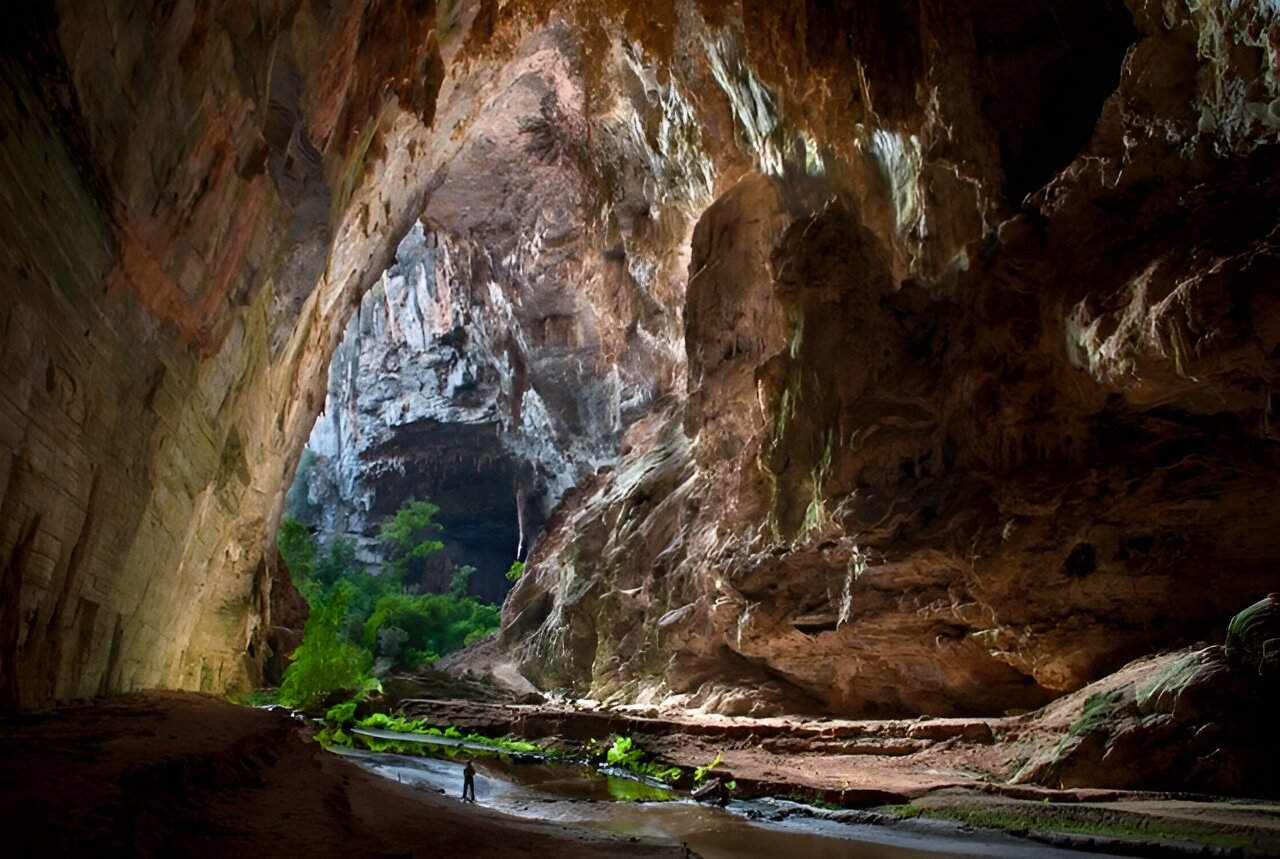
A study by the University of São Paulo reveals that Brazil's Cerrado is experiencing its worst drought in at least 700 years, driven by global warming. The research, published in Nature Communications, used geological data from caves to extend climate records and found significant hydrological disruptions due to rising temperatures. The drought is unprecedented and expected to worsen, affecting the São Francisco River basin and altering the chemistry of cave formations.
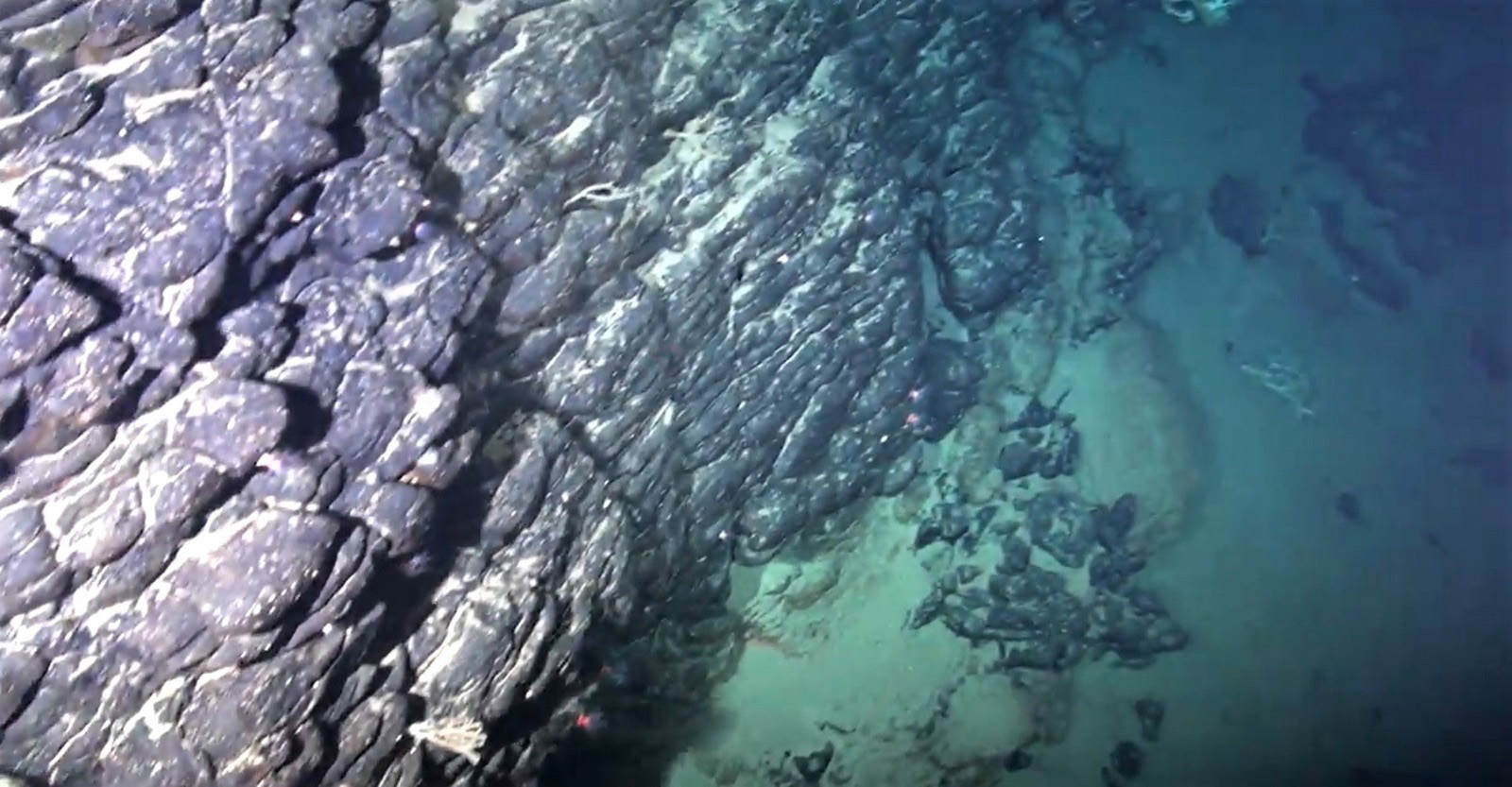
Researchers from the University of São Paulo have discovered that the Rio Grande Rise, a submerged basaltic plateau in the South Atlantic Ocean, was once a tropical island teeming with minerals and lush vegetation between 45 million and 40 million years ago. The area harbors abundant cobalt, nickel, lithium, tellurium, and rare earth elements crucial for the energy transition. The findings, published in Scientific Reports, suggest potential economic opportunities but also highlight the need for environmental impact assessments to protect the ecosystem services and natural processes of the region.