Many Filipino healthcare workers in the US live in fear of ICE raids, despite their essential role in the healthcare system, due to vulnerabilities from overstayed visas and immigration enforcement, which impacts their safety and mental health.

Amid increased US immigration crackdowns under Trump, Hondurans in the US are sending more money home than ever, driven by fear of detention and deportation, which has also impacted illegal migration and smuggling activities.
A large ICE raid in Chicago's South Shore neighborhood resulted in the arrest of 37 undocumented immigrants, including Venezuelans, Mexicans, Nigerians, and Colombians, with reports of children being separated from parents and US citizens detained. The operation, part of 'Operation Midway Blitz,' involved military-style tactics and drew criticism from local officials and residents.
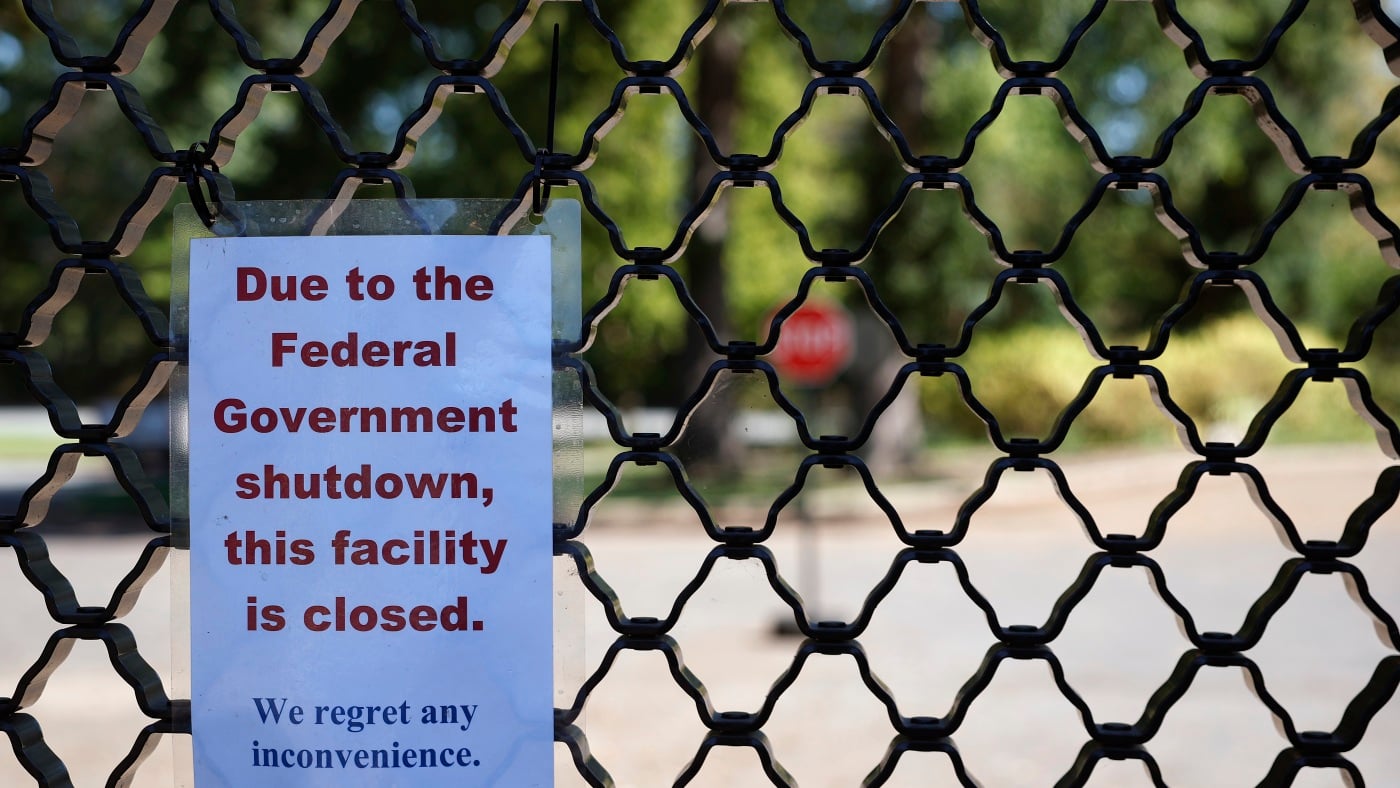
The claim by GOP that the government shutdown is due to efforts to extend health care benefits to undocumented immigrants is false; experts confirm that undocumented individuals are generally ineligible for Medicaid and ACA subsidies, and the shutdown is primarily about budget and policy disagreements.
Homeland Security Secretary Kristi Noem claimed that 1.6 million undocumented immigrants left the U.S. this year, but experts caution that it's too early to confirm a mass exodus, as data from various sources show mixed results and significant uncertainties about the current undocumented population.
President Trump proposed using traffic stops nationwide to identify and target undocumented immigrants, following his temporary control of Washington D.C.'s police and efforts to involve federal agencies like ICE, despite D.C.'s longstanding pro-immigration policies.
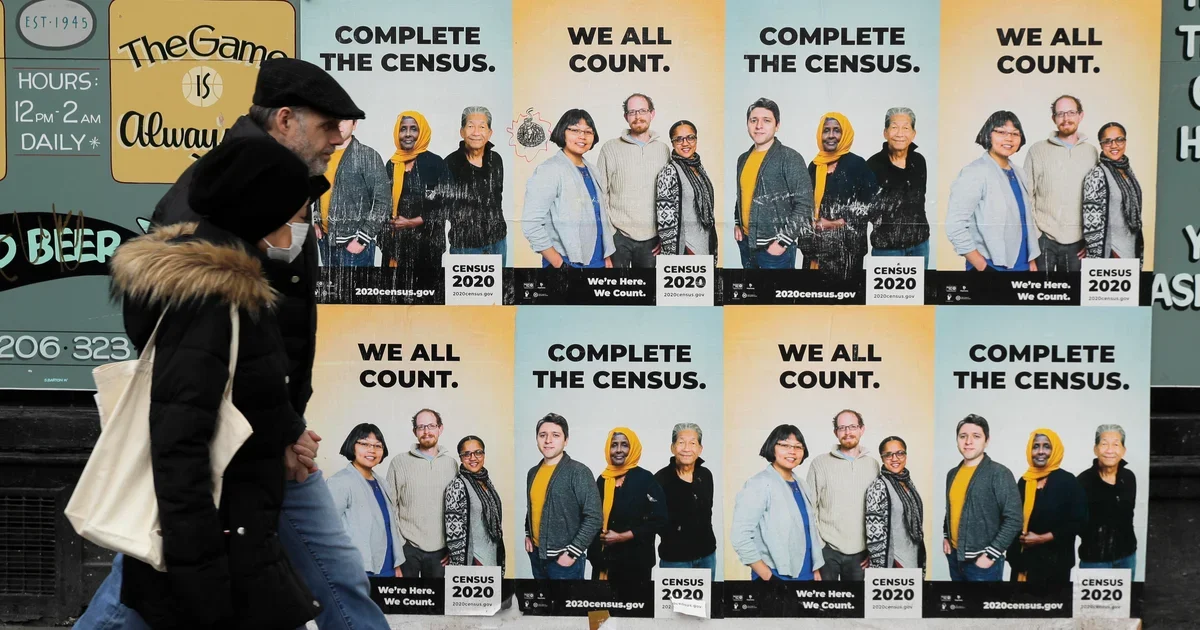
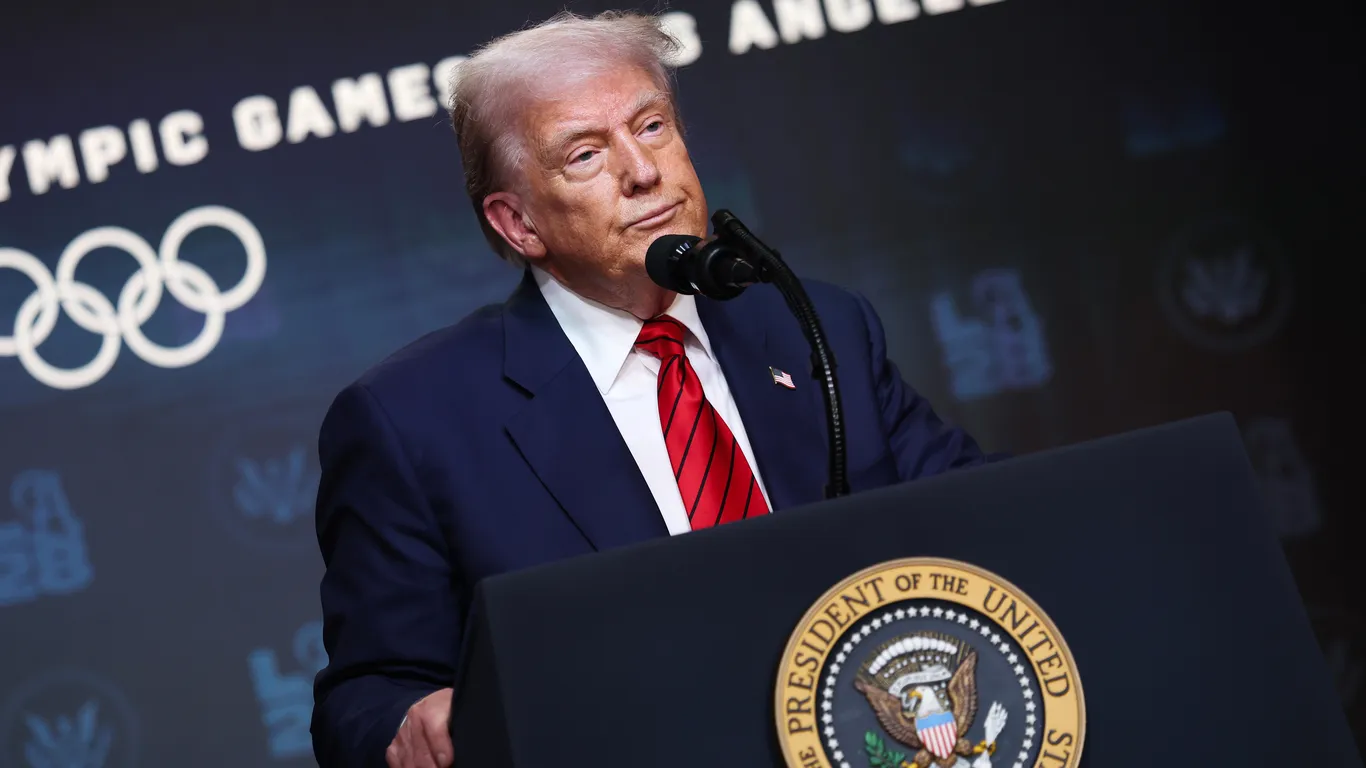
President Trump announced plans to exclude undocumented immigrants from the U.S. Census, a move that is legally impossible and politically motivated, aiming to influence redistricting and undermine democratic representation. The article discusses the historical context of census exclusions, the political implications of redistricting efforts, concerns about human rights abuses, and recent international and domestic policy shifts, including tariffs and changes in U.S. foreign relations.
President Trump announced plans to instruct the Department of Commerce to create a new census excluding undocumented immigrants, which could impact congressional apportionment and redistricting, but such changes are complex and require extensive planning and legal considerations. The census process is constitutionally mandated every 10 years, with the next one scheduled for 2030, and involves detailed data collection and analysis, including debates over questions like citizenship status.
President Trump has directed the Commerce Department to exclude undocumented immigrants from the upcoming U.S. census, citing modern facts and the 2024 presidential election, a move that contradicts the Constitution and is likely to face legal challenges, with critics arguing it aims to manipulate election outcomes and undermine constitutional requirements.
President Trump has called for a new, highly accurate census excluding undocumented immigrants, citing constitutional provisions, but this move could face legal challenges as it conflicts with the constitutional requirement to count all persons in the population.
Donald Trump announced plans to conduct a new US census excluding undocumented immigrants, aiming to influence congressional representation and electoral votes, despite legal and constitutional challenges and the accuracy of the current census.
California and 19 other states sued the Trump administration over new rules that bar undocumented immigrants from accessing over a dozen federally funded benefit programs, arguing the restrictions violate federal law and harm vulnerable populations like children and working mothers. The lawsuit claims the changes are arbitrary, costly, and undermine decades of precedent, while the administration defends them as protecting American resources and reducing illegal immigration. The case highlights ongoing debates over immigration policy and social services.
The acting ICE chief announced a shift in enforcement policy, now targeting all undocumented immigrants regardless of criminal history, diverging from previous focus on those with serious crimes, amid increased funding and deportation goals.
A bipartisan bill called the Dignity Act of 2025, introduced by Reps. Salazar and Escobar, aims to provide legal status for certain undocumented immigrants in the U.S. who arrived before 2021, allowing them to work legally for up to seven years without a path to citizenship, while also increasing border security and employer verification measures, as a response to the Trump administration's immigration crackdown.
The ICE has announced a new policy that undocumented immigrants arriving in the US will no longer be eligible for bond hearings, a move that is expected to face legal challenges and reflects increased detention efforts by the Trump administration.