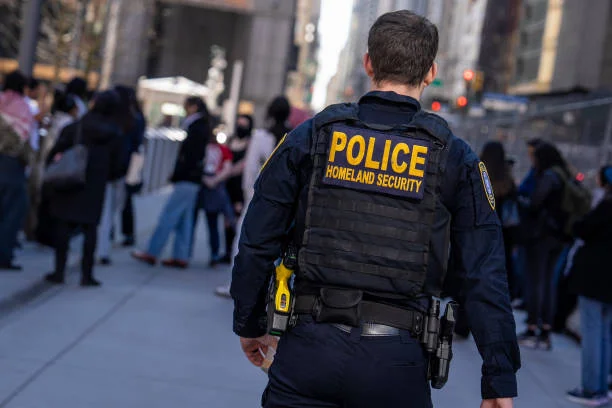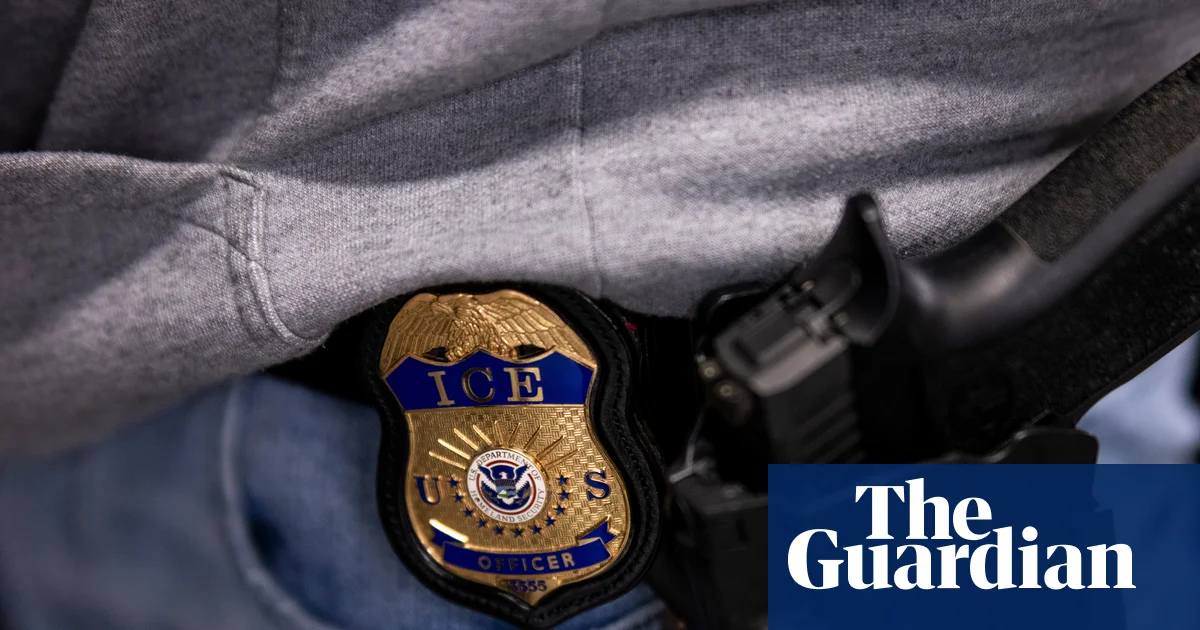
Many Filipino healthcare workers in the US live in fear of ICE raids, despite their essential role in the healthcare system, due to vulnerabilities from overstayed visas and immigration enforcement, which impacts their safety and mental health.
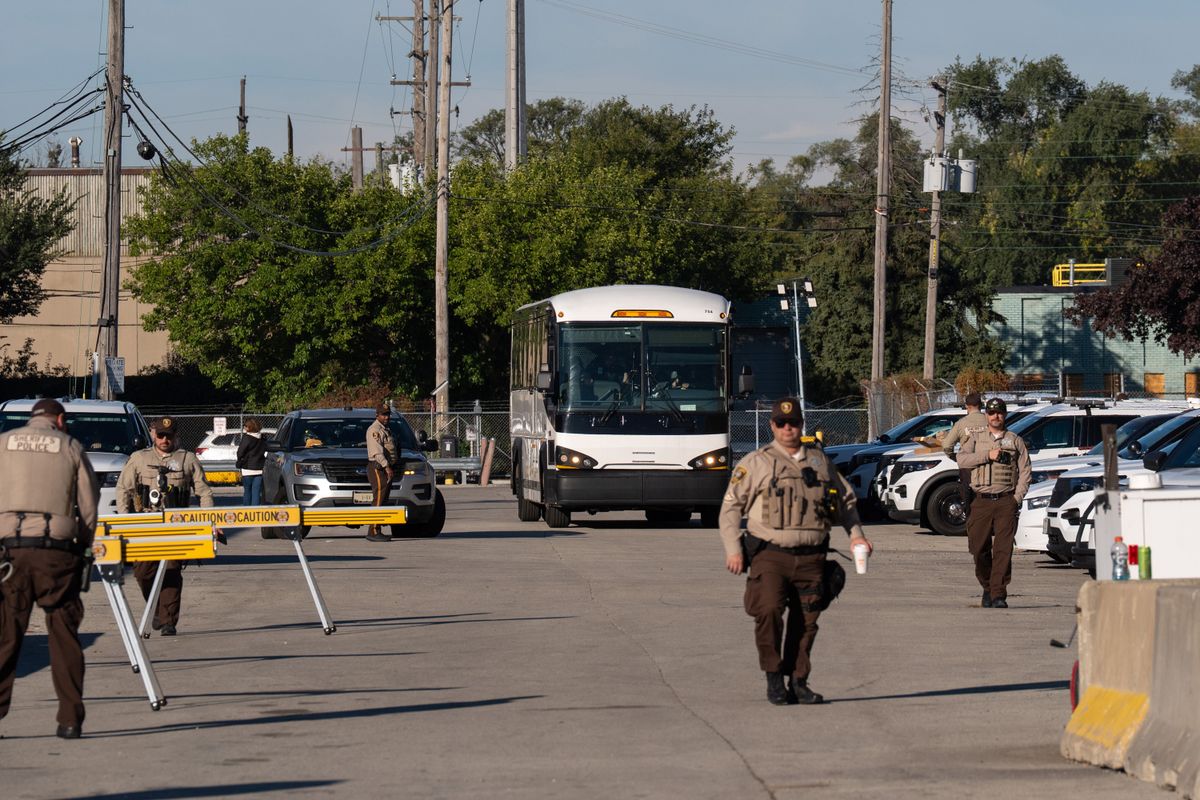
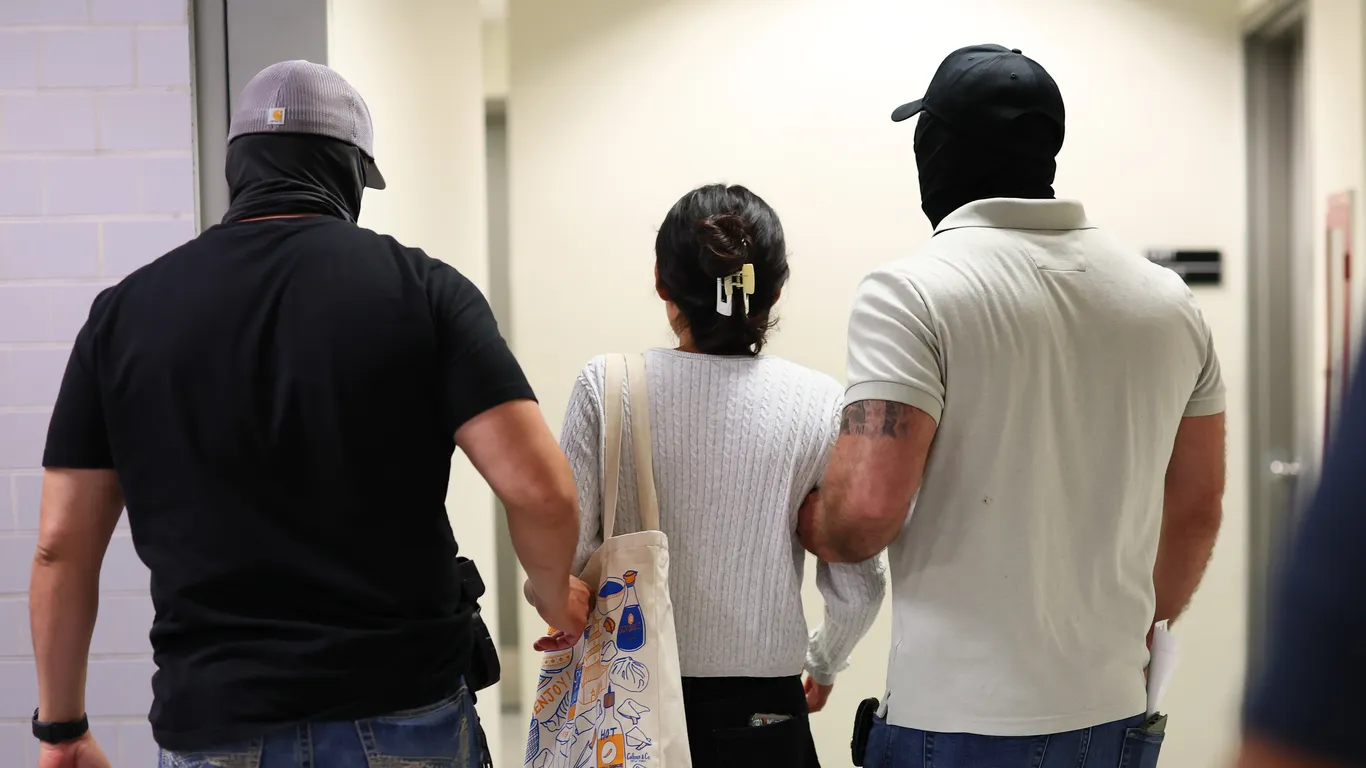
A Marshall Project analysis details the impact of the recent ICE raids in Chicago, highlighting the rapid detention and transfer of arrestees across various facilities, often under inhumane conditions, amid increased enforcement under the Trump administration's policies, with ongoing concerns about detainee treatment and legal challenges.
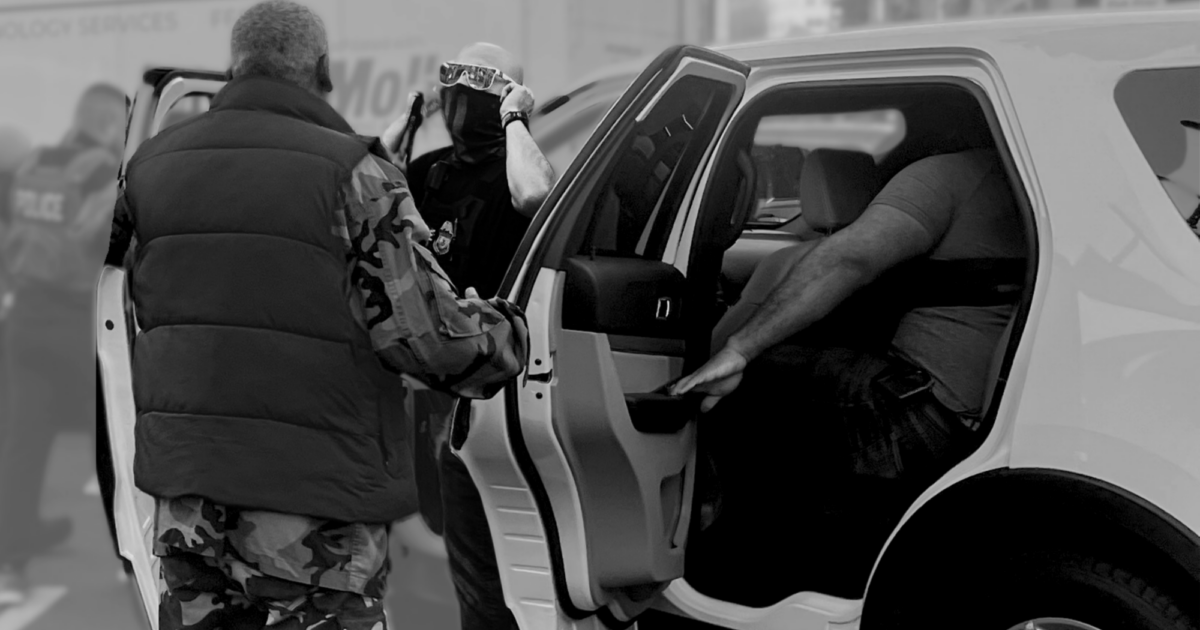
During a raid on Canal Street, ICE agents arrested nine immigrant street vendors and five protesters, highlighting ongoing tensions and the limits of local authority in responding to federal immigration enforcement actions in New York.
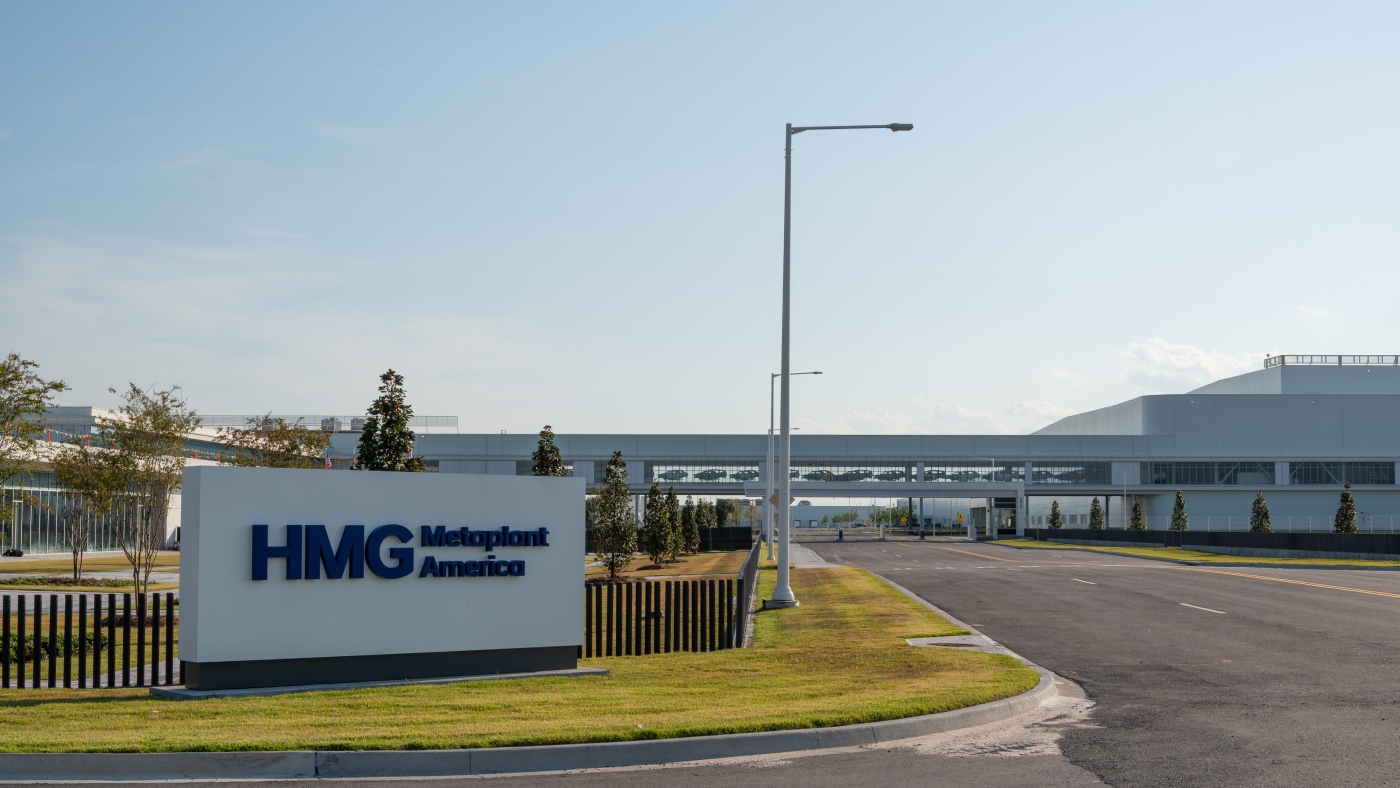
Federal agents arrested 475 workers, mostly South Korean nationals, at a Hyundai joint-venture EV battery plant in Georgia, sparking diplomatic tensions and raising questions about immigration enforcement and corporate employment practices. Hyundai and LG Energy Solution are investigating, while U.S. and South Korean officials respond to the incident amid broader discussions on immigration and foreign investment.
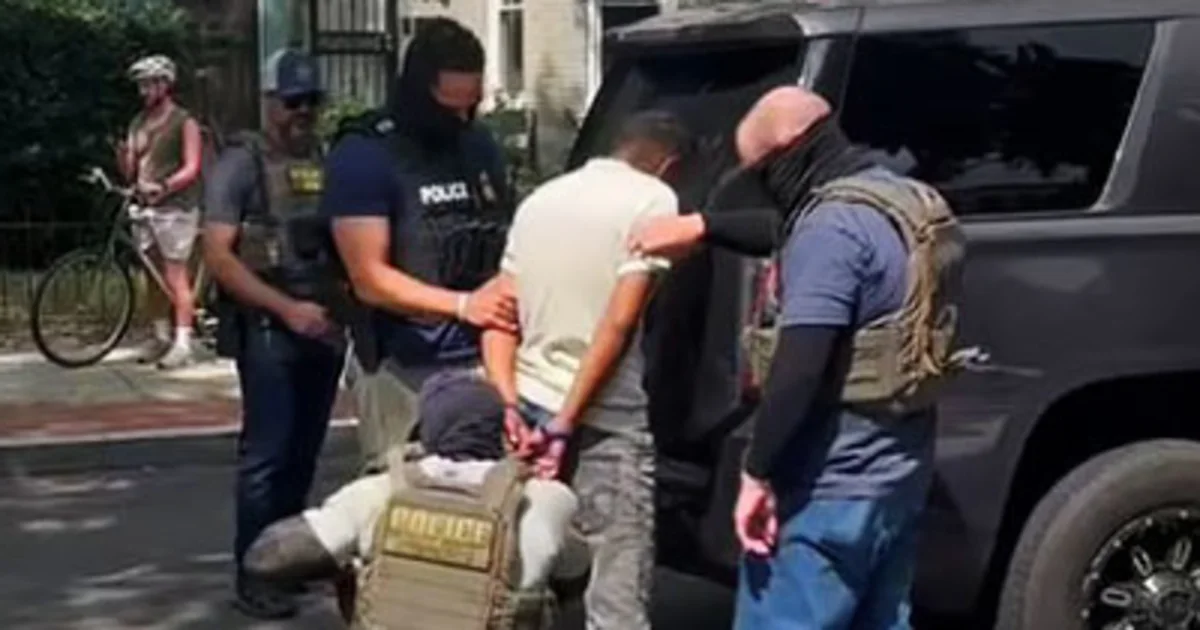
Recent ICE arrests of delivery drivers in Washington, D.C., have caused fear and concern among immigrant communities and delivery workers, leading some to stop working and affecting local food pickup activity, amid reports of detentions without clear explanations.
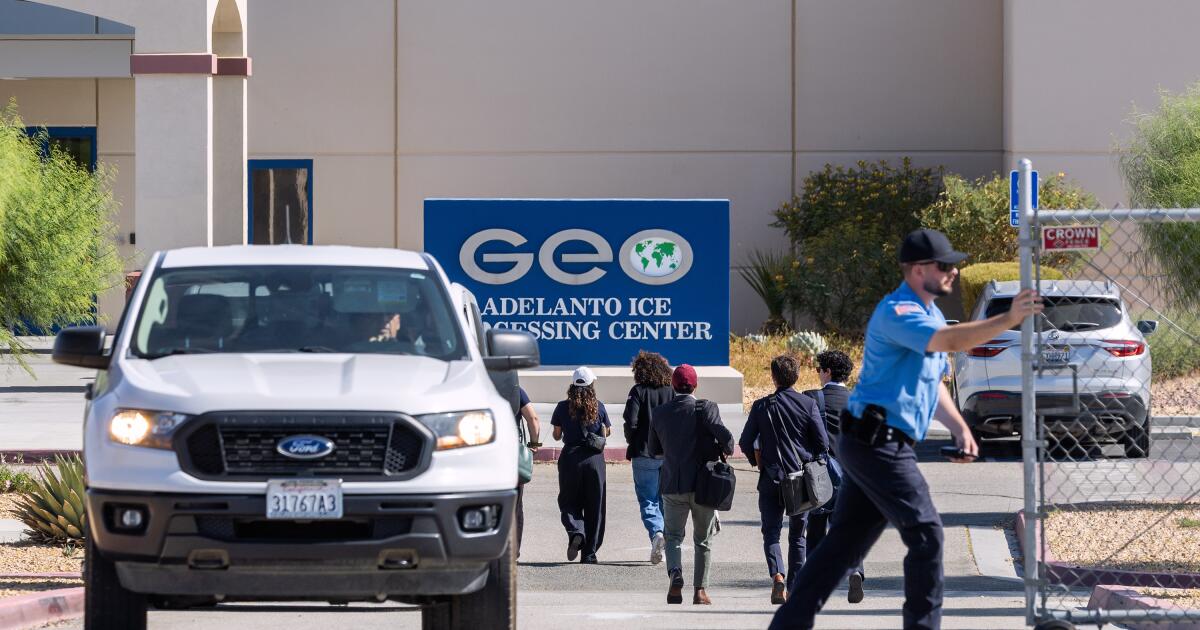
In Portland, Oregon, protests and legal strategies by activists are contributing to a decrease in ICE arrests, as local resistance, legal aid, and the absence of detention facilities hinder federal immigration enforcement efforts, despite ongoing federal actions and criticism.
ICE arrests declined by nearly 20% in July amid protests and court orders that hindered operations, following a surge in raids in June. Despite the decrease, removals of immigrants increased, and the administration continues to target serious offenders, though many detainees are not convicted of crimes. The backlash and legal challenges have led to a slowdown in enforcement activities.
During the first five months of Trump's second term, over 109,000 ICE arrests occurred mainly in border and southern states, with Texas accounting for nearly a quarter of these arrests. The arrests, predominantly of Latin American and Caribbean nationals, reflect geographic and policy factors influencing enforcement, with increased activity compared to the Biden administration.
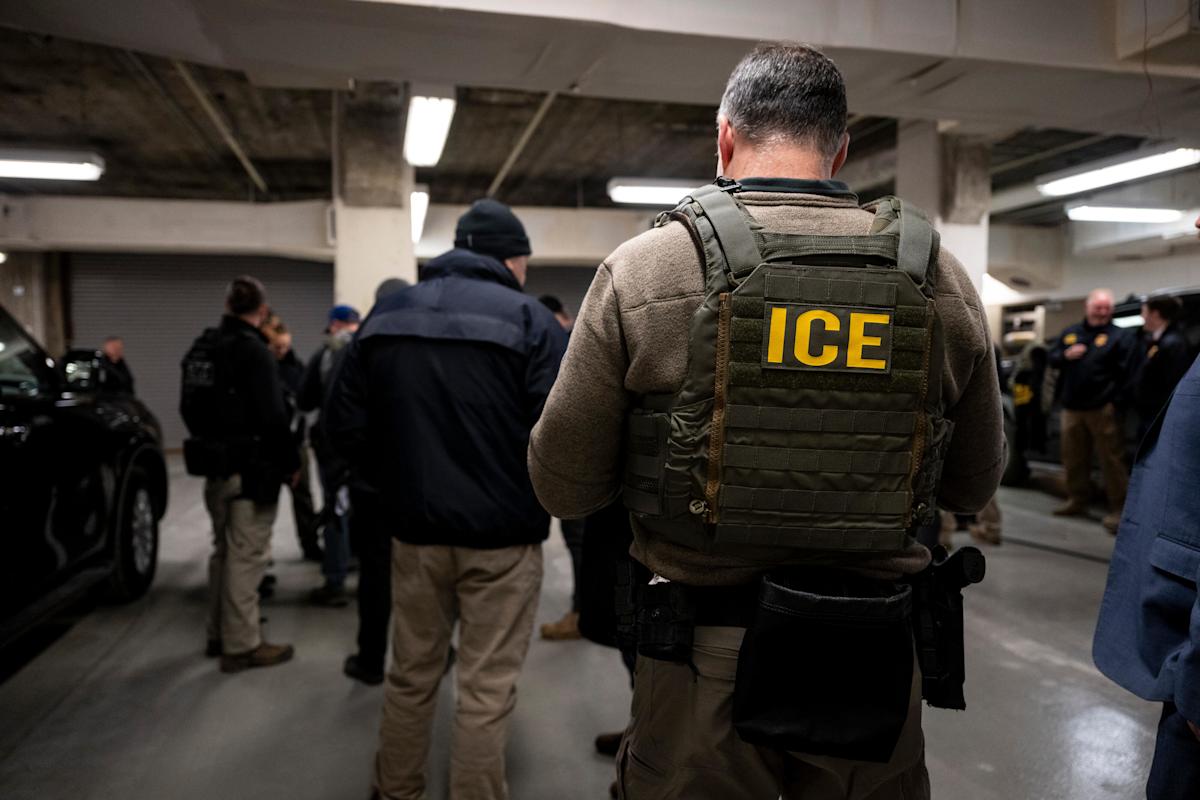
Under President Trump, ICE arrests of criminal illegal immigrants have surged nationwide, with significant increases in multiple states, as part of a broader effort to enhance public safety by targeting violent and criminal offenders among undocumented populations.
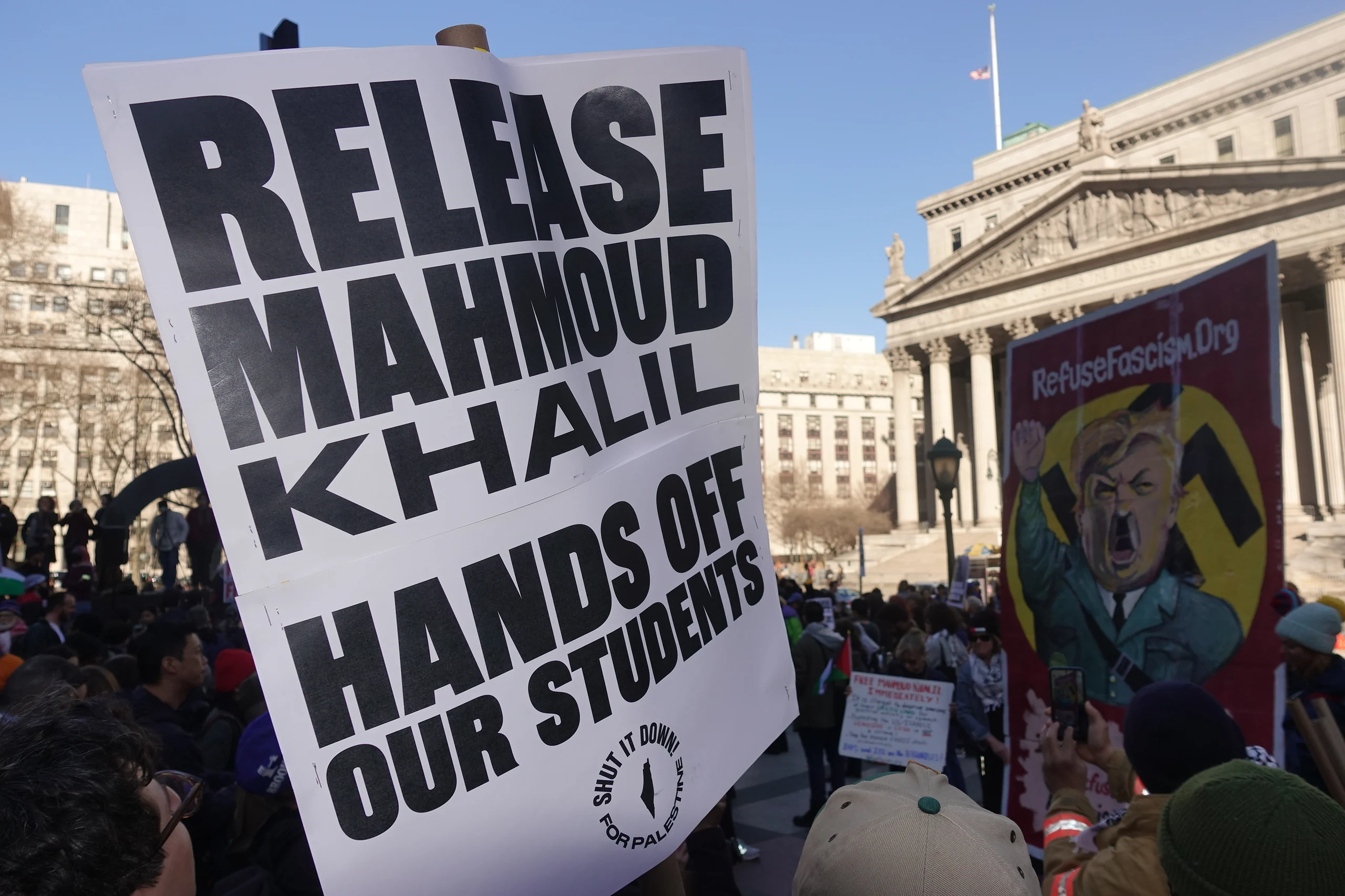
A federal judge expressed frustration with the Trump administration's attempts to claim privilege over police reports and meetings related to the arrest of pro-Palestine student protesters, questioning the validity of these claims and highlighting concerns over free speech and government transparency in the case.
In June 2025, ICE arrested 1,361 undocumented immigrants in Houston, including individuals convicted of serious crimes such as homicide, child sex crimes, drug trafficking, and even airplane hijacking, with notable cases like Adermis Wilson-Gonzalez, a Cuban convicted of hijacking an airplane from Cuba to Key West.
Most of the individuals arrested by ICE in Los Angeles during a recent crackdown were not convicted criminals but mostly working-age men, many without criminal charges, raising concerns about racial profiling and the targeting of nonviolent, hardworking immigrants.
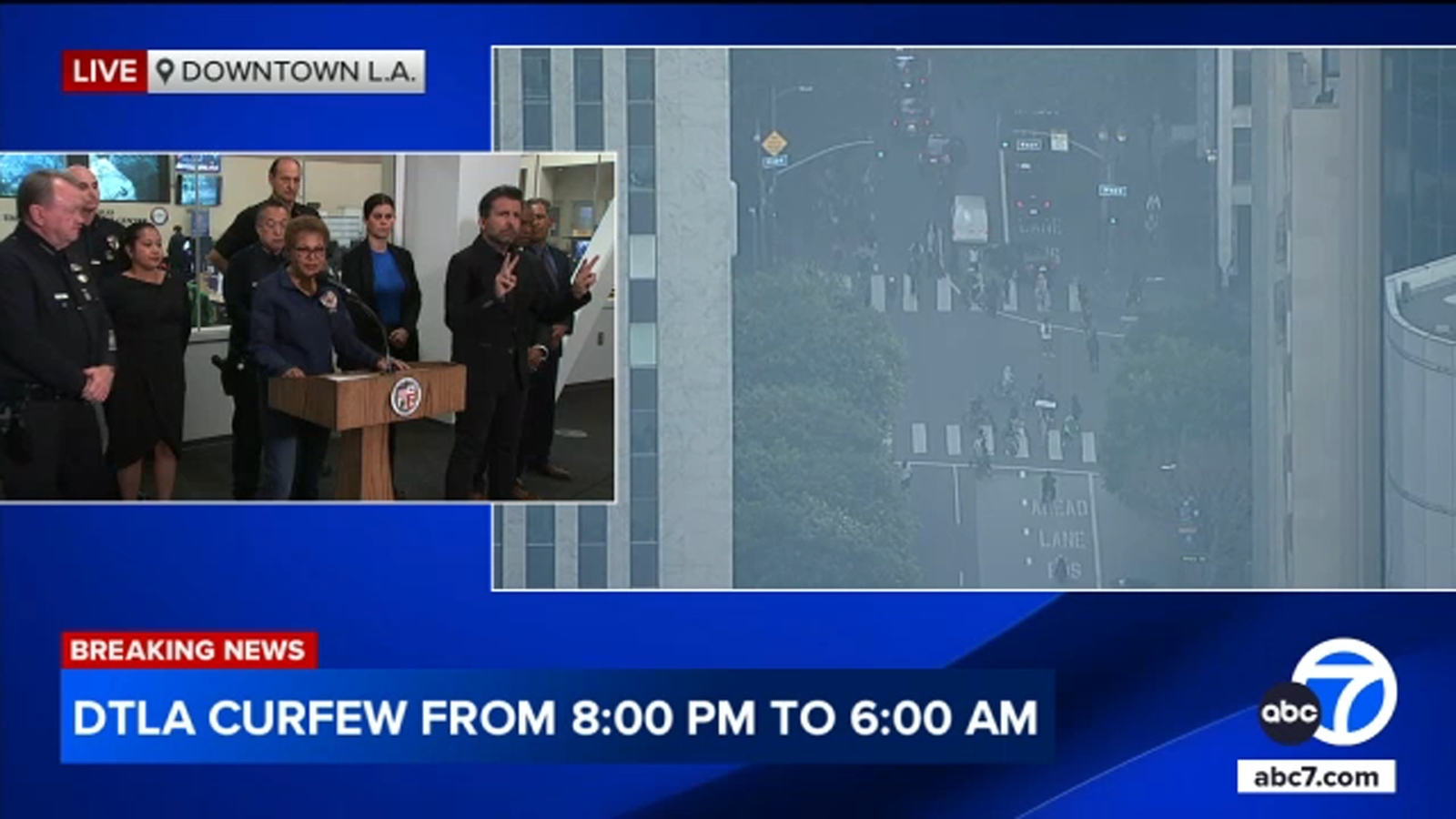
Protests against ICE in Los Angeles continue with a new overnight curfew in downtown LA, as authorities deploy National Guard troops to protect ICE operations and enforce law and order, leading to arrests and disruptions including a temporary freeway shutdown.
At least 12 people were detained and deported by ICE from Nantucket during a recent operation, part of a nationwide immigration enforcement effort that has drawn criticism for targeting immigrant communities in popular vacation spots like Nantucket and Martha's Vineyard.