The article discusses the history and evolution of gerrymandering and redistricting in the U.S., highlighting the role of Supreme Court rulings, the impact of Census data, and how political parties have strategically used redistricting, especially around census years, to gain partisan advantage, with notable exceptions like Texas's mid-decade redistricting in 2003.
South Korea will now recognize same-sex couples in its national census, allowing them to select 'spouse' or 'cohabiting partner' options, marking a step towards greater recognition of LGBTQ+ citizens despite ongoing restrictions on marriage and other rights.
In 2024, inflation offset income gains for most Americans, keeping household incomes steady, though the wealthiest 10% saw increases and women and Black people experienced losses, according to the U.S. Census Bureau.
The Trump administration indicated it plans to estimate U.S. citizenship figures using existing data sources rather than conducting a new mid-decade census, aiming to exclude unlawful immigrants, but faces legal and constitutional challenges, with critics arguing it undermines the constitutional requirement to count all persons.
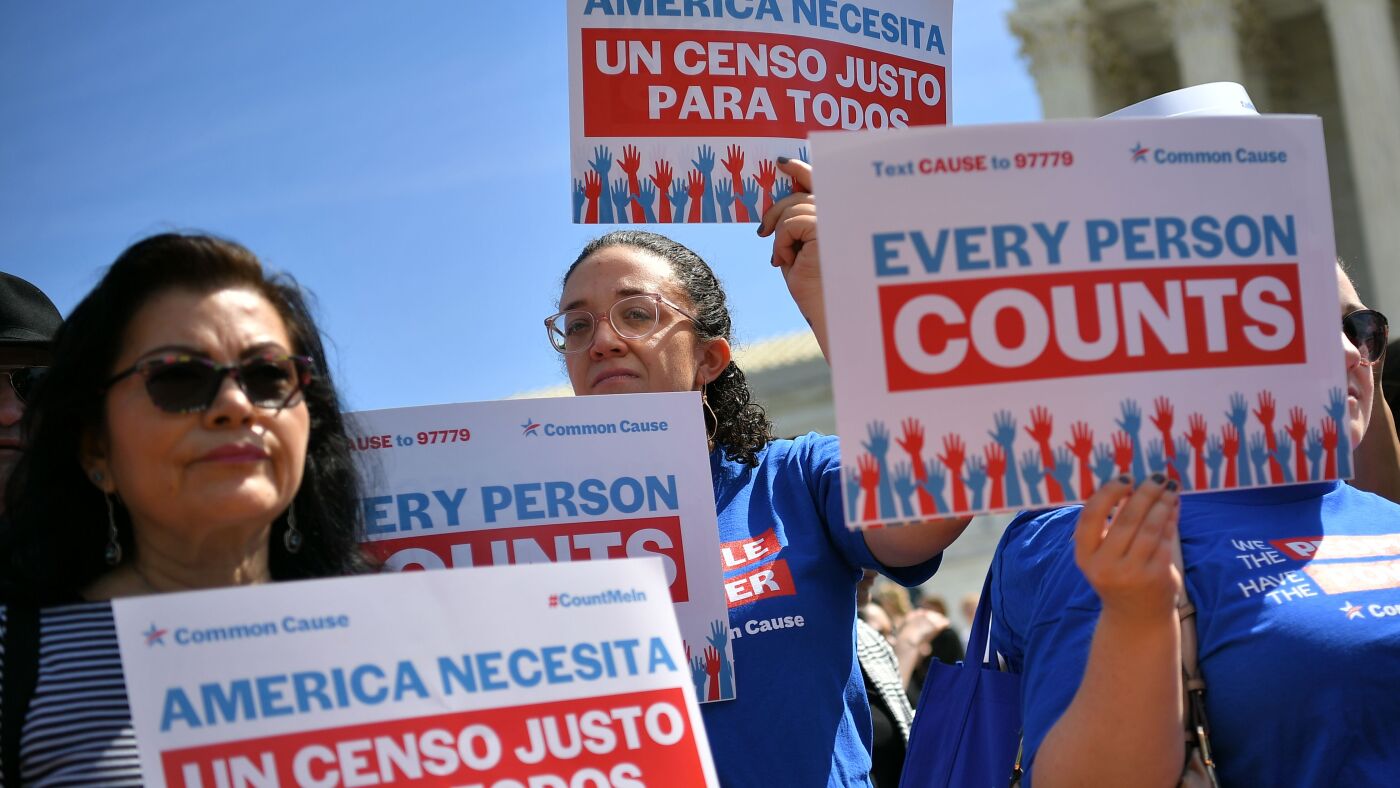
President Trump announced plans to exclude undocumented immigrants from the U.S. Census, a move that is legally impossible and politically motivated, aiming to influence redistricting and undermine democratic representation. The article discusses the historical context of census exclusions, the political implications of redistricting efforts, concerns about human rights abuses, and recent international and domestic policy shifts, including tariffs and changes in U.S. foreign relations.
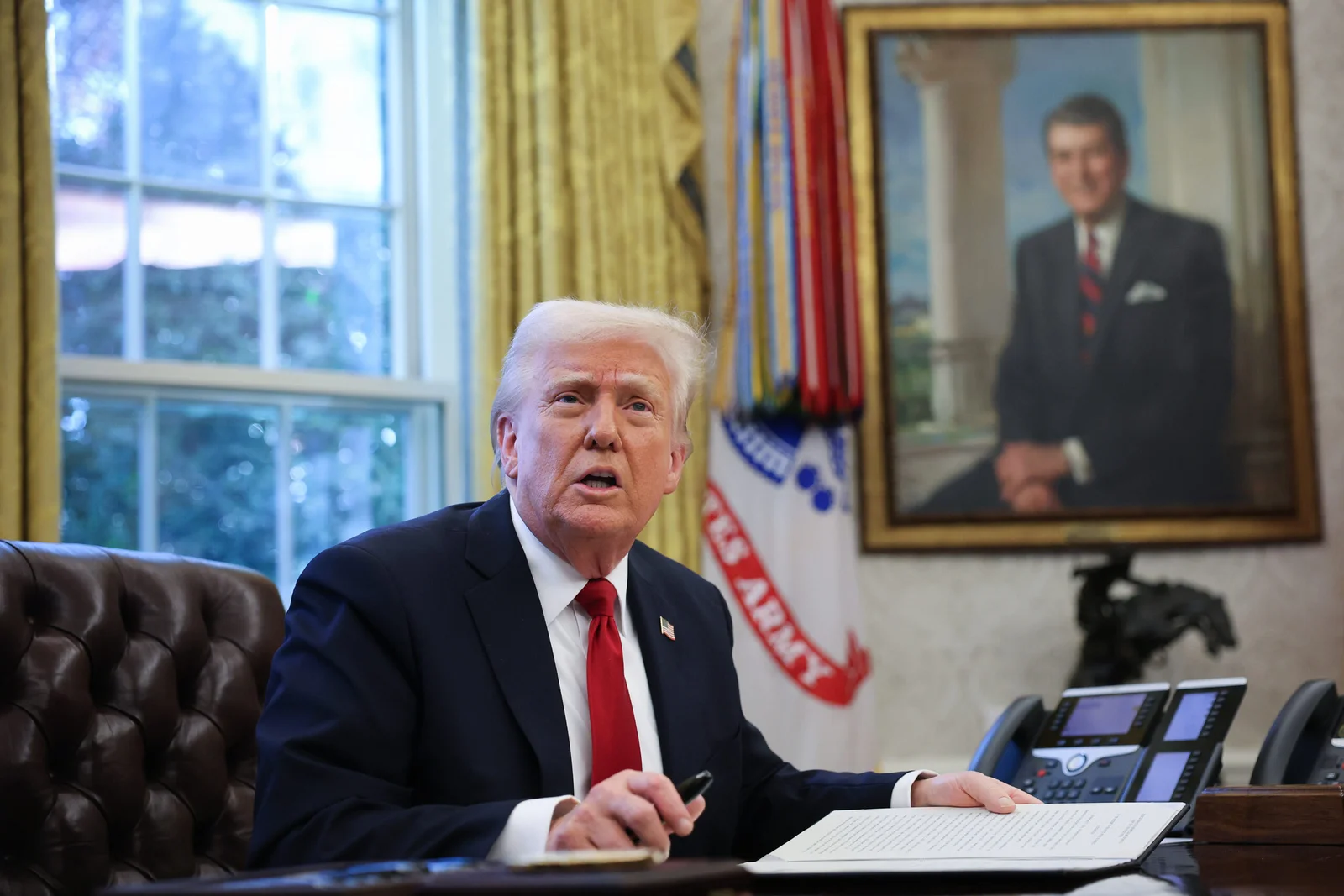
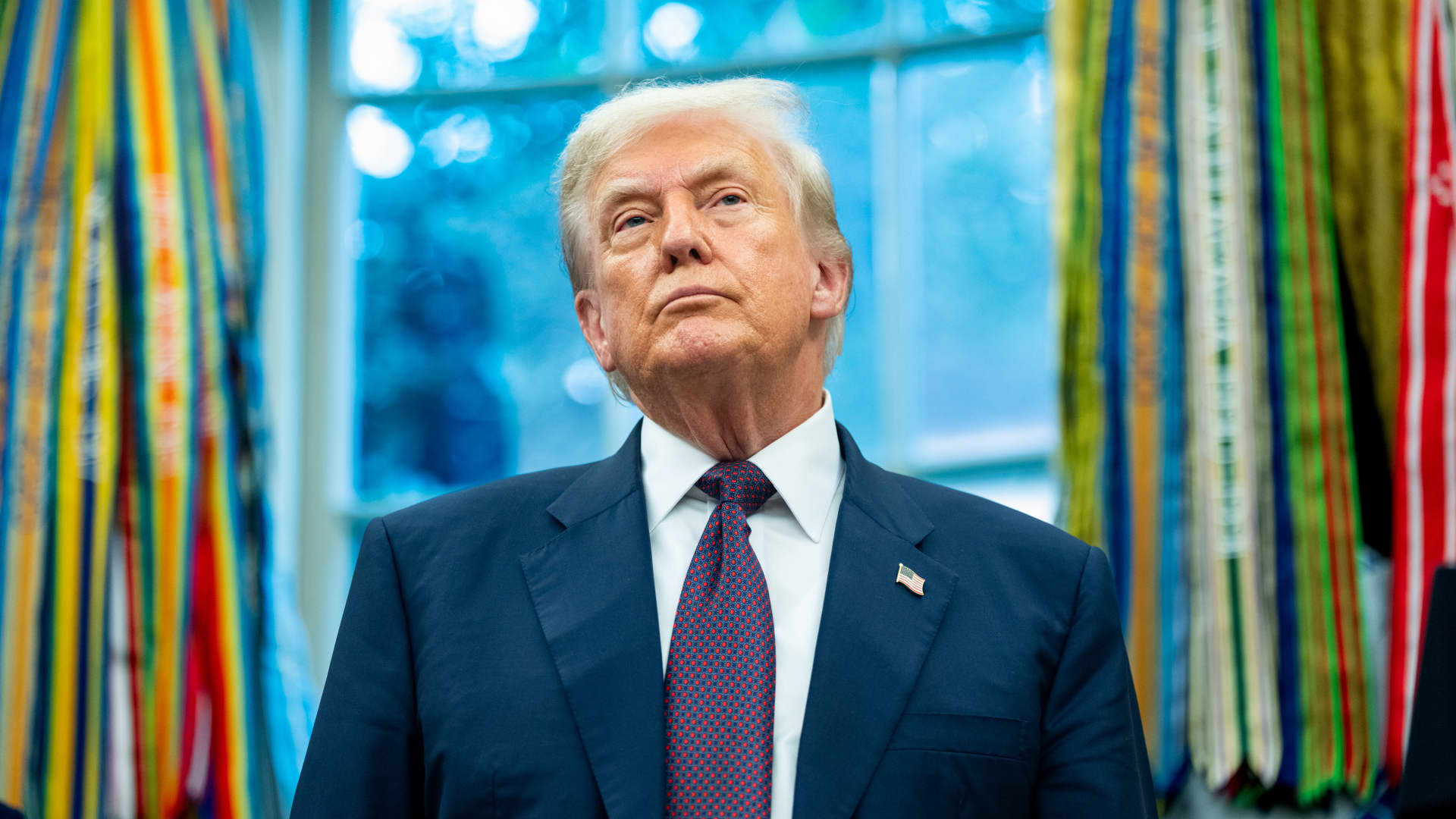
President Donald Trump announced plans to conduct a new census excluding people present illegally in the country, which conflicts with the Constitution and is likely to face legal challenges.
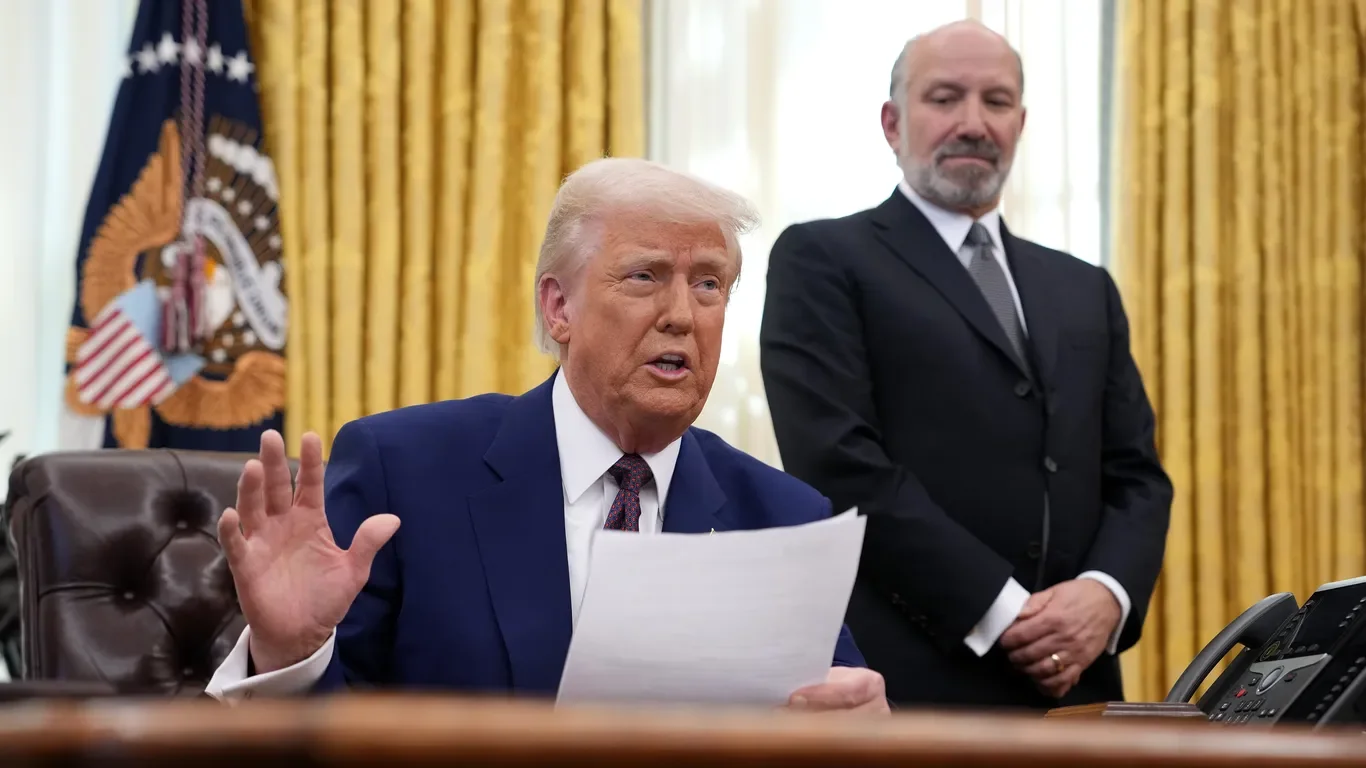
President Trump announced plans to instruct the Department of Commerce to create a new census excluding undocumented immigrants, which could impact congressional apportionment and redistricting, but such changes are complex and require extensive planning and legal considerations. The census process is constitutionally mandated every 10 years, with the next one scheduled for 2030, and involves detailed data collection and analysis, including debates over questions like citizenship status.
President Trump has directed the Commerce Department to exclude undocumented immigrants from the upcoming U.S. census, citing modern facts and the 2024 presidential election, a move that contradicts the Constitution and is likely to face legal challenges, with critics arguing it aims to manipulate election outcomes and undermine constitutional requirements.
President Trump has called for a new, highly accurate census excluding undocumented immigrants, citing constitutional provisions, but this move could face legal challenges as it conflicts with the constitutional requirement to count all persons in the population.
Donald Trump announced plans to conduct a new US census excluding undocumented immigrants, aiming to influence congressional representation and electoral votes, despite legal and constitutional challenges and the accuracy of the current census.
President Donald Trump has ordered the start of a new census excluding undocumented immigrants, citing the need for modern data amid ongoing redistricting disputes, especially in Texas, where political battles over congressional maps are intensifying. This move follows previous efforts to alter census data and is part of broader partisan struggles over electoral boundaries and representation.
President Trump has instructed the administration to begin work on a new census, potentially excluding people without legal status from counts used for apportionment, a move that could lead to legal challenges and impact political representation. This follows previous efforts to include citizenship questions in the census, which were blocked by courts, and marks a significant departure from historical practices.
President Donald Trump has ordered the creation of a new U.S. census that excludes undocumented immigrants, aiming to influence congressional representation and federal aid distribution, amid ongoing efforts to reshape electoral maps and immigration policies.
President Trump announced plans to initiate a new census excluding unauthorized immigrants, aiming to influence congressional redistricting ahead of the 2026 midterms, amid ongoing debates about the inclusion of non-citizens in population counts.
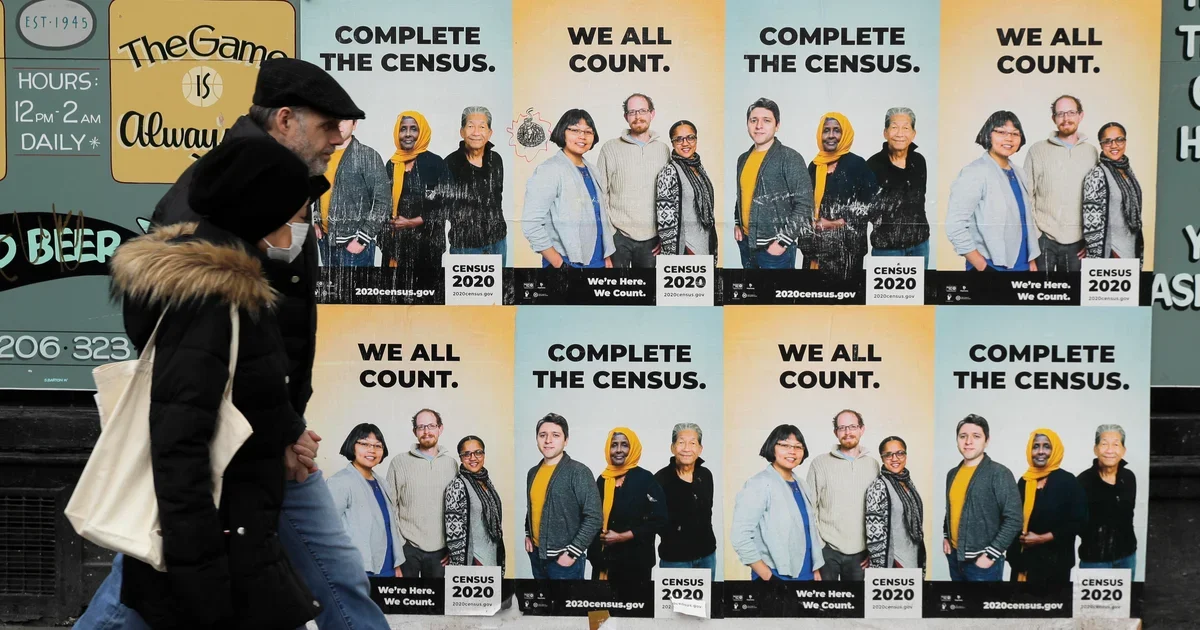
The addition of a new Middle Eastern or North African category to the U.S. census will allow an estimated 8 million Americans to accurately identify their origins, shedding light on a community that has long been undercounted and underrepresented. While seen as a step in the right direction, experts caution that the category may not fully capture the diversity of the region, particularly for Afro-Arabs and Armenian Americans. Advocacy groups continue to push for better representation, emphasizing the importance of accurate data for policy decisions and community empowerment.