French lawmakers rejected proposals for a wealth tax on the ultra-rich, instead approving a diluted tax on assets in holding companies, amid political divisions and concerns over economic impact, with the government also considering lifting a freeze on pensions and welfare benefits for 2026.
The article discusses how the ultra-rich are increasingly abandoning traditional luxury assets like fine wines, vintage cars, and mansions, despite their rising values from 2015 to 2023, indicating a shift in investment preferences among the wealthy.
Climate scientists warn that the ultra-rich are using private jets like taxis, significantly contributing to carbon emissions. Research shows a 46% increase in emissions from private flights between 2019 and 2023, with private jets producing 15.6 million tonnes of CO2 in 2023 alone. This is equivalent to emissions from 3.7 million petrol cars. Despite representing a small fraction of global emissions, the impact is substantial given the small number of individuals involved. The study highlights the need for emission reductions, especially among the wealthiest, to combat climate change.
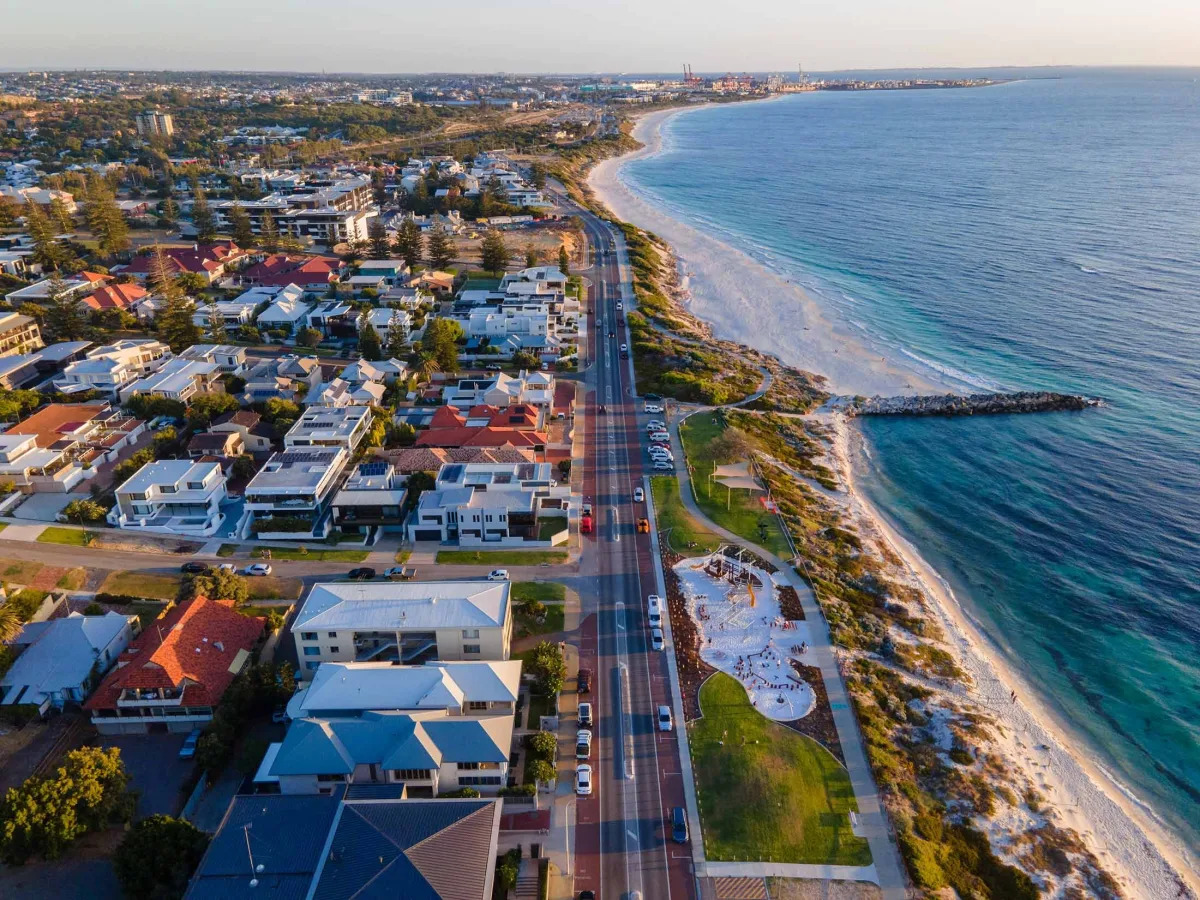
The business of catering to the ultra-rich is booming in Perth, Australia, driven by a surge in family offices that manage the wealth of centi-millionaires and billionaires, many of whom have made their fortunes in the mining industry. This trend reflects a broader global increase in family offices, which offer personalized financial services and tight control over assets. Despite challenges like a limited local talent pool, Perth's family offices thrive on a culture of familiarity and risk-taking, rooted in the region's mining heritage.
Private equity has become the preferred investment choice for members of Tiger 21, an exclusive network of ultra-high net worth entrepreneurs and investors. According to Tiger 21's founder, Michael Sonnenfeldt, members have tripled their allocation to private equity over the past decade, with a particular focus on businesses scaling in the areas of AI and climate. However, not all experts share the same optimism, as rising interest rates and falling tech valuations pose challenges for the industry. Despite these concerns, private equity remains a popular asset class among sophisticated investors.
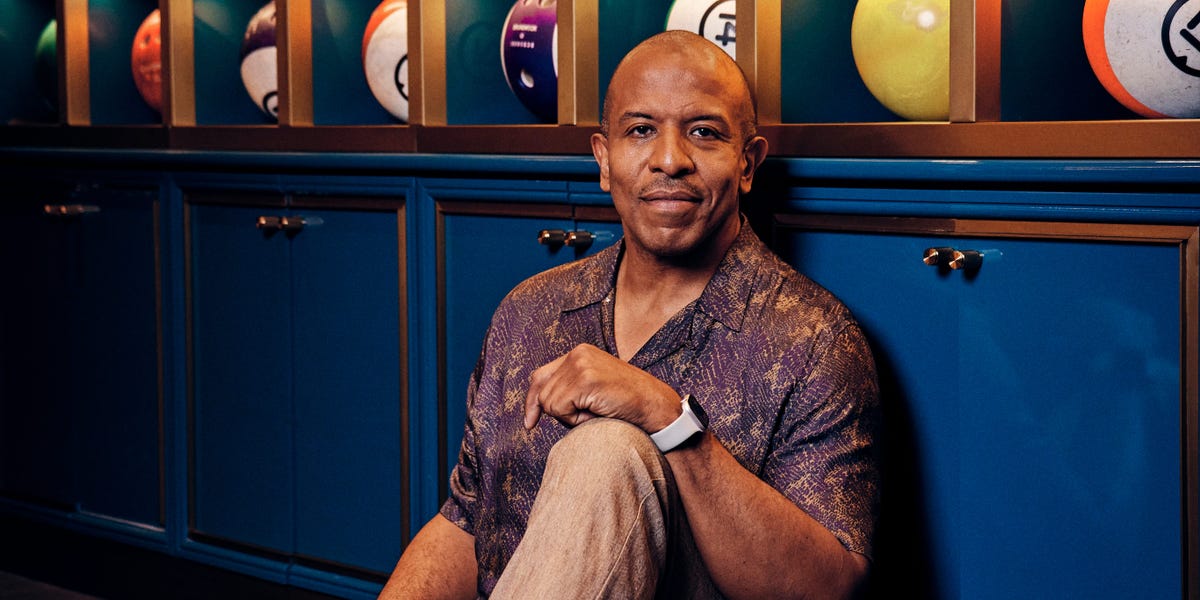
Rey Flemings is the founder and CEO of Myria, an exclusive community and concierge service app catering to ultra-high-net-worth individuals. Membership starts at $30,000 per person per year, and the company is highly selective about its members. Myria offers off-market luxury experiences, staffing, security, professional services, and crisis management. Flemings shares that the app ranks client requests from one to five, with level five requests being nearly impossible to fulfill. Despite its celebrity-driven reputation, Myria serves a diverse range of interests. Flemings' background in working with wealthy families and celebrities has helped him build the network and expertise necessary for his concierge business.
Asia experienced the largest drop in its ultra-high-net-worth (UHNW) population, declining by 10.9% in 2022, attributed to China's strict Covid lockdown and the war in Ukraine. Europe recorded the second-worst regional performance with a 7.1% fall, mainly due to Russia's invasion of Ukraine. North America, the world's largest ultra-wealth market, saw a 4% decline, largely influenced by the U.S. Federal Reserve's aggressive rate-hiking cycle. Meanwhile, the Middle East, Latin America, and the Caribbean saw gains in their UHNW populations. Despite the recent decline, Altrata expects an increase in the global ultra-wealthy population over the next five years, with notable increases from Asia and North America.
Gloria Richards, a nanny for real-life billionaires, makes up to $167 an hour and enjoys private jets and fully-funded trips to luxury destinations around the world. She spends just half of her year taking care of the children of her ultra-wealthy clients and is typically paid up to $2,000 a day for 12 to 15 hours of work. Richards is represented by NY-based household staffing firm Madison Agency and works for about 10 families at a time. However, the gig is not without stress, as she often is hired to care for neurodivergent children of busy billionaires and celebrities, who are sometimes uninvolved in their kids’ lives.