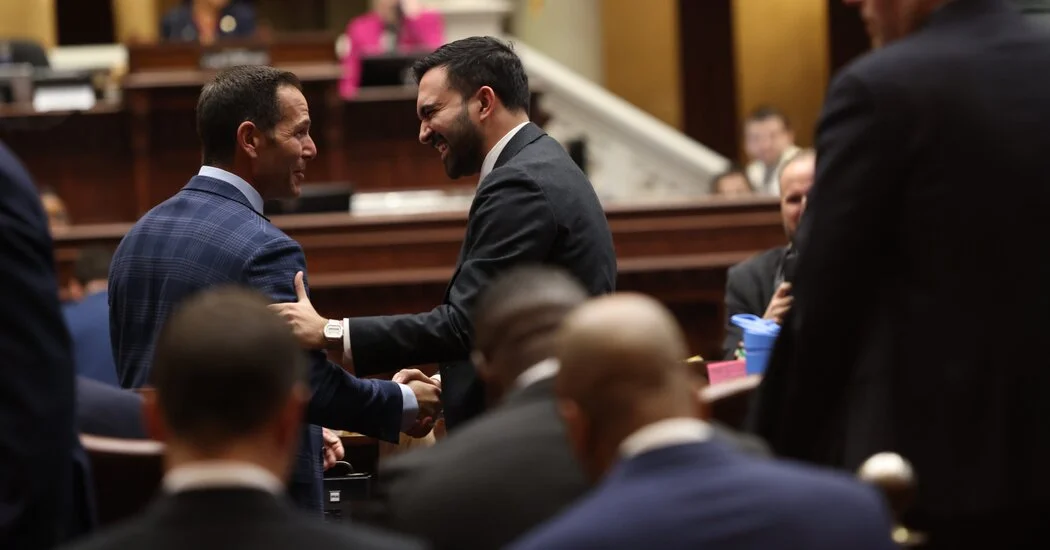
New York City is planning to introduce a free childcare program for 2-year-olds, announced by Governor Hochul and Mayor Mamdani, with the goal of making childcare more affordable and expanding the existing universal pre-K program across the city over four years.
A woman expresses frustration over her neighbor's family relying on her for childcare and criticizing her for letting their daughter watch certain shows and eat snacks, leading her to consider ending the arrangement, but an advice columnist suggests setting clear boundaries and communicating that her home is a welcoming space with rules, rather than cutting off the relationship entirely.
Day care centers in Minnesota are facing federal funding cuts after a viral video falsely claimed they were not caring for children, leading to investigations and community protests amid political tensions and concerns over misinformation.
Daycares across Washington face increased online scrutiny due to viral videos questioning their legitimacy, despite no evidence of fraud from authorities. Providers emphasize their legitimacy and call for respect and proper investigation, amid concerns over misinformation and safety threats.
The article explores how disparities in early childhood support, such as access to childcare, parental leave, and green spaces, influenced by postcode and employment status, impact children's development and long-term outcomes in Britain, highlighting the need for more equitable policies.
The U.S. Department of Health and Human Services has frozen federal childcare payments to Minnesota amid viral allegations of fraud at daycare centers, prompting a comprehensive audit and nationwide scrutiny of childcare funding and oversight.
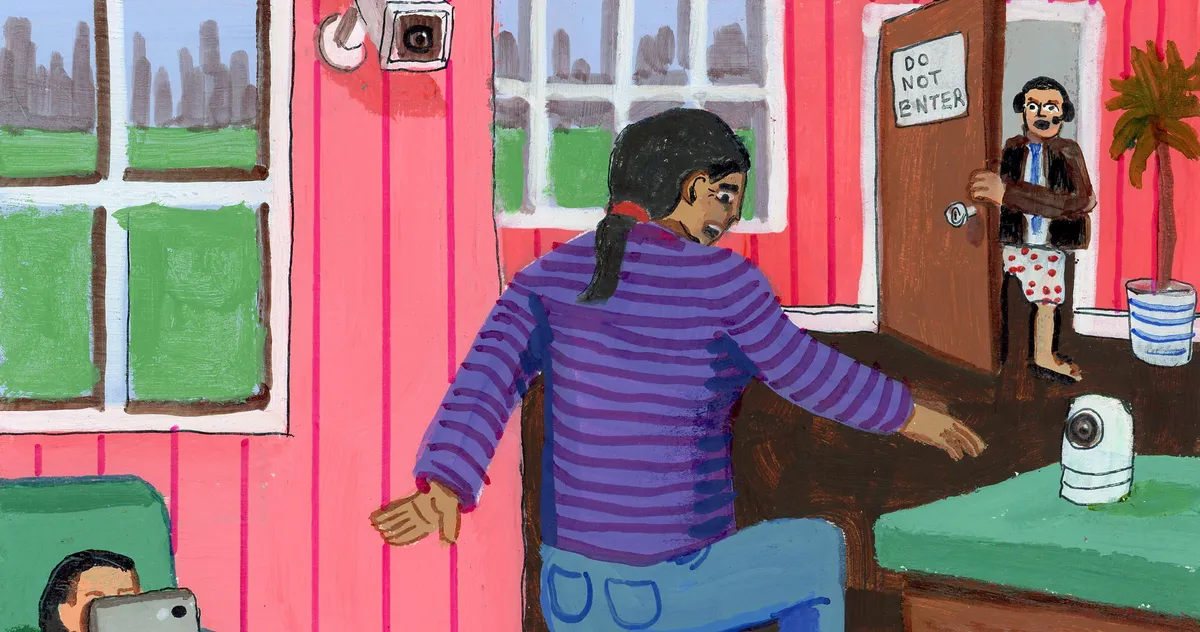
New York City nannies are increasingly frustrated with demanding, micromanaging millennial parents who have high expectations, monitor their every move, and often pay less while treating caregiving as a rigid, controlled task, leading many to consider leaving the profession for better opportunities.
A parent expresses frustration over her son's friend who frequently visits her home, and seeks advice on setting boundaries. The advice suggests viewing the child's trust as a privilege, communicating preferred visiting times, and understanding the friend's mother is likely navigating her own circumstances, emphasizing the importance of community and kindness.
A pediatric nurse shares advice on handling emotional comments from friends, illustrated by a story about a woman who struggles with accepting payment from a friend for babysitting, highlighting issues of boundaries and friendship dynamics.
Governor Hochul endorsed Mamdani and plans to collaborate on expanding affordable child care in New York, aiming for a gradual, funded rollout amid budget challenges and political hurdles ahead of upcoming elections.
A recent study reveals the steepest decline in mothers of young children participating in the U.S. workforce in over 40 years, primarily due to high childcare costs and lack of support, leading over 400,000 women to leave their jobs in the first half of 2025, with many citing the need to care for their children as the main reason.
The article highlights common frustrations women face with their partners after having a baby, including unequal sharing of childcare responsibilities, lack of involvement, and emotional neglect, emphasizing the importance of communication and shared parenting duties.
In Victoria, Australia, 1,200 children are being advised to undergo testing for infectious diseases after a childcare worker, Joshua Dale Brown, was charged with over 70 offenses including sexual assault of children aged 5 months to 2 years, with investigations ongoing into other potential victims and centers.
A woman is upset after her sister-in-law allegedly hid her child's pinkeye infection, leading to her family catching the illness. She questions whether her concerns are justified and considers refusing future babysitting, while her husband suggests she might be overreacting. The article discusses the importance of transparency about illness in family caregiving and the potential consequences of refusing to babysit.
Washington, D.C. addressed its child care worker shortage by implementing a tax hike on high earners to fund the Early Childhood Educator Pay Equity Fund, significantly increasing wages for child care workers. This initiative has led to reduced turnover, improved care quality, and a 23% return on investment. However, challenges remain, such as the exclusion of administrators from wage increases and potential loss of public benefits for some workers. The program's future is uncertain due to budget concerns, despite its success.