Meta’s planned 2026 AI-related capex of about $115–$135 billion could boost demand for AI hardware, a development some see benefiting bitcoin miners Cipher Mining (CIFR), Hut 8 (HUT), and IREN.
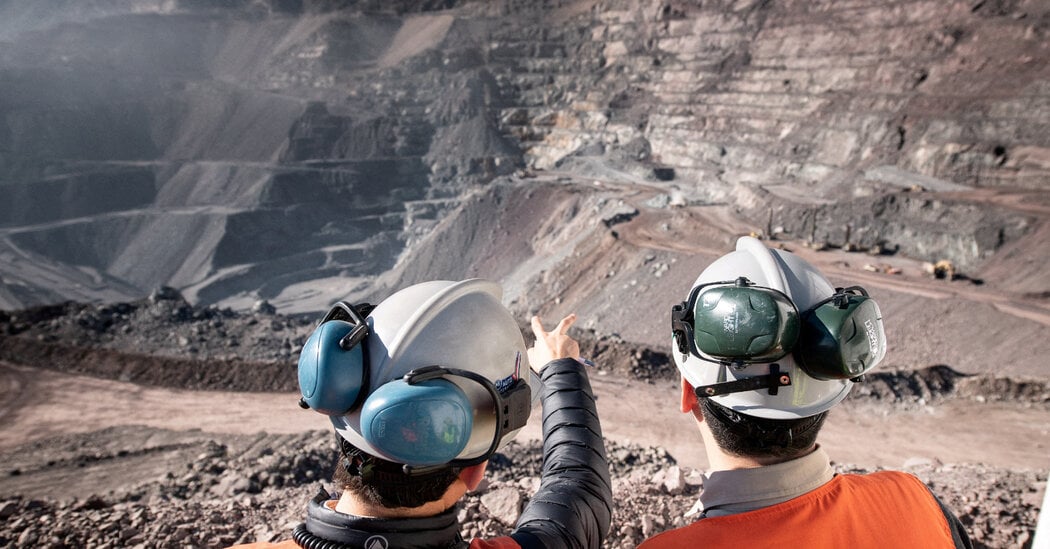
Anglo American and Teck Resources are merging to create a major copper producer amid rising global demand for copper, driven by technology and infrastructure needs, with the new company expected to generate significant cost savings and reshape the mining industry.
China has established a near-monopoly on refining rare earth elements, crucial for electronics and defense, through decades of strategic control, industry consolidation, and environmental neglect, which has led to global reliance on Chinese supply and recent efforts by the US to develop independent sources.
The US House's recent bill aims to eliminate a tax credit for critical minerals, which could hinder American mining companies' ability to compete with China, especially amid China's export restrictions and market flooding, risking job losses and industry decline without government support.
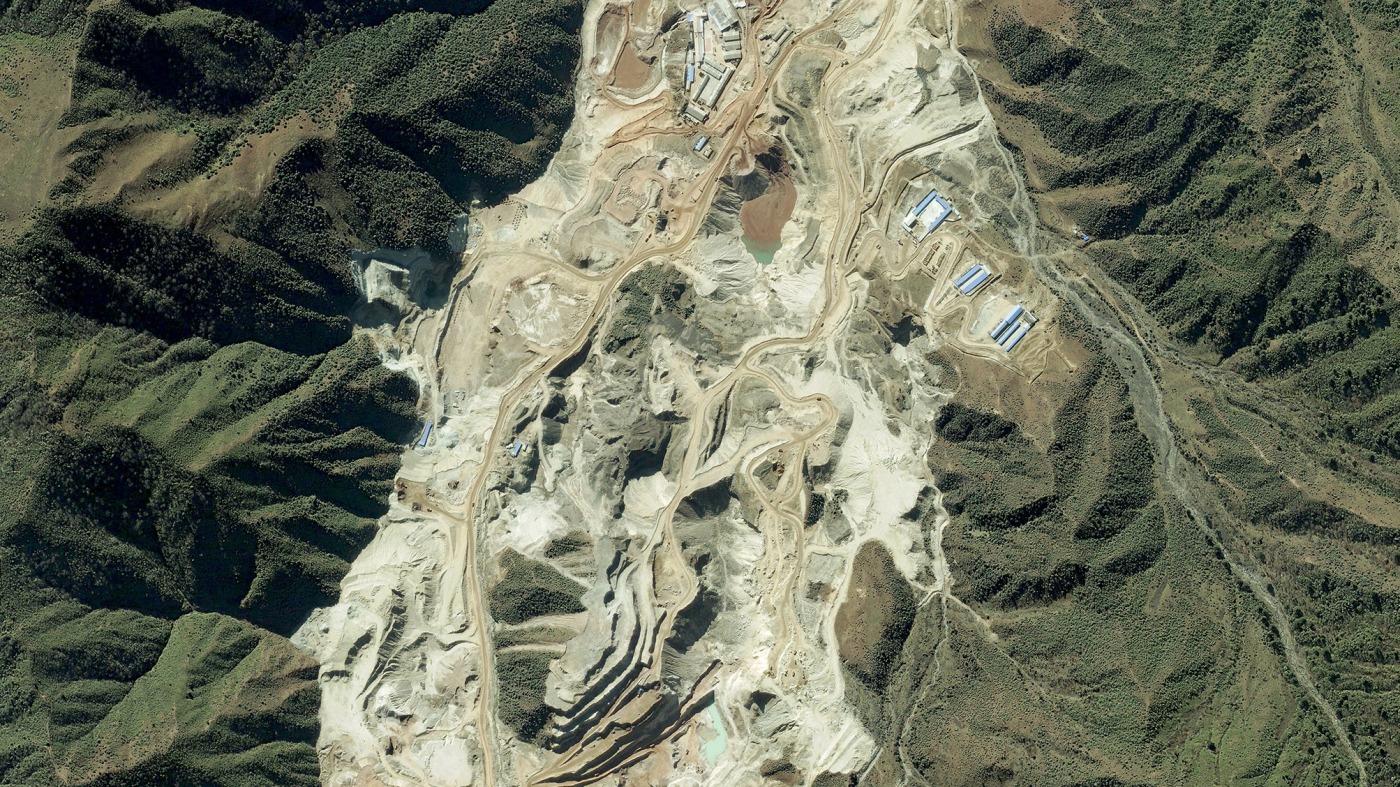
Geologists in Western Australia have discovered the world's largest iron ore deposit, containing about 55 billion metric tons of high-quality ore valued at $6 trillion, which could significantly impact global iron markets and deepen understanding of Earth's geological history.
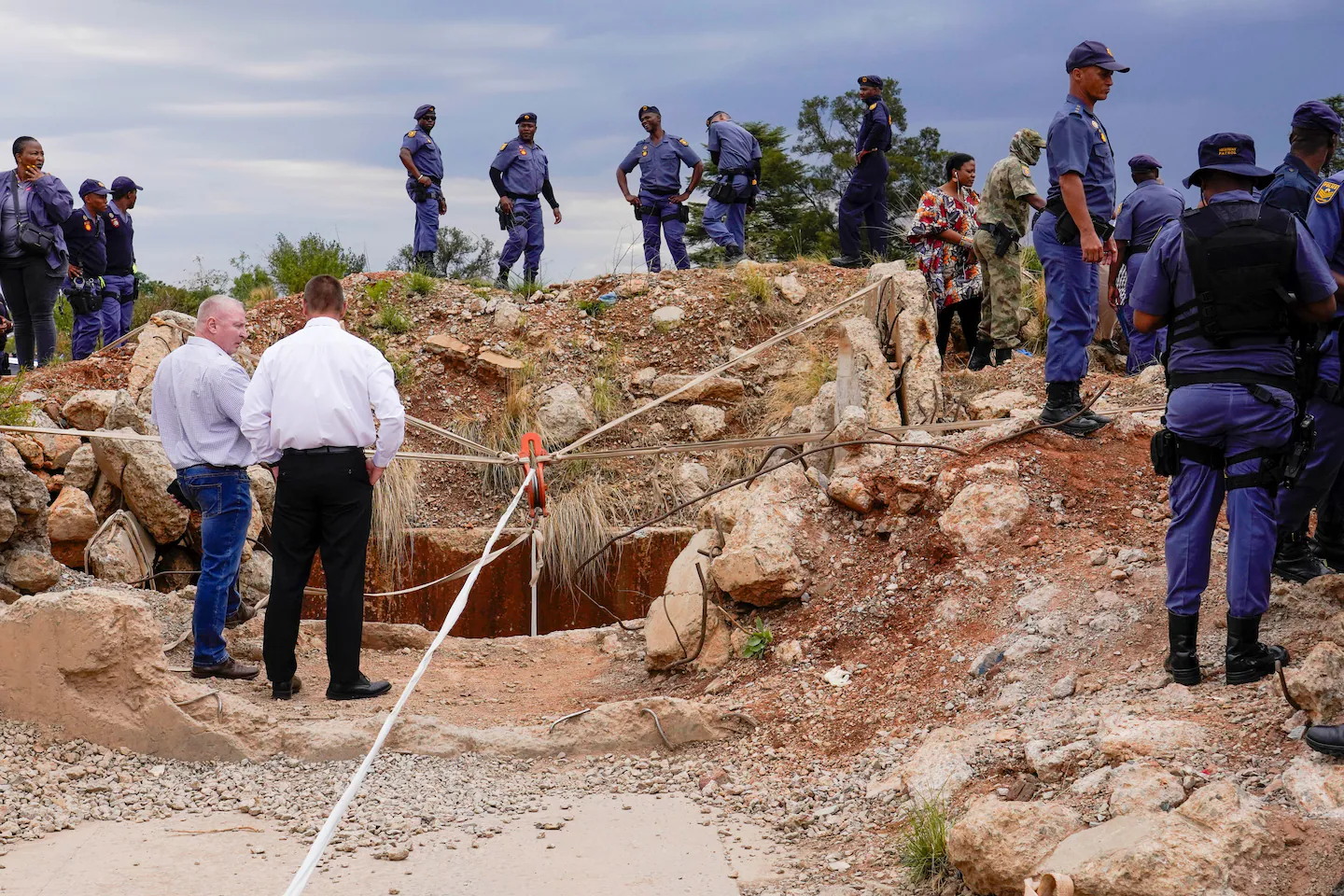
South African authorities are under scrutiny for cutting off food and water to illegal miners hiding underground in Stilfontein as part of a crackdown on illegal mining. The South African Human Rights Commission is investigating the tactic, which has been in place for nearly three months. Critics argue the approach is inhumane, while authorities maintain it is necessary to bring miners to the surface. The operation, part of a broader effort to combat illegal mining linked to organized crime, has led to arrests and deportations, but also raised concerns about potential humanitarian crises.
BHP's failed attempt to acquire Anglo American's copper operations highlights the growing scarcity of copper. Despite record-high prices and increasing demand driven by energy transitions, AI development, and defense spending, new copper supply investments remain weak. The market is currently in surplus, but future deficits are expected due to declining ore grades and regulatory challenges. Miners are hesitant to invest heavily in new mines, preferring acquisitions to grow revenue.
Anglo American Plc has refused to extend the deadline for BHP Group to commit to a $49 billion takeover offer, potentially ending the five-week pursuit. BHP must now decide whether to make a firm offer without Anglo's board support or walk away for six months.
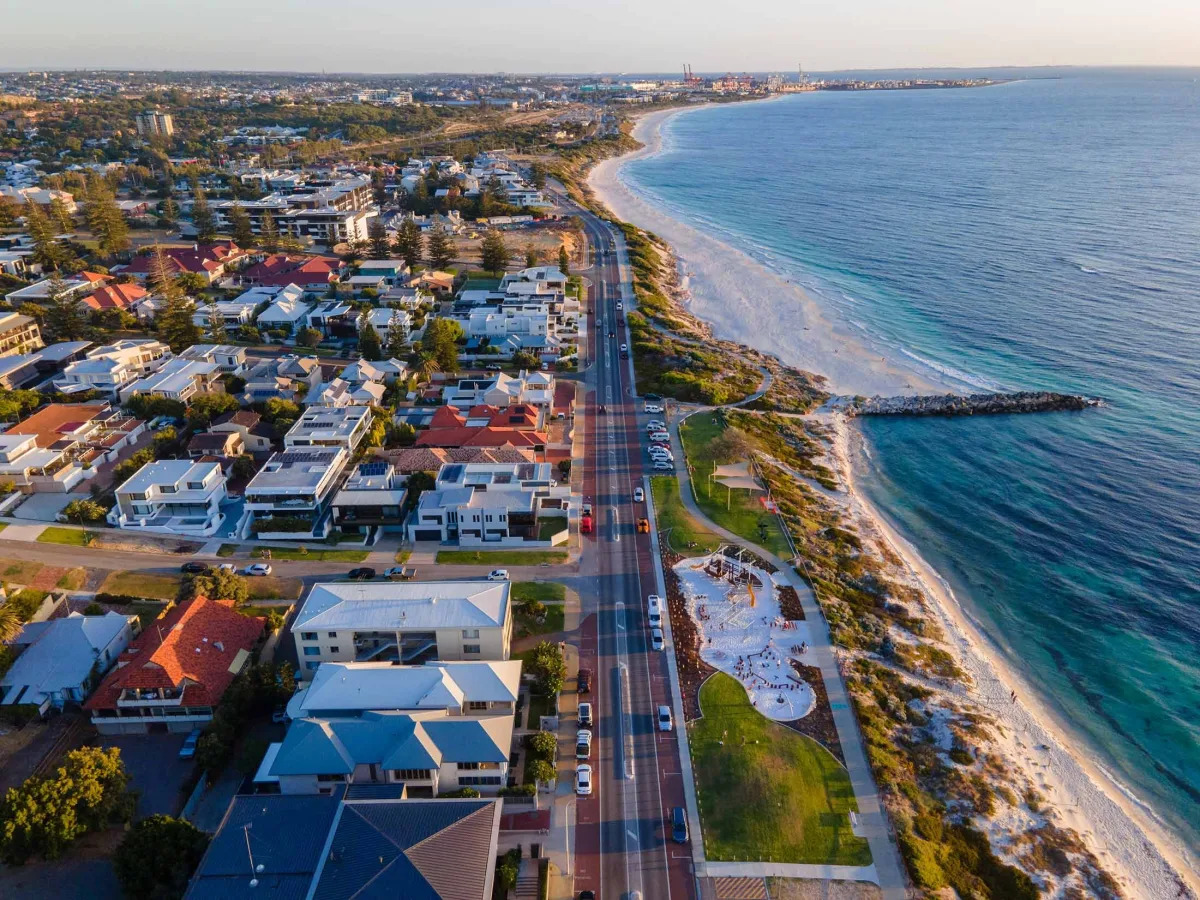
The business of catering to the ultra-rich is booming in Perth, Australia, driven by a surge in family offices that manage the wealth of centi-millionaires and billionaires, many of whom have made their fortunes in the mining industry. This trend reflects a broader global increase in family offices, which offer personalized financial services and tight control over assets. Despite challenges like a limited local talent pool, Perth's family offices thrive on a culture of familiarity and risk-taking, rooted in the region's mining heritage.
The upcoming Bitcoin halving, set to occur in April 2024, will reduce the block reward for miners, potentially impacting network security and the mining industry. The reduced reward could lead to financial strain on less efficient mining operations and a temporary contraction in hashing power, affecting network security. However, if the price of Bitcoin increases and transaction fees compensate for the reduced block reward, the industry could see positive outcomes, such as increased demand, stable hash rates, and institutional investment, reinforcing Bitcoin's position as the leading cryptocurrency.
The slowdown in electric vehicle (EV) demand has caused a surplus of rare earth minerals, leading to mines shutting down worldwide. Producers had ramped up mining operations to meet the expected demand, but consumers have not adopted EVs at the anticipated rate, causing mineral prices to plummet. This has particularly impacted the Australian mining industry, with the government designating nickel as a critical mineral to support struggling companies. The U.S. is seeking to subsidize projects outside of China to secure access to rare earth minerals, with the Biden administration including provisions in EV tax credits to ensure a percentage of minerals are not from concerning foreign entities like China.
The recent nickel price drop has revealed the lack of long-term planning by Western miners and governments, particularly in Australia, where taxpayer incentives are being offered as a belated response to the industry's challenges. However, these measures, such as royalty rebates and critical minerals funding, are seen as insufficient to address the significant cost disparities and may not be enough to reverse recent project closures. The situation highlights the need for better strategic planning and investment in the face of market volatility.
Barrick Gold (GOLD) exceeded Q4 earnings estimates with $0.27 per share, a 28.57% surprise, but missed revenue estimates. Its stock performance will depend on management's commentary and future earnings expectations. The Zacks Rank for the stock is currently #3 (Hold), indicating expected performance in line with the market. Sandstorm Gold (SAND) is yet to report its quarterly results, with expectations of a significant year-over-year earnings change.
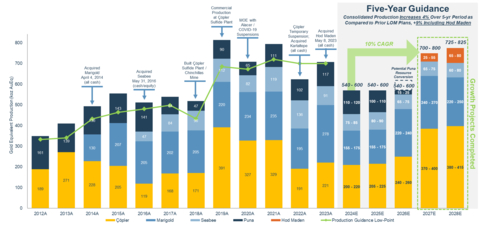
SSR Mining issues multi-year guidance and technical reports for all operating assets, projecting production growth approaching 800,000 ounces by 2027 at AISC trending towards $1,300 per ounce. The company's total 5-year production is expected to increase by 4% over prior life of mine plans to 3.1 million ounces gold equivalent, and by 9% including contributions from the Hod Maden acquisition. SSR Mining anticipates positive free cash flow in 2024 and aims to maintain its peer-leading capital returns yield and overall returns strategy. The company's technical reports indicate a corporate net asset value based on mineral reserve-only reports of over $3 billion, increasing to over $4 billion at spot commodity prices.