In 2025, AI profoundly impacted society by influencing policy, mental health, and the economy, with increased investments and regulatory debates, alongside concerns over safety, mental health risks, and job losses, setting the stage for continued change in 2026.
Private equity firms are struggling with a backlog of over 31,000 investments worth $3.7 trillion due to poor returns, difficulty selling assets, and lower fundraising, leading to industry consolidation and cautious outlook despite some recent IPO successes.
Despite significant geopolitical tensions, economic shifts, and rising inflation concerns, global markets have remained resilient in 2025, with equities up and gold prices soaring, indicating investor uncertainty and the need for insurance against future risks.
The US has overtaken China as Africa's largest foreign investor in 2023, driven by strategic interests in critical minerals vital for technology and defense, with US investments reaching $7.8 billion compared to China's $4 billion, marking a shift in geopolitical influence on the continent.
Berkshire Hathaway's cash reserves hit a record $382 billion in Q3, with operating earnings up 34%, driven by strong insurance profits, though investment income declined and share buybacks were paused, signaling cautious optimism as Buffett prepares to hand over CEO duties.
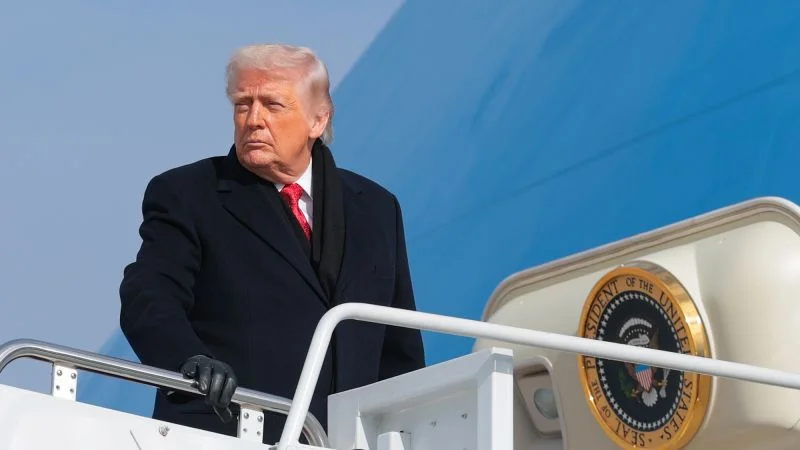
The Trump administration is reportedly in talks to invest in several quantum computing companies, causing their stocks to surge. This move aligns with the government's strategic focus on high-tech industries like semiconductors and rare earth minerals, viewing quantum computing as a future technological frontier. However, these stocks are highly speculative with little current revenue, and the investment is unlikely to be material for the companies' growth, serving more as a positive signal than a guarantee of success.
Donald Trump's visit to Southeast Asia has boosted hopes for increased US engagement and investment in the region, with new trade agreements and signs of political stabilization making ASEAN markets more attractive despite ongoing trade tensions and market liquidity concerns.
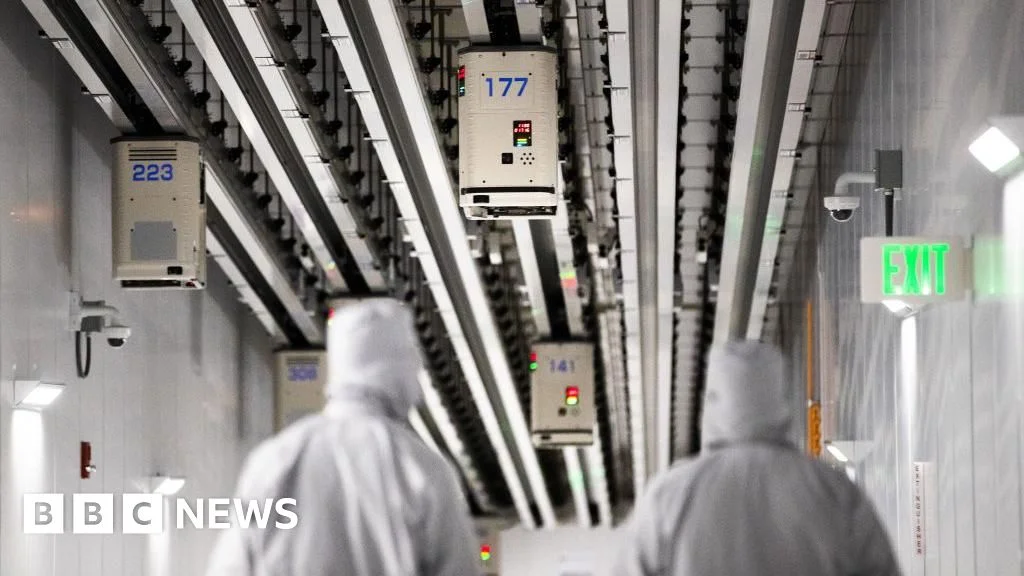
Intel's stock has surged 86% in three months amid high investor expectations and significant investments, but the upcoming earnings report is expected to focus more on future prospects and how the company will navigate economic challenges, rather than past performance. Investors are scrutinizing the company's strategy, cost-cutting measures, and the potential impact of government export restrictions, with a broader focus on future growth rather than current earnings.
The Trump administration has taken equity stakes in four public companies—Intel, MP Materials, Lithium Americas, and Trilogy Metals—setting a potentially dangerous precedent for government ownership in the stock market, raising concerns about conflicts of interest and influence over corporate governance.
The Trump administration's strategic investments in critical US industries like minerals, chip manufacturing, and lithium have led to significant stock surges, sparking investor speculation on future targets and raising concerns about market speculation and government influence.
The article discusses the growing network of circular investments among major AI companies like Nvidia, OpenAI, AMD, Oracle, and SoftBank, which is fueling a potential bubble due to insular deals and inflated valuations. Experts warn that if AI productivity gains are limited, a market correction could occur, reminiscent of the 2000 dot-com bubble, though industry leaders remain optimistic about long-term growth.
Nvidia's recent $100 billion investment in OpenAI and its web of circular investments raise concerns about an AI market bubble, with critics pointing to potential overvaluation and risky financial practices reminiscent of past tech bubbles, which could impact broader markets.
Since taking office in January, President Donald Trump has purchased over $103 million in corporate and municipal bonds, including investments in major banks and corporations, raising questions about the implications of his active trading and potential conflicts of interest, though officials claim these transactions are managed independently of him.
During his time in office, Donald Trump engaged in a bond-buying spree, purchasing over $100 million worth of bonds from various entities including local governments and major corporations, raising questions about conflicts of interest and financial dealings while in office.
Wealthy family offices and investors, including Warren Buffett's Berkshire Hathaway, increased their stakes in UnitedHealth Group amid the company's recent struggles, leading to a significant share price rise. Other notable investments included tech stocks like Apple, Nvidia, and Taiwan Semiconductor, with some major fund shifts observed in 13F filings. The moves highlight contrarian and value investing strategies during a turbulent period for UnitedHealth.