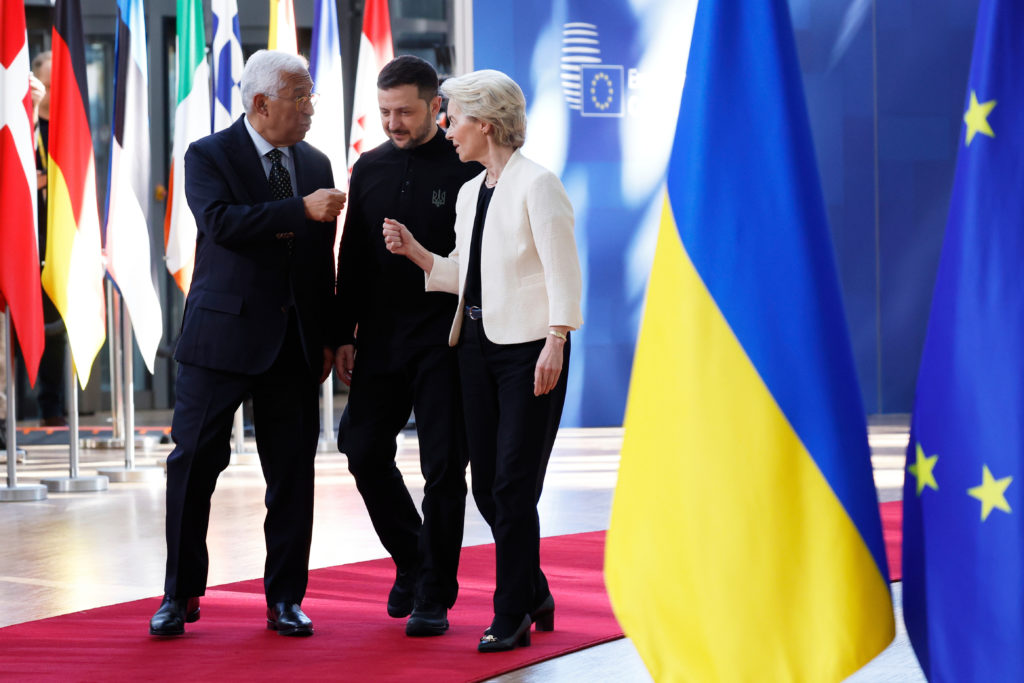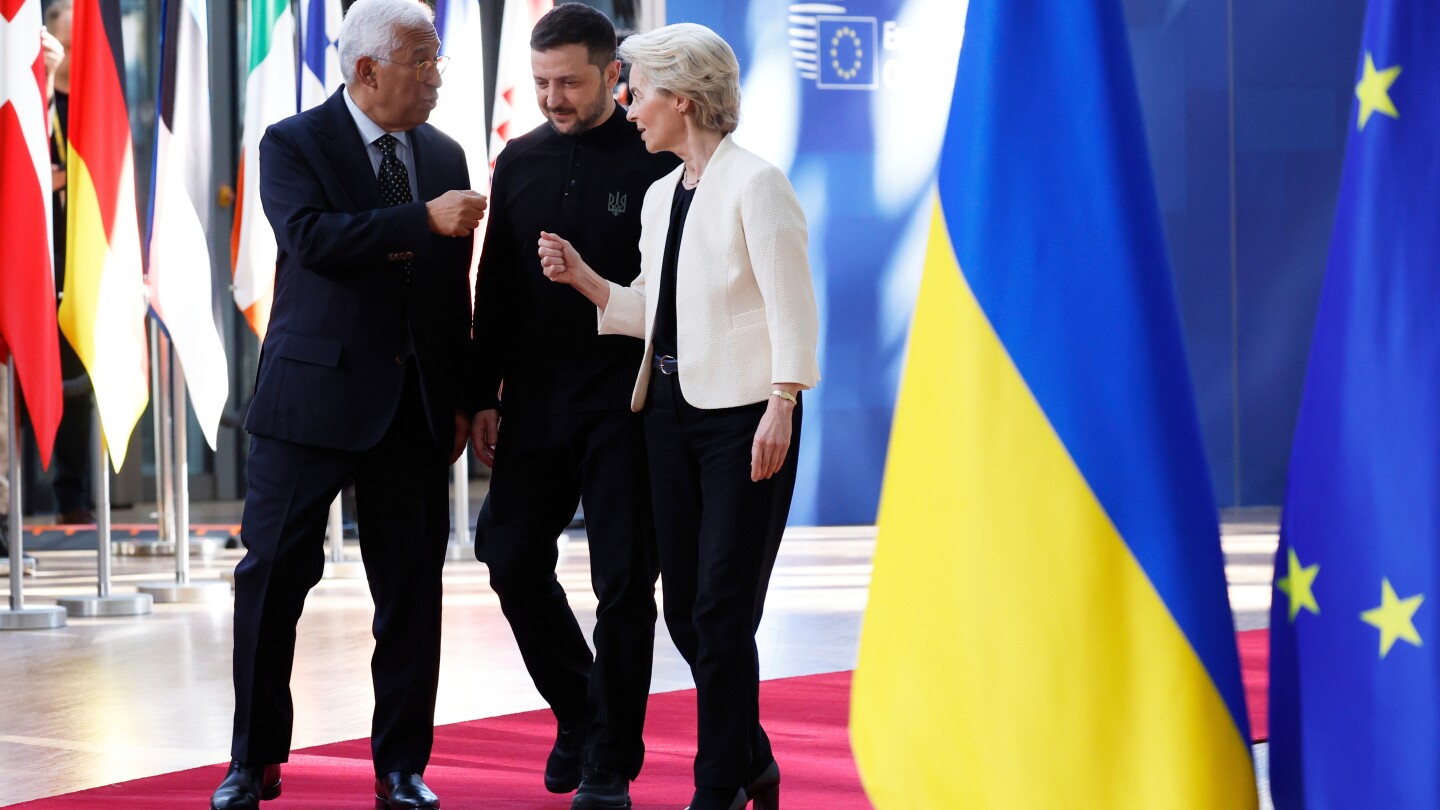
EU leaders are preparing for a high-stakes summit to decide on using frozen Russian assets to fund Ukraine's economic and military needs, proposing a controversial 90 billion-euro reparations loan with potential legal and diplomatic challenges, amid disagreements among member states about the best approach and concerns over trust and legal implications.
EU leaders are preparing to take unprecedented steps at a summit to use frozen Russian assets to fund Ukraine's economic and military needs, including proposing a 90 billion-euro reparations loan, amidst legal and political challenges and concerns over trust and precedents.
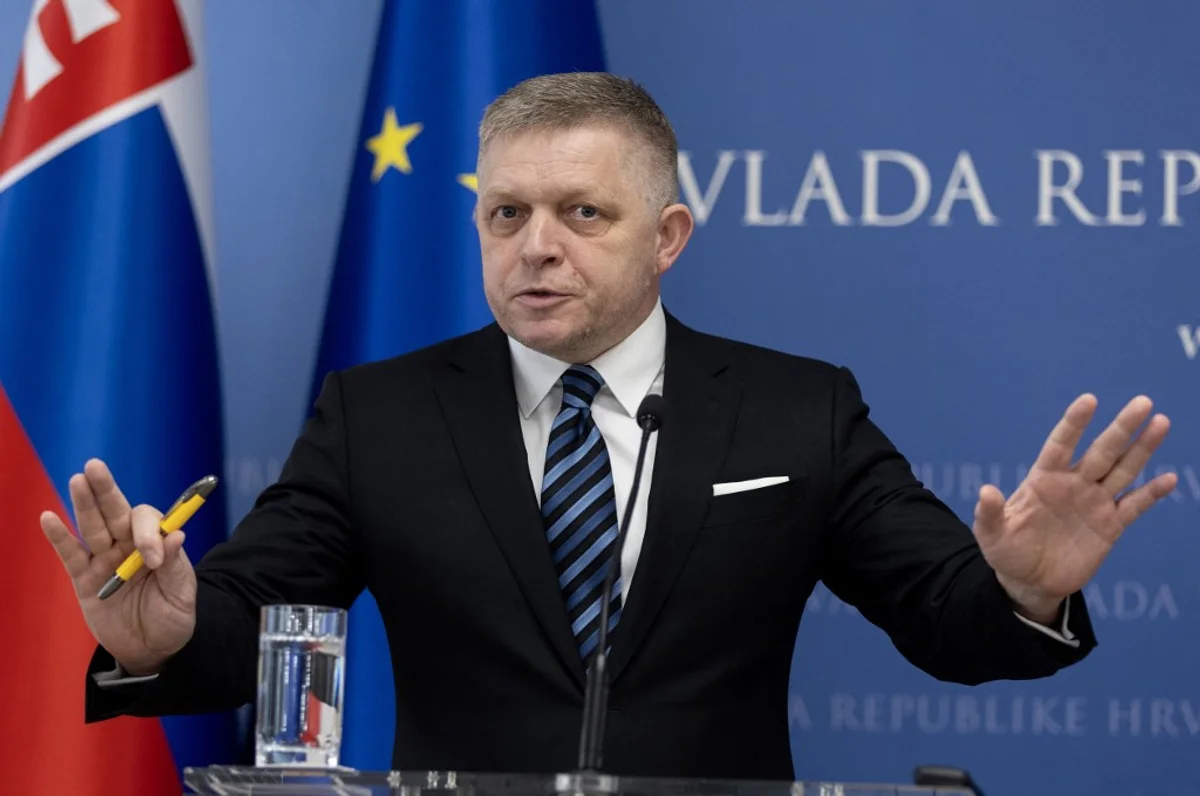
Slovakia's Prime Minister Robert Fico opposes the EU proposal to use frozen Russian assets to support Ukraine, arguing it would prolong the war and threaten Slovakia's energy security, with other countries like Belgium also resisting the plan.
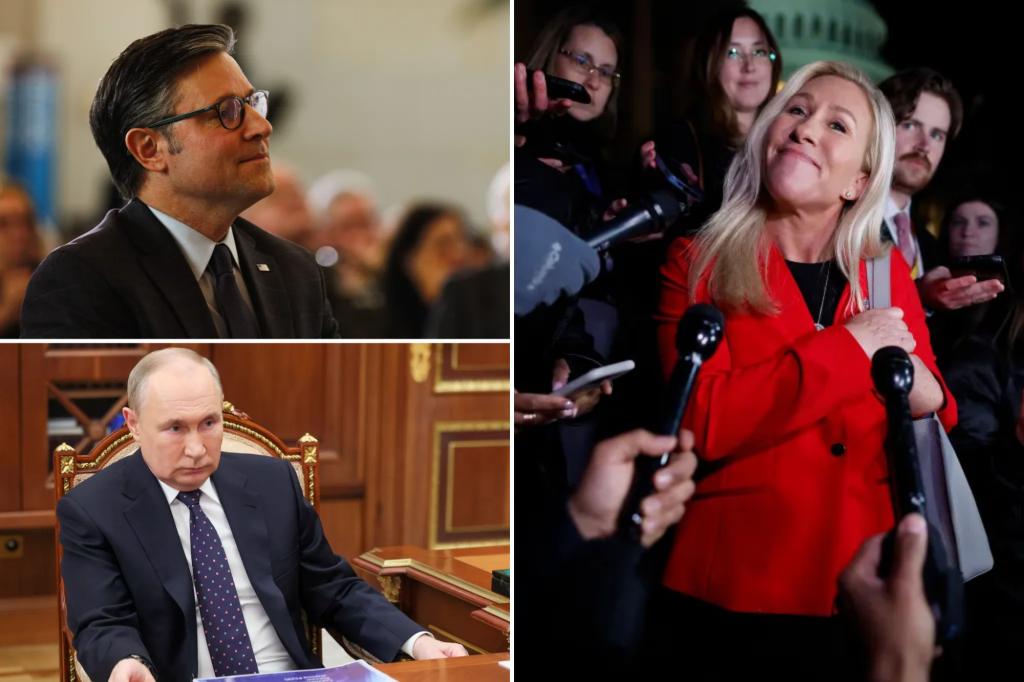
With the deadlock over Ukraine aid in Congress, lawmakers are considering alternatives such as providing only military aid, offering loans to Ukraine, and tapping into frozen Russian assets. There is bipartisan support for continued assistance to Kyiv, but there are disagreements over the best approach. Some lawmakers argue for focusing solely on lethal military hardware, while others suggest loaning Ukraine the necessary funds. Additionally, there are discussions about using frozen Russian assets to support Ukraine's efforts. The timing and method of delivering aid to Ukraine remain uncertain, with concerns about potential delays impacting the ongoing conflict.