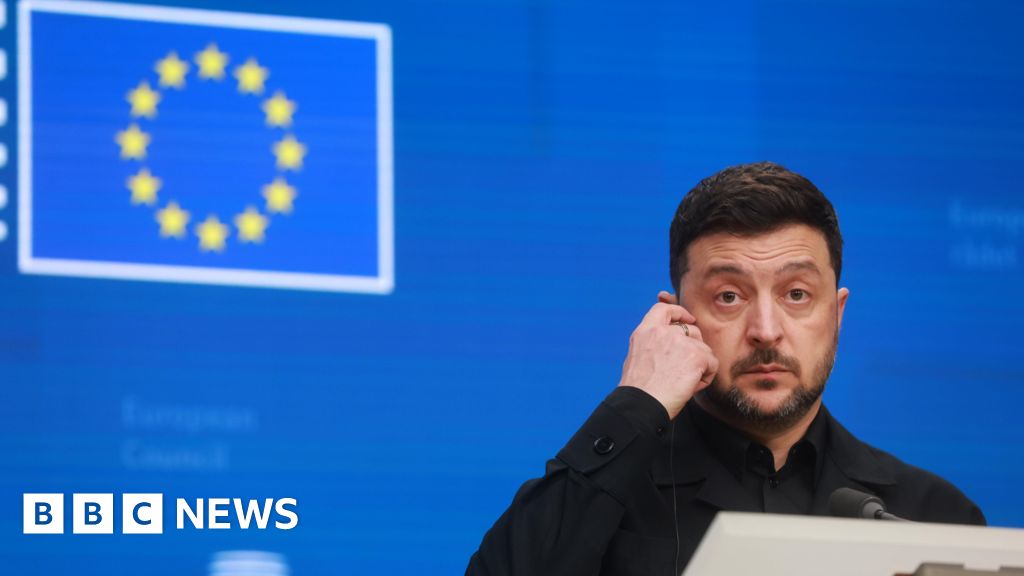
EU leaders agreed to raise €90bn in zero-interest loans to support Ukraine for the next two years, amid divisions over the approach and differing attitudes towards Russia, with some countries seeking exemptions and considering future use of frozen Russian assets. Ukraine also needs additional funding and hopes for support from non-EU allies and international banks.
European leaders face a critical summit amid deep divisions over using €210 billion in frozen Russian assets to fund Ukraine, with US pressure and internal disagreements threatening EU unity and its ability to support Ukraine effectively.
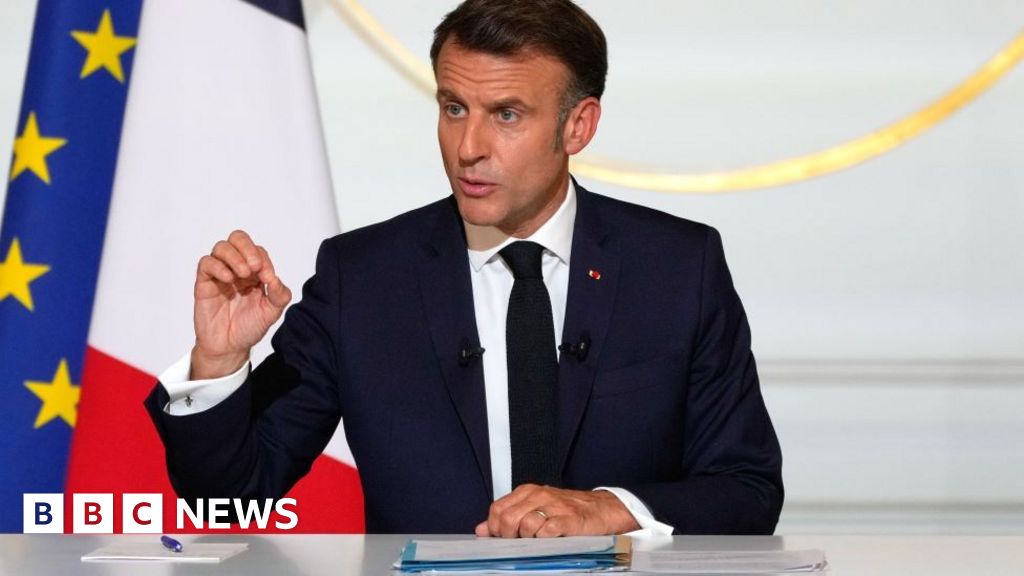
French President Emmanuel Macron's visit to Greenland signifies European support and unity amid rising global tensions over Arctic resources and security, serving as a signal to the US and China, and highlighting Europe's increasing role in Arctic geopolitics.
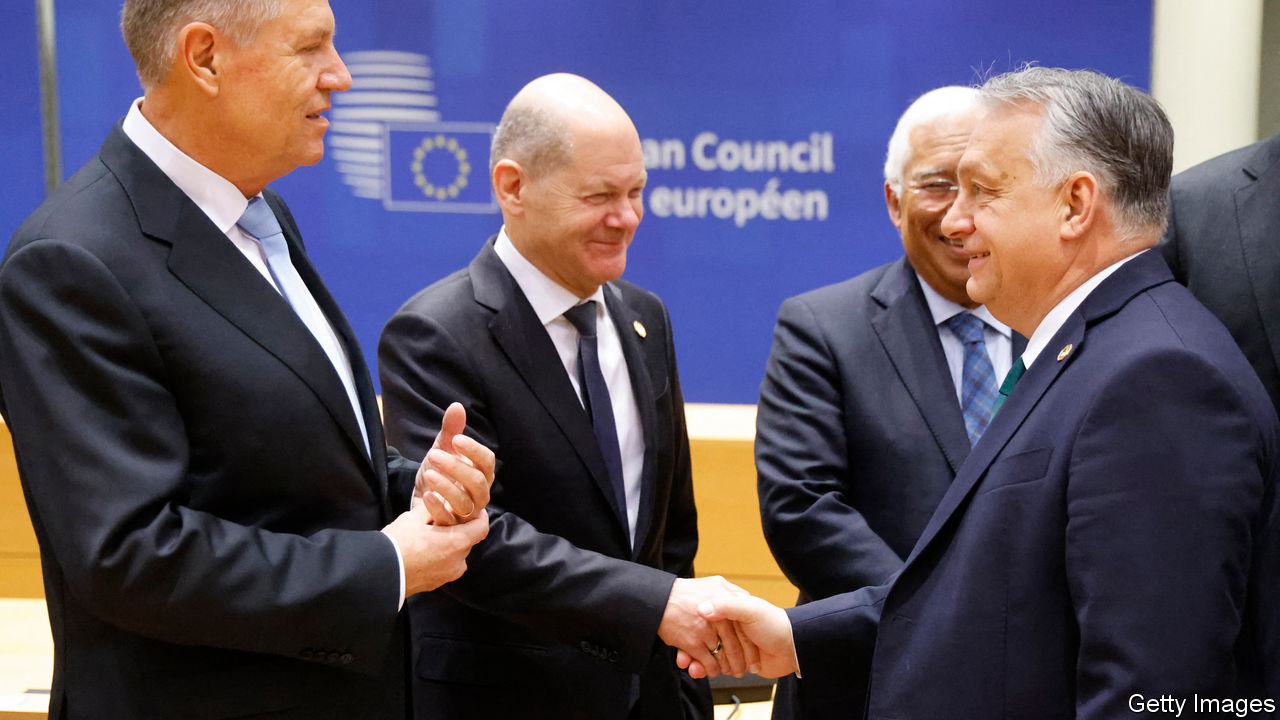
European leaders swiftly approved €50bn in aid for Ukraine, overcoming the influence of Viktor Orban, the Hungarian prime minister who had previously blocked the aid. The funding will help Ukraine address a budget shortfall and comes at a crucial time as support from the US has been hindered by partisan issues. The summit also highlighted the waning patience of European leaders with Orban's obstructionist tactics, ultimately leading to a unified decision to support Ukraine and diminish Orban's influence.
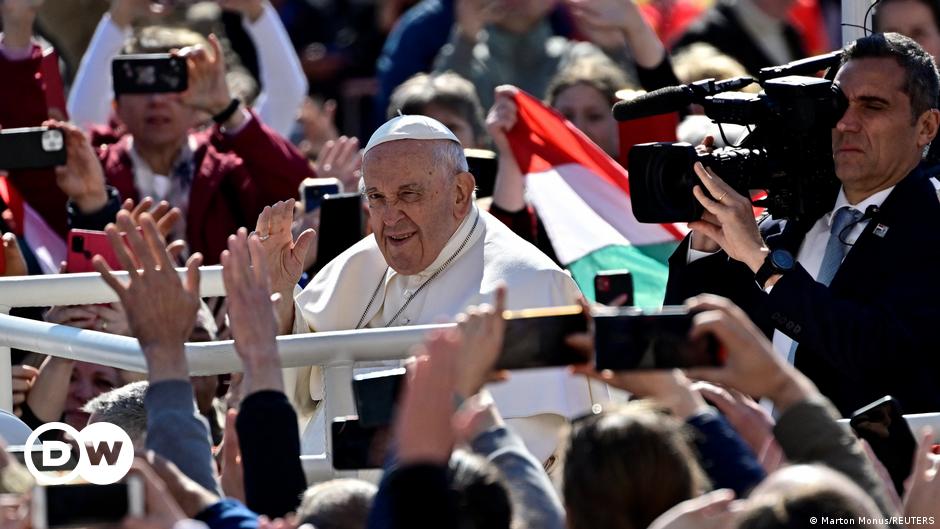
Pope Francis urged Hungarians to fight against rising nationalism and closed doors towards migrants and the poor in his final Mass in Hungary, which was attended by tens of thousands of people, including President Katalin Novak and Prime Minister Viktor Orban. The pope also called for a united Europe in his visit, which was his first foreign trip since being hospitalized last month. He also expressed willingness to do everything to end the war in Ukraine, which the Vatican is currently involved in a peace mission for.