The CEO of iRobot criticized the previous management for being in denial about the company's issues, indicating internal problems that may have affected the company's performance.
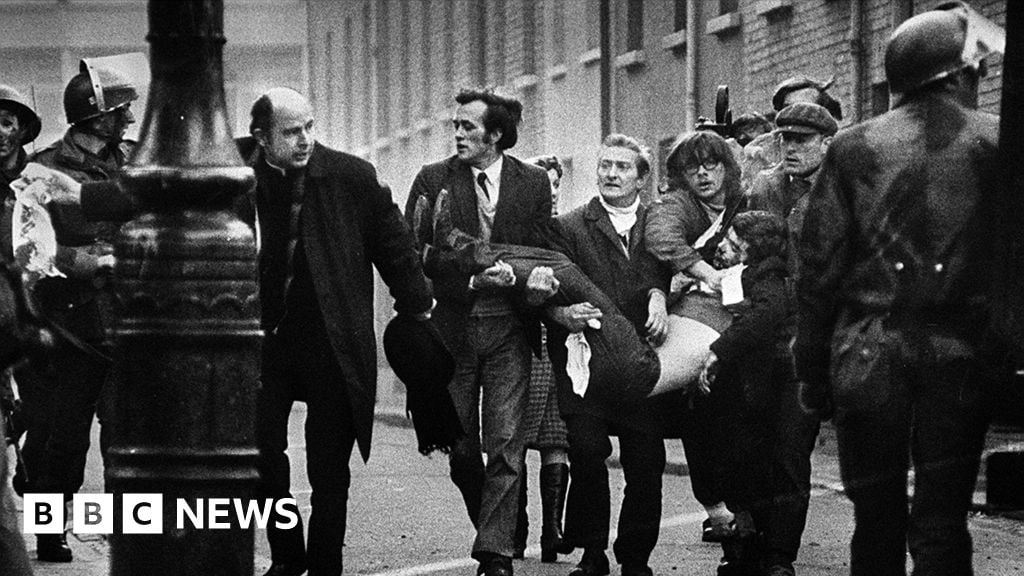
The judge ruled Soldier F not guilty in the Bloody Sunday case due to unreliable witness statements, despite acknowledging the soldiers' misconduct and the tragic loss of life, leading to mixed political reactions and ongoing debates about justice for Troubles-era killings.
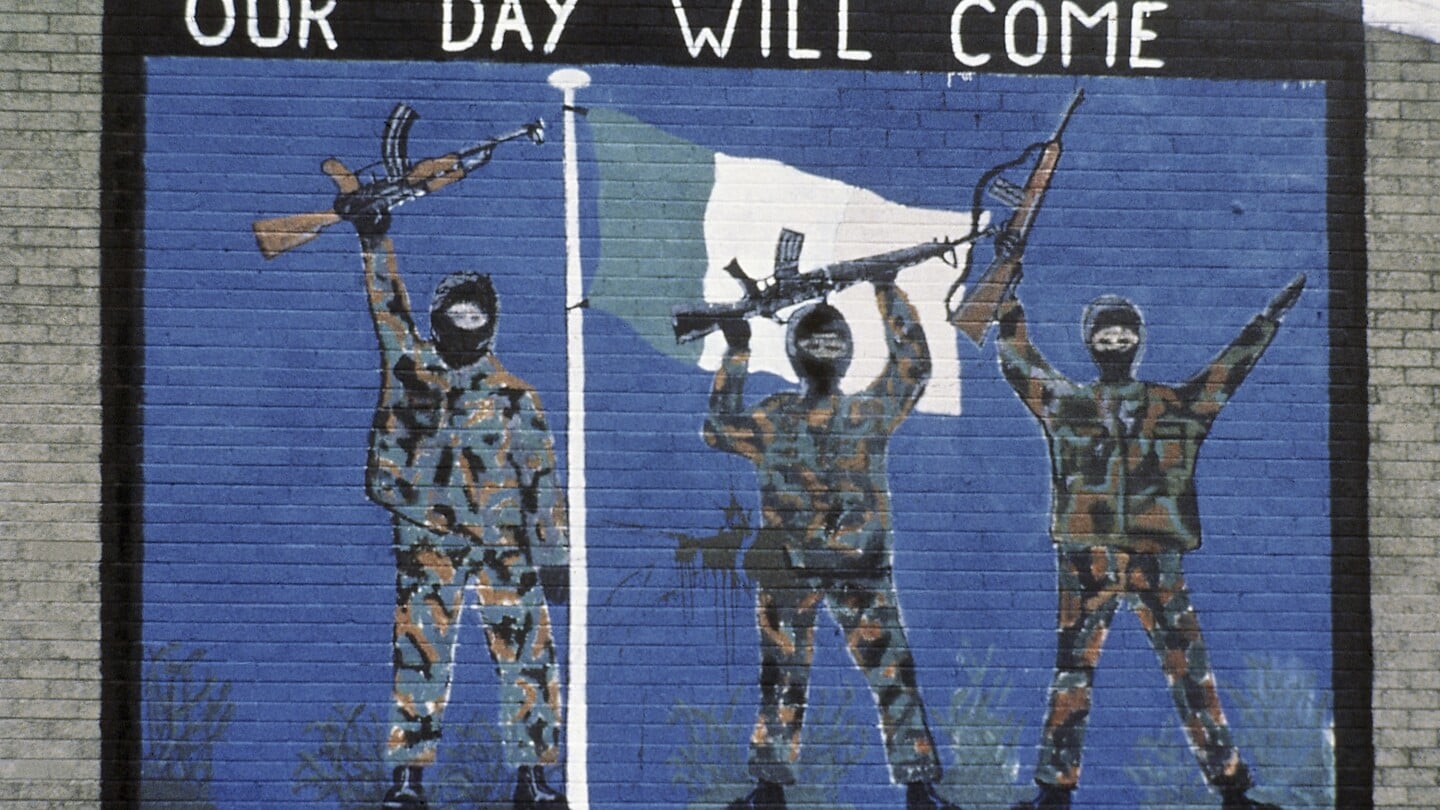
A seven-year investigation known as Operation Kenova has concluded that a former Irish Republican Army double agent, known as "Stakeknife," was likely responsible for more deaths than lives saved during Northern Ireland's three-decade conflict, despite claims that his actions saved countless lives. The report, authored by Jon Boutcher, found that the spy's actions resulted in preventable crimes, including murder, and that the number of lives saved was in the "high single figures" or "low double figures." The report also called for the United Kingdom and the IRA to apologize to bereaved families, and a lawyer representing impacted families called for a public inquiry into the state's penetration of the militant group.
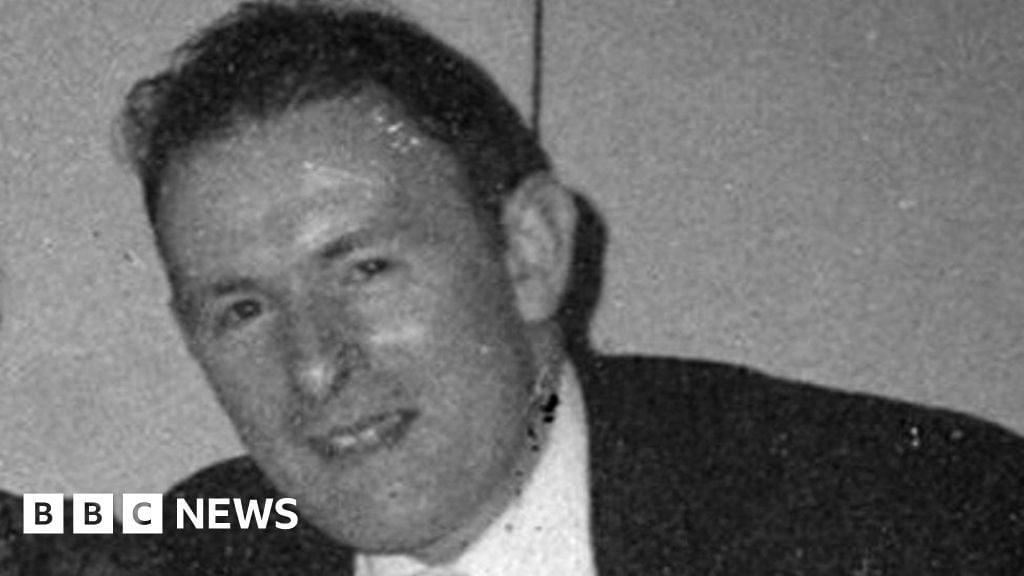
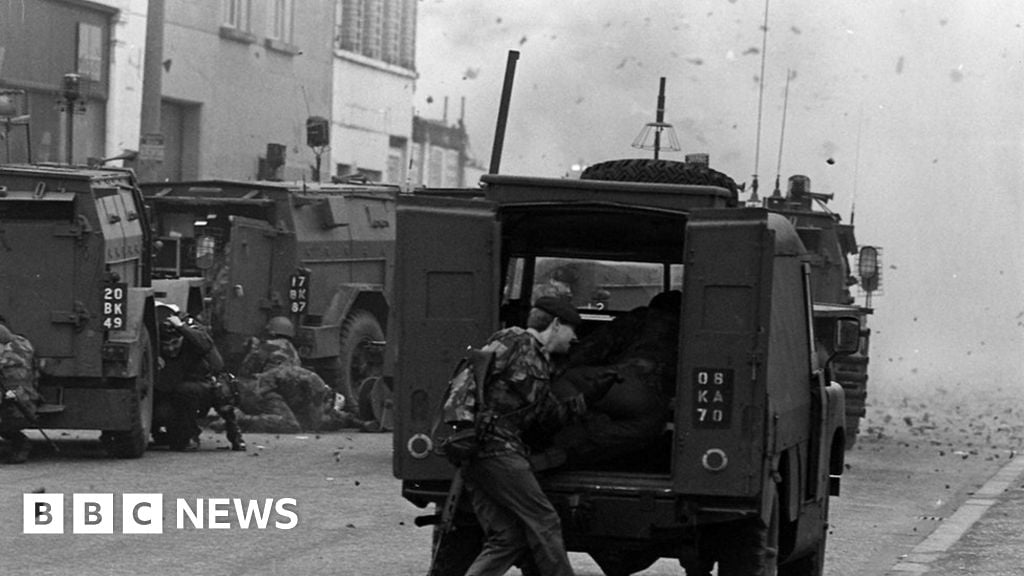
A former soldier, referred to as Soldier F, is to be charged with the murder of Patrick McVeigh and the attempted murder of six others in Belfast during the Troubles in 1972. Three other former soldiers will also face prosecution for attempted murder. The cases are not affected by the Legacy Act, which will offer amnesties in Troubles cases from later in 2024. The shootings involved an undercover Army unit called the Military Reaction Force, and the move to prosecute has sparked mixed reactions from politicians and veterans.
Ireland is bringing an inter-state case against the UK under the European human rights convention over the Northern Ireland Troubles (legacy and reconciliation) bill, which sets up an independent commission for reconciliation and information recovery. The law allows conditional immunity from prosecution for those who reveal details of the killings, angering both nationalists and unionists. The law lacks political and legal support, with challenges already underway in Northern Ireland courts. Critics argue that it weakens the obligation to conduct effective investigations into deaths caused by state agents. The UK government's refusal to pause the law is seen as an act of bad faith and strains the Anglo-Irish relationship. A Labour government would scrap the law, and a more just approach to dealing with legacy issues is needed.
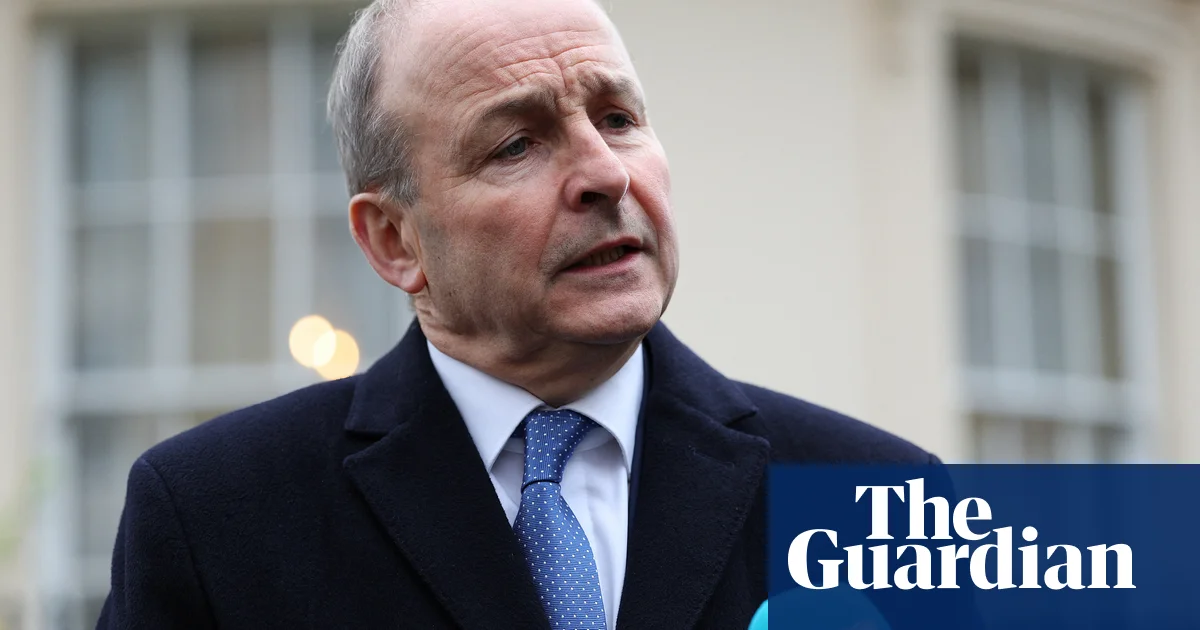
The Irish government has announced that it will launch a legal challenge against the UK government over a controversial law that grants immunity from prosecution for offenses committed during the Troubles in Northern Ireland. The Legacy and Reconciliation Bill, passed in September, has been criticized for denying justice to victims and survivors. The law stops most prosecutions for alleged killings by militant groups and British soldiers, and those who cooperate with the Independent Commission for Reconciliation and Information Recovery can be granted immunity. The Irish government argues that the law is incompatible with the UK's obligations under the European Convention on Human Rights and will take the case to the European Court of Human Rights.
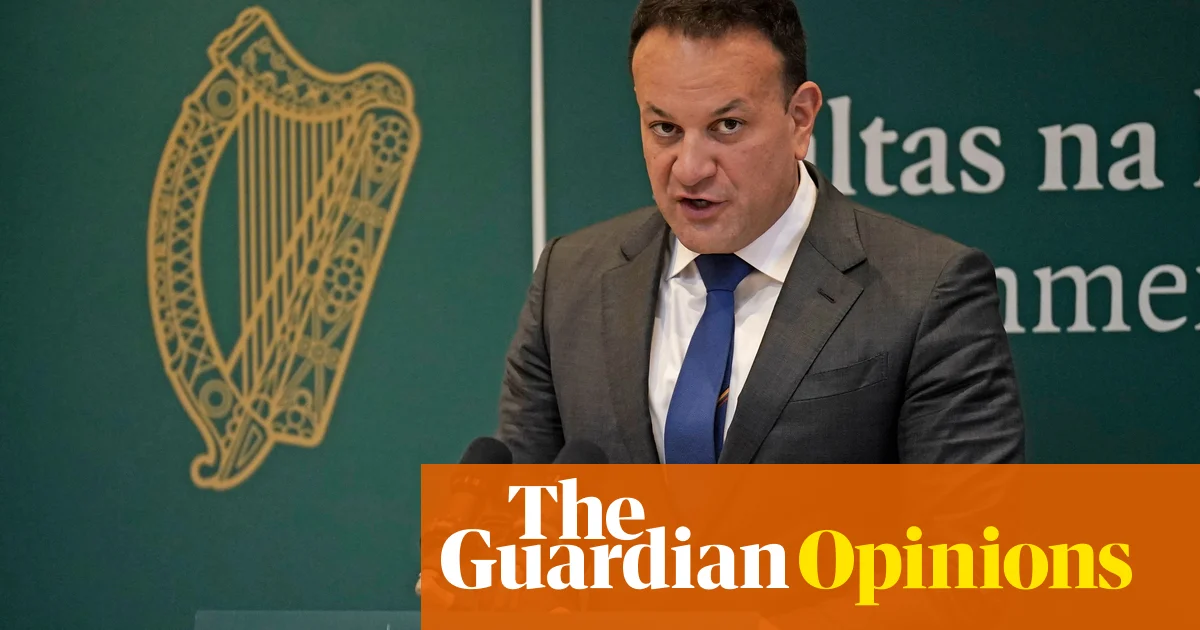
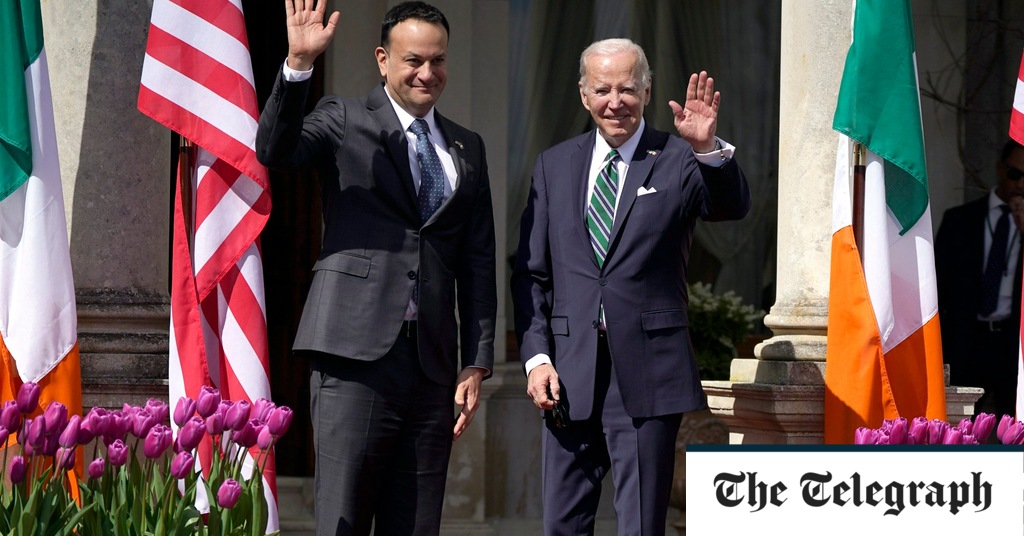
Joe Biden has shown his support for Ireland in its legal challenge against Britain over a new law granting immunity to soldiers during the Troubles. The US president, who has a strong affinity for his Irish roots, offered his backing to Irish Prime Minister Leo Varadkar during a meeting in September. Biden's intervention follows his warning to the UK that it could forget about a US-UK trade deal if it violated the Northern Ireland Protocol Brexit treaty. His outspoken love for Ireland has led to accusations from some unionists in Northern Ireland that he harbors dreams of a united Ireland.
Ireland is launching a legal challenge against the UK over a new law that grants immunity from prosecution for offenses committed during the Troubles in Northern Ireland. The Irish government argues that the law is incompatible with its obligations under the European Convention on Human Rights. The law, passed in September, has faced criticism for limiting access to justice for victims and survivors. Ireland plans to take the case to the European Court of Human Rights, with support from the United Nations and the Council of Europe.
The Irish government is launching a legal challenge against the UK government over its Troubles legacy act, which offers immunity for crimes committed during the conflict. The law, which became effective in September, has faced opposition from Dublin, Northern Ireland's main political parties, and victims' groups who argue that it removes access to justice. Ireland will bring the case under the European Convention on Human Rights, joining victims and survivors who have already taken the government to court. The Troubles, a 30-year conflict, resulted in thousands of deaths and injuries. The UK government introduced the legislation to "draw a line under the Troubles," but it has faced criticism from international observers and those directly impacted by the conflict.
Ireland is launching a legal challenge against the UK government's Northern Ireland Troubles (Legacy and Reconciliation) Act 2023, arguing that it is incompatible with the UK's obligations under the European convention on human rights. The act grants limited immunity from prosecution for Troubles-related offenses to those who cooperate with the Independent Commission for Reconciliation and Information Recovery, and also halts future civil cases and legacy inquests. The Irish government's decision to pursue legal action comes after the British government failed to engage with concerns raised about the legislation, leaving Ireland with few options.
Britain has announced a ban on the prosecution of past killings during the Troubles in Northern Ireland, involving both Catholic and Protestant victims. This decision has sparked controversy and criticism, as it is seen as a betrayal of justice for the families of those who lost their lives during the conflict.
The British government has passed a new law, the Northern Ireland Troubles (Legacy and Reconciliation) Act, which halts investigations into killings and disappearances that occurred during the Troubles in Northern Ireland. The law offers conditional amnesty to perpetrators who come forward with information and seals intelligence records. While supporters argue that it will help promote reconciliation and allow society to move on, many victims' families, including those of British soldiers killed by paramilitary groups, feel it denies them justice. The law has faced legal challenges, with critics accusing the government of disregarding the trauma and pain of those affected.
The release of paramilitary prisoners was one of the consequences of the 1998 Good Friday Agreement, which brought an end to 30 years of bloodshed in Northern Ireland. The legislation that enabled their early release still remains in place, meaning most people who are convicted today of a Troubles-era offence can apply to be let out after two years of their sentence. The release of prisoners remains a controversial aspect of the agreement, with some victims' families feeling that justice has not been served.