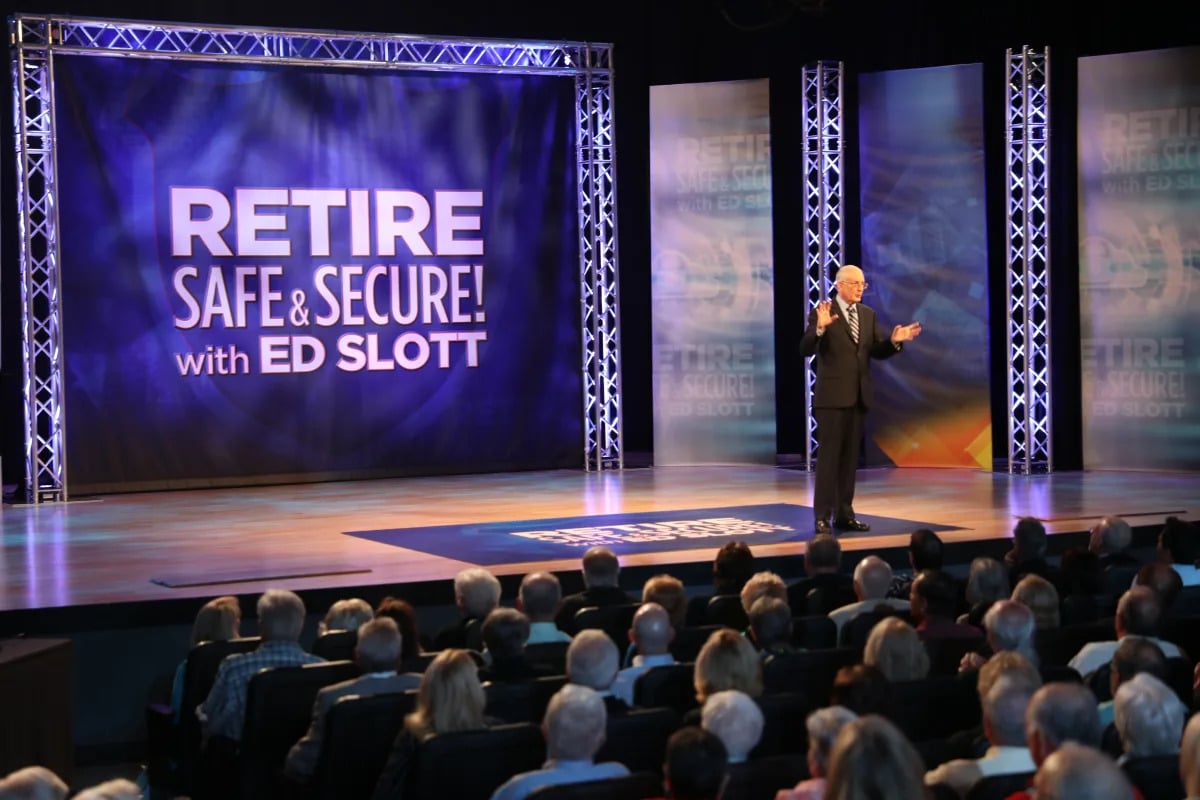
The article explains upcoming changes to required minimum distribution (RMD) rules for retirees in 2026, including the age at which RMDs start, the elimination of RMDs for Roth 401(k) plans, and penalties for failing to take RMDs on time, emphasizing the importance of understanding these rules for retirement planning.
Contributing the IRS limit of $7,500 annually to an IRA from age 27 to 67 could grow to about $1.38 million with an S&P 500 index fund, or around $882,000 with a more conservative 60/40 stocks and bonds portfolio, highlighting the impact of investment choices on retirement savings.
A retiree who mistakenly paid taxes on a small 401(k) distribution and later deposited it into a traditional IRA cannot convert it to a Roth IRA without paying taxes again, but can withdraw the excess contribution and earnings before the tax deadline to avoid penalties. The article emphasizes the importance of consulting a tax professional and setting up financial guardrails as one approaches retirement.
Many investors, especially self-directed ones with small balances, miss their required minimum distributions (RMDs) from IRAs, leading to potential tax penalties totaling up to $1.7 billion annually. Vanguard estimates that 6.7% of IRA holders aged 73+ missed RMDs in 2024, with larger account holders facing higher penalties. Automating RMDs and consolidating accounts can help prevent these costly mistakes.
Experts warn that overlooking beneficiary designations on IRAs is a major mistake, as it can lead to unintended heirs, costly probate, and unfavorable tax consequences. Properly updating beneficiaries is crucial to ensure assets go to the intended recipients and to optimize tax planning.
The SECURE 2.0 Act, signed into law in December 2022, introduces new rules affecting retirement contributions, notably requiring high-income taxpayers earning over $145,000 to make catch-up contributions on a Roth (after-tax) basis starting in 2027, which may influence retirement savings strategies and tax planning.
The article discusses the political and economic implications of potential rollbacks to U.S. clean energy incentives, particularly those established by the Inflation Reduction Act, highlighting the impact on manufacturing, jobs, and investments in red states like Utah, amid bipartisan debates over energy policy and climate goals.
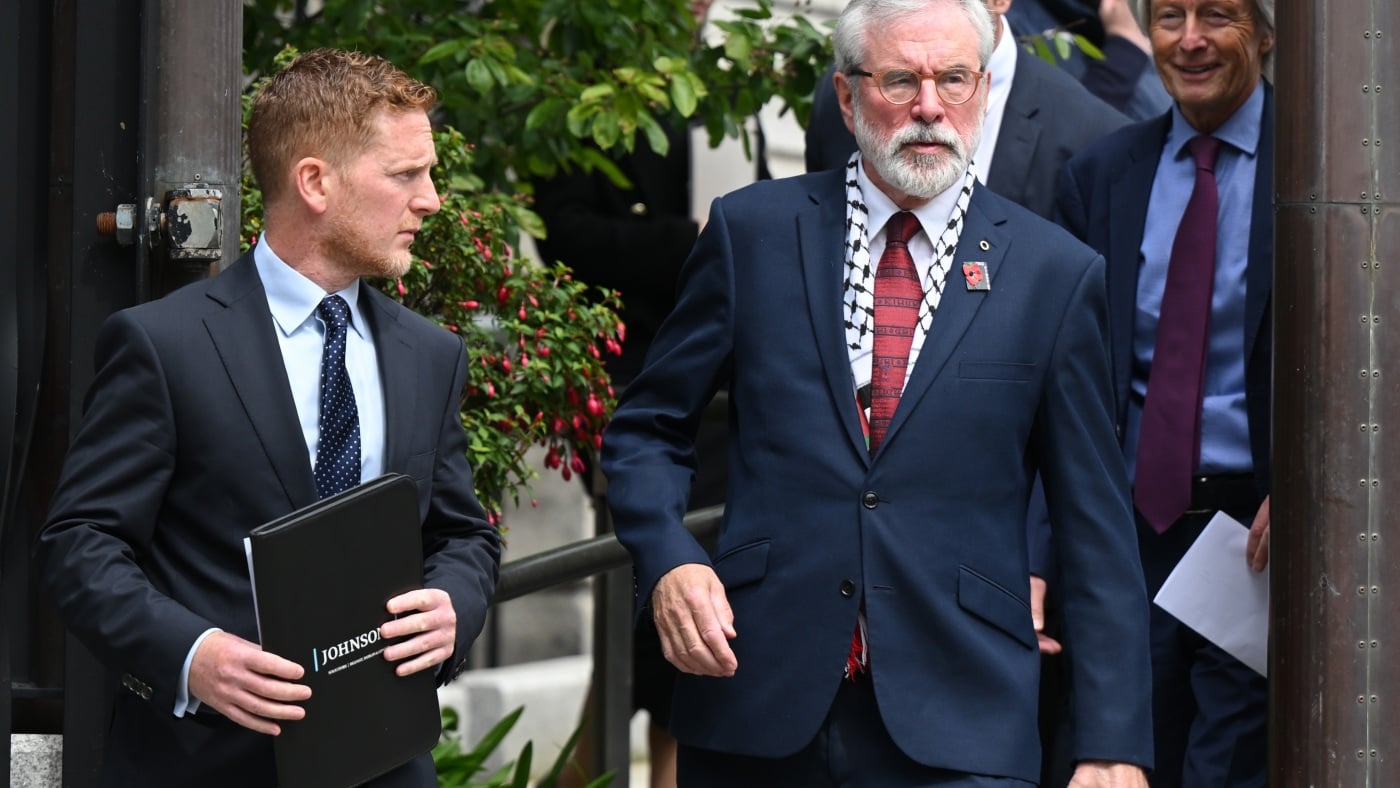
Gerry Adams, former Sinn Fein leader, won a libel case against the BBC over a documentary claiming he sanctioned the 2006 murder of a British spy, with the jury awarding him 100,000 euros in damages, rejecting the BBC's defense of responsible journalism.
The creators of FX's true-crime series 'Say Nothing,' writer Josh Zetumer and director Michael Lennox, discuss the emotional and historical significance of the show's finale, which explores the murder of Jean McConville during the Troubles in Northern Ireland. The series aims to highlight the destructive power of silence surrounding IRA activities and the lasting trauma for both victims and perpetrators. The show also provides contact information for the Independent Commission for the Location of Victims’ Remains, emphasizing its potential role as a social good by raising awareness and encouraging justice for unresolved cases.
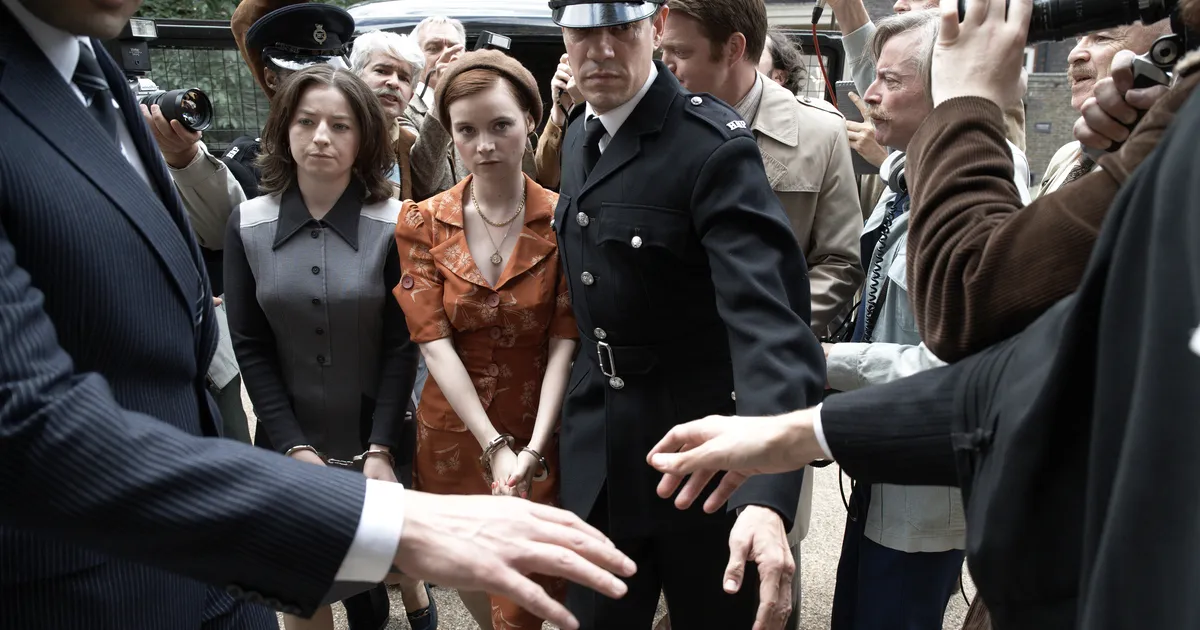
Actors Lola Petticrew and Maxine Peake discuss their roles as Dolours Price in the FX/Hulu series 'Say Nothing,' portraying her at different life stages during the Troubles in Northern Ireland. The series explores Price's involvement with the IRA, her participation in the 1973 London bombing, and her subsequent hunger strike. Both actors highlight the complexity of Price's character and the series' focus on the gray areas of morality, aiming to spark conversations about the legacy of the Troubles.
The FX/Hulu miniseries "Say Nothing," adapted from Patrick Radden Keefe's book, struggles to balance its multiple storylines and characters while depicting Northern Ireland's Troubles. The series focuses on Dolours Price, an IRA member, and her complex journey from nonviolent protest to violent activism. While the show captures the nuances of the conflict and delivers strong performances, it falters in its narrative cohesion, particularly with the inclusion of the Jean McConville mystery, which feels extraneous. Overall, the series presents a fragmented portrayal of a significant historical period.
The FX miniseries "Say Nothing," adapted from Patrick Radden Keefe's nonfiction book, explores the emotional and moral complexities of the Northern Ireland conflict through the experiences of young IRA members, particularly Dolours Price. The series balances the thrill of revolutionary action with the heavy costs of political violence, focusing on personal stories rather than broader historical context. It raises timeless questions about the nature of armed struggle without taking a definitive stance, offering a nuanced portrayal of those involved in the conflict.
The FX series adaptation of Patrick Radden Keefe's book "Say Nothing" focuses on the life of Dolours Price, a key figure in the IRA during The Troubles in Northern Ireland. While the series cannot match the book's depth in historical context, it effectively portrays the personal struggles and radicalism of Price, played by Lola Petticrew and Maxine Peake. The show highlights the haunting consequences of the conflict, particularly through the stories of Price and the McConville family, whose mother was murdered by the IRA. Despite its limitations as a historical account, the series offers a compelling character study of Price's complex legacy.
Tax expert Ed Slott warns that traditional IRAs and 401(k)s are tax-deferred, not tax-free, and emphasizes the importance of planning to minimize taxes in retirement. With potential tax rate increases and the expiration of the 2017 Tax Cuts and Jobs Act provisions in 2025, Slott advises converting to Roth IRAs to take advantage of current lower tax rates. He highlights the significance of paying taxes at the lowest rates and suggests strategies like Roth conversions and charitable giving to manage tax liabilities effectively.
Texas Republican congressional candidate Brandon Herrera, known for his controversial "gunfluencer" persona, posted a YouTube video featuring IRA-themed content and anti-British remarks, drawing sharp criticism from human rights campaigners and political opponents. Herrera, who is challenging incumbent Tony Gonzales in a primary runoff, has previously faced backlash for other provocative videos and comments.