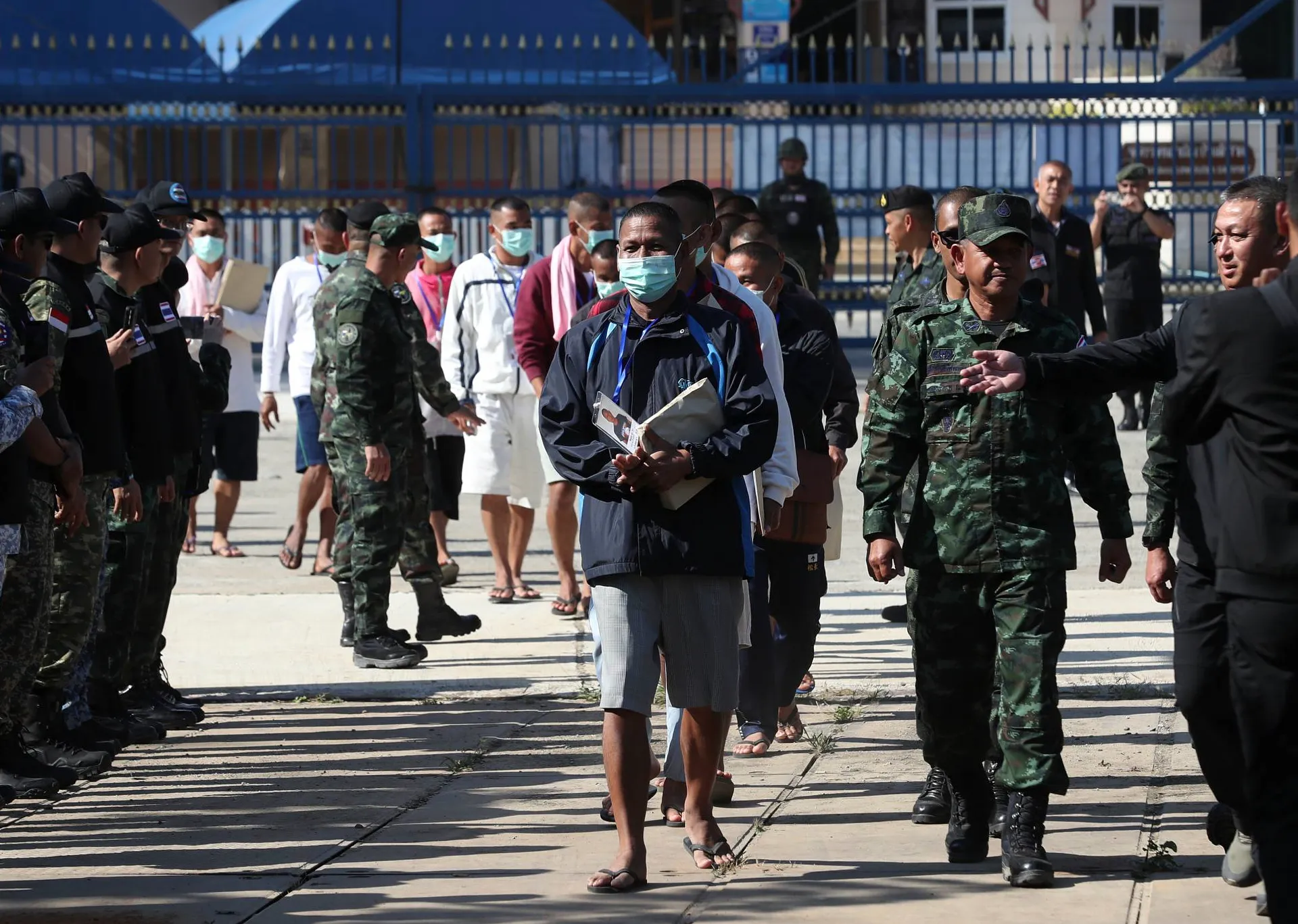
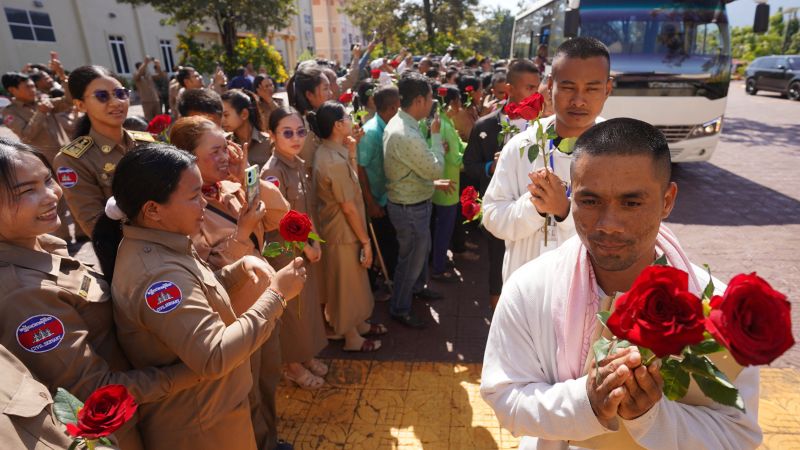
Thailand released 18 Cambodian soldiers after 155 days in captivity as a ceasefire between the two countries holds, following weeks of border clashes and renewed diplomatic efforts, including cooperation on demining and troop movement freezes, amidst a longstanding border dispute.
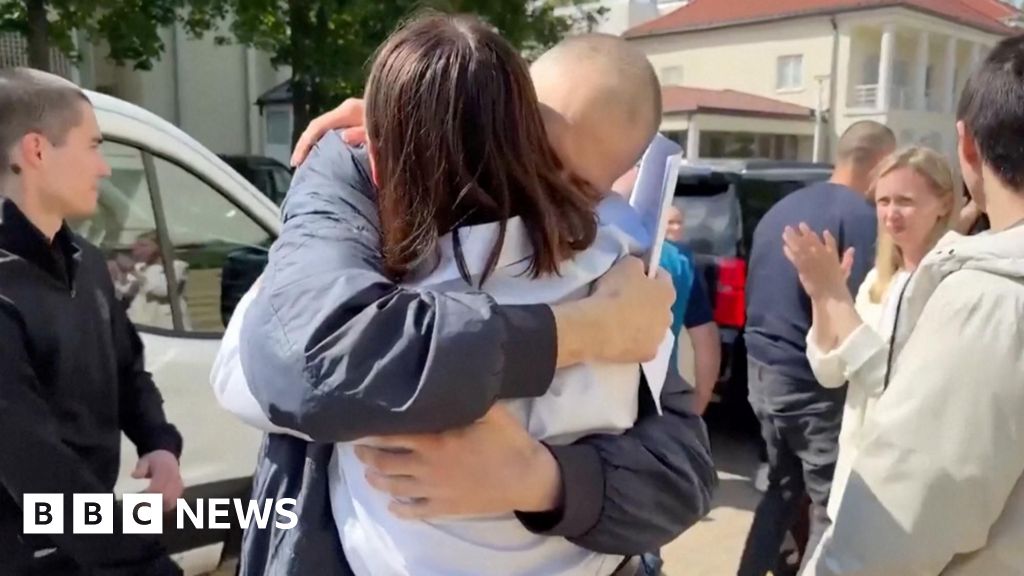
Thailand released 18 Cambodian soldiers after a renewed ceasefire agreement, easing tensions following weeks of deadly border clashes that resulted in over 100 deaths and displacements. The soldiers had been in Thai custody for 155 days, and their release marks a significant step towards peace and reconciliation between the two nations.
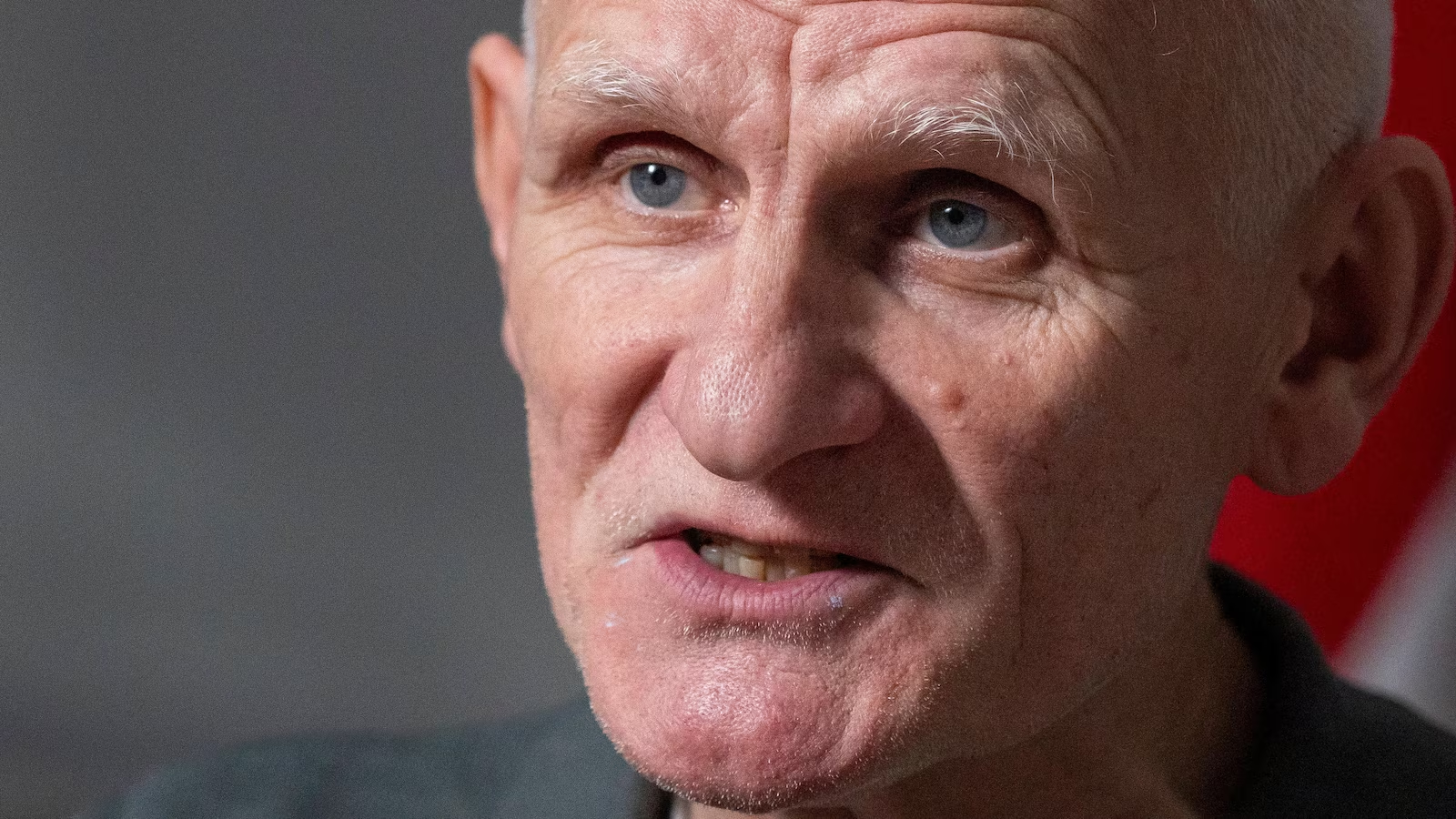
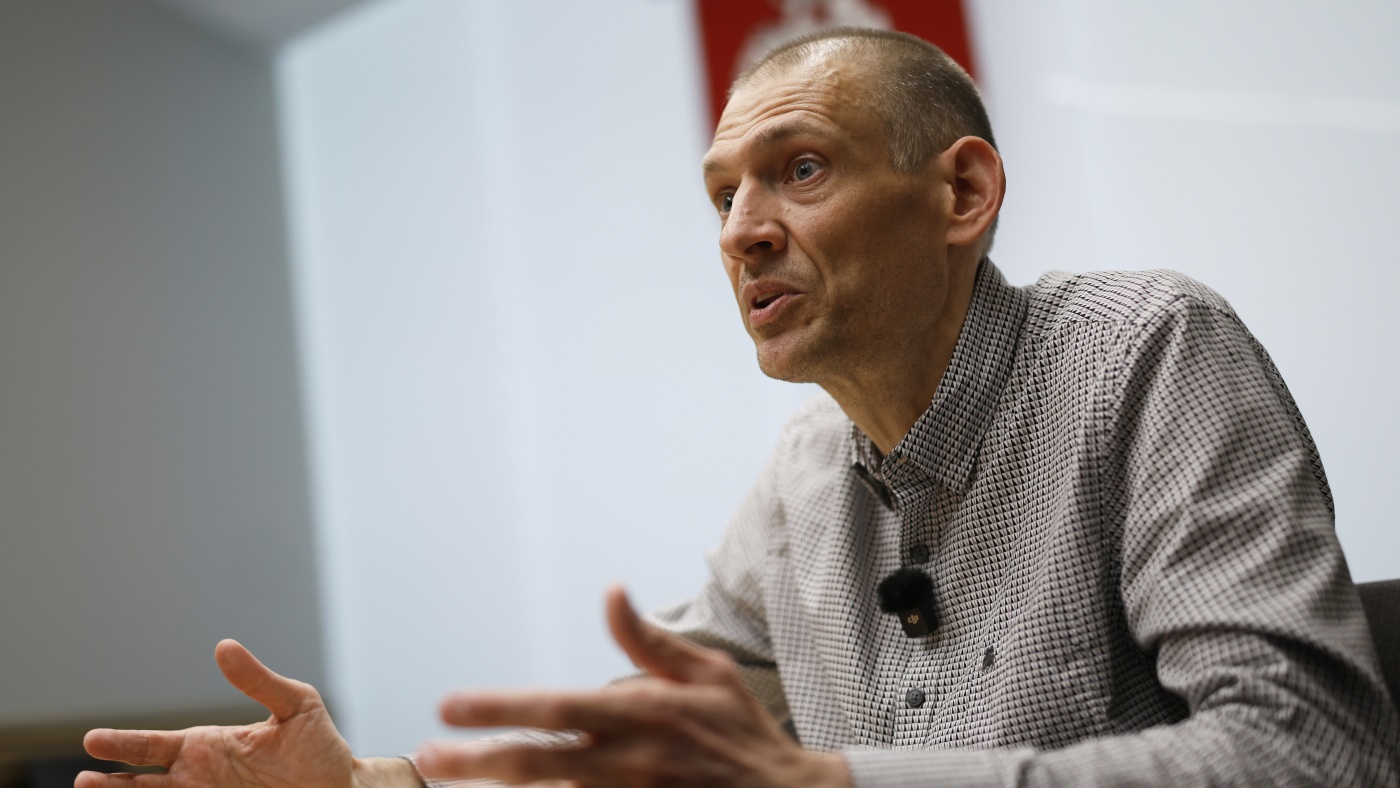
Nobel Peace Prize laureate Ales Bialiatski was released after over four years in Belarusian prison, where he endured inhumane conditions and political repression. His release was part of a prisoner swap linked to Belarus's economic negotiations with the US. Bialiatski plans to continue advocating for Belarusian political prisoners and human rights, despite the challenging political environment and ongoing repression in Belarus.
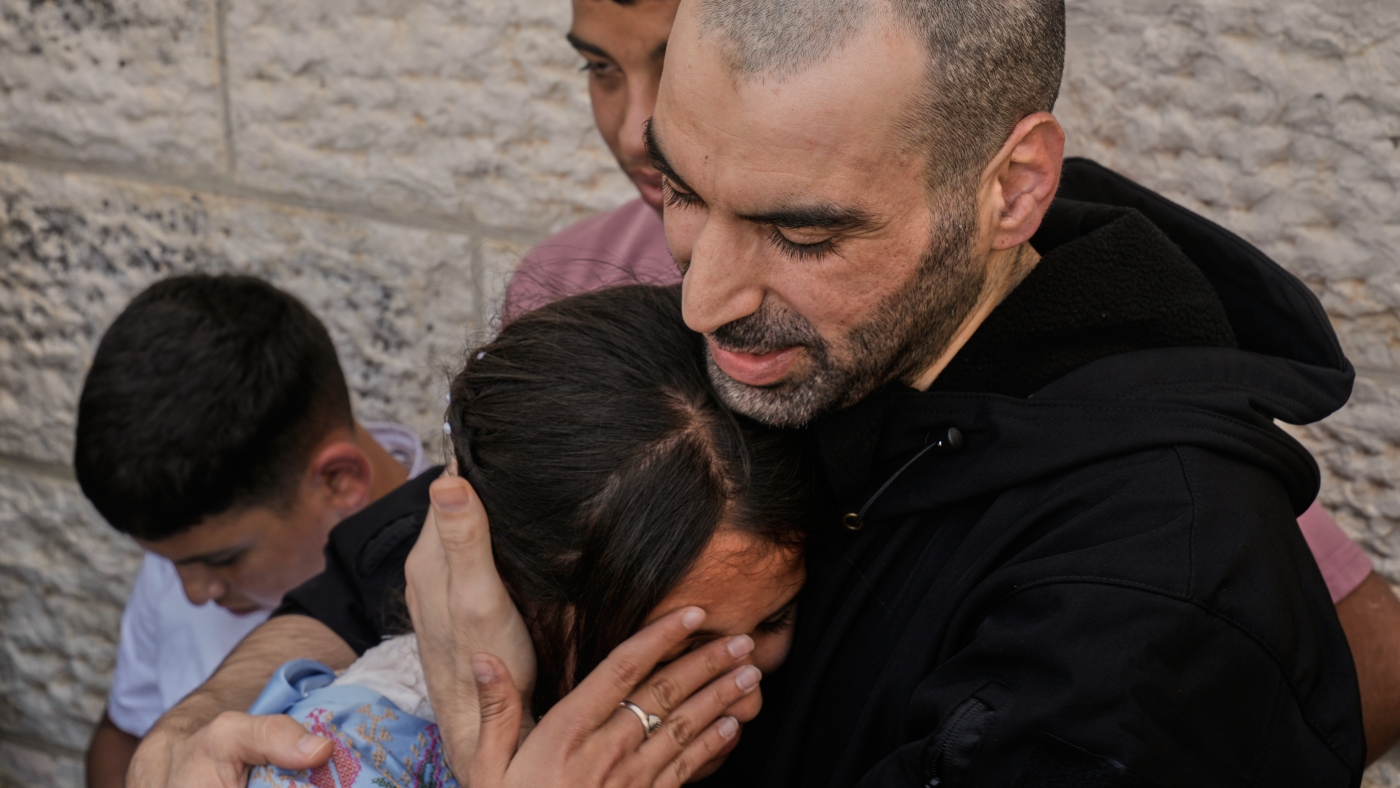
Palestinians celebrated as Israel released nearly 2,000 prisoners, including those detained during the Gaza conflict, under a ceasefire deal with Hamas, highlighting the complex political and emotional significance of prisoner releases on both sides.
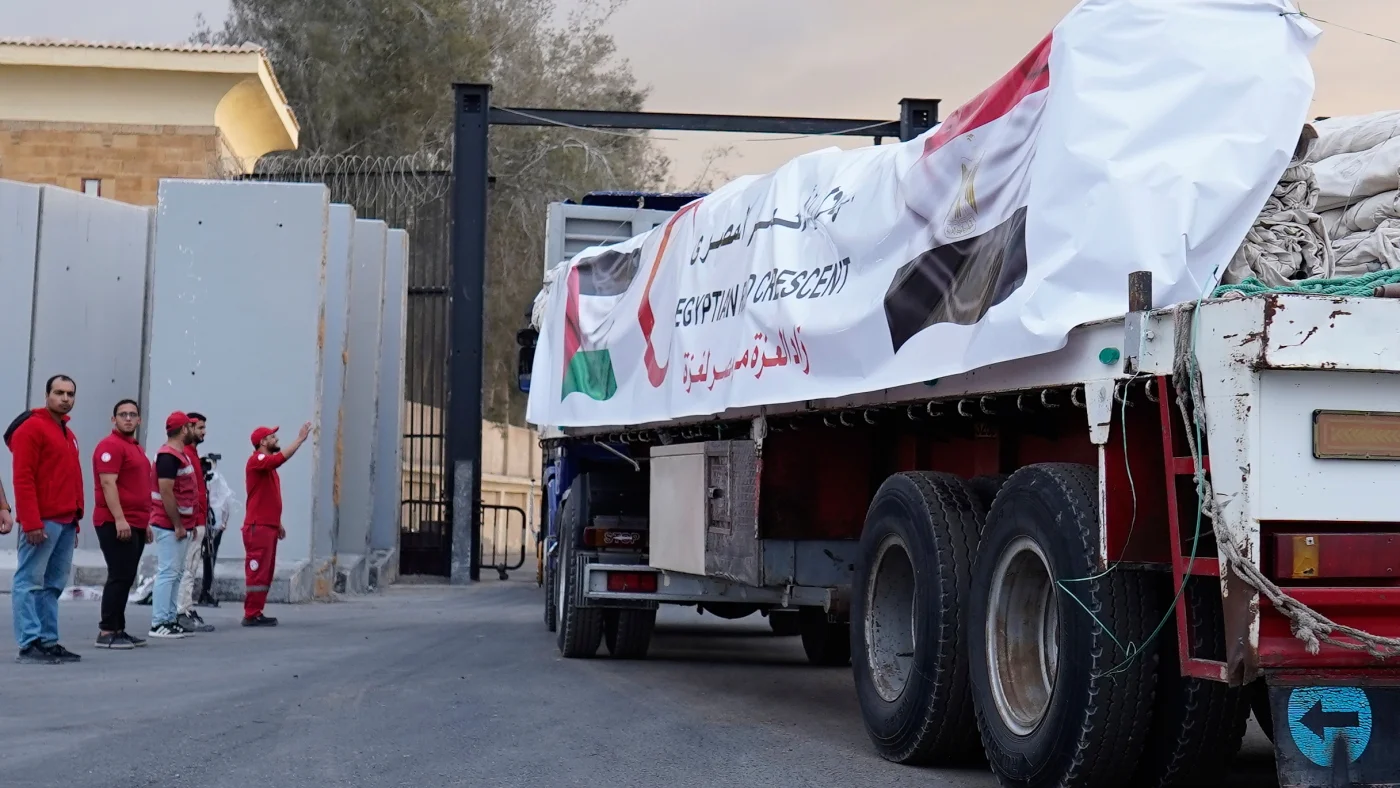
Preparations are underway to increase humanitarian aid into Gaza following a ceasefire, with trucks carrying supplies entering through Egypt and Israel for inspection. The UN has a large stockpile ready to be delivered, but the Gaza Humanitarian Foundation's operations are uncertain. Efforts are also focused on releasing hostages and prisoners, with international leaders, including U.S. President Trump, involved in diplomatic efforts. The war has caused extensive destruction and displacement, and the long-term situation remains uncertain.
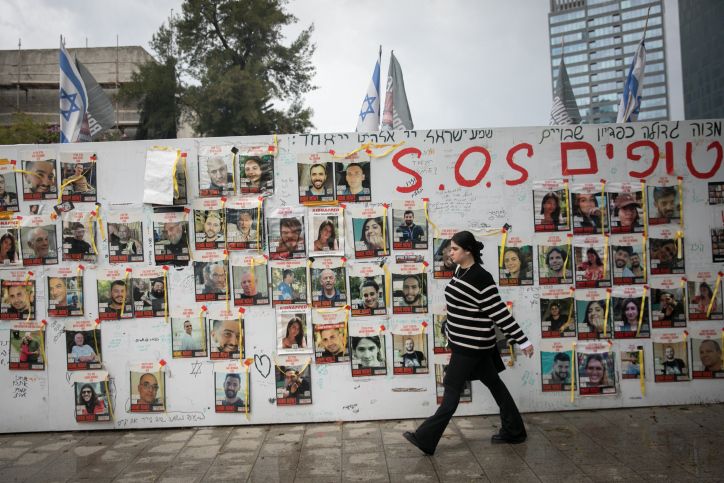
Hamas is demanding the inclusion of prominent Palestinian prisoners in the upcoming prisoner exchange deal with Israel, which also involves the release of Israeli hostages and Palestinian prisoners, amid ongoing negotiations and a ceasefire in Gaza.
Hamas is committed to ending the Gaza conflict through negotiations in Cairo, focusing on arranging conditions for the release of hostages and prisoners, with plans for a gradual release over several days via the Red Cross, while both Hamas and Israeli delegations prepare for talks.
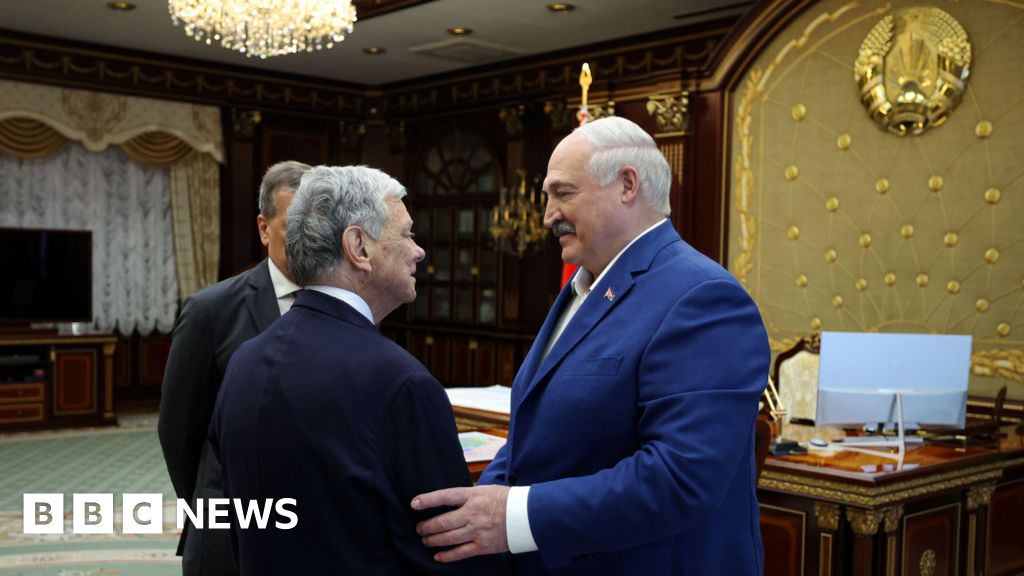
Belarus has released 52 political prisoners in exchange for the easing of some US sanctions, including on Belarusian airline Belavia, as part of a diplomatic effort to improve relations with the US amid ongoing tensions and military exercises involving Russia. The move follows previous releases and aims to soften Belarus's international standing, with discussions about reopening the US embassy in Minsk.
Siarhei Tsikhanouski, a prominent Belarusian opposition figure, was released after five years of imprisonment marked by harsh conditions and health deterioration. His release coincides with increased diplomatic activity involving Belarus and the West, and he plans to continue his activism, emphasizing unity among Belarusian opposition and criticizing Russian support for Lukashenko. Tsikhanouski's experience highlights ongoing political repression in Belarus and the resilience of its opposition movement.
Sergei Tikhanovsky, husband of Belarusian opposition leader Svetlana Tikhanovskaya, was unexpectedly released from prison and moved to Lithuania, amid diplomatic talks involving US envoy Keith Kellogg, marking a rare positive development in Belarus's ongoing political repression.
Yemen's Houthi group released over 100 detainees in Sanaa, describing it as a "unilateral humanitarian initiative." The released individuals, mostly sick, wounded, and elderly, were claimed by the Houthis to be government soldiers, but Yemen's internationally recognized government contended they were civilians kidnapped by the Houthis. The International Committee of the Red Cross confirmed the release and ensured it was conducted humanely. Yemen has been in conflict since the Houthis took over the capital in 2014, with ongoing disruptions affecting global commerce and regional stability.
Hamas has reportedly revised its demands for a ceasefire and hostage deal, now offering to release fewer than 20 hostages in exchange for a six-week truce. The group is seeking a higher number of Palestinian security prisoners to be released, including individuals with more serious charges, and is calling for international guarantees to ensure Israel's compliance with the ceasefire agreement. Israeli officials have expressed skepticism about Hamas's latest offer, criticizing the group for stalling negotiations and lacking genuine commitment to achieving a ceasefire.
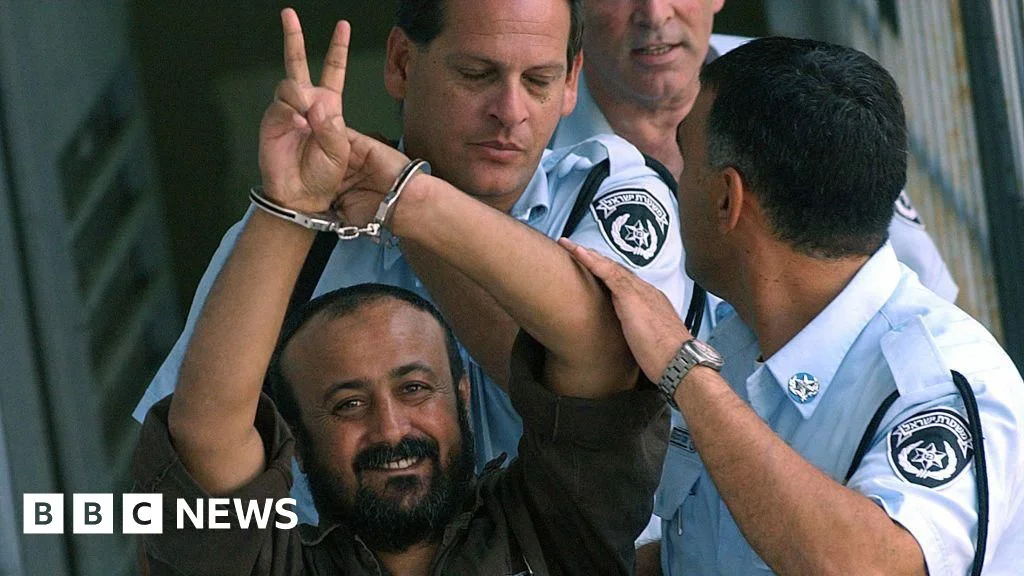
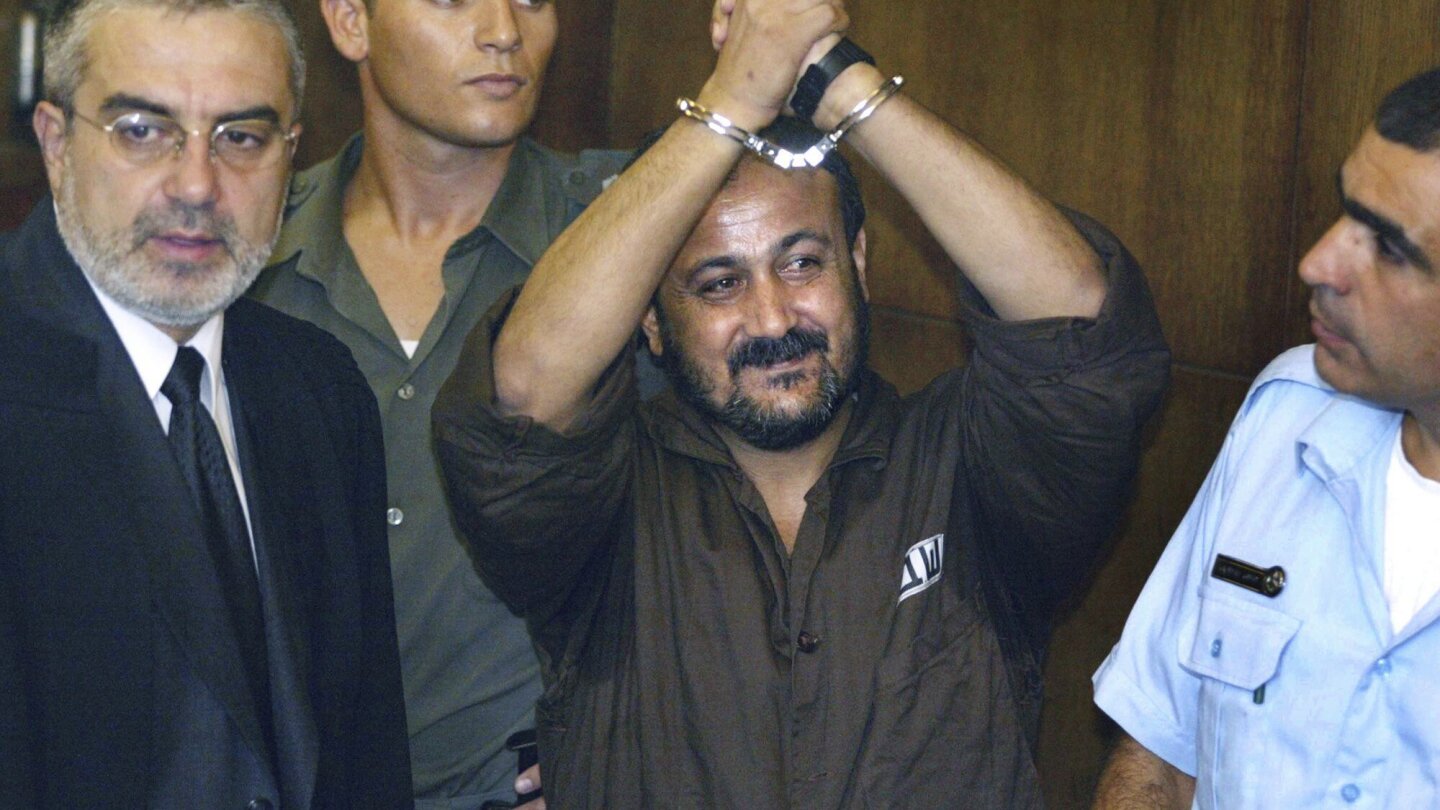
Hamas is demanding the release of Marwan Barghouti, a prominent Palestinian political figure and prisoner held by Israel, as part of cease-fire negotiations with Israel. Barghouti, seen by some as a potential future Palestinian president, is a central figure in Palestinian politics despite spending over two decades behind bars. His release could pave the way for his potential election to national office. The demand for Barghouti's release is part of broader negotiations between Israel and Hamas, with Israel seeking the release of over 100 hostages held by Hamas in Gaza. Barghouti's potential release is seen as a move to rally public support for Hamas and could have significant implications for Palestinian politics and the ongoing conflict with Israel.
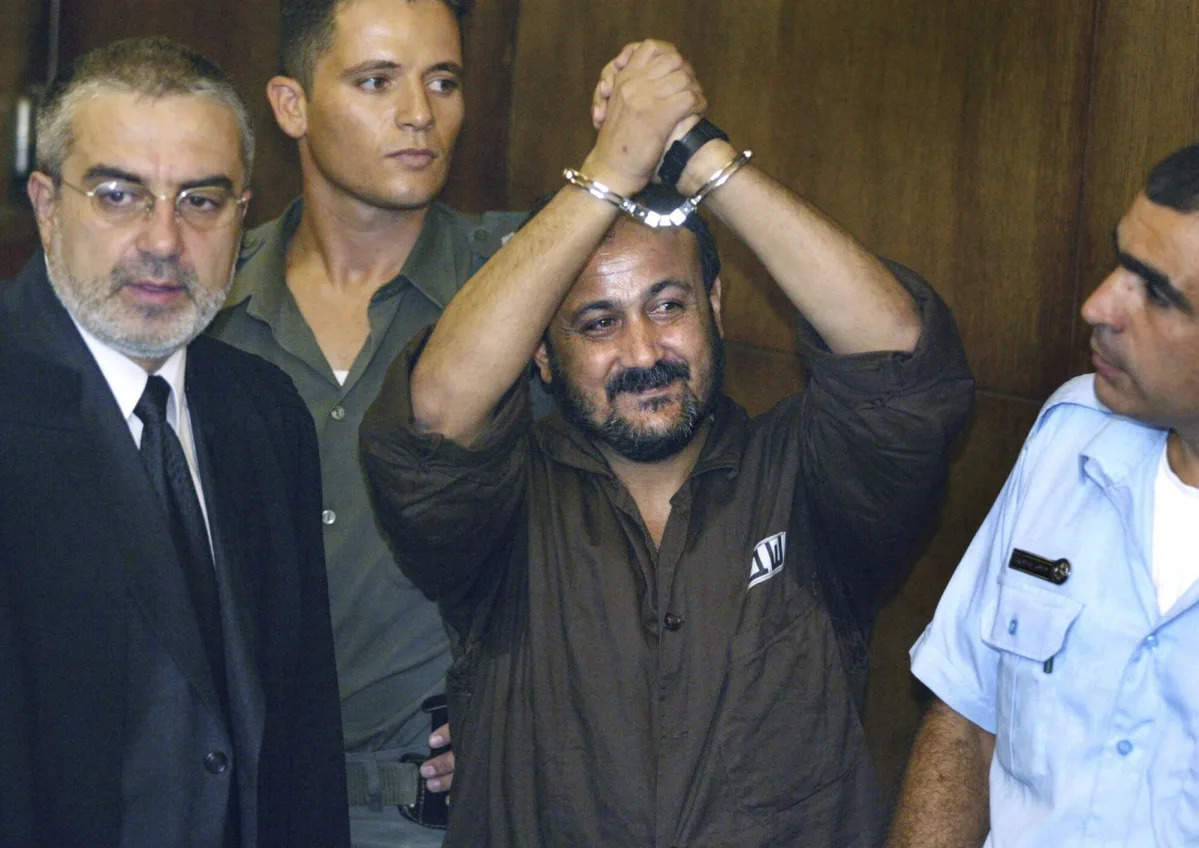
Hamas is demanding the release of Marwan Barghouti, a prominent Palestinian political figure and prisoner held by Israel, as part of any cease-fire deal with Israel. Barghouti, seen by some as a potential future Palestinian president, is a unifying figure in Palestinian politics. His release could pave the way for his election to national office and potentially unify Palestinian factions. The demand comes as part of negotiations to end the fighting in Gaza, with Israel seeking the release of over 100 hostages held by Hamas. Barghouti, serving five life terms for his role in deadly attacks, is viewed as a terrorist by Israelis, making his release a contentious issue.
Hamas is considering a proposed cease-fire deal for Gaza, which includes prolonged pauses in fighting and swaps of Israeli hostages for Palestinian prisoners, but insists on a permanent cease-fire and the release of thousands of Palestinian prisoners, including Marwan Barghouti and Ahmed Saadat. The group's demands put them at odds with the multi-stage proposal put forth by Egypt, Israel, Qatar, and the United States. Mediators are still working to bridge the gaps between the two sides, with U.S. Secretary of State Antony Blinken planning to visit the region to push for progress. The conflict has resulted in significant casualties and displacement in Gaza, with ongoing fighting in the southern city of Khan Younis and concerns about the humanitarian situation in Rafah.